
Choosing the right binoculars for an Alaska cruise can make or break your wildlife and scenery viewing experience. With vast coastlines, towering glaciers, and elusive marine life, you need optics that deliver sharp, bright images in low light and withstand damp, cold conditions. This guide breaks down the top models, key features to look for, and practical tips to help you pick the perfect pair for your Alaskan adventure.
Key Takeaways
- Opt for 8×42 or 10×42 binoculars: These sizes offer the best balance of magnification, light gathering, and portability for Alaska’s variable conditions.
- Waterproof and fog-proof construction is essential: Look for nitrogen-purged, O-ring sealed models to handle rain, spray, and temperature shifts.
- Prioritize image clarity and brightness: Fully multi-coated lenses and high-quality prisms (like BaK-4) ensure crisp views, especially at dawn or dusk.
- Consider weight and ergonomics: You’ll be carrying them for hours—lightweight, comfortable designs reduce fatigue during long shore excursions.
- Stability matters for high magnification: If choosing 10x or higher, use a tripod adapter or lean on a rail to avoid shaky views.
- Don’t forget the carrying case and neck strap: A padded case protects your investment, while an adjustable strap improves comfort.
- Test before you cruise: Practice using your binoculars at home or on a short hike to get familiar with focus and settings.
📑 Table of Contents
Why Binoculars Are a Must-Have for Your Alaska Cruise
Imagine standing on the deck of your cruise ship, the crisp Alaskan wind brushing your face as you scan the horizon. Suddenly, a spout of water erupts in the distance—could it be a humpback whale? Or maybe a distant glacier calves, sending a thunderous splash into the fjord. Without a good pair of binoculars, you might miss these once-in-a-lifetime moments. Alaska’s rugged coastline, abundant wildlife, and dramatic landscapes demand more than just the naked eye. That’s where the right binoculars come in.
An Alaska cruise is one of the most visually stunning travel experiences on the planet. From breaching orcas and lounging sea lions to snow-capped peaks and icy glaciers, the scenery unfolds like a nature documentary. But much of the action happens far from shore—sometimes miles out to sea or high on distant cliffs. Binoculars bridge that gap, bringing the wild beauty of Alaska up close and personal. Whether you’re gliding through Tracy Arm Fjord or anchored near Glacier Bay National Park, a quality pair of binoculars transforms passive sightseeing into an immersive adventure.
But not all binoculars are created equal. The wrong pair can leave you frustrated with blurry images, fogged lenses, or uncomfortable handling. That’s why choosing the best binoculars for a cruise to Alaska requires thoughtful consideration. You need optics that perform in low light, resist moisture, and stay steady in windy conditions. In this guide, we’ll walk you through everything you need to know—from key features and top models to practical tips for using your binoculars on deck. By the end, you’ll be ready to spot a bald eagle’s nest or a pod of Dall’s porpoises with confidence.
What to Look for in Binoculars for Alaska
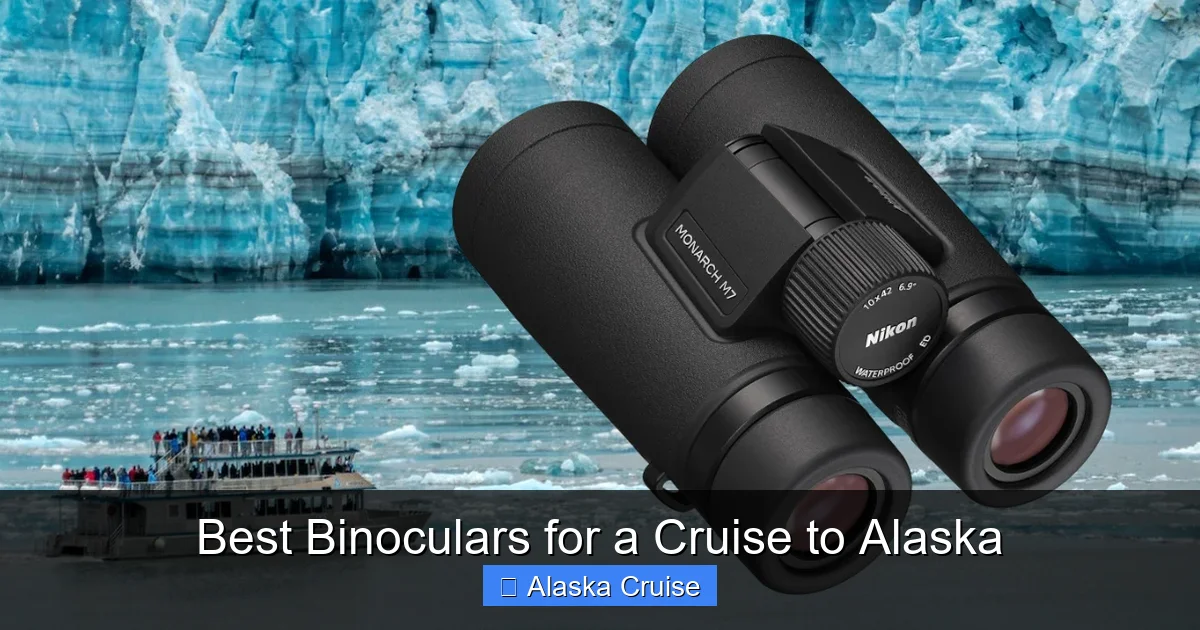
Visual guide about Best Binoculars for a Cruise to Alaska
Image source: gagadget.com
When shopping for binoculars for your Alaska cruise, it’s easy to get overwhelmed by technical specs and marketing jargon. But don’t worry—we’ll simplify it. Focus on these five critical features to ensure you get the best viewing experience.
Magnification and Objective Lens Size
The first thing you’ll notice on any binocular label is a number like “8×42” or “10×50.” The first number is the magnification—how many times closer the object appears. The second is the diameter of the objective lens in millimeters, which determines how much light the binoculars can gather.
For Alaska, 8×42 and 10×42 are the sweet spots. An 8x magnification offers a wider field of view and steadier image, making it easier to track moving wildlife like whales or birds. It’s also more forgiving if your hands shake slightly on a rocking ship. A 10x magnification brings distant objects even closer, which is great for spotting details on glaciers or mountain goats on cliffs—but it can be harder to keep steady without support.
Avoid going higher than 10x unless you plan to use a tripod. Anything above that becomes unwieldy on a moving vessel. Also, larger objective lenses (like 50mm) gather more light but add weight and bulk. For most cruisers, 42mm strikes the perfect balance between brightness and portability.
Optical Quality: Coatings and Prisms
Not all glass is created equal. The quality of the lenses and prisms inside your binoculars directly affects image clarity, color accuracy, and brightness—especially in Alaska’s often overcast or low-light conditions.
Look for binoculars with fully multi-coated lenses. These coatings reduce glare, improve light transmission, and deliver sharper, more vibrant images. Even better are phase-corrected prisms, which enhance resolution and contrast.
The type of prism matters too. Most quality binoculars use BaK-4 prisms (barium crown glass), which offer superior optical performance compared to cheaper BK-7 prisms. You’ll notice the difference when viewing distant glaciers at dawn or spotting a bear foraging in the twilight.
Durability and Weather Resistance
Alaska’s weather is famously unpredictable. One moment it’s sunny, the next it’s raining or foggy. Your binoculars need to handle it all.
Choose models that are waterproof and fog-proof. This means they’re sealed with O-rings and filled with inert gas (like nitrogen or argon) to prevent internal fogging when temperatures change. This is crucial when moving between the warm cabin and the cold, damp deck.
Also, look for a rugged, rubber-armored exterior. It provides a secure grip even when wet and protects against bumps and drops. After all, you don’t want your binoculars slipping out of your hands during an exciting wildlife sighting.
Weight and Ergonomics
You’ll likely carry your binoculars for hours—on deck, during shore excursions, or while hiking. A heavy pair can quickly become a burden.
Aim for binoculars under 2.5 pounds (about 1.1 kg). Lightweight models reduce neck and shoulder strain, especially when worn with a strap. Ergonomic design matters too—look for contoured grips and easy-to-reach focus wheels.
Some models come with adjustable eyecups, which are great if you wear glasses. You can twist them down for a full field of view without removing your eyewear.
Close Focus and Field of View
While most of your viewing will be at a distance, you might also want to observe nearby wildlife—like a curious sea otter floating just off the ship’s hull. Binoculars with a close focus distance of 6–8 feet allow you to see these details clearly.
The field of view (measured in feet at 1,000 yards) tells you how wide an area you can see. A wider field helps track fast-moving animals like eagles or dolphins. For Alaska, a field of view of 300–350 feet is ideal.
Top Binocular Recommendations for Alaska Cruises
Now that you know what to look for, let’s dive into some of the best binoculars for a cruise to Alaska. These models combine optical excellence, durability, and user-friendly design—perfect for both beginners and seasoned birdwatchers.
Nikon Monarch M7 8×42
The Nikon Monarch M7 8×42 is a favorite among nature enthusiasts—and for good reason. It delivers bright, sharp images with excellent color fidelity, thanks to its fully multi-coated lenses and ED (extra-low dispersion) glass. The 8x magnification is ideal for tracking wildlife on a moving ship, while the 42mm objective lens ensures great performance in low light.
Weighing just 20.3 ounces, it’s lightweight enough for all-day use. The ergonomic design fits comfortably in hand, and the turn-and-slide eyecups work well with or without glasses. It’s also waterproof and fog-proof, making it a reliable companion in Alaska’s damp climate.
One standout feature is the turn-and-click diopter adjustment, which lets you fine-tune focus for each eye—perfect for sharing with a travel partner. The Monarch M7 also has a wide field of view (420 feet at 1,000 yards), making it easy to scan large areas like fjords or whale feeding grounds.
Vortex Optics Diamondback HD 10×42
If you prefer a bit more magnification, the Vortex Diamondback HD 10×42 is a top contender. It offers crisp, high-contrast images with minimal chromatic aberration, thanks to its HD (high-definition) optical system and fully multi-coated lenses.
At 21.8 ounces, it’s slightly heavier than the Nikon but still manageable for long viewing sessions. The rubber armor provides a secure grip, and the twist-up eyecups are comfortable for glass wearers.
What sets the Diamondback HD apart is its ArmorTek coating, which protects lenses from scratches, oil, and dirt—ideal for handling on a busy cruise deck. It’s also backed by Vortex’s legendary VIP warranty, which covers repairs or replacements for life, no questions asked.
The 10x magnification is great for spotting distant details, like mountain goats on cliffs or the texture of glacier ice. Just remember to steady your arms or lean on a rail to avoid shake.
Zeiss Terra ED 8×42
For those who want premium optics without the premium price tag, the Zeiss Terra ED 8×42 is an excellent choice. Zeiss is a legendary name in optics, and this model brings their expertise to a more affordable range.
It features ED glass and Zeiss’s T* multi-coating, which delivers exceptional brightness and color accuracy—even in overcast Alaskan skies. The 8×42 configuration offers a wide field of view and steady image, perfect for scanning coastlines and wildlife.
At 23.3 ounces, it’s a bit heavier, but the build quality justifies the weight. The ergonomic design and smooth focus wheel make it a pleasure to use. It’s also waterproof and fog-proof, with a durable polycarbonate chassis.
One unique feature is the lotus leaf-inspired lens coating, which repels water and dirt—handy when sea spray hits the deck. The Terra ED also has a close focus of just 6.2 feet, so you can observe nearby wildlife in stunning detail.
Leica Trinovid HD 8×42
If budget isn’t a concern, the Leica Trinovid HD 8×42 is the gold standard. Known for their precision engineering, Leica binoculars deliver unparalleled optical performance.
The Trinovid HD features high-transmission lenses and phase-corrected prisms, resulting in incredibly sharp, bright images with true-to-life colors. The 8×42 setup is ideal for Alaska’s varied viewing conditions.
Weighing 25.4 ounces, it’s on the heavier side, but the build quality is exceptional. The magnesium alloy body is both lightweight and rugged, and the rubber armor provides a secure grip.
Leica’s AquaDura coating repels water and grease, keeping lenses clean in wet conditions. The binoculars are also nitrogen-purged for fog-proof performance.
While expensive, the Trinovid HD is an investment that will last a lifetime. It’s perfect for serious wildlife watchers or photography enthusiasts who want the best possible views.
Carson MiniZoom 8-24×50
For cruisers who want versatility, the Carson MiniZoom offers adjustable magnification from 8x to 24x. This compact zoom binocular is great for switching between wide-angle scanning and close-up viewing.
At just 16.8 ounces, it’s one of the lightest options on this list. The 50mm objective lens gathers plenty of light, and the fully multi-coated optics deliver decent image quality for the price.
It’s waterproof and fog-proof, with a durable rubber armor. The zoom lever is easy to operate, even with gloves on.
While not as optically refined as the higher-end models, the MiniZoom is a solid budget-friendly choice. It’s especially useful if you plan to use it for other activities like hiking or stargazing after your cruise.
Tips for Using Binoculars on Your Alaska Cruise
Having the right binoculars is only half the battle. Knowing how to use them effectively will maximize your enjoyment and help you spot more wildlife.
Stabilize Your View
Even the steadiest hands can struggle with high magnification on a moving ship. To reduce shake:
– Lean against the ship’s railing or a solid surface.
– Use a tripod adapter if your binoculars support it.
– Hold your elbows close to your body for better support.
– Breathe slowly and focus on smooth movements.
For 10x binoculars, stabilization is especially important. A shaky image can make it hard to identify distant objects.
Master the Focus
Most binoculars have a central focus wheel and a diopter adjustment (usually on the right eyepiece). Here’s how to use them:
1. Close your right eye and focus on a distant object using the central wheel.
2. Close your left eye, open your right, and adjust the diopter until the image is sharp.
3. Now both eyes should see a clear image when you use the central focus.
Practice this at home before your trip. Once set, you can focus quickly by turning the central wheel.
Scan Methodically
Don’t just sweep randomly. Use a slow, sweeping motion from left to right, pausing every few seconds to let your eyes adjust. Look for movement, unusual shapes, or splashes in the water.
For whales, watch for blows (spouts of water) or dorsal fins. For birds, scan treetops and cliffs. Glaciers often show signs of calving with ripples or splashes.
Protect Your Investment
Keep your binoculars safe with these tips:
– Use a padded case when not in use.
– Attach a neck strap or harness to prevent drops.
– Clean lenses with a microfiber cloth—never your shirt.
– Store in a dry place when not in use.
– Avoid leaving them in direct sunlight or extreme cold.
Share the Experience
Binoculars are more fun when shared. Teach your travel companions how to use them, and take turns spotting wildlife. It’s a great way to bond and ensure no sighting goes unnoticed.
When and Where to Use Your Binoculars in Alaska
Alaska’s cruise itineraries vary, but most include stops in Glacier Bay, Juneau, Skagway, Ketchikan, and Hubbard Glacier. Here’s how to make the most of your binoculars at each location.
Glacier Bay National Park
This UNESCO World Heritage Site is a must-see. Use your binoculars to:
– Observe glaciers calving from a safe distance.
– Spot harbor seals resting on ice floes.
– Watch for brown bears along the shoreline.
– Identify bird species like puffins and cormorants.
The park’s vastness makes binoculars essential. Even from the ship, you’ll see incredible detail with a good pair.
Juneau and the Mendenhall Glacier
While in Juneau, take a shore excursion to the Mendenhall Glacier. Use your binoculars to:
– View the glacier’s face and crevasses up close.
– Look for black bears fishing for salmon in the river.
– Spot eagles nesting in nearby trees.
Even from the visitor center, binoculars enhance the experience.
Hubbard Glacier
One of the largest glaciers in North America, Hubbard Glacier is a highlight of many cruises. Use your binoculars to:
– Watch for calving events—listen for the thunderous sound.
– Observe the blue ice and deep crevasses.
– Look for seals and sea lions on nearby ice.
The glacier can be active, so binoculars let you enjoy the spectacle safely.
Wildlife Viewing at Sea
Much of Alaska’s magic happens offshore. Keep your binoculars handy for:
– Humpback whales breaching or tail-slapping.
– Orcas hunting in pods.
– Dall’s porpoises riding the ship’s bow wave.
– Sea otters floating on their backs.
Early morning and late afternoon are the best times for wildlife activity.
Conclusion: Make Every Moment Count
An Alaska cruise is more than a vacation—it’s a journey into one of the last great wildernesses on Earth. From the silence of a glacier-filled fjord to the roar of a whale’s blow, the experiences are profound and unforgettable. But to truly appreciate the scale and beauty of Alaska, you need the right tools. The best binoculars for a cruise to Alaska don’t just magnify distant scenes—they bring you closer to the heart of nature.
Whether you choose the reliable Nikon Monarch M7, the rugged Vortex Diamondback HD, or the premium Leica Trinovid, investing in quality optics will pay dividends in memories. Look for models with 8×42 or 10×42 configurations, waterproof and fog-proof construction, and fully multi-coated lenses. Don’t forget comfort and ease of use—after all, you’ll be using them for hours on end.
With the right binoculars in hand, you’ll spot a grizzly bear foraging on a riverbank, watch a glacier calve into the sea, or catch a glimpse of a rare seabird—all from the comfort of your ship. So pack your bags, bring your sense of wonder, and don’t forget your binoculars. Alaska is waiting.
Frequently Asked Questions
What magnification is best for Alaska cruise binoculars?
For most cruisers, 8x or 10x magnification is ideal. 8x offers a wider field of view and steadier image, while 10x brings distant objects closer. Avoid going higher than 10x unless using a tripod.
Do I need waterproof binoculars for Alaska?
Yes. Alaska’s weather is wet and unpredictable. Waterproof and fog-proof binoculars with nitrogen purging will resist moisture and internal fogging, ensuring clear views in all conditions.
Can I use binoculars with glasses?
Absolutely. Look for models with twist-up or retractable eyecups. These allow you to adjust the eye relief so you can see the full field of view without removing your glasses.
Are expensive binoculars worth it for a cruise?
It depends on your budget and how often you’ll use them. High-end models offer better optics and durability, but mid-range options like the Nikon Monarch or Vortex Diamondback provide excellent value for most travelers.
How do I clean my binocular lenses?
Use a microfiber cloth and lens cleaning solution. Gently wipe in a circular motion. Avoid using tissues, clothing, or harsh chemicals, which can scratch the coatings.
Should I bring a tripod for my binoculars?
Not usually. Most cruisers manage well by leaning on railings. However, if you choose 12x or higher magnification, a compact tripod or monopod can help stabilize the view.