
Choosing the best backpack for an Alaskan cruise means balancing weather resistance, comfort, and versatility. With unpredictable rain, rugged terrain, and long days ashore, your pack needs to keep gear dry, fit comfortably, and organize essentials like cameras, snacks, and layers. Whether you’re zodiacing to glaciers or hiking coastal trails, the right backpack makes all the difference.
Key Takeaways
- Waterproof or water-resistant materials are essential: Alaska’s weather changes fast—rain, mist, and spray from boat tours demand a pack that keeps your gear dry.
- 20–35 liters is the ideal size range: Big enough for a day’s essentials but small enough to carry on shuttles, planes, and crowded docks.
- Comfortable, adjustable straps and back support matter: You’ll be wearing this pack for hours—padded shoulder straps and a breathable back panel reduce fatigue.
- Multiple compartments improve organization: Separate pockets for electronics, snacks, water bottles, and rain gear help you stay prepared and efficient.
- Lightweight yet durable construction is key: You don’t want a heavy pack eating into your weight limit, but it must withstand rough handling and wet conditions.
- Look for quick-access features: Side zippers, front pockets, and external attachment points let you grab gear without unpacking everything.
- Neutral colors blend in with nature: Avoid bright or flashy designs when wildlife viewing—earthy tones help you stay unobtrusive.
📑 Table of Contents
- Why Your Backpack Choice Matters on an Alaskan Cruise
- What to Look for in the Best Backpack for an Alaskan Cruise
- Top Features of the Best Backpacks for Alaskan Cruises
- Recommended Backpacks for an Alaskan Cruise
- Packing Tips for Your Alaskan Cruise Backpack
- Common Mistakes to Avoid
- Final Thoughts: Choose Wisely, Travel Confidently
Why Your Backpack Choice Matters on an Alaskan Cruise
An Alaskan cruise isn’t just a vacation—it’s an adventure. From misty fjords and towering glaciers to dense rainforests and wildlife-rich coastlines, every day brings new wonders. But with that beauty comes unpredictability. Rain can roll in within minutes. Trails can be muddy and steep. And you’ll often be hopping on and off small boats, hiking uneven paths, and carrying everything you need for the day.
That’s why your backpack isn’t just an accessory—it’s your lifeline. The right one keeps your camera dry during a sudden downpour, holds your extra layers when the wind picks up, and lets you move freely while spotting whales or bears. The wrong one? It becomes a heavy, soggy burden that slows you down and ruins your experience.
Think of your backpack as your mobile base camp. It carries your snacks, water, rain jacket, binoculars, phone, sunscreen, and maybe even a small first-aid kit. It needs to be tough enough for rugged terrain but compact enough to fit under airplane seats or in tight shuttle buses. And since you’ll likely be using it every day for a week or more, comfort and durability are non-negotiable.
What to Look for in the Best Backpack for an Alaskan Cruise
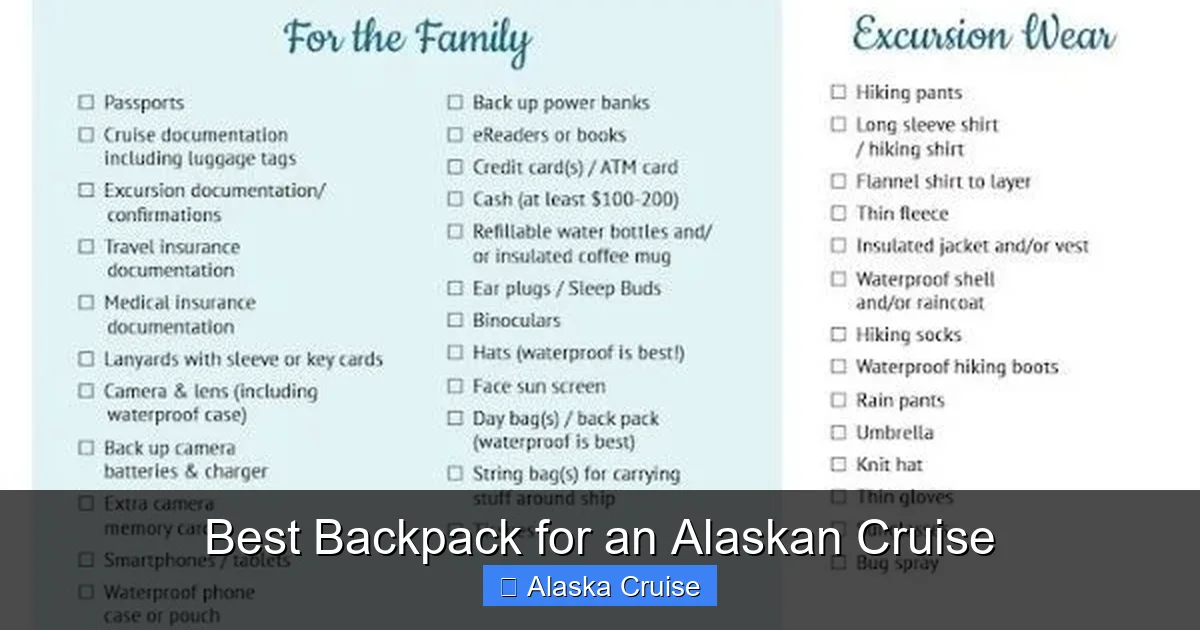
Visual guide about Best Backpack for an Alaskan Cruise
Image source: i.pinimg.com
When shopping for the best backpack for an Alaskan cruise, it’s easy to get overwhelmed by options. Hiking packs, travel backpacks, daypacks, ultralight models—each has its strengths. But Alaska demands a specific blend of features. Here’s what to prioritize.
Weather Resistance: Your First Line of Defense
Alaska is famously wet. Coastal regions like Juneau, Ketchikan, and Sitka average over 100 inches of rainfall annually. Even in summer, afternoon showers are common. Add in sea spray from zodiac tours and glacier mist, and you’ve got a recipe for soaked gear.
Look for backpacks made with waterproof or highly water-resistant materials like ripstop nylon with a durable water repellent (DWR) coating. Some top models come with built-in rain covers or fully seam-sealed construction. If your pack isn’t fully waterproof, consider pairing it with a lightweight pack cover—many brands sell matching ones.
Pro tip: Test your pack before you go. Spray it with a hose and check for leaks. If water seeps in, it’s not ready for Alaska.
Size and Capacity: Not Too Big, Not Too Small
The sweet spot for an Alaskan cruise backpack is between 20 and 35 liters. Anything smaller than 20L might not hold all your essentials, especially if you’re layering up for cold mornings and warm afternoons. Anything over 35L risks becoming a heavy, unwieldy load—and may not fit in overhead bins or under seats on regional flights.
A 25–30L pack is ideal for most travelers. It’s large enough for a day’s worth of gear but compact enough to carry comfortably. If you’re planning longer hikes or multi-day excursions, a 35L pack with a removable daypack or expandable compartment can be a smart upgrade.
Comfort and Fit: All-Day Wearability
You’ll be wearing your backpack for hours—on hikes, on boats, on city walks. That means comfort is critical. Look for padded, adjustable shoulder straps that distribute weight evenly. A padded back panel with airflow channels helps prevent sweat buildup, especially in humid coastal areas.
Many quality packs also feature a sternum strap and hip belt. These aren’t just for hiking—they stabilize the load and reduce shoulder strain, even on flat terrain. If you have a smaller frame, make sure the pack comes in a women’s or petite version with shorter torso lengths.
Try it on before you buy. Load it with 10–15 pounds and walk around. Does it feel balanced? Do the straps dig in? A good fit should feel like an extension of your body, not a burden.
Organization and Accessibility: Stay Prepared
Alaska’s adventures move fast. One minute you’re snapping photos of a glacier calving, the next you’re scrambling for your rain jacket as the sky opens up. That’s why smart organization matters.
Look for packs with:
– A large main compartment for bulky items like a fleece or camera case
– A front zippered pocket for quick-access items (phone, wallet, snacks)
– Side mesh pockets for water bottles or trekking poles
– A dedicated laptop or tablet sleeve (if you’re bringing electronics)
– Internal organizers for pens, keys, and small gear
Some packs even have a “quick-draw” side zipper that lets you access the main compartment without taking the pack off—perfect for grabbing a snack or adjusting layers on the go.
Durability and Build Quality: Built to Last
Alaska isn’t gentle on gear. Rocks, wet docks, zodiac landings—your backpack will take a beating. That’s why construction quality matters.
Check the stitching, zippers, and fabric. YKK zippers are the gold standard—they’re tough, smooth, and resistant to corrosion. Reinforced stress points (like where straps attach) prevent tearing. And high-denier fabrics (400D or higher) resist abrasion better than lighter materials.
Also consider the brand’s reputation. Companies like Osprey, Patagonia, The North Face, and Deuter are known for building gear that lasts. Read reviews from other travelers—especially those who’ve used the pack in wet or rugged conditions.
Top Features of the Best Backpacks for Alaskan Cruises
Now that you know what to look for, let’s break down the standout features that make certain backpacks excel in Alaskan conditions.
Waterproof Zippers and Sealed Seams
Even the most water-resistant fabric can fail at the seams or zippers. That’s why top-tier packs use waterproof zippers and fully taped or welded seams. These features prevent water from seeping in at the weakest points.
For example, the Sea to Summit Ultra-Sil Dry Pack uses welded seams and a roll-top closure to create a truly waterproof seal. While it’s not a traditional backpack, it’s a great option for ultra-light travelers who prioritize dryness above all.
Ergonomic Design for Long Days
A well-designed pack doesn’t just carry weight—it manages it. Look for contoured back panels that follow the natural curve of your spine. Some models include ventilation channels that keep your back cool and dry.
The Osprey Daylite Plus is a favorite among cruise travelers for its lightweight frame, breathable mesh back, and comfortable fit. It’s only 20L, but its smart layout makes it feel roomier than it is.
External Attachment Points
Alaska’s terrain often calls for extra gear—trekking poles, a compact tripod, or even a small dry bag. Packs with daisy chains, gear loops, or compression straps let you secure these items externally, freeing up internal space.
The Patagonia Arbor Grande Pack includes side compression straps and a front panel with multiple attachment points, making it ideal for photographers or hikers who need to carry extra equipment.
Reflective Details for Safety
Early morning or late evening excursions—like whale watching at dawn—can mean low-light conditions. Packs with reflective strips or logos improve visibility, especially if you’re near roads or boat docks.
This small feature can make a big difference in safety, particularly in remote areas where help may be far away.
Eco-Friendly Materials
Many travelers to Alaska are nature lovers who care about sustainability. Fortunately, several brands now offer backpacks made from recycled materials.
The The North Face Borealis, for example, uses recycled nylon and polyester in its construction. It’s not just better for the planet—it’s also durable, comfortable, and packed with smart features like a padded laptop sleeve and fleece-lined pocket for sunglasses.
Recommended Backpacks for an Alaskan Cruise
With so many options on the market, it helps to have a shortlist. Here are five of the best backpacks for an Alaskan cruise, each excelling in different areas.
1. Osprey Daylite Plus (20L)
Best for: Lightweight travelers who want comfort and simplicity.
The Daylite Plus is a cult favorite for a reason. At just 1.1 pounds, it’s one of the lightest packs in its class, yet it’s built to last. The AirScape back panel provides excellent ventilation, and the padded shoulder straps are soft yet supportive. It has a large main compartment, a front pocket with organization, and side mesh pockets for bottles.
It’s not fully waterproof, but it’s highly water-resistant and pairs well with a rain cover. Plus, it’s compatible with Osprey’s travel packs, so you can clip it to a larger suitcase if needed.
2. Patagonia Arbor Grande Pack (32L)
Best for: Adventurers who need space and durability.
This pack strikes a great balance between size and function. The 32L capacity gives you room for extra layers, a camera, and snacks, while the padded back and adjustable straps keep it comfortable all day. The front panel opens wide for easy access, and the side compression straps let you secure gear like a tripod or rain jacket.
Made from 100% recycled materials, it’s also one of the most eco-friendly options on this list.
3. The North Face Borealis (28L)
Best for: Tech-savvy travelers who want organization.
The Borealis is a workhorse. It has a dedicated laptop sleeve, a fleece-lined top pocket for sunglasses, and a front compartment with pen slots, a key clip, and a phone pocket. The FlexVent suspension system offers excellent support, and the padded back panel keeps you cool.
It’s water-resistant but not waterproof, so consider a pack cover for heavy rain. Still, it’s a top pick for those who want a structured, feature-rich pack.
4. Deuter Speed Lite 20
Best for: Hikers and outdoor enthusiasts.
If you’re planning to hit the trails in places like Mendenhall Glacier or Tongass National Forest, the Speed Lite 20 is a great choice. It’s lightweight, breathable, and built for movement. The Aircomfort back system reduces sweating, and the adjustable torso length ensures a perfect fit.
It has a hydration bladder sleeve (great for long hikes), side pockets for bottles, and a front stash pocket. While not fully waterproof, it handles light rain well and dries quickly.
5. Sea to Summit Ultra-Sil Dry Pack (20L)
Best for: Minimalists who prioritize dryness.
This isn’t a traditional backpack, but it’s worth considering if you’re traveling light. Made from ultralight silicone-coated nylon, it’s fully waterproof with a roll-top closure. It weighs just 3.5 ounces and packs down to the size of a soda can.
It’s ideal as a secondary pack for wet excursions or as your main bag if you’re an ultralight traveler. Just remember: it has minimal padding, so it’s best for short trips or when worn over a jacket.
Packing Tips for Your Alaskan Cruise Backpack
Even the best backpack won’t help if you pack it poorly. Here’s how to maximize space, stay organized, and keep your gear accessible.
Use Packing Cubes or Dry Bags
Packing cubes help you group similar items—clothes, electronics, toiletries—so you can find what you need fast. Dry bags (even small ones) are great for keeping electronics, medications, or spare socks dry in case of leaks.
Layer Strategically
Put heavier items (like your camera or water bottle) close to your back and centered in the pack. This keeps the weight balanced and reduces strain. Lighter items go toward the outside or top.
Keep Essentials in Quick-Access Pockets
Your phone, wallet, sunscreen, and snacks should be in the front or top pocket. You don’t want to unpack everything just to grab a granola bar.
Bring a Packable Rain Cover
Even if your pack is water-resistant, a rain cover adds extra protection. Many come with a built-in stuff sack, so you can pack it away when not in use.
Test Your Load Before You Go
A week before your trip, load your backpack with everything you plan to carry. Walk around the block or do a short hike. Adjust the straps, redistribute weight, and make sure nothing digs in or feels unbalanced.
Common Mistakes to Avoid
Even experienced travelers make backpack mistakes. Here are a few to watch out for.
Choosing a Pack That’s Too Big
A larger pack encourages overpacking. Stick to 20–35L unless you have a specific need for more space.
Ignoring the Weight
A heavy pack eats into your comfort and airline weight limits. Aim for a pack that weighs under 3 pounds empty.
Skimping on Comfort
Don’t buy a pack based on looks alone. Comfort is king—especially when you’re wearing it all day.
Forgetting About Airline Restrictions
Check your cruise line’s baggage policy. Some regional flights to Alaska have strict size and weight limits. A carry-on sized backpack (under 22” x 14” x 9”) is usually safe.
Final Thoughts: Choose Wisely, Travel Confidently
An Alaskan cruise is a once-in-a-lifetime experience. From the thunder of calving glaciers to the silent grace of a humpback whale, the moments you’ll witness are unforgettable. The right backpack ensures you’re ready for every one of them—dry, comfortable, and organized.
The best backpack for an Alaskan cruise isn’t the most expensive or the most feature-packed. It’s the one that fits your body, matches your itinerary, and stands up to the elements. Whether you choose the lightweight Osprey Daylite Plus, the eco-friendly Patagonia Arbor Grande, or the ultra-durable Deuter Speed Lite, prioritize weather resistance, comfort, and smart design.
Invest in quality. Test it before you go. And when you’re standing on a rocky shore, camera in hand, rain jacket zipped, and your pack snug on your back, you’ll be glad you did.
Frequently Asked Questions
What size backpack is best for an Alaskan cruise?
A 20–35 liter backpack is ideal for most Alaskan cruise excursions. It’s large enough to hold essentials like layers, snacks, and a camera, but compact enough to carry on shuttles and fit under airplane seats.
Do I need a waterproof backpack for Alaska?
Yes, a waterproof or highly water-resistant backpack is strongly recommended. Alaska’s coastal weather is unpredictable, with frequent rain, mist, and sea spray that can soak your gear quickly.
Can I bring a backpack on a cruise ship?
Absolutely. Most cruise lines allow passengers to bring backpacks for shore excursions. Just make sure it’s not too large to carry comfortably or store in your cabin.
Should I bring a separate daypack or use my main backpack?
It depends on your itinerary. If you’re doing multiple short excursions, a single 25–30L pack works well. For longer hikes or multi-day trips, consider a larger pack with a removable daypack.
Are hiking backpacks good for cruise excursions?
Yes, especially if you plan to hike. Look for lightweight hiking packs with good ventilation and support, like the Deuter Speed Lite or Osprey Daylite. Just ensure they’re not too bulky for boat transfers.
What should I pack in my backpack for Alaska?
Essentials include a rain jacket, extra layers, water bottle, snacks, sunscreen, camera, binoculars, phone, wallet, and a small first-aid kit. Use packing cubes or dry bags to stay organized and dry.