
Alaska’s rugged coastline, towering glaciers, and abundant wildlife come alive on small ship cruises. These intimate voyages offer front-row access to remote wilderness, personalized service, and immersive experiences that large cruise ships simply can’t match.
If you’ve ever dreamed of standing on the deck of a ship as a humpback whale breaches just 50 feet away, or hiking through a moss-covered rainforest with a local guide who shares stories of the Tlingit people, then an Alaskan small ship cruise might just be your perfect adventure. Unlike massive cruise liners that dock in crowded ports, small ships glide silently into hidden coves, glide past calving glaciers, and anchor in quiet bays where eagles nest in towering spruce trees. These voyages aren’t just about seeing Alaska—they’re about feeling it.
What makes small ship cruises so special is their ability to go where the big ships can’t. With drafts as shallow as six feet and lengths under 300 feet, these vessels can navigate narrow passages like the Behm Canal or the Inside Passage’s lesser-known inlets. This means you’re not just a spectator—you’re an explorer. Imagine kayaking among icebergs in Tracy Arm Fjord, stepping ashore on a remote island for a guided bear-watching walk, or sipping hot cocoa on your private balcony as the Northern Lights dance overhead. These aren’t just vacation moments—they’re life-changing experiences.
And it’s not just about the scenery. Small ship cruises prioritize connection—between travelers, crew, and the natural world. With fewer passengers, you’ll get to know your fellow adventurers, share meals with the captain, and learn from onboard naturalists who’ve spent decades studying Alaskan ecosystems. Whether you’re a first-time cruiser or a seasoned traveler, these journeys offer a rare blend of comfort, adventure, and authenticity.
Key Takeaways
- Intimate Experience: Small ships carry 10–150 passengers, allowing for personalized service and flexible itineraries.
- Access to Remote Areas: Navigate narrow channels, fjords, and protected bays that larger vessels can’t reach.
- Wildlife Viewing: Spot whales, bears, sea otters, and puffins up close with expert naturalists on board.
- Expedition Focus: Many small ships offer Zodiac landings, kayaking, hiking, and cultural visits with Indigenous communities.
- All-Inclusive Luxury: Top-tier lines include gourmet dining, premium beverages, shore excursions, and gratuities.
- Seasonal Timing: Best travel window is May through September, with peak wildlife and weather in July and August.
- Sustainable Travel: Smaller environmental footprint and eco-conscious practices support responsible tourism.
📑 Table of Contents
Why Choose a Small Ship Cruise in Alaska?
Alaska is a destination that demands intimacy. Its vast landscapes, unpredictable weather, and fragile ecosystems are best appreciated up close—not from a distance. That’s where small ship cruises shine. While large cruise ships focus on port cities like Juneau, Ketchikan, and Skagway, small vessels venture deeper into the wilderness, offering a more immersive and less touristy experience.
One of the biggest advantages is access. Small ships can anchor in places like Misty Fjords National Monument, where sheer cliffs rise 3,000 feet from the water, or in the quiet waters of Glacier Bay National Park, where you might be the only vessel in sight. These areas are often off-limits to larger ships due to size restrictions or environmental regulations. On a small ship, you’re not just visiting Alaska—you’re discovering it.
Another key benefit is flexibility. Weather in Alaska can change in minutes, and wildlife doesn’t follow a schedule. Small ships can adjust their routes on the fly, chasing a pod of orcas or waiting for a glacier to calve. This adaptability means you’re more likely to witness once-in-a-lifetime moments. Plus, with fewer passengers, there’s no waiting in long lines for excursions or dining—everything feels effortless.
Personalized Service and Comfort
Despite their smaller size, many Alaskan small ships offer luxury amenities that rival five-star resorts. Think plush cabins with ocean views, spa services, and gourmet cuisine featuring locally sourced seafood like king crab and wild salmon. But what truly sets them apart is the level of service. With crew-to-guest ratios as high as 1:3, you’ll feel like a VIP from the moment you step aboard.
Crew members often double as naturalists, historians, or cultural interpreters, sharing their knowledge during lectures, guided walks, or casual conversations over dinner. Many ships also offer enrichment programs, such as photography workshops, stargazing sessions, or Indigenous storytelling nights. These experiences deepen your understanding of Alaska’s natural and cultural heritage.
Eco-Friendly and Sustainable Travel
Sustainability is a growing priority for travelers, and small ship cruises are leading the way in responsible tourism. Many operators follow strict environmental guidelines, such as using low-emission engines, minimizing single-use plastics, and supporting local conservation efforts. Some even partner with Indigenous communities to offer authentic cultural experiences that benefit local economies.
For example, UnCruise Adventures works with the Haida Nation to offer guided tours in Haida Gwaii, where guests learn about traditional carving, fishing, and land stewardship. Similarly, Lindblad Expeditions partners with National Geographic to support scientific research and environmental education. By choosing a small ship cruise, you’re not just exploring Alaska—you’re helping protect it.
Top Small Ship Cruise Lines in Alaska
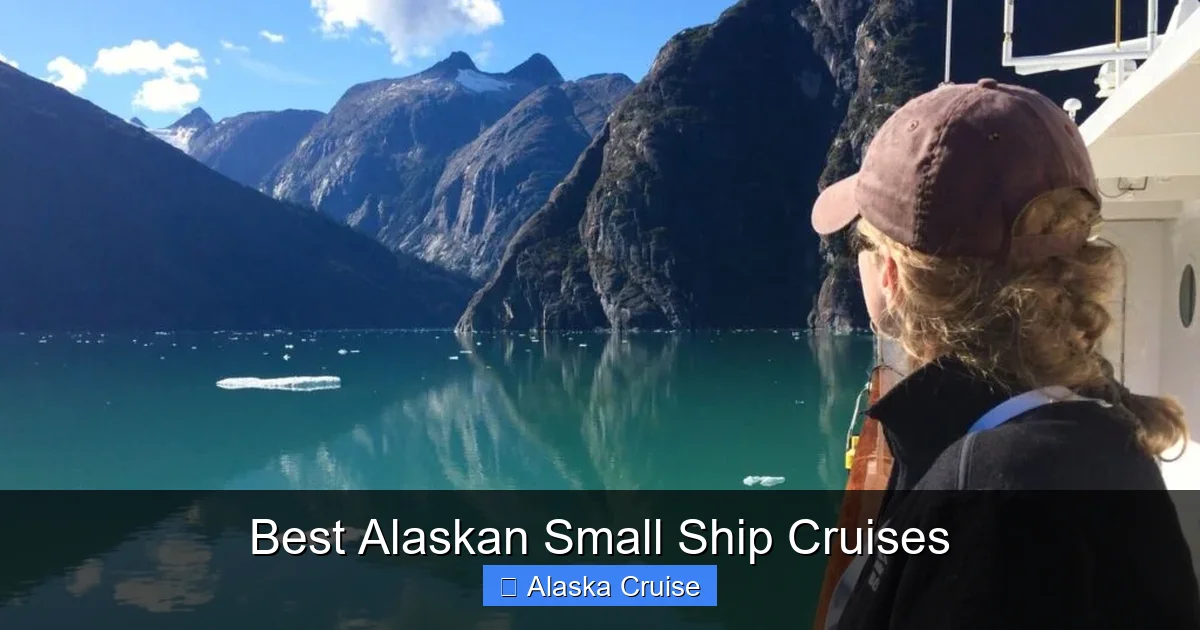
Visual guide about Best Alaskan Small Ship Cruises
Image source: riversandoceans.com
Not all small ship cruises are created equal. Some focus on luxury, others on adventure, and a few on a blend of both. Here are some of the best operators offering unforgettable Alaskan journeys.
UnCruise Adventures
UnCruise is a pioneer in small ship travel, known for its adventurous spirit and eco-conscious approach. Their fleet includes vessels like the *Safari Quest* and *Wilderness Explorer*, which carry just 60–84 passengers. Itineraries often include kayaking, hiking, and snorkeling, with a strong emphasis on wildlife and cultural immersion.
One standout feature is their “UnCruise Guarantee”—if you don’t see a whale, bear, or glacier on your trip, you get a $100 credit. While it’s rare to claim it, the promise speaks to their confidence in delivering unforgettable experiences. UnCruise also offers family-friendly voyages and solo traveler programs, making them a great choice for a wide range of adventurers.
Lindblad Expeditions – National Geographic
In partnership with National Geographic, Lindblad Expeditions offers some of the most educational and visually stunning cruises in Alaska. Their ships, like the *National Geographic Sea Bird* and *National Geographic Quest*, are equipped with cutting-edge technology, including underwater cameras and hydrophones to listen to whale songs.
Guests benefit from a team of experts—photographers, marine biologists, and historians—who lead excursions and share insights throughout the voyage. Their itineraries often include visits to remote communities, such as the Tlingit village of Hoonah, where guests can participate in traditional ceremonies or learn about totem pole carving.
American Queen Voyages (formerly Victory Cruise Lines)
American Queen Voyages offers a more traditional cruise experience with a focus on comfort and history. Their ship, the *Victory I*, carries up to 186 passengers and features spacious cabins, a full-service spa, and multiple dining venues. While not as rugged as some expedition ships, it’s ideal for travelers who want adventure without sacrificing luxury.
Their Alaska itineraries often include stops in historic towns like Wrangell and Petersburg, where guests can explore museums, visit local markets, or take scenic train rides. The ship also offers themed cruises, such as “Alaska’s Gold Rush” or “Wildlife & Wilderness,” tailored to specific interests.
Alaska Dream Cruises
Based in Sitka, Alaska Dream Cruises operates a fleet of three small ships that explore the state’s lesser-known regions. Their vessels, like the *Alaska Dream* and *Spirit of Discovery*, carry 60–100 passengers and focus on remote, culturally rich destinations.
One unique offering is their “Inside Passage & Glacier Bay” itinerary, which includes a full day in Glacier Bay National Park with a park ranger on board. They also offer extended voyages to the Aleutian Islands, a region rarely visited by cruise ships. With a strong commitment to local hiring and community engagement, Alaska Dream Cruises provides an authentic Alaskan experience.
Silversea Expeditions
For travelers seeking ultra-luxury, Silversea offers all-inclusive small ship cruises with a focus on elegance and exclusivity. Their ships, like the *Silver Wind* and *Silver Explorer*, carry up to 144 guests and feature butler service, fine dining, and spacious suites with private verandas.
Silversea’s Alaska itineraries are designed for discerning travelers who want comfort without compromising on adventure. Excursions include Zodiac landings, guided hikes, and cultural visits, all led by expert guides. The line also offers private jet packages, allowing guests to fly directly to remote destinations like Ketchikan or Juneau.
What to Expect on an Alaskan Small Ship Cruise
Every small ship cruise is unique, but there are some common elements you can expect regardless of the operator. From the moment you board, you’ll notice the relaxed, intimate atmosphere. There’s no formal dress code, no crowded buffets, and no long waits for activities. Instead, you’ll enjoy a seamless blend of adventure and comfort.
Daily Itinerary and Activities
A typical day might start with a wake-up call from the captain announcing a whale sighting near the ship. After a hearty breakfast featuring fresh-baked pastries and locally roasted coffee, you’ll head out on a Zodiac for a guided exploration of a glacial lagoon. Later, you might hike through a temperate rainforest with a naturalist, learning about mosses, ferns, and the elusive Sitka black-tailed deer.
In the afternoon, the ship might anchor near a remote beach for a picnic lunch, followed by kayaking or paddleboarding. Evenings are often spent attending a lecture, enjoying a cocktail on the sundeck, or dining on Alaskan king crab paired with a Washington State wine. Many ships also offer evening entertainment, such as live music or storytelling.
Cabin Accommodations
Cabins on small ships vary widely, from cozy interior rooms to spacious suites with private balconies. Most feature large windows or portholes, ensuring you never miss a view. Amenities typically include plush bedding, en-suite bathrooms with heated floors, and complimentary Wi-Fi (though connectivity can be limited in remote areas).
Some ships, like those operated by Silversea, offer butler service and in-room dining, while others, like UnCruise, focus on simplicity and functionality. Regardless of the level of luxury, the emphasis is on comfort and connection to the outdoors.
Dining and Culinary Experiences
Food is a highlight on small ship cruises. Menus often feature regional specialties like smoked salmon, reindeer sausage, and wild blueberry desserts. Many ships source ingredients locally, partnering with fishermen, farmers, and Indigenous producers.
Dining is typically included in the fare, with multiple venues offering everything from casual buffets to fine dining. Some ships also host special events, such as a beach barbecue with live music or a chef’s table experience with a multi-course tasting menu. Dietary restrictions are usually accommodated with advance notice.
Best Time to Take an Alaskan Small Ship Cruise
Timing is everything when it comes to Alaska. The cruise season runs from May to September, with each month offering a unique experience.
May and June: Spring Awakening
Early season cruises offer fewer crowds, lower prices, and the chance to see newborn wildlife. Bears emerge from hibernation, birds return from migration, and wildflowers begin to bloom. However, some ports may still be closed due to ice, and weather can be unpredictable.
July and August: Peak Season
These are the most popular months, with long daylight hours, mild weather, and abundant wildlife. Whales are frequently spotted, glaciers are actively calving, and hiking trails are fully accessible. However, prices are higher, and ships often sell out months in advance.
September: Fall Colors and Quiet Beauty
Late-season cruises offer stunning fall foliage, fewer tourists, and a more intimate experience. Wildlife is still active, and the chance of seeing the Northern Lights increases as nights grow longer. Some ships also offer special “shoulder season” itineraries with discounted rates.
Tips for Choosing the Right Small Ship Cruise
With so many options, selecting the right cruise can feel overwhelming. Here are some practical tips to help you make the best choice.
Consider Your Travel Style
Are you looking for luxury, adventure, or a mix of both? If you prefer comfort and fine dining, Silversea or American Queen Voyages might be ideal. If you’re an outdoor enthusiast, UnCruise or Lindblad Expeditions will offer more hands-on activities.
Check the Itinerary
Not all small ship cruises visit the same places. Some focus on the Inside Passage, while others venture into the Gulf of Alaska or the Aleutian Islands. Look for itineraries that include your must-see destinations, such as Glacier Bay, Tracy Arm, or the Kenai Fjords.
Review Inclusions
Many small ship cruises are all-inclusive, covering meals, beverages, excursions, and gratuities. Others operate on a semi-inclusive basis, with some extras charged separately. Be sure to compare what’s included to avoid unexpected costs.
Read Reviews and Ask Questions
Websites like Cruise Critic, TripAdvisor, and the cruise line’s own guest reviews can provide valuable insights. Don’t hesitate to contact the cruise line directly with questions about cabin size, accessibility, or dietary options.
Book Early
Popular small ship cruises, especially those with National Geographic or luxury branding, often sell out a year or more in advance. Booking early ensures you get your preferred cabin and itinerary.
Sustainable and Responsible Travel in Alaska
As tourism grows in Alaska, so does the need for responsible travel practices. Small ship cruises are generally more sustainable than large vessels, but it’s still important to choose operators committed to environmental and cultural stewardship.
Look for lines that follow the guidelines of the Alaska Travel Industry Association (ATIA) or the Global Sustainable Tourism Council (GSTC). These include minimizing waste, supporting local economies, and respecting Indigenous cultures.
Many small ships also offer opportunities for guests to participate in conservation efforts, such as beach cleanups or citizen science projects. By traveling mindfully, you can help preserve Alaska’s natural beauty for future generations.
Conclusion
An Alaskan small ship cruise is more than a vacation—it’s a journey into one of the world’s last great wildernesses. With intimate access to remote landscapes, personalized service, and a focus on adventure and sustainability, these voyages offer an unparalleled way to experience the Last Frontier.
Whether you’re watching a glacier calve into the sea, kayaking beside a pod of orcas, or sharing stories with a Tlingit elder, the memories you create will last a lifetime. So pack your binoculars, bring your sense of wonder, and get ready to explore Alaska like never before.
Frequently Asked Questions
What is the best time of year for an Alaskan small ship cruise?
The best time is typically July and August, when weather is mild, wildlife is abundant, and daylight hours are long. However, May and September offer fewer crowds and unique seasonal beauty.
Are small ship cruises suitable for families?
Yes, many small ship lines like UnCruise and American Queen Voyages offer family-friendly itineraries with kid-focused activities, educational programs, and intergenerational excursions.
Do I need to be physically fit to go on a small ship cruise?
While some activities like hiking and kayaking require moderate fitness, most ships offer a range of options. Staff can help tailor excursions to your ability level.
What should I pack for an Alaskan small ship cruise?
Pack layers, waterproof gear, sturdy walking shoes, binoculars, and a camera. Don’t forget motion sickness remedies and any personal medications.
Are small ship cruises more expensive than large cruise ships?
Generally, yes—small ship cruises often cost more due to personalized service, all-inclusive amenities, and limited capacity. However, the experience is typically more immersive and luxurious.
Can I see the Northern Lights on an Alaskan cruise?
It’s rare during the summer cruise season due to nearly 24-hour daylight. However, late-season cruises in September may offer a chance to see the aurora borealis on clear, dark nights.