
Looking for the best Alaskan day cruise? These short but unforgettable trips offer close-up views of glaciers, whales, and rugged coastlines—all in a single day. Whether you’re on a tight schedule or just want a taste of Alaska’s wild beauty, a day cruise delivers big thrills with minimal time commitment.
Key Takeaways
- Glacier viewing is a top highlight: Many day cruises sail near massive tidewater glaciers, offering front-row seats to calving ice and thunderous splashes.
- Wildlife sightings are common: Expect to see humpback whales, orcas, sea lions, puffins, and bald eagles in their natural habitat.
- Depart from major ports: Popular departure points include Juneau, Skagway, Ketchikan, and Seward, each offering unique routes and scenery.
- Half-day and full-day options available: Choose based on your schedule—some trips last 3 hours, others up to 8 hours with meals included.
- Book in advance for best availability: Summer months (May–September) are peak season, so early reservations ensure your spot.
- Layer up and bring binoculars: Weather can change quickly; dress in layers and pack optics for better wildlife viewing.
- Eco-friendly tours are growing: Many operators now follow sustainable practices to protect Alaska’s fragile ecosystems.
📑 Table of Contents
Why Choose an Alaskan Day Cruise?
Alaska is a land of extremes—towering mountains, icy fjords, and wildlife that roams free. But not everyone has weeks to explore it all. That’s where the best Alaskan day cruise comes in. These compact adventures pack a powerful punch, delivering glacier views, marine wildlife, and coastal beauty in just a few hours. Whether you’re docking in Alaska for a single day during a cruise or planning a short land-and-sea trip, a day cruise is your golden ticket to experiencing the state’s wild heart.
Unlike longer voyages, day cruises are accessible, affordable, and flexible. You don’t need to commit to a multi-day itinerary or spend thousands of dollars. Instead, you can hop on a boat in the morning and return by evening, often with time to explore the port town afterward. These trips are perfect for families, couples, solo travelers, and even business groups looking for a memorable team-building experience. And because they operate from major cruise ports, they’re easy to add to your itinerary—no extra flights or long drives required.
What makes a day cruise truly special is the intimacy of the experience. Smaller vessels get closer to wildlife and glaciers than massive cruise ships, giving you unobstructed views and photo opportunities. Plus, many tours are led by knowledgeable naturalists who share fascinating insights about Alaska’s ecosystems, geology, and native cultures. You’ll leave not just with stunning photos, but with a deeper appreciation for this remarkable corner of the world.
Top Destinations for the Best Alaskan Day Cruise
Alaska’s coastline is vast and varied, but some ports stand out as launch points for the best day cruises. Each offers a unique flavor of Alaskan adventure, from icy fjords to lush rainforests. Here are the top four departure cities and what makes their cruises special.
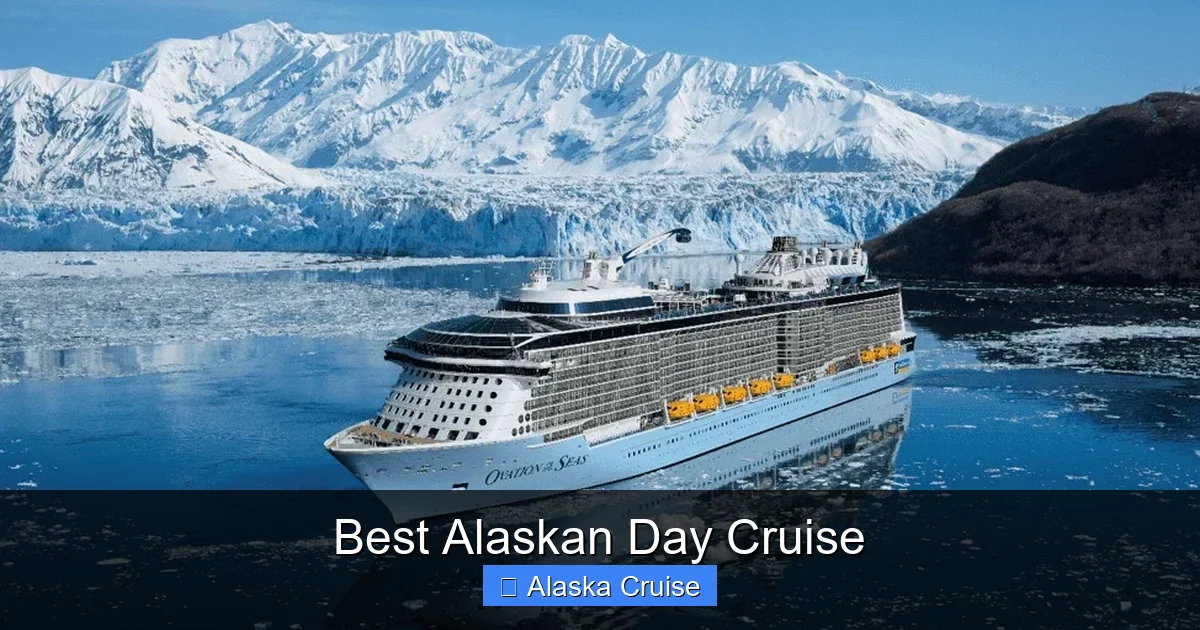
Visual guide about Best Alaskan Day Cruise
Image source: cruiseradio.net
Juneau: Gateway to Glacier Bay and Whale Watching
As Alaska’s capital city, Juneau is a favorite stop for cruise ships—and for good reason. It’s surrounded by water, mountains, and wildlife, making it an ideal base for day cruises. The most popular route heads toward Stephens Passage, a marine highway teeming with humpback whales from May through September. Many tours guarantee whale sightings, and some even use hydrophones so you can hear their songs underwater.
Another highlight is a visit to the Mendenhall Glacier, just 12 miles from downtown. While you can see it from land, a boat tour offers a different perspective—sailing along the edge of the ice field and learning how climate change is affecting glacial retreat. Some cruises also include a stop at the Alaska State Museum’s Whale Exhibit or a short hike to Nugget Falls, where meltwater cascades down beside the glacier.
One standout operator is Alaska Sea Adventures, which offers a 5.5-hour “Glacier & Wildlife Quest.” Their boats are equipped with heated cabins, large viewing windows, and open decks for fresh air. They’re also committed to sustainability, using low-emission engines and supporting local conservation efforts.
Skagway: Fjords, Gold Rush History, and Glacier Views
Skagway may be small, but it packs a big punch. This historic gold rush town sits at the head of the Taiya Inlet, a narrow fjord flanked by steep cliffs and waterfalls. Day cruises here often combine natural beauty with a touch of history, sailing past abandoned mining sites and old railroad trestles.
The star of the show is the Davidson Glacier, a massive river of ice that calves into the sea. Unlike tidewater glaciers that drop directly into the ocean, Davidson Glacier flows into a lake before reaching the inlet, creating a serene setting for kayaking or paddleboarding add-ons. Some tours even offer a “glacier trek” where you can walk on the ice with crampons—just remember to dress warmly!
For a more relaxed experience, try the Skagway Day Cruise by Major Marine Tours. Their 4.5-hour trip includes narration about the Klondike Gold Rush, live music, and complimentary coffee and pastries. It’s a great option if you’re traveling with kids or prefer a slower pace.
Ketchikan: Rainforests, Totem Poles, and Salmon Runs
Known as the “Salmon Capital of the World,” Ketchikan is a lush, green paradise where rainforests meet the sea. Day cruises here focus on the Misty Fjords National Monument, a dramatic landscape of sheer cliffs, waterfalls, and untouched wilderness. The fjords were carved by glaciers over thousands of years, and today they’re home to black bears, eagles, and sea otters.
One of the best ways to experience Misty Fjords is by boat. The Ketchikan Day Cruise by Alaska Shore Excursions takes you deep into the monument, where you’ll glide beneath 3,000-foot cliffs and spot cascading waterfalls that seem to appear out of nowhere. Some tours include a short flightseeing segment, giving you a bird’s-eye view of the fjords before landing back on the water.
Ketchikan is also rich in Native culture. Many cruises stop at Totem Bight State Historical Park, where you can see restored totem poles and learn about the Tlingit, Haida, and Tsimshian peoples. Some operators even offer cultural performances or craft demonstrations onboard.
Seward: Gateway to Kenai Fjords National Park
If glaciers are your main goal, Seward is the place to be. This small fishing town on the Kenai Peninsula is the gateway to Kenai Fjords National Park, home to over 30 glaciers and some of the best marine wildlife viewing in Alaska. Day cruises here often last 6–8 hours, giving you plenty of time to explore.
The most popular route heads to Aialik Glacier, a towering tidewater glacier that calves frequently, sending icebergs crashing into the sea. The sound is thunderous—like a freight train in the distance. You’ll also pass through Resurrection Bay, where sea otters float on their backs and puffins dart through the water.
One top-rated option is the Kenai Fjords Tours “Glacier & Wildlife Cruise.” Their boats are designed for comfort and safety, with heated cabins, restrooms, and large outdoor decks. They also use hydrophones to listen for whale vocalizations and provide waterproof gear if you want to get closer to the water.
What to Expect on the Best Alaskan Day Cruise
No two day cruises are exactly alike, but most follow a similar pattern. Here’s what you can typically expect from start to finish—and how to make the most of your time on the water.
Pre-Cruise Preparation
Arrive at the dock at least 30 minutes before departure. Most tours require check-in, waivers, and a safety briefing. Bring your ticket (digital or printed), ID, and any confirmation emails. Some operators offer shuttle service from nearby hotels or cruise terminals—check in advance to see if it’s available.
Dress in layers. Even in summer, Alaska’s coastal weather can be cool and windy, especially on the water. A waterproof jacket, warm base layer, hat, and gloves are essential. Non-slip shoes are a must—decks can get wet and slippery. Don’t forget sunscreen and sunglasses; the sun reflects off the water and ice, increasing UV exposure.
Onboard Experience
Once aboard, you’ll be directed to your seat or deck area. Larger boats may have assigned seating, while smaller vessels are more casual. Most cruises provide complimentary beverages—coffee, tea, hot chocolate—and some include light snacks or meals. Full-day tours often serve a buffet lunch, while half-day trips may offer just cookies or fruit.
Naturalists or guides will give live commentary throughout the trip, pointing out landmarks, wildlife, and geological features. They’ll also answer questions and share fun facts—like how glaciers form or why humpback whales breach. Some tours use screens to show underwater footage or real-time sonar images of the seafloor.
Photography is encouraged, but be respectful. Avoid using flash near wildlife, and keep a safe distance from animals. Many boats have designated photo zones on the bow or stern for the best shots.
Wildlife and Glacier Encounters
The main event is, of course, the wildlife and glaciers. Most cruises guarantee at least one major sighting—whether it’s a whale spout, a glacier calving, or a sea lion haul-out. Guides use binoculars and spotting scopes to locate animals, and they’ll slow the boat for closer views.
Remember: wildlife is unpredictable. While sightings are common, they’re never guaranteed. That said, Alaska’s marine ecosystems are so rich that even “quiet” days offer stunning scenery and peaceful moments on the water.
Return and Post-Cruise
After 3 to 8 hours, you’ll return to the dock. Some tours end with a short walk back to your ship or hotel, while others offer shuttle service. Use this time to review your photos, grab a snack, or explore the port town. Many visitors combine their cruise with a visit to a local museum, a hike, or a seafood dinner.
Tips for Choosing the Best Alaskan Day Cruise
With so many options, how do you pick the right one? Here are some practical tips to help you choose a cruise that fits your interests, budget, and schedule.
Consider the Duration
Day cruises range from 2.5 to 8 hours. Half-day trips (3–4 hours) are great if you’re short on time or traveling with young children. Full-day cruises (6–8 hours) offer more time for exploration, meals, and extended wildlife viewing. If you’re prone to seasickness, start with a shorter trip to test the waters.
Check the Itinerary
Not all cruises visit the same places. Some focus on glaciers, others on whales or fjords. Read the description carefully to see what’s included. Look for keywords like “guaranteed whale sightings,” “glacier calving,” or “kayaking add-on.” If a tour mentions “scenic cruising” without specifics, it may be less focused on wildlife.
Read Reviews and Ratings
Check platforms like TripAdvisor, Viator, or GetYourGuide for honest feedback. Look for comments about guide knowledge, boat comfort, wildlife sightings, and value for money. Pay attention to recent reviews—conditions and operations can change.
Compare Prices and Inclusions
Prices vary widely, from $100 to $300 per person. Cheaper tours may have smaller boats, fewer amenities, or less experienced guides. More expensive options often include meals, transportation, and expert naturalists. Decide what’s most important to you—comfort, education, or budget.
Book in Advance
Summer is peak season, and popular tours sell out quickly—especially in Juneau and Seward. Book at least 2–4 weeks ahead, or even earlier if you’re traveling during July or August. Some cruise lines offer pre-booked excursions, which can save time but may be less flexible.
Ask About Cancellation Policies
Weather can cancel cruises, especially in shoulder seasons (May and September). Choose operators with flexible policies—ideally, full refunds or rescheduling if the trip is canceled due to weather. Avoid non-refundable bookings unless you’re confident in your plans.
Sustainable and Responsible Cruising
Alaska’s ecosystems are fragile, and tourism can have an impact. The best Alaskan day cruise operators are committed to sustainability and responsible practices. Here’s what to look for—and how you can help.
Eco-Certifications and Practices
Some companies are certified by organizations like Green Alaska or Seafood Watch, which promote environmental stewardship. Look for tours that use low-emission engines, reduce single-use plastics, and support local conservation projects. Many also follow “Leave No Trace” principles and educate passengers about protecting wildlife.
Wildlife Viewing Guidelines
Responsible operators follow strict guidelines to avoid disturbing animals. This includes maintaining a safe distance (at least 100 yards from whales), avoiding sudden movements, and not feeding wildlife. Guides are trained to recognize stress signals in animals and will adjust the boat’s speed or direction if needed.
Supporting Local Communities
Choose tours owned or operated by Alaskans. Local businesses are more likely to reinvest in the community and preserve cultural heritage. Many Indigenous-owned tours offer authentic experiences, from traditional storytelling to native cuisine.
What You Can Do
As a passenger, you can make a difference. Bring a reusable water bottle, avoid single-use plastics, and follow all onboard rules. Share your experience responsibly on social media—avoid geotagging sensitive wildlife locations, and encourage others to travel sustainably.
Final Thoughts: Is a Day Cruise Worth It?
Absolutely. The best Alaskan day cruise offers a powerful, immersive experience that captures the essence of Alaska in just a few hours. You’ll see things most people only dream of—glaciers calving, whales breaching, and untouched wilderness stretching to the horizon. And you’ll do it all without the time or cost of a full cruise.
Whether you’re a first-time visitor or a seasoned traveler, a day cruise is a must-do. It’s educational, exciting, and deeply memorable. Just remember to plan ahead, dress appropriately, and choose a reputable operator. With the right preparation, your Alaskan day cruise will be the highlight of your trip—and a story you’ll tell for years to come.
Frequently Asked Questions
What is the best time of year for an Alaskan day cruise?
The best time is from late May to early September, when weather is milder and wildlife is most active. July and August offer the warmest temperatures and longest daylight hours, but also the most crowds.
Are day cruises safe for children?
Yes, most day cruises are family-friendly and safe for children ages 5 and up. Life jackets are provided, and many boats have enclosed cabins. Check with the operator for age restrictions and child pricing.
Can I get seasick on a day cruise?
It’s possible, especially in rough waters. Choose a larger, stable boat and sit in the middle where motion is less pronounced. Over-the-counter motion sickness medication can help—take it 30 minutes before departure.
Do I need to bring my own food?
Most full-day cruises include meals or snacks. Half-day trips may only offer beverages. Check the tour description or contact the operator to confirm what’s provided.
What if the weather cancels the cruise?
Reputable operators will reschedule or refund your trip if weather conditions are unsafe. Always check the cancellation policy before booking.
Can I see glaciers and whales on the same trip?
Yes! Many day cruises in Juneau, Seward, and Skagway offer both glacier viewing and whale watching. These combo tours are among the most popular and rewarding.