best alaskan cruise to see whales is an essential topic that provides valuable insights and practical knowledge for anyone interested in learning more about this subject.
Key Takeaways
- Choose summer months: Whale sightings peak June through August in Alaska.
- Opt for smaller ships: They access remote areas with higher whale activity.
- Prioritize expert guides: Naturalists enhance spotting and learning opportunities.
- Select routes near Glacier Bay: Prime whale feeding grounds attract diverse species.
- Book early for best cabins: Popular whale-watching cruises fill up fast.
- Bring binoculars and camera: Essential for capturing distant whale sightings.
📑 Table of Contents
- Best Alaskan Cruise to See Whales
- Why Alaska Is the Ultimate Whale-Watching Destination
- Best Time to Cruise for Whale Sightings
- Top Cruise Lines for Whale Watching in Alaska
- Must-Visit Ports and Routes for Whale Encounters
- What to Bring and How to Prepare
- Whale Species You Might See (And What to Look For)
- Final Thoughts: Choosing Your Perfect Whale Cruise
Best Alaskan Cruise to See Whales
There’s something truly magical about standing on the deck of a ship, binoculars in hand, scanning the icy blue waters of Alaska as a massive humpback whale breaches just 50 yards away. The spray glistens in the sun, the deep, resonant call echoes across the fjord, and for a moment, time stops. If you’ve ever dreamed of seeing whales in their natural habitat—majestic, wild, and unscripted—then an Alaskan cruise might just be the adventure of a lifetime.
But not all Alaskan cruises are created equal when it comes to whale watching. Some routes hug the coastlines where marine life thrives, while others zip through open water with fewer sightings. Timing, ship size, itinerary, and even the expertise of the onboard naturalists can make or break your chance to witness these gentle giants up close. Whether you’re hoping to spot orcas slicing through the waves, humpbacks performing acrobatic flips, or even the elusive gray whale migrating along the coast, choosing the right cruise is key.
In this guide, I’ll walk you through everything you need to know to pick the best Alaskan cruise to see whales—from the prime seasons and top routes to insider tips that’ll boost your odds of a once-in-a-lifetime encounter. Think of this as the friend who’s been there, done that, and is now sharing their hard-earned wisdom so you don’t miss a single splash.
Why Alaska Is the Ultimate Whale-Watching Destination
Alaska isn’t just a beautiful backdrop for your vacation photos—it’s a thriving marine ecosystem that supports some of the most abundant whale populations in the world. From May through September, the nutrient-rich waters of the North Pacific come alive with food, drawing in whales from thousands of miles away. The combination of cold currents, glacial runoff, and an explosion of plankton creates a buffet that fuels the entire food chain—from tiny krill to 40-ton humpbacks.

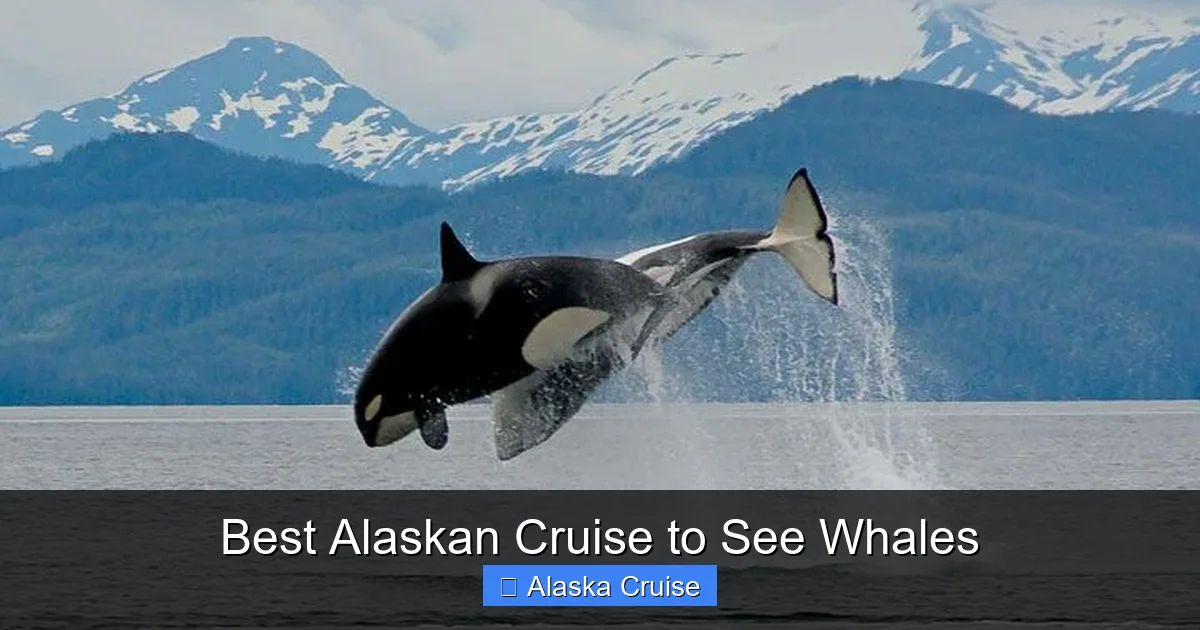
Visual guide about Best Alaskan Cruise to See Whales
Image source: s-media-cache-ak0.pinimg.com
What makes Alaska truly special is the diversity of whale species you can encounter. Unlike tropical destinations where you might see one or two types, Alaska offers a rotating cast of marine celebrities throughout the summer. Humpback whales are the stars of the show, known for their playful breaches and complex songs. Orcas, or killer whales, patrol the waters in tight-knit pods, especially near the Inside Passage. Gray whales migrate through in spring and fall, while minke and fin whales make occasional appearances. Even the rare blue whale has been spotted in recent years—though spotting one is like winning the whale-watching lottery.
The Science Behind the Sightings
Whales are drawn to Alaska for one main reason: food. During the short but intense summer, the region’s waters bloom with zooplankton, small fish, and squid. Humpbacks, for example, can consume up to 3,000 pounds of food per day during feeding season. They use a technique called “bubble net feeding,” where a group of whales blows bubbles in a circle to corral fish, then lunges upward with mouths wide open. Watching this behavior from a ship is nothing short of spectacular.
Another factor is the geography. Alaska’s coastline is deeply indented with fjords, inlets, and narrow channels—perfect for concentrating marine life. Places like Icy Strait, Frederick Sound, and Stephens Passage are known as “whale highways” because they funnel migrating whales into predictable paths. Cruise ships that navigate these areas during peak feeding times dramatically increase your chances of sightings.
Real-World Example: A Humpback Hotspot
Take Icy Strait, near the town of Hoonah. This area is so reliable for whale watching that local tour operators boast a 95% sighting rate in July and August. I remember one morning on a small expedition vessel when we spotted over a dozen humpbacks in just two hours. One whale even surfaced right beside the boat, its barnacle-covered head rising slowly from the water like something out of a nature documentary. The naturalist on board explained that this area is a favorite feeding ground because the tidal currents push krill and small fish into dense patches—making it a whale’s version of an all-you-can-eat buffet.
Best Time to Cruise for Whale Sightings
Timing is everything when it comes to whale watching in Alaska. While cruises run from May to September, the peak whale activity shifts throughout the season. Understanding these patterns can help you choose the best month for your trip.
May and early June are ideal for spotting migrating gray whales as they move north from Baja California. These gentle giants travel in small groups, often close to shore, making them easier to see from smaller ships or kayaks. It’s also a great time to catch the tail end of the orca migration, especially in the waters around Ketchikan and Juneau.
July and August are the golden months for humpback whales. This is when they’re most active, feeding heavily to build up fat reserves for their winter migration. The weather is also more stable, with longer daylight hours and calmer seas. If your goal is to see breaching, tail slapping, and bubble net feeding, aim for a cruise during these months.
September brings a different kind of magic. The crowds thin out, the fall colors begin to paint the landscape, and the whales are still around—though they’re starting to prepare for their journey south. You might also catch the rare chance to see a blue whale or a pod of transient orcas hunting seals near the coast.
Weather and Sea Conditions
It’s worth noting that Alaska’s weather can be unpredictable, even in summer. July and August offer the best chance of calm seas and clear skies, which not only make for better whale watching but also more comfortable cruising. Earlier in the season, you might encounter choppier waters, especially in the open stretches between ports. If you’re prone to seasickness, consider a mid-summer departure and choose a larger ship, which tends to handle waves more smoothly.
Insider Tip: Book Around the Full Moon
Here’s a little-known secret: some naturalists believe that whale activity increases around the full moon. The theory is that the stronger tides stir up more plankton, which attracts more fish, which in turn draws in more whales. While there’s no scientific proof, several cruise guests I’ve spoken to reported especially active whale sightings during full moon weeks. It’s not a guarantee, but it’s a fun factor to consider when planning your trip.
Top Cruise Lines for Whale Watching in Alaska
Not all cruise lines are equally equipped for whale watching. Some prioritize luxury and entertainment, while others focus on wildlife and education. If seeing whales is your top priority, here are the cruise lines that consistently deliver.
UnCruise Adventures stands out as a leader in small-ship, expedition-style cruising. Their vessels carry fewer than 100 passengers, allowing them to navigate narrow channels and remote areas where larger ships can’t go. They employ marine biologists as onboard naturalists who lead daily whale-watching sessions, share fascinating facts, and even use hydrophones to let you hear whale songs underwater. Their itineraries often include stops in Icy Strait, Glacier Bay, and the Tongass National Forest—prime whale territory.
Lindblad Expeditions, in partnership with National Geographic, offers a similar experience with a strong educational focus. Their ships are equipped with high-tech tools like underwater cameras and remote-operated vehicles (ROVs) to study marine life without disturbing it. They also have a strong commitment to sustainability, which resonates with eco-conscious travelers. Their Alaska itineraries are designed around wildlife hotspots, and their expert guides know exactly where to look for whales.
Holland America Line strikes a nice balance between comfort and wildlife access. Their mid-sized ships (around 1,400 passengers) are large enough to offer stability and amenities but small enough to visit key whale-watching areas like Tracy Arm and Endicott Arm. They offer daily naturalist talks and have a strong partnership with the Glacier Bay National Park, where whale sightings are common. Plus, their longer itineraries (7–14 days) give you more time in prime whale zones.
Princess Cruises is another solid choice, especially for first-time cruisers. Their ships are larger, which means more onboard activities and dining options, but they still make strategic stops in whale-rich areas. Their “North to Alaska” program includes expert-led wildlife presentations and even a “Whale Alert” system that notifies passengers when sightings occur. Their Glacier Bay itinerary is particularly strong for humpback and orca sightings.
Small Ship vs. Large Ship: Which Is Better?
This is one of the most common questions I get. The answer depends on your priorities. Small ships (under 200 passengers) offer intimacy, flexibility, and access to remote areas. You can get closer to the action, and the crew often has more time to engage with guests. However, they may lack amenities like multiple dining rooms, pools, or Broadway-style shows.
Large ships offer more comfort and entertainment, which can be a big plus if you’re traveling with family or prefer a more traditional cruise experience. The trade-off is that they can’t always enter the narrowest fjords or linger as long in whale hotspots. That said, many large ships now partner with local whale-watching tours in port cities like Juneau and Ketchikan, giving you the best of both worlds.
Real Guest Experience: A Tale of Two Cruises
I spoke with Sarah, a traveler from Oregon, who took both a small-ship and a large-ship cruise in Alaska. On her UnCruise trip, she saw humpbacks bubble net feeding just 30 feet from the boat and even heard their songs through a hydrophone. “It felt like we were part of the experience,” she said. On her Princess cruise a year later, she enjoyed the comfort and variety but noted that whale sightings were less frequent and more distant. “It was still amazing,” she admitted, “but I missed the closeness of the small ship.”
Must-Visit Ports and Routes for Whale Encounters
The route your cruise takes can make all the difference in your whale-watching success. Some ports are famous for their marine life, while others are more about scenery or culture. Here are the top stops to look for on your itinerary.
Juneau is a whale-watching mecca. Located in the heart of the Inside Passage, it’s a gateway to Stephens Passage and Auke Bay—both known for frequent humpback and orca sightings. Many cruise lines offer optional whale-watching tours here, where you’ll board a small boat and head out with a local guide. I recommend booking one of these tours even if your ship doesn’t linger long in port. The guides know the best spots and often get you closer to the action than the cruise ship can.
Ketchikan, the “Salmon Capital of the World,” is another hotspot. The waters around Misty Fjords and Tongass Narrows are rich with marine life. Orcas are especially common here, often seen hunting salmon near the shore. Some cruises offer a “whale and wildlife” excursion that combines a boat tour with a visit to a native cultural center—perfect for a full-day adventure.
Glacier Bay National Park is a must-see, not just for the glaciers but for the whales. The park’s protected waters attract humpbacks, orcas, and even harbor porpoises. Cruise ships slow down here to comply with park regulations, giving you more time to scan the horizon. The silence of the bay, broken only by the crack of calving ice and the blow of a whale, is unforgettable.
Icy Strait Point, near Hoonah, is a hidden gem. This private destination is owned by the local Tlingit community and offers some of the best whale-watching in Alaska. Their 90-minute boat tours have a near-perfect sighting record, and the guides share fascinating stories about Tlingit culture and the spiritual significance of whales. It’s a more authentic and intimate experience than the typical port stop.
Sample Itinerary: A Whale-Watcher’s Dream
Here’s a 7-day itinerary that maximizes your chances of seeing whales:
- Day 1: Depart from Seattle or Vancouver
- Day 2: At sea – morning naturalist talk on whale behavior
- Day 3: Ketchikan – optional whale-watching tour in the afternoon
- Day 4: Icy Strait Point – full-day whale and wildlife excursion
- Day 5: Glacier Bay National Park – slow cruise with frequent whale sightings
- Day 6: Juneau – morning whale-watching tour, afternoon in town
- Day 7: Return to port
This route hits all the major whale zones and includes expert-led excursions, making it one of the best Alaskan cruises to see whales.
What to Bring and How to Prepare
Even the best cruise won’t guarantee whale sightings if you’re not prepared. Here’s how to set yourself up for success.
First, pack the right gear. A good pair of binoculars is essential—look for 7x or 8x magnification with a wide field of view. I recommend something compact and waterproof, like the Nikon Monarch M5. Don’t forget a camera with a telephoto lens if you want close-up shots. Many whales surface quickly, so quick reflexes and a fast shutter speed are key.
Dress in layers. Even in summer, Alaska’s weather can shift from sunny to foggy in minutes. A waterproof jacket, warm hat, and gloves are must-haves, especially on deck during early morning or evening watches. I learned this the hard way when I got caught in a sudden downpour during a whale tour—lesson learned!
Bring motion sickness remedies if you’re prone to seasickness. Ginger chews, wristbands, or over-the-counter medications can make a big difference. Smaller ships tend to rock more, so if you’re sensitive, consider a mid-ship cabin on a larger vessel.
How to Maximize Your Chances
Be an early riser. Whales are often most active in the morning, especially during feeding times. Many cruise lines offer “whale watches” at sunrise, and while it means an early wake-up call, it’s worth it for the quiet waters and higher activity.
Stay alert and scan the horizon. Whales can appear anywhere, and they often surface without warning. Look for blows (the puff of water vapor), dorsal fins, or splashes. Naturalists will point out signs, but the more eyes scanning, the better.
Be patient. Whale watching isn’t like a zoo visit—there’s no guarantee. But the anticipation is part of the thrill. Some of my best memories are of sitting quietly on deck, sipping coffee, and waiting for that first blow to break the silence.
Whale Species You Might See (And What to Look For)
Knowing what to look for can turn a distant splash into a thrilling identification. Here’s a quick guide to the whales you’re most likely to encounter.
Humpback Whales are the stars of Alaska. They’re easily recognized by their long pectoral fins (up to one-third of their body length), knobby heads, and acrobatic behavior. Look for breaching, tail slapping, and flipper waving. Their blows are bushy and rise 10–13 feet.
Orcas (Killer Whales) are sleek and powerful, with distinctive black-and-white markings and a tall dorsal fin (up to 6 feet in males). They travel in pods and are often seen hunting. Their blows are tall and column-like.
Gray Whales are bottom feeders, so they often swim close to shore. They have a mottled gray body, no dorsal fin, and a series of bumps along their back. Their blows are heart-shaped and low.
Minke Whales are smaller and more elusive. They have a pointed snout and a dark back with a white underside. Their blows are low and hard to see.
Fin Whales are the second-largest whale species. They’re fast swimmers with a sleek body and a prominent dorsal fin. Their blows are tall and narrow.
Data Table: Whale Species in Alaska
| Species | Best Viewing Months | Common Locations | Distinctive Features |
|---|---|---|---|
| Humpback Whale | July–August | Icy Strait, Glacier Bay, Stephens Passage | Long pectoral fins, breaching, bubble net feeding |
| Orca (Killer Whale) | May–September | Ketchikan, Juneau, Frederick Sound | Black and white, tall dorsal fin, pod behavior |
| Gray Whale | May–June, September | Inside Passage, nearshore waters | Mottled gray, no dorsal fin, heart-shaped blow |
| Minke Whale | June–August | Open waters, near glaciers | Small size, pointed snout, low blow |
| Fin Whale | July–August | Deep waters, offshore | Large size, sleek body, tall blow |
Final Thoughts: Choosing Your Perfect Whale Cruise
Choosing the best Alaskan cruise to see whales isn’t just about picking a ship or a date—it’s about aligning your expectations with the right experience. If you want intimacy, education, and access to remote areas, a small-ship expedition with UnCruise or Lindblad is hard to beat. If you prefer comfort, variety, and family-friendly amenities, Holland America or Princess might be the better fit.
Remember, no cruise can guarantee whale sightings—nature doesn’t work on a schedule. But by choosing the right time, route, and cruise line, you dramatically increase your chances. And even if the whales are shy, Alaska’s glaciers, wildlife, and stunning landscapes will leave you in awe.
So pack your binoculars, charge your camera, and get ready for the adventure of a lifetime. Whether it’s a humpback launching itself into the air or an orca pod gliding silently past the bow, these moments stay with you long after the cruise ends. As someone who’s stood on that deck, heart pounding, watching a whale breach in the golden light of an Alaskan sunset, I can tell you this: it’s worth every penny.
Frequently Asked Questions
What is best alaskan cruise to see whales?
best alaskan cruise to see whales is an important topic with many practical applications and benefits.
How can best alaskan cruise to see whales help me?
Understanding best alaskan cruise to see whales can improve your knowledge and provide practical solutions.