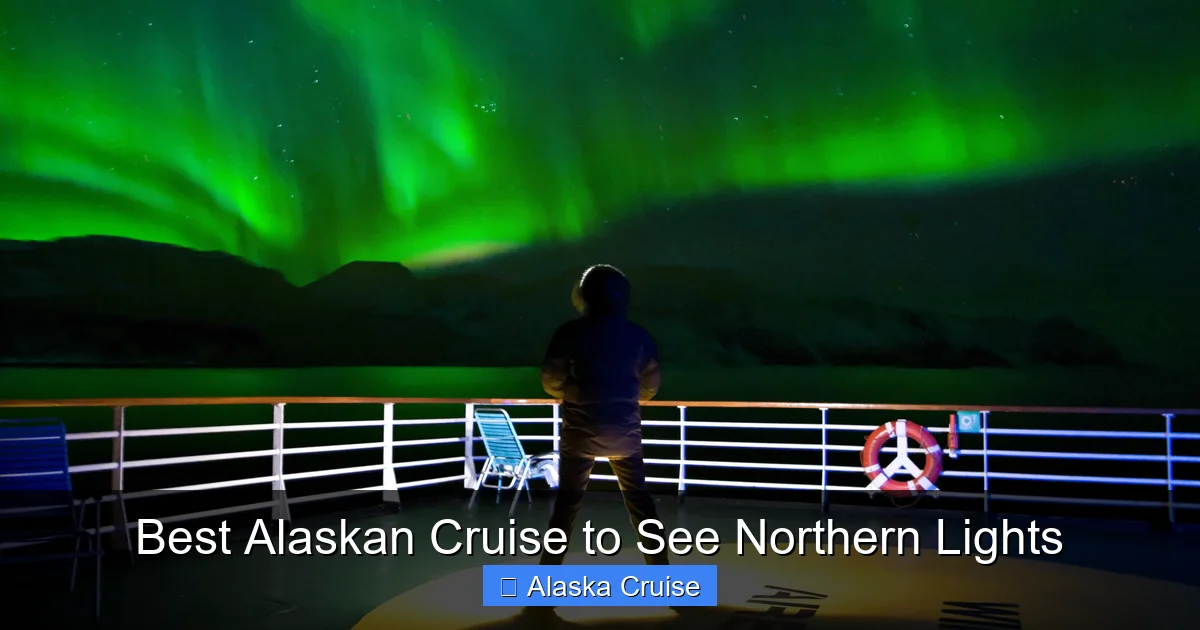
Seeing the northern lights in Alaska is a bucket-list experience, and the right cruise can dramatically boost your chances. This guide reveals the best Alaskan cruise lines, routes, and timing to maximize your aurora sightings while enjoying breathtaking coastal scenery.
Key Takeaways
- Timing is everything: The best time to see the northern lights on an Alaskan cruise is from late August to mid-April, with peak activity between September and March.
- Choose the right itinerary: Cruises that include stops in northern ports like Seward, Juneau, or Ketchikan offer better dark-sky access than southern routes.
- Opt for smaller ships: Smaller cruise vessels often navigate closer to shore and have fewer onboard lights, improving aurora visibility.
- Look for clear skies and low light pollution: Coastal Alaska’s remote areas provide ideal dark-sky conditions—avoid cloudy or urban-heavy ports.
- Pack warm gear and a good camera: Aurora viewing happens at night in cold weather—dress in layers and bring a tripod for long-exposure photos.
- Consider a land-and-sea combo: Extending your trip with a stay in Fairbanks or Denali increases your chances of seeing the lights.
- Check solar activity forecasts: Use apps like My Aurora Forecast or NOAA’s Space Weather Prediction Center to track real-time aurora activity.
📑 Table of Contents
- Why an Alaskan Cruise Is the Perfect Way to See the Northern Lights
- When Is the Best Time to See the Northern Lights in Alaska?
- Top Cruise Lines for Northern Lights Viewing in Alaska
- Best Itineraries for Northern Lights Viewing
- Tips for Maximizing Your Northern Lights Experience
- What to Expect Onboard: Amenities and Aurora Activities
- Conclusion: Your Aurora Adventure Awaits
Why an Alaskan Cruise Is the Perfect Way to See the Northern Lights
Imagine standing on the deck of a ship, wrapped in a warm blanket, as the night sky erupts in waves of green, purple, and pink light. The aurora borealis—nature’s most dazzling light show—dances above you, reflected in the calm waters of a remote Alaskan fjord. This isn’t a dream. It’s a real experience you can have on the right Alaskan cruise.
Alaska is one of the world’s premier destinations for viewing the northern lights, thanks to its high latitude, vast wilderness, and minimal light pollution. While many travelers head inland to places like Fairbanks or Coldfoot for aurora chasing, a cruise offers a unique advantage: mobility. Ships can reposition to clearer skies, and coastal routes often pass through prime aurora zones with unobstructed northern horizons.
What makes an Alaskan cruise even more special is the combination of natural wonders. You’ll witness glaciers calving into icy waters, humpback whales breaching near the ship, and towering snow-capped mountains rising from the sea. Add the ethereal glow of the aurora, and you’ve got a once-in-a-lifetime adventure. But not all cruises are created equal when it comes to northern lights viewing. The best Alaskan cruise to see northern lights isn’t just about where you go—it’s about when you go, what ship you’re on, and how prepared you are.
In this guide, we’ll walk you through everything you need to know to choose the perfect cruise for aurora hunting. From the best time of year and top cruise lines to insider tips for maximizing your chances, we’ve got you covered. Whether you’re a first-time cruiser or a seasoned traveler, this is your roadmap to witnessing the magic of the northern lights from the deck of an Alaskan cruise.
When Is the Best Time to See the Northern Lights in Alaska?
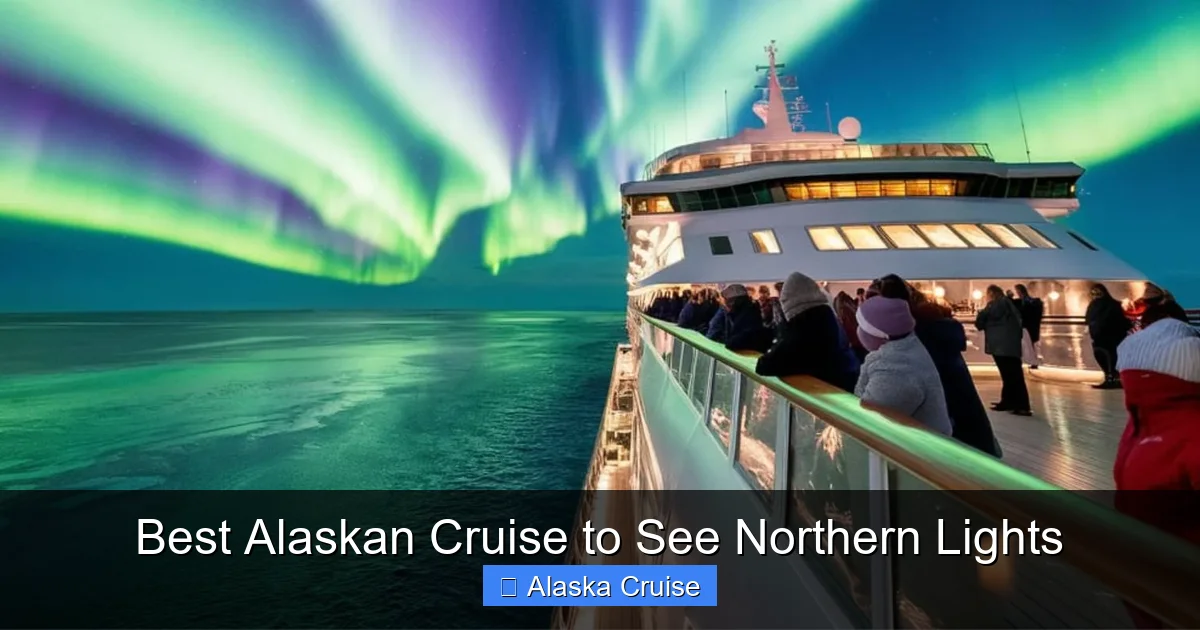
Visual guide about Best Alaskan Cruise to See Northern Lights
Image source: about2cruise.co.uk
Timing is the single most important factor when planning your Alaskan cruise to see the northern lights. Unlike summer cruises that focus on wildlife and glaciers, aurora viewing requires dark, clear nights—conditions that are only possible during Alaska’s shoulder and winter seasons.
Peak Aurora Season: September to March
The northern lights are technically visible year-round, but they’re only visible to the human eye when it’s dark. In Alaska, the summer months bring nearly 24 hours of daylight during the summer solstice, making aurora sightings impossible. That’s why the best window for seeing the aurora borealis is from late August through mid-April, with the highest probability between September and March.
During these months, nights are long and dark—sometimes stretching 16 to 18 hours in the far north. This extended darkness gives you more opportunities to catch the lights, especially between 10 p.m. and 2 a.m., when geomagnetic activity tends to peak.
Solar Activity and the Aurora Cycle
The northern lights are caused by solar particles colliding with Earth’s atmosphere, a process influenced by the sun’s 11-year solar cycle. We’re currently in Solar Cycle 25, which is expected to peak around 2025. That means aurora activity is increasing, and sightings are becoming more frequent and intense. Even during quieter years, Alaska’s high latitude makes it one of the best places on Earth to see the lights.
To improve your odds, check real-time aurora forecasts before and during your trip. Apps like My Aurora Forecast, Aurora Alerts, and the NOAA Space Weather Prediction Center provide updates on KP index levels—a scale from 0 to 9 that measures geomagnetic activity. A KP index of 3 or higher often means strong aurora activity visible in Alaska.
Weather and Cloud Cover Considerations
Even with perfect timing and high solar activity, cloudy skies can ruin your chances. Coastal Alaska is known for its unpredictable weather, especially in fall and winter. That’s why choosing a cruise with flexible routing can be a game-changer. Some ships can adjust their course slightly to avoid storm systems or find clearer skies.
For the best balance of dark skies and decent weather, many travelers aim for late September to early November or February to March. These periods offer long nights, relatively mild temperatures (compared to deep winter), and fewer storms than January. September, in particular, is a sweet spot—nights are dark enough for auroras, and the weather is often calmer than in midwinter.
Top Cruise Lines for Northern Lights Viewing in Alaska
Not all cruise lines are equally suited for aurora chasing. Some focus on luxury and entertainment, while others prioritize adventure and access to remote areas. When choosing the best Alaskan cruise to see northern lights, look for lines that offer northern itineraries, smaller ships, and knowledgeable staff.
UnCruise Adventures: Intimate and Aurora-Focused
UnCruise Adventures is a standout for travelers serious about seeing the northern lights. Their small ships—ranging from 22 to 88 passengers—sail in Alaska’s Inside Passage and Gulf of Alaska, often venturing into remote bays and fjords where light pollution is virtually nonexistent.
UnCruise offers special “Aurora Cruises” during peak season, with itineraries designed to maximize dark-sky viewing. Their ships have minimal exterior lighting, and crew members are trained to alert passengers when auroras appear. Many guests report seeing the lights from the deck or even from their cabin windows.
One popular route is the “Alaska’s Aurora & Glaciers” cruise, which departs from Seward and includes stops in Kenai Fjords, Kodiak Island, and remote coastal villages. With only a few dozen passengers, you’ll have plenty of space to bundle up and enjoy the show.
Lindblad Expeditions: Science Meets Adventure
Lindblad Expeditions, in partnership with National Geographic, offers expedition-style cruises that blend education with exploration. Their ships, like the National Geographic Quest and Venture, are equipped with expert naturalists and photographers who can help you spot and capture the aurora.
Lindblad’s itineraries often include extended time in northern ports like Ketchikan, Juneau, and Haines, where dark skies are more common. They also offer optional excursions to inland aurora hotspots, such as flightseeing tours to Fairbanks or dog sledding under the lights.
What sets Lindblad apart is their focus on storytelling and science. Onboard lectures cover everything from aurora formation to Indigenous interpretations of the lights, adding depth to your experience.
Princess Cruises: Classic Comfort with Aurora Potential
For travelers who prefer larger ships and more onboard amenities, Princess Cruises offers a solid middle ground. Their ships, like the Grand Princess and Ruby Princess, sail popular routes through the Inside Passage and Glacier Bay.
While Princess ships are bigger and have more artificial lighting, they still offer good aurora viewing opportunities—especially on northern itineraries that include stops in Skagway, Juneau, and Ketchikan. The key is to find a cabin on the port (left) side of the ship, which faces north and offers unobstructed views.
Princess also offers “Aurora Viewing Nights” on select sailings, where the ship dims exterior lights and hosts stargazing events on the top deck. These nights are a great way to meet fellow aurora enthusiasts and learn from onboard astronomers.
Holland America Line: Elegant and Educational
Holland America Line is known for its refined service and enriching programming. Their ships, such as the Nieuw Amsterdam and Volendam, feature onboard astronomers and guest lecturers who discuss the science and mythology of the northern lights.
Holland America’s “Alaska Glacier Discovery” itinerary is a favorite among aurora seekers. It includes multiple nights at sea in the Gulf of Alaska, where the chances of clear, dark skies are higher. The ship’s observation lounges and open decks provide excellent viewing spots, especially on the upper decks.
One tip: Book a suite with a private veranda on the northern side of the ship. You’ll have a front-row seat to the aurora without leaving your room.
Small Ship Specialists: Alaskan Dream and Bearfoot
For a truly intimate experience, consider smaller operators like Alaskan Dream Cruises or Bearfoot Expeditions. These companies operate yachts and expedition vessels that can access remote anchorages far from city lights.
Alaskan Dream’s “Northern Lights & Glaciers” cruise, for example, sails from Juneau to Skagway with stops in Tracy Arm and Endicott Arm. With only 12 guests, you’ll enjoy personalized service and flexible scheduling—ideal for chasing the lights.
Bearfoot Expeditions offers multi-day kayaking and camping trips that can be combined with a cruise. Imagine paddling through a quiet fjord at midnight, then setting up camp under a sky alive with color.
Best Itineraries for Northern Lights Viewing
The route your cruise takes can make or break your aurora experience. While most Alaskan cruises focus on the Inside Passage, the best northern lights viewing happens farther north, where the skies are darker and the magnetic field is stronger.
Inside Passage vs. Gulf of Alaska Routes
The Inside Passage—stretching from Seattle or Vancouver to Skagway—is the most popular cruise route in Alaska. It’s scenic, accessible, and packed with wildlife. However, many ports along this route, like Ketchikan and Juneau, are relatively bright due to city lights and frequent cloud cover.
For better aurora odds, look for cruises that extend into the Gulf of Alaska. These itineraries often include longer stretches at sea, where the horizon is clear and the sky is dark. Ships may sail near Kodiak Island, the Kenai Peninsula, or even as far north as Prince William Sound.
Northern Ports: Seward, Whittier, and Skagway
Ports like Seward and Whittier, located on the Kenai Peninsula, offer some of the best dark-sky access in coastal Alaska. These towns are smaller and less developed, meaning less light pollution. Plus, they’re close to national parks and wilderness areas where the air is clean and the skies are clear.
Skagway, at the northern end of the Inside Passage, is another prime location. It’s far enough north to be in the aurora zone, and its mountainous surroundings often block cloud cover from the south.
Overnight Stays and Extended Anchoring
One advantage of smaller ships is their ability to anchor overnight in remote bays. This gives you multiple chances to see the lights over several nights. For example, a ship might anchor in Tracy Arm Fjord for two nights, increasing the odds of clear skies.
Some cruises also offer “aurora wake-up calls.” If the lights appear in the middle of the night, crew members will gently alert passengers so no one misses the show.
Land-and-Sea Combinations
For the ultimate aurora experience, consider a land-and-sea cruise. These packages combine a few days on a ship with an overland stay in aurora hotspots like Fairbanks, Denali, or Coldfoot.
Imagine cruising through Glacier Bay by day, then flying inland to spend a night under the northern lights in a remote cabin or lodge. Many tour operators, like Alaska Tour & Travel, offer seamless packages that include flights, accommodations, and aurora wake-up services.
Tips for Maximizing Your Northern Lights Experience
Even with the best cruise and timing, seeing the northern lights requires preparation and patience. Here are some practical tips to help you make the most of your aurora adventure.
Dress for the Cold
Aurora viewing happens at night, often in sub-freezing temperatures. Layer up with thermal base layers, a warm fleece, a waterproof jacket, insulated pants, and thick socks. Don’t forget a hat, gloves, and a scarf—heat escapes quickly from your head and hands.
Consider bringing hand and foot warmers, especially if you plan to stay out for more than 30 minutes. Many cruisers also bring a thermos of hot cocoa or tea to stay warm and comfortable.
Bring the Right Gear
While the northern lights are visible to the naked eye, capturing them on camera requires special equipment. A DSLR or mirrorless camera with manual settings is ideal. Use a tripod to stabilize your shots and set your camera to a high ISO (1600–3200), wide aperture (f/2.8 or lower), and long exposure (10–30 seconds).
If you don’t have a camera, a smartphone with night mode can still capture decent shots—especially if you use a mini tripod or rest your phone on a stable surface.
Find the Best Viewing Spots on the Ship
Not all parts of the ship are created equal for aurora viewing. Avoid areas with bright lights, such as the pool deck, lounge areas, or cabins with exterior lighting.
Instead, head to the top deck, especially the bow or stern, where the view is unobstructed. The port (left) side of the ship faces north—ideal for aurora watching. If you’re in a cabin, choose one on the port side with a window or veranda.
Be Patient and Flexible
The northern lights are unpredictable. Some nights they blaze across the sky; other nights, they’re faint or absent. Don’t get discouraged—bring a book, chat with fellow passengers, or enjoy the quiet beauty of the Alaskan night.
Set your expectations: even if you don’t see the lights, you’ll still experience the magic of cruising through one of the world’s most stunning landscapes.
Respect the Environment and Local Communities
Alaska’s wilderness is fragile, and many coastal communities are Indigenous. Be mindful of noise, light, and waste—especially when viewing the aurora. Avoid using flashlights with white light (red filters are better for night vision), and never disturb wildlife or local residents.
What to Expect Onboard: Amenities and Aurora Activities
While the main attraction is the northern lights, your cruise should also offer comfort, entertainment, and educational opportunities. The best Alaskan cruise to see northern lights balances adventure with relaxation.
Onboard Programming
Many cruise lines offer special events during aurora season. These might include stargazing parties, astronomy lectures, or photography workshops. Some ships even have planetarium-style shows or guest speakers from NASA or the University of Alaska.
Dining and Comfort
After a long night of aurora watching, you’ll appreciate a warm meal and a cozy cabin. Look for ships with heated lounges, hot tubs, and room service. Some luxury lines offer in-room telescopes or aurora wake-up calls.
Sustainability and Eco-Friendly Practices
Alaska’s ecosystems are delicate. Choose cruise lines that follow sustainable practices, such as reducing single-use plastics, supporting local communities, and minimizing emissions. UnCruise and Lindblad, for example, are known for their eco-conscious operations.
Conclusion: Your Aurora Adventure Awaits
Seeing the northern lights from an Alaskan cruise is more than just a sight—it’s a soul-stirring experience that connects you to the raw beauty of nature. The dancing lights, the crisp mountain air, the silence of the fjords—it all comes together in a moment you’ll never forget.
The best Alaskan cruise to see northern lights isn’t just about the destination—it’s about the journey. It’s about choosing the right time, the right ship, and the right mindset. With the tips and insights in this guide, you’re well on your way to an unforgettable adventure.
So pack your warmest clothes, charge your camera, and set sail. The aurora is waiting.
Frequently Asked Questions
Can you see the northern lights from an Alaskan cruise?
Yes, it’s possible to see the northern lights from an Alaskan cruise, especially on ships that sail during the dark months (September to March) and travel through northern or remote areas with minimal light pollution.
What is the best month to see the northern lights in Alaska?
The best months are September through March, with peak activity between December and February. September and March offer a good balance of dark skies and milder weather.
Do I need a special camera to photograph the northern lights?
While a DSLR or mirrorless camera with manual settings works best, many smartphones with night mode can also capture the aurora—especially when used with a tripod.
Are northern lights guaranteed on an Alaskan cruise?
No, the northern lights are natural phenomena and cannot be guaranteed. However, choosing the right cruise, timing, and location significantly increases your chances.
Should I book a cabin with a window for aurora viewing?
Yes, a cabin with a window—especially on the port (north-facing) side—can offer private aurora viewing without going outside, though deck access is still recommended.
Can children enjoy seeing the northern lights on a cruise?
Absolutely. Many cruise lines offer family-friendly programming, and witnessing the aurora can be a magical experience for kids. Just make sure they’re dressed warmly and have quiet activities for late-night viewing.