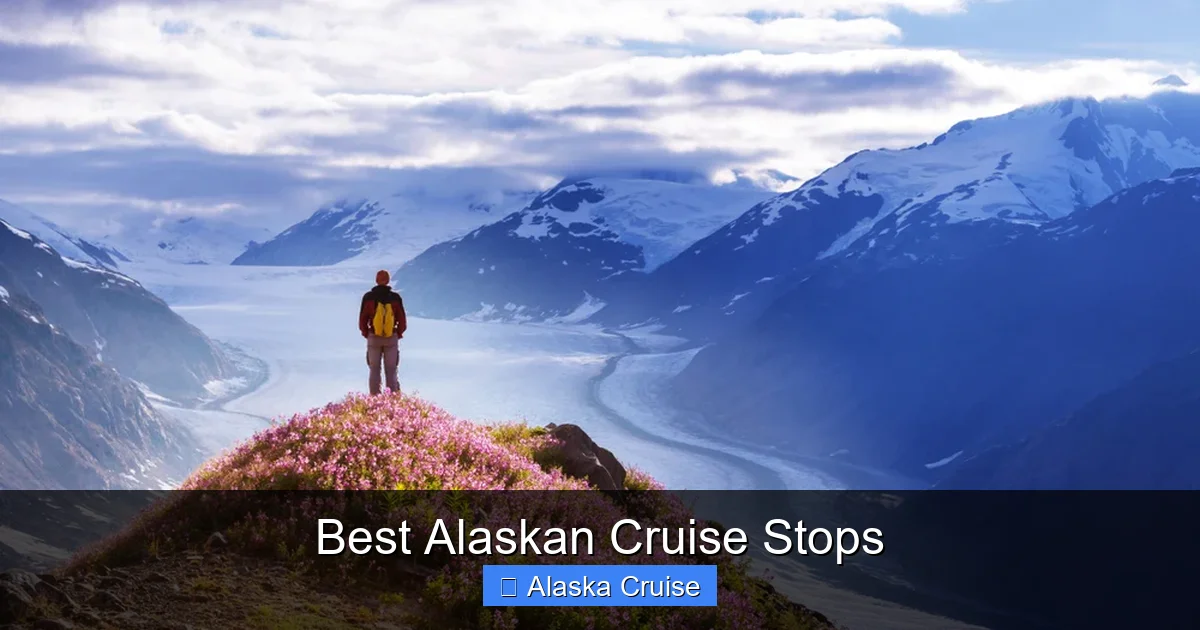
Alaska cruises offer some of the most breathtaking destinations on Earth, and knowing the best Alaskan cruise stops can make all the difference. From towering glaciers and abundant wildlife to charming coastal towns rich in culture, each port delivers unforgettable experiences that blend natural wonder with authentic adventure.
Dreaming of icy fjords, towering glaciers, and bald eagles soaring above misty forests? An Alaskan cruise might just be the ultimate adventure you’ve been waiting for. With dramatic coastlines, rich Indigenous heritage, and some of the most pristine wilderness left on the planet, Alaska delivers an experience that’s both awe-inspiring and deeply grounding. But with so many incredible ports to choose from, it’s easy to feel overwhelmed. Which stops are truly worth your time? Which ones offer the best wildlife sightings, cultural immersion, or glacier views?
That’s where this guide comes in. We’ve sailed the Inside Passage, explored remote coastal towns, and stood in awe before calving glaciers to bring you the definitive list of the best Alaskan cruise stops. Whether you’re a first-time cruiser or a seasoned traveler, these destinations promise unforgettable moments—whether you’re zipping through icy waters on a Zodiac, hiking through old-growth forests, or sipping coffee while watching humpback whales breach just off the ship’s bow. Alaska isn’t just a destination; it’s a feeling. And these ports are your gateway to it.
Key Takeaways
- Glacier Bay National Park: A UNESCO World Heritage Site where you can witness massive glaciers calving into the sea—best viewed from the ship’s deck or a guided kayak tour.
- Juneau: Alaska’s capital city offers urban charm amid wild landscapes, with access to Mendenhall Glacier, whale watching, and historic gold rush sites.
- Ketchikan: Known as the “Salmon Capital of the World,” this port features vibrant Indigenous culture, totem parks, and lush rainforest hikes.
- Skagway: Step back into the Klondike Gold Rush era with restored buildings, the scenic White Pass & Yukon Route Railway, and nearby hiking trails.
- Hubbard Glacier: One of the largest tidewater glaciers in North America, best experienced during a full-day scenic cruising experience.
- Seward & Whittier: Gateway ports to Kenai Fjords National Park, offering glacier tours, sea kayaking, and close encounters with marine wildlife.
- Plan Ahead: Book shore excursions early, dress in layers, and bring binoculars for the best views of wildlife and glaciers.
📑 Table of Contents
- 1. Glacier Bay National Park: A Moving Masterpiece
- 2. Juneau: Where City Meets Wilderness
- 3. Ketchikan: The Salmon Capital of the World
- 4. Skagway: Gateway to the Klondike
- 5. Hubbard Glacier: The Great Ice Giant
- 6. Seward & Whittier: Gateways to Kenai Fjords
- Conclusion: Choosing the Best Alaskan Cruise Stops for You
1. Glacier Bay National Park: A Moving Masterpiece
There’s nothing quite like Glacier Bay National Park. As your ship glides silently through its icy waters, you’ll feel like you’ve stepped into another world—one where time moves slowly and nature reigns supreme. This UNESCO World Heritage Site spans over 3.3 million acres and is home to some of the most active glaciers in North America. It’s not just a stop; it’s a full-day immersion into one of Earth’s last true wildernesses.
Why Glacier Bay Stands Out
Glacier Bay is unique because it’s one of the few places where you can witness glacial retreat and advance in real time. Over the past two centuries, the bay has transformed from a solid wall of ice to a sprawling marine sanctuary filled with fjords, islands, and icy blue waters. The park is managed in partnership with the Huna Tlingit people, whose ancestors have lived in the region for over 10,000 years. This deep cultural connection adds a layer of reverence to the experience.
One of the most iconic sights is the Margerie Glacier, a 21-mile-long river of ice that calves dramatically into the bay. When a chunk of ice breaks off—sometimes the size of a skyscraper—it creates a thunderous splash that echoes across the water. These events, known as “calving,” are both beautiful and humbling, reminding us of nature’s raw power.
What to Expect During Your Visit
Most cruise ships spend a full day cruising through Glacier Bay, often with a National Park Service ranger on board to provide commentary. The ranger shares insights about the geology, wildlife, and Indigenous history of the area, making the journey both educational and engaging. You’ll likely pass by several glaciers, including the Johns Hopkins Glacier, which is one of the few advancing glaciers in the park.
Wildlife sightings are common. Keep your eyes peeled for harbor seals lounging on ice floes, Steller sea lions basking on rocky outcrops, and bald eagles perched in towering spruce trees. If you’re lucky, you might even spot a humpback whale or orca breaching in the distance. The best views are from the ship’s outer decks or the observation lounges, so bundle up and bring your camera.
Tips for Making the Most of Glacier Bay
– Dress warmly: Even in summer, temperatures on the water can be chilly. Layer up with a waterproof jacket, gloves, and a hat.
– Bring binoculars: They’ll help you spot wildlife and get a closer look at distant glaciers.
– Stay quiet during calving: The sound is part of the experience—don’t miss it by chatting loudly.
– Listen to the ranger: Their stories add depth to the scenery and help you appreciate the park’s significance.
2. Juneau: Where City Meets Wilderness
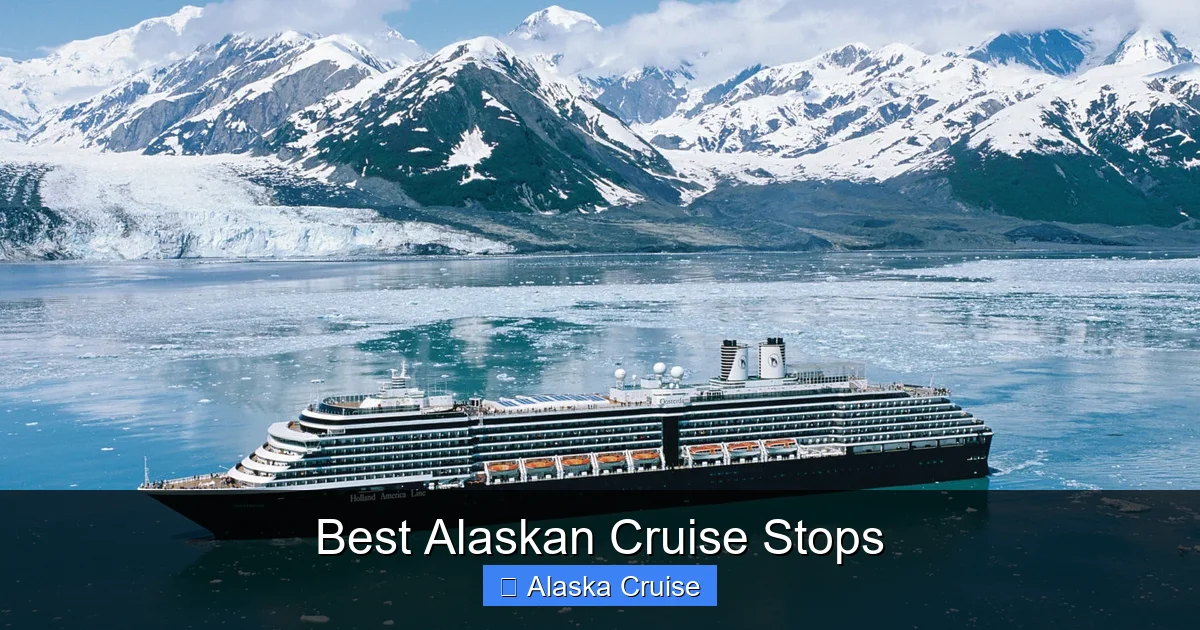
Visual guide about Best Alaskan Cruise Stops
Image source: cruisefever.net
Juneau, Alaska’s capital city, is a delightful mix of urban charm and untamed nature. Unlike most state capitals, Juneau isn’t accessible by road—you can only reach it by plane or boat. This isolation has preserved its small-town feel, while still offering modern amenities, great restaurants, and a vibrant arts scene. But the real magic lies just beyond the city limits, where glaciers, forests, and marine life await.
Mendenhall Glacier: A Must-See Wonder
No visit to Juneau is complete without seeing the Mendenhall Glacier. Located just 12 miles from downtown, this 13-mile-long glacier is one of the most accessible in Alaska. The Mendenhall Glacier Visitor Center offers exhibits on glaciology, climate change, and local wildlife, making it a great starting point for your exploration.
From the visitor center, several hiking trails lead into the surrounding Tongass National Forest. The Nugget Falls Trail is a favorite—it’s a moderate 3.5-mile round-trip hike that takes you past a stunning waterfall and offers close-up views of the glacier’s face. For a more relaxed experience, take the Glacier View Trail, a short, paved path that leads to a scenic overlook.
Whale Watching and Wildlife Encounters
Juneau is one of the best places in Alaska to see humpback whales. From May through September, these majestic creatures migrate to the area to feed on herring and krill. Several local operators offer whale-watching tours that depart from the downtown marina. These excursions typically last 3–4 hours and include expert naturalists who explain whale behavior and migration patterns.
In addition to whales, you might spot sea lions, porpoises, and even the occasional orca. Some tours also include a stop at the Alaska State Museum or a visit to a local salmon bake, where you can sample fresh-caught fish prepared over an open fire.
Gold Rush History and Cultural Sites
Juneau was founded during the gold rush era, and traces of that history are still visible today. The Last Chance Mining Museum, housed in a former gold mining operation, offers a fascinating look at the tools and techniques used by early prospectors. You can even try your hand at panning for gold—many visitors walk away with a small nugget as a souvenir.
For a deeper dive into local culture, visit the Alaska State Capitol building or the Juneau-Douglas City Museum. The latter features exhibits on Tlingit art, Russian influence, and the city’s evolution from a mining camp to a modern capital.
Tips for Visiting Juneau
– Book whale-watching tours in advance: They fill up quickly, especially in peak season.
– Wear sturdy shoes: Trails around Mendenhall Glacier can be muddy or uneven.
– Try local seafood: Juneau is known for its fresh salmon, halibut, and king crab.
– Take the Mount Roberts Tram: This scenic ride offers panoramic views of the city and surrounding mountains.
3. Ketchikan: The Salmon Capital of the World
Ketchikan, nestled on the rugged coast of southeastern Alaska, is a town that wears its heritage proudly. Known as the “Salmon Capital of the World,” it’s a place where fishing boats line the docks, totem poles stand tall in the rain, and the scent of cedar fills the air. With its lush rainforests, rich Indigenous culture, and abundant wildlife, Ketchikan offers a uniquely Alaskan experience.
Totem Heritage Center and Saxman Village
Ketchikan is home to some of the finest collections of totem poles in the world. The Totem Heritage Center preserves original 19th-century totems salvaged from abandoned Tlingit and Haida villages. These towering carvings tell stories of clan lineage, spiritual beliefs, and historical events, each pole a masterpiece of art and symbolism.
Just a short drive away, Saxman Village offers a living cultural experience. Here, you can watch master carvers at work, learn about traditional dances, and even participate in a ceremonial potlatch. The village’s massive totem poles, some over 100 feet tall, are a sight to behold.
Rainforests and Waterfalls
Ketchikan sits at the edge of the Tongass National Forest, the largest national forest in the United States. Several hiking trails offer a chance to explore this temperate rainforest, where towering Sitka spruce and western hemlock create a canopy so dense it feels like a different world.
The Deer Mountain Trail is a popular 3.5-mile round-trip hike that climbs 1,300 feet to a scenic overlook. Along the way, you’ll pass through moss-covered forests and cross wooden bridges over rushing streams. For a shorter walk, the Rainbird Trail leads to a peaceful creek and offers interpretive signs about local flora and fauna.
Fishing and Marine Adventures
As the Salmon Capital of the World, Ketchikan is a paradise for anglers. Charter a fishing boat for a half-day trip and try your luck at catching king salmon, coho, or halibut. Many tours include all gear and instruction, making it easy for beginners to join in.
If fishing isn’t your thing, consider a wildlife cruise. These excursions take you through the Misty Fjords National Monument, where sheer cliffs rise 3,000 feet from the water and waterfalls cascade down mossy slopes. You might spot black bears foraging along the shore, eagles nesting in tall trees, or sea otters floating on their backs.
Tips for Exploring Ketchikan
– Bring rain gear: Ketchikan is one of the rainiest cities in the U.S.—pack a waterproof jacket and shoes.
– Respect cultural sites: When visiting totem parks or Indigenous villages, follow guidelines and avoid touching carvings.
– Try the local cuisine: Don’t miss the chance to sample fresh salmon, smoked fish, or a traditional fish bake.
– Shop for local art: Ketchikan has many galleries selling authentic Native crafts, from jewelry to woven baskets.
4. Skagway: Gateway to the Klondike
Stepping off the ship in Skagway is like stepping back in time. This historic town, nestled at the head of the Lynn Canal, played a pivotal role in the Klondike Gold Rush of the late 1800s. Today, its wooden boardwalks, false-front buildings, and steam-powered trains transport visitors to an era of prospectors, saloons, and adventure.
The White Pass & Yukon Route Railway
No visit to Skagway is complete without riding the White Pass & Yukon Route Railway. Known as the “Gateway to the Klondike,” this narrow-gauge railroad was built in 1898 to transport miners and supplies over the rugged Coast Mountains. The journey takes you through steep canyons, across towering trestles, and past cascading waterfalls.
The train ride is both scenic and historic. As you climb 2,865 feet in just 20 miles, you’ll pass through the infamous “Dead Horse Trail,” where thousands of pack animals perished during the gold rush. The views from the open-air cars are breathtaking—on clear days, you can see all the way to the Pacific Ocean.
Gold Rush History and Historic Sites
Skagway’s downtown is a National Historic Landmark, with over 90 preserved buildings from the gold rush era. The Skagway Museum offers exhibits on the town’s history, including artifacts from the Chilkoot Trail and stories of famous figures like Jefferson “Soapy” Smith, a notorious con man.
Take a self-guided walking tour to see the original Red Onion Saloon, the Moore House (Alaska’s oldest residence), and the Trail of ’98 Museum. Many buildings now house shops, cafes, and galleries, but their historic charm remains intact.
Outdoor Adventures
Beyond its history, Skagway offers plenty of outdoor activities. Hike the Chilkoot Trail, follow in the footsteps of gold seekers on a guided trek. The trail begins just outside town and leads through dense forest, across suspension bridges, and up to the snow-covered Chilkoot Pass.
For a more relaxed experience, take a scenic drive to the nearby ghost town of Dyea or visit the Gold Rush Cemetery, where many early settlers are buried. In summer, wildflowers bloom across the hillsides, adding splashes of color to the rugged landscape.
Tips for Visiting Skagway
– Book the train ride early: It’s one of the most popular excursions and sells out quickly.
– Wear layers: Temperatures can vary widely, especially at higher elevations.
– Try the local beer: Skagway has a small but growing craft brewery scene.
– Respect historic sites: Many buildings are privately owned—don’t enter without permission.
5. Hubbard Glacier: The Great Ice Giant
Hubbard Glacier is one of the largest and most active tidewater glaciers in North America. Stretching over 76 miles long and up to 7 miles wide, it’s a force of nature that commands respect. Unlike Glacier Bay, which is a national park, Hubbard Glacier is part of a remote wilderness area, making the experience even more pristine and untouched.
A Full-Day Scenic Experience
Most cruise ships spend a full day cruising near Hubbard Glacier, often reaching as close as a half-mile from the ice face. The glacier moves forward at an average rate of 8–10 feet per day—faster than any other glacier in Alaska. This constant movement means calving events are frequent and dramatic.
When a large section of ice breaks off, the resulting wave can rock the ship slightly—a gentle reminder of nature’s power. The sound of cracking ice echoes across the water, and the sight of icebergs floating in the deep blue water is mesmerizing.
Wildlife and Scenic Views
The waters around Hubbard Glacier are rich in marine life. Keep an eye out for harbor seals, which often rest on ice floes, and sea otters floating on their backs. In summer, you might spot Dall’s porpoises racing alongside the ship or a pod of orcas hunting in the distance.
The glacier itself is a stunning shade of blue, a result of compressed ice that absorbs all colors of light except blue. As the sun hits the ice, it sparkles like a thousand diamonds.
Tips for Viewing Hubbard Glacier
– Stay on deck: The best views are from the ship’s outer decks, especially on the port side.
– Bring a zoom lens: Even from a distance, the glacier’s details are breathtaking.
– Be patient: Calving events can happen at any time—sometimes with little warning.
– Listen to the silence: The absence of engine noise makes the experience even more immersive.
6. Seward & Whittier: Gateways to Kenai Fjords
Seward and Whittier are not traditional cruise ports in the sense of bustling towns, but they serve as vital gateways to Kenai Fjords National Park. Both are departure points for day cruises that explore the park’s glaciers, fjords, and wildlife. While the towns themselves are small, the adventures they offer are anything but.
Kenai Fjords National Park
This 670,000-acre park is home to the Harding Icefield, which feeds over 40 glaciers. The most famous is the Exit Glacier, which you can visit on a short hike from the park’s visitor center. But the real magic happens on the water.
Day cruises from Seward or Whittier take you through Resurrection Bay and into the heart of the fjords. You’ll pass by towering cliffs, sea caves, and calving glaciers. Wildlife sightings are common—puffins, sea lions, otters, and even whales are frequently spotted.
Tips for Visiting Seward & Whittier
– Book a full-day cruise: Half-day trips don’t reach the best glacier views.
– Bring motion sickness remedies: The waters can be choppy, especially in windy weather.
– Pack a lunch: Most cruises don’t include meals, so bring snacks and drinks.
– Visit the Alaska SeaLife Center in Seward: It’s a great way to learn about marine life before your cruise.
Conclusion: Choosing the Best Alaskan Cruise Stops for You
Alaska is a destination that rewards curiosity, patience, and a sense of wonder. The best Alaskan cruise stops aren’t just about checking boxes—they’re about connecting with nature, learning from local cultures, and creating memories that last a lifetime. Whether you’re marveling at a calving glacier, hiking through a rainforest, or sipping coffee while whales breach nearby, each moment feels like a gift.
When planning your cruise, consider what matters most to you. Are you drawn to wildlife? Choose stops like Juneau or Ketchikan. Do you crave adventure? Skagway and Seward offer thrilling excursions. Are you a history buff? Skagway and Juneau are rich in gold rush lore. And if you simply want to be awed by nature, Glacier Bay and Hubbard Glacier will leave you speechless.
No matter which ports you visit, one thing is certain: Alaska will change you. It’s a place where the mountains touch the sky, the glaciers sing their ancient songs, and the wild feels truly wild. So pack your bags, bring your sense of adventure, and get ready to discover why the best Alaskan cruise stops are worth every mile.
Frequently Asked Questions
What are the best months to take an Alaskan cruise?
The best time for an Alaskan cruise is from late May to early September. During these months, the weather is milder, daylight hours are long, and wildlife is most active. July and August are peak season, offering the warmest temperatures and best chances for whale sightings.
Do I need to book shore excursions in advance?
Yes, it’s highly recommended. Popular excursions like whale watching in Juneau or the White Pass Railway in Skagway often sell out weeks in advance. Booking early ensures you get your top choices and sometimes saves money.
What should I pack for an Alaskan cruise?
Pack layers, including a waterproof jacket, warm fleece, gloves, and a hat. Waterproof shoes are essential for wet docks and trails. Don’t forget binoculars, sunscreen, and a reusable water bottle.
Are there bears in the cruise ports?
Yes, black and brown bears are common in Alaska, especially in areas like Ketchikan and Seward. While sightings in towns are rare, they can occur in nearby wilderness areas. Always follow local guidelines and never approach wildlife.
Can I see the Northern Lights on an Alaskan cruise?
It’s unlikely during the summer cruise season (May–September) due to nearly 24-hour daylight. The Northern Lights are best seen in late fall or winter, outside of typical cruise months.
Are Alaskan cruels suitable for families?
Absolutely. Many cruise lines offer family-friendly activities, kids’ clubs, and educational programs. Shore excursions like whale watching, hiking, and cultural tours are great for all ages and create lasting memories.