An Alaska cruise offers some of the most stunning natural wonders on Earth. From towering glaciers and playful whales to charming coastal towns and ancient forests, the best Alaskan cruise sights deliver awe-inspiring moments at every turn. Whether you’re a nature lover, adventure seeker, or history buff, Alaska’s rugged beauty will leave you speechless.
Dreaming of icy fjords, towering glaciers, and wildlife encounters straight out of a nature documentary? An Alaska cruise might just be the adventure of a lifetime. With over 6,600 miles of coastline, Alaska is a land of extremes—where snow-capped peaks meet deep blue waters, and ancient glaciers carve their way through rugged terrain. A cruise is one of the best ways to experience this vast, untamed wilderness, offering comfort and convenience while delivering front-row seats to some of the planet’s most spectacular scenery.
Unlike road trips or flights, a cruise lets you glide silently through pristine waters, often getting closer to natural wonders than any land-based tour could. You’ll wake up each morning to a new postcard-perfect view—misty mountains rising from the sea, waterfalls cascading down cliffs, and icebergs floating like diamonds in the water. And because Alaska’s major attractions are spread along the coast, a cruise is the most efficient way to see them all without constant packing and unpacking.
But it’s not just about the views. An Alaska cruise is a sensory experience. You’ll hear the thunderous crack of calving glaciers, smell the crisp, pine-scented air, and feel the cool ocean breeze on your face. Whether you’re sipping coffee on your balcony as a humpback whale breaches nearby or exploring a historic gold rush town, every moment feels magical. And with so many cruise lines and itineraries to choose from—ranging from luxury liners to small expedition ships—there’s an Alaska cruise for every traveler.
Key Takeaways
- Glaciers are a must-see: Witness massive ice formations like Mendenhall and Hubbard Glacier up close—some stretch over 70 miles long.
- Wildlife viewing is unparalleled: Spot humpback whales, orcas, sea lions, brown bears, and bald eagles in their natural habitats.
- Scenic fjords and waterways: Cruise through narrow channels like Tracy Arm and Glacier Bay for dramatic mountain and ice views.
- Cultural experiences enrich the journey: Learn about Alaska Native heritage in towns like Haines and Ketchikan through art, dance, and storytelling.
- Adventure activities abound: Kayak near icebergs, hike through temperate rainforests, or take a dog sledding tour on a glacier.
- Best time to go is May to September: Warmer weather, longer days, and peak wildlife activity make this the ideal window for an Alaska cruise.
- Pack layers and binoculars: Weather changes fast, and binoculars help you spot distant wildlife and glacier details.
📑 Table of Contents
Glaciers: Nature’s Frozen Masterpieces
No trip to Alaska is complete without seeing a glacier. These slow-moving rivers of ice are among the most iconic and awe-inspiring sights on any cruise. Formed over thousands of years, glaciers compress snow into dense ice that flows downhill under its own weight. When they reach the sea, chunks break off in a process called “calving,” sending icebergs floating into the ocean with a thunderous splash.
One of the most accessible and popular glacier stops is the Mendenhall Glacier near Juneau. Located just 12 miles from the city, this 13-mile-long glacier is part of the larger Mendenhall Glacier Recreation Area. From your ship or a nearby viewing platform, you can watch as ice calves into Mendenhall Lake, creating a stunning display of blue ice and turquoise water. The glacier has been retreating for decades due to climate change, but it remains a powerful symbol of Alaska’s wild beauty.
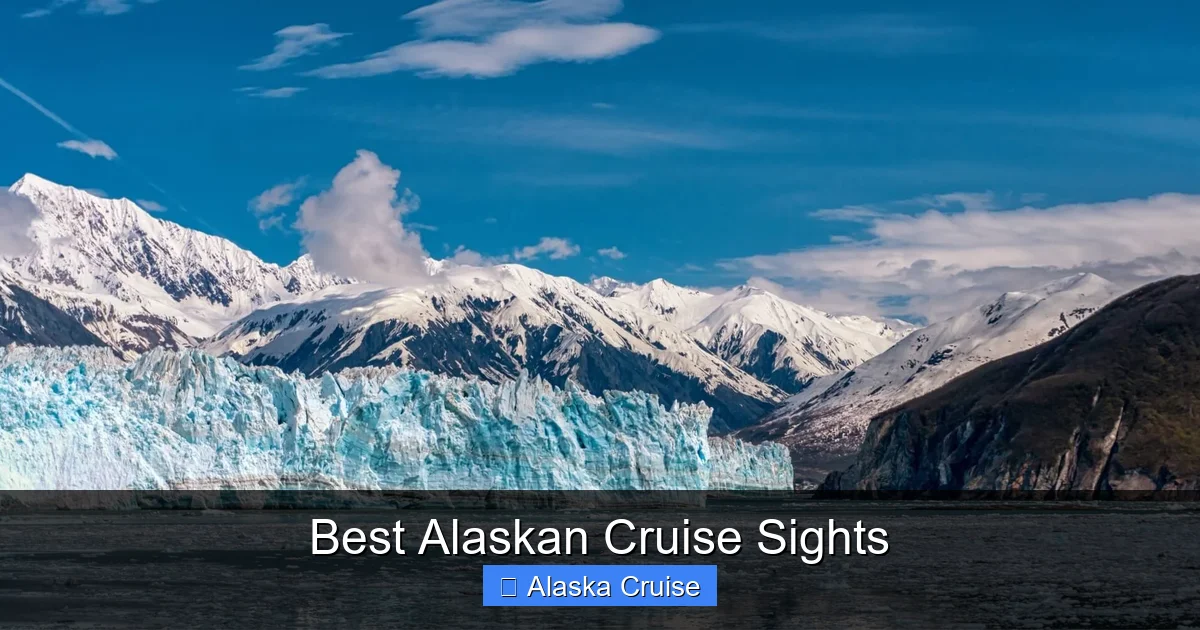
Another must-see is the Hubbard Glacier, one of the largest tidewater glaciers in North America. Stretching over 76 miles long and up to a mile wide, Hubbard Glacier is a force of nature. As your ship approaches, you’ll see towering blue ice walls rising 30 to 400 feet above the water. The glacier is so active that it occasionally “surges,” advancing several miles in just a few years. In 2008, it even blocked the entrance to Russell Fjord, creating a temporary lake.
Glacier Bay National Park: A UNESCO World Heritage Site
For a truly immersive glacier experience, Glacier Bay National Park is unmatched. This UNESCO World Heritage Site is home to over a dozen active glaciers and is one of the most studied glacial systems in the world. As your ship navigates the bay, you’ll pass through narrow channels surrounded by steep cliffs and snow-capped peaks. The silence is profound—broken only by the occasional crack of ice or call of a seabird.
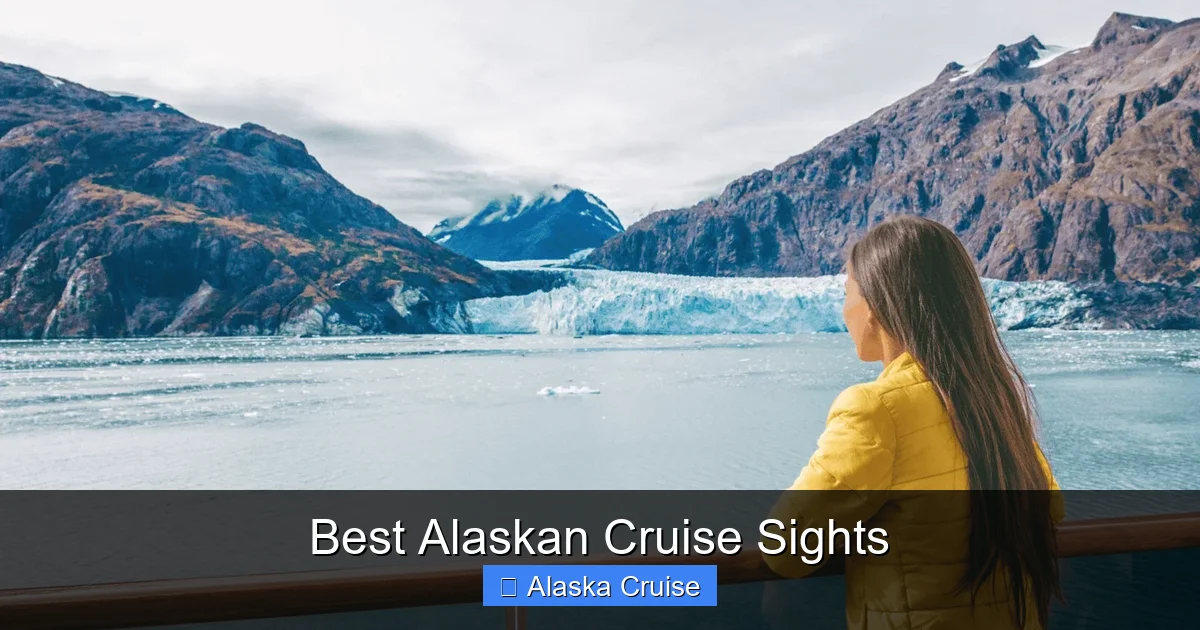
Rangers from the National Park Service often come aboard to share insights about the park’s geology, wildlife, and conservation efforts. They’ll point out features like the Grand Pacific Glacier, which has been retreating rapidly, and the Marjorie Glacier, known for its deep blue ice. The park is also a critical habitat for humpback whales, sea otters, and harbor seals, so keep your camera ready.
Tips for Glacier Viewing
To make the most of your glacier experience, bring binoculars and a zoom lens for your camera. The best views often come from the ship’s upper decks or outdoor promenades. Dress in layers—even in summer, it can be chilly near the ice. And don’t forget to listen: the sound of calving ice is unlike anything else.
Wildlife Encounters: From Whales to Bears
Visual guide about Best Alaskan Cruise Sights
Image source: bellsalaska.com
Alaska is a wildlife paradise, and a cruise offers some of the best opportunities to see animals in their natural habitat. The nutrient-rich waters of the Inside Passage attract marine life from across the Pacific, while the coastal forests and rivers are home to land mammals and birds.
One of the most thrilling experiences is spotting a humpback whale. These gentle giants can grow up to 50 feet long and are known for their acrobatic breaches, tail slaps, and haunting songs. In places like Icy Strait Point and Frederick Sound, you might see pods of whales feeding on schools of herring. Some cruise lines even offer hydrophone feeds so you can listen to their calls underwater.
Orcas, or killer whales, are another highlight. These sleek black-and-white predators travel in family groups called pods and are highly intelligent. They’re often seen near Ketchikan and Juneau, especially during salmon runs. Keep an eye out for their distinctive dorsal fins cutting through the water.
Sea Lions and Seals: Playful Ocean Dwellers
Steller sea lions and harbor seals are common sights along the coast. You’ll often see them lounging on rocky outcrops or floating on icebergs. Steller sea lions are massive—males can weigh over a ton—and their loud barks echo across the water. Harbor seals are smaller and more elusive, but you might spot them poking their heads above the surface or sunbathing on floating ice.
Sea otters are another favorite. These adorable mammals float on their backs, using rocks to crack open shellfish. They’re often seen in kelp forests near Sitka and Ketchikan. Their thick fur keeps them warm in cold waters, and their playful behavior makes them a joy to watch.
Bears: The Kings of the Coast
For many travelers, seeing a brown bear in the wild is the ultimate Alaska moment. While you’re unlikely to see one from the ship, shore excursions offer excellent bear-viewing opportunities. In places like Pack Creek Bear Sanctuary on Admiralty Island near Juneau, you can watch bears fishing for salmon in shallow streams. These sanctuaries are carefully managed to minimize human impact while allowing safe viewing.
Another top spot is Anan Creek near Wrangell, where both black and brown bears gather during salmon runs. Rangers lead guided tours, and viewing platforms provide a safe distance for observation. Remember: always follow guidelines and never approach bears on your own.
Birds of Alaska: Eagles, Puffins, and More
Alaska is a birdwatcher’s dream. The state is home to over 500 species, including the iconic bald eagle. You’ll see these majestic birds perched on treetops or soaring above the water, especially in areas like Ketchikan and Haines. In fact, Alaska has the largest population of bald eagles in the U.S.
Puffins are another delight. These colorful seabirds nest on coastal cliffs and are known for their bright beaks and comical waddle. Tufted puffins and horned puffins can be spotted on excursions to places like St. Lazaria Island near Sitka. Other common birds include cormorants, murres, and Arctic terns.
Scenic Fjords and Waterways: Nature’s Grand Canals
Alaska’s coastline is carved by deep, narrow inlets known as fjords—created by ancient glaciers that carved out valleys now filled with seawater. These dramatic waterways offer some of the most breathtaking scenery on any cruise.
One of the most stunning is Tracy Arm, a 30-mile-long fjord near Juneau. Towering granite walls rise over 3,000 feet on either side, and waterfalls cascade down the cliffs after summer rains. At the end of the fjord lies the twin Sawyer Glaciers, where ice calves into the water with a thunderous roar. The silence here is profound—broken only by the sound of dripping water and distant bird calls.
Another highlight is Endicott Arm, which leads to the Dawes Glacier. This glacier is known for its deep blue ice and frequent calving events. As your ship navigates the narrow channel, you’ll pass through forests of spruce and hemlock, with eagles nesting in the treetops.
The Inside Passage: A Cruise Classic
The Inside Passage is the main route for most Alaska cruises, stretching from Washington State up through British Columbia and into Alaska. This protected waterway offers calm seas and stunning views of forested islands, snow-capped mountains, and coastal villages.
As you sail north, you’ll pass through narrow channels like the Gastineau Channel near Juneau and the Clarence Strait near Ketchikan. Keep an eye out for kayakers, fishing boats, and even the occasional cruise ship passing in the opposite direction. The passage is also rich in marine life, so binoculars are a must.
Scenic Stops: Ketchikan and Haines
Ketchikan, known as the “Salmon Capital of the World,” is a colorful town built on stilts over the water. It’s a great place to learn about Alaska Native culture, with totem parks and museums showcasing traditional art and history. You can also take a floatplane tour over the Misty Fjords National Monument, where sheer cliffs plunge into deep blue waters.
Haines, often called the “Adventure Capital of Alaska,” offers rugged beauty and outdoor activities. Visit the Alaska Chilkat Bald Eagle Preserve, where hundreds of eagles gather in winter to feed on salmon. In summer, you can go kayaking, hiking, or even take a flightseeing tour over the Davidson Glacier.
Cultural Gems: Alaska Native Heritage and Gold Rush History
Beyond its natural wonders, Alaska is rich in culture and history. A cruise offers a unique chance to explore the traditions of Alaska Native peoples and the legacy of the gold rush era.
In Ketchikan, visit the Totem Heritage Center, which houses some of the oldest totem poles in the region. These carved cedar poles tell stories of clans, legends, and spiritual beliefs. You can also watch traditional dance performances at the Chief John Starr Memorial Building, where dancers wear regalia and tell stories through movement.
Sitka: A Blend of Cultures
Sitka, once the capital of Russian America, is a fascinating mix of Native, Russian, and American influences. Visit the Russian Bishop’s House, a restored 19th-century building that offers a glimpse into Russian colonial life. The St. Michael’s Cathedral, with its iconic onion dome, is another must-see.
The Sitka National Historical Park features totem poles and a trail that follows the site of a historic battle between the Tlingit people and Russian settlers. It’s a powerful reminder of Alaska’s complex history.
Juneau: Gold Rush Legacy
Juneau, Alaska’s capital, was founded during the gold rush of the late 1800s. Today, you can explore the Last Chance Mining Museum, which showcases tools and artifacts from the era. Take a ride on the Mount Roberts Tramway for panoramic views of the city and surrounding mountains.
For a taste of local life, visit the Juneau Farmers Market or sample fresh seafood at a waterfront restaurant. Don’t miss the chance to try king crab or halibut—Alaskan specialties that are as delicious as they are iconic.
Adventure Activities: Beyond the Ship
While the cruise itself is an adventure, many travelers want to get off the ship and explore. Alaska offers a wide range of activities for every interest and fitness level.
Kayaking Among Icebergs
One of the most magical experiences is kayaking near a glacier. In places like Tracy Arm or Mendenhall Glacier, guided tours take you through calm waters surrounded by icebergs and towering cliffs. Paddling silently past floating ice gives you a sense of scale and serenity that’s hard to match.
Dog Sledding on a Glacier
For a truly unique adventure, try dog sledding on a glacier. In Juneau, you can take a helicopter ride to a remote glacier, where you’ll meet a team of sled dogs and their musher. After a brief lesson, you’ll ride in the sled or even try driving the team yourself. It’s a thrilling way to experience Alaska’s winter culture—even in summer.
Hiking and Wildlife Tours
Alaska’s temperate rainforests are perfect for hiking. In Ketchikan, the Rainforest Canopy Trail offers elevated walkways through the treetops. In Haines, the Chilkat State Park has trails that lead to waterfalls and alpine meadows.
Wildlife tours are also popular. Take a boat trip to Steep Point near Ketchikan to see sea lions and puffins, or join a whale-watching excursion in Icy Strait Point. Many tours include naturalist guides who share insights about the local ecosystem.
Best Time to Cruise Alaska
The Alaska cruise season runs from mid-May to mid-September, with peak months in June, July, and August. Each month offers a different experience:
– May: Fewer crowds, lower prices, and the start of wildlife activity. Wildflowers begin to bloom, and bears emerge from hibernation.
– June: Long daylight hours (up to 19 hours of sunlight), ideal for sightseeing. Whale migration peaks, and salmon runs begin.
– July: Warmest weather and busiest season. Glaciers are most active, and all excursions are available.
– August: Still great weather, with fewer crowds than July. Bears are active near rivers, and fall colors start to appear.
– September: Cooler temperatures, but fewer tourists and lower prices. Chance to see the northern lights in the northern regions.
Packing Tips for an Alaska Cruise
Alaska’s weather can change quickly, so pack layers. Include a waterproof jacket, warm fleece, gloves, and a hat. Waterproof boots are essential for shore excursions. Don’t forget sunscreen, sunglasses, and insect repellent—bugs can be fierce in summer.
Binoculars are a must for wildlife and glacier viewing. A good camera with a zoom lens will help you capture distant sights. And if you plan to hike, bring a small backpack for water and snacks.
Choosing the Right Cruise
With so many options, choosing the right Alaska cruise can be overwhelming. Consider the following:
– Ship size: Large ships offer more amenities but may not access smaller ports. Small expedition ships provide a more intimate experience and can get closer to wildlife and glaciers.
– Itinerary: Look for cruises that visit key sights like Glacier Bay, Tracy Arm, and Hubbard Glacier. Some include stops in Victoria, BC, or Seattle.
– Duration: Most Alaska cruises last 7 days, but longer itineraries (10–14 days) allow for more exploration.
– Shore excursions: Check what’s included. Some lines offer complimentary tours, while others charge extra.
Popular cruise lines for Alaska include Holland America, Princess, Norwegian, and small expedition companies like UnCruise and Lindblad Expeditions.
Conclusion
An Alaska cruise is more than a vacation—it’s a journey into one of the last great wildernesses on Earth. From the thunderous calving of glaciers to the silent glide of a kayak through icy waters, every moment is filled with wonder. The best Alaskan cruise sights aren’t just about what you see—they’re about how they make you feel: small, inspired, and deeply connected to nature.
Whether you’re watching a humpback whale breach, hiking through a rainforest, or learning about Alaska Native culture, the memories will last a lifetime. So pack your bags, bring your sense of adventure, and get ready to experience the magic of Alaska. It’s not just a trip—it’s a transformation.
Frequently Asked Questions
What are the best months to take an Alaska cruise?
The best time to cruise Alaska is from May to September. June through August offers the warmest weather and longest days, while May and September provide fewer crowds and lower prices.
Will I see whales on an Alaska cruise?
Yes, whale sightings are common, especially humpback and orca whales. Peak whale activity occurs from June to August, particularly in areas like Icy Strait Point and Frederick Sound.
Do I need to book shore excursions in advance?
It’s highly recommended. Popular excursions like dog sledding, glacier hikes, and wildlife tours often sell out quickly, especially during peak season.
What should I wear on an Alaska cruise?
Dress in layers and bring waterproof gear. Even in summer, temperatures can be cool, especially near glaciers. Comfortable walking shoes and binoculars are also essential.
Are Alaska cruises family-friendly?
Yes, many cruise lines offer family-friendly activities, kids’ clubs, and educational programs. Shore excursions often include options suitable for all ages.
Can I see the northern lights on an Alaska cruise?
It’s rare, as most cruises run in summer when nights are short. However, some late-season cruises in September may offer a chance to see the aurora borealis in northern regions.