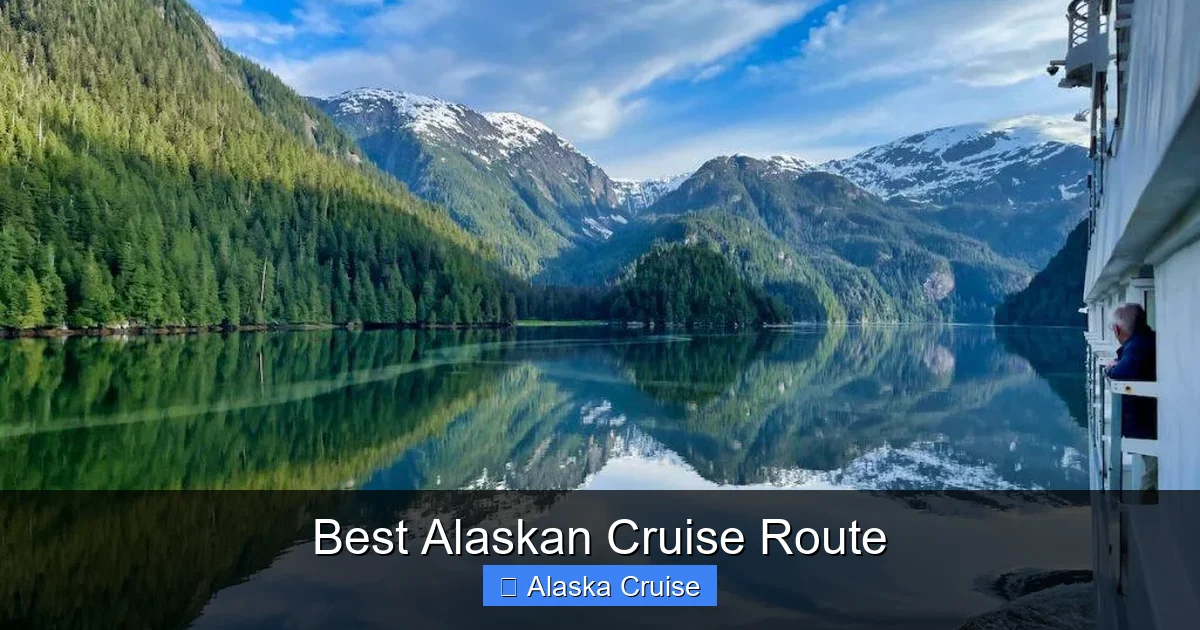
Choosing the best Alaskan cruise route can make or break your adventure. Whether you’re drawn to towering glaciers, abundant wildlife, or charming coastal towns, the right itinerary offers unforgettable experiences. This guide breaks down the top routes, timing, and must-see stops to help you plan the ultimate Alaskan voyage.
Dreaming of icy fjords, snow-capped peaks, and breaching whales? An Alaskan cruise might just be the adventure of a lifetime. With its dramatic landscapes and rich cultural history, Alaska offers some of the most spectacular cruising experiences on Earth. But with so many routes, ports, and cruise lines to choose from, how do you pick the best Alaskan cruise route for your style and interests?
The good news? There’s no single “right” answer—just the perfect fit for you. Whether you’re a nature lover, history buff, or family traveler, Alaska’s diverse cruise itineraries cater to every kind of explorer. From the lush greenery of the Inside Passage to the raw power of Gulf Coast glaciers, each route tells a different story. This guide will walk you through the top options, insider tips, and essential stops so you can confidently choose the best Alaskan cruise route and make the most of your journey.
Key Takeaways
- Inside Passage vs. Gulf Coast Routes: The Inside Passage offers lush rainforests and historic towns, while Gulf Coast routes access deeper wilderness and glaciers like Hubbard and Glacier Bay.
- Best Time to Cruise: May through September provides mild weather, longer daylight, and peak wildlife activity—July and August are busiest but most vibrant.
- Round-Trip vs. One-Way Cruises: Round-trip from Seattle or Vancouver saves on flights; one-way cruises (e.g., Seattle to Seward) allow for post-cruise land tours in Denali or Anchorage.
- Must-Visit Ports: Juneau, Skagway, Ketchikan, and Glacier Bay National Park are staples, each offering unique excursions like dog sledding, gold panning, and whale watching.
- Glacier Viewing Opportunities: Routes that include Tracy Arm, Endicott Arm, or Hubbard Glacier deliver awe-inspiring ice formations and calving events.
- Wildlife Encounters: Look for routes with stops near marine mammal habitats—humpback whales, orcas, sea lions, and bald eagles are common sightings.
- Choosing the Right Cruise Line: Luxury lines like Seabourn offer intimate experiences, while family-friendly options like Royal Caribbean provide entertainment and kids’ programs.
📑 Table of Contents
- Understanding the Two Main Alaskan Cruise Routes
- Best Time to Take an Alaskan Cruise
- Top Ports of Call on the Best Alaskan Cruise Routes
- Round-Trip vs. One-Way Cruises: Which Is Right for You?
- Choosing the Right Cruise Line for Your Alaskan Adventure
- Tips for Making the Most of Your Alaskan Cruise
- Conclusion: Finding Your Perfect Alaskan Cruise Route
Understanding the Two Main Alaskan Cruise Routes
When planning your Alaskan cruise, the first big decision is choosing between the two primary routes: the Inside Passage and the Gulf Coast. Each offers a distinct flavor of Alaska, and understanding their differences is key to picking the right adventure.
The Inside Passage: A Lush, Coastal Journey
The Inside Passage is the classic Alaskan cruise route, stretching along the southeastern coast from Washington State up through British Columbia and into Alaska. This protected waterway winds through narrow channels, past dense temperate rainforests, and alongside charming coastal towns. It’s ideal for travelers who want a mix of natural beauty, cultural experiences, and accessible shore excursions.
Cruises on the Inside Passage typically depart from Seattle or Vancouver and make stops in Ketchikan, Juneau, and Skagway. These ports are rich in history—Ketchikan is known for its Native American totem poles and fishing culture, Juneau offers glacier hikes and whale-watching tours, and Skagway brings the Gold Rush era to life with historic saloons and the White Pass Railway.
One of the biggest advantages of the Inside Passage is its calm waters. Because the route hugs the coastline and is shielded by islands, seas are generally smooth—great for first-time cruisers or those prone to motion sickness. Plus, the scenery is consistently stunning, with waterfalls cascading down mossy cliffs and eagles soaring overhead.
The Gulf Coast Route: Into the Wild Heart of Alaska
For a more rugged and remote experience, the Gulf Coast route ventures further north and west, often beginning or ending in Seward or Whittier (near Anchorage). This route includes deeper access to Alaska’s iconic glaciers, including Hubbard Glacier—one of the largest tidewater glaciers in North America—and Glacier Bay National Park, a UNESCO World Heritage Site.
Gulf Coast itineraries often feature longer days at sea, giving ships time to slowly approach massive ice fields and calving glaciers. The scenery here is more dramatic and less populated, with vast expanses of wilderness and opportunities to spot bears, moose, and mountain goats along the shorelines.
One-way Gulf Coast cruises are especially popular because they allow travelers to combine their sea voyage with a land tour. For example, you might cruise from Seattle to Seward, then take a train or bus into Denali National Park to see North America’s tallest peak. This combo cruise-and-land adventure offers the best of both worlds—marine and terrestrial Alaska.
Best Time to Take an Alaskan Cruise
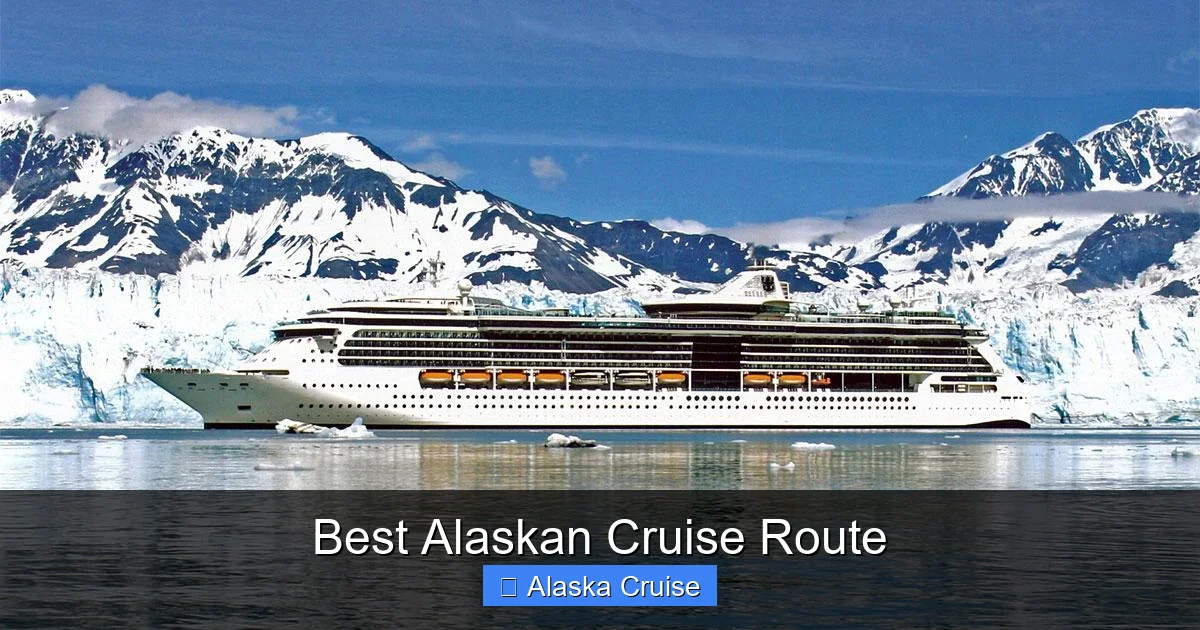
Visual guide about Best Alaskan Cruise Route
Image source: juneauhotels.net
Timing is everything when it comes to Alaska. While cruising is possible from May through September, each month offers a different slice of the Alaskan experience.
May and Early June: Quiet Beauty and Lower Prices
Cruising in May or early June means fewer crowds and lower prices. The weather is cooler, but the landscapes are lush and green, and wildlife is active as animals emerge from winter hibernation. You might see newborn bear cubs or migrating birds returning to nesting sites. However, some shore excursions—like helicopter tours or glacier hikes—may be limited due to lingering snow.
July and August: Peak Season with Maximum Activity
These are the most popular months for a reason. July and August offer the warmest weather, longest daylight hours (up to 18 hours of sunlight in some areas), and the full range of excursions. Whale watching is at its best, with humpbacks feeding in Alaskan waters. Glaciers are more accessible, and towns are bustling with festivals and events.
The downside? Higher prices and more tourists. If you’re looking for a quieter experience, consider booking early or choosing a smaller ship.
September: Fall Colors and Fewer Crowds
By September, the summer rush has faded, but the scenery is transforming. The hillsides blaze with autumn colors, and wildlife is still active as animals prepare for winter. You’ll enjoy mild weather, lower prices, and a more relaxed atmosphere. Some cruise lines even offer special fall-themed itineraries with local food and cultural events.
Top Ports of Call on the Best Alaskan Cruise Routes
No matter which route you choose, certain ports stand out as must-see destinations. Here’s a closer look at the highlights.
Ketchikan: The Salmon Capital of the World
Ketchikan is often the first Alaskan stop on Inside Passage cruises. Perched on the edge of the Tongass National Forest, this colorful town is famous for its totem poles, boardwalks, and abundant salmon runs. Don’t miss the opportunity to visit the Totem Bight State Historical Park or take a floatplane tour over Misty Fjords National Monument.
For a cultural experience, book a Native American cultural tour to learn about the Tlingit, Haida, and Tsimshian peoples. And if you’re feeling adventurous, try zip-lining through the rainforest or kayaking among the islands.
Juneau: Alaska’s Capital with a Wild Side
As the only state capital in the U.S. inaccessible by road, Juneau is a unique blend of government buildings and untamed wilderness. The city sits at the base of Mount Juneau and Mount Roberts, with glaciers just a short helicopter ride away.
One of the top excursions here is a visit to the Mendenhall Glacier, a 13-mile-long river of ice surrounded by hiking trails and a visitor center. You can also take a whale-watching tour—Juneau is one of the best places in Alaska to see humpback whales feeding in the summer.
For history lovers, the Alaska State Museum offers fascinating exhibits on Alaskan culture and natural history. And don’t skip a ride on the Mount Roberts Tramway for panoramic views of the city and surrounding waterways.
Skagway: Gateway to the Klondike Gold Rush
Step back in time in Skagway, a well-preserved Gold Rush town that still echoes with the spirit of 1898. Wooden sidewalks, historic saloons, and costumed interpreters bring the era to life.
The star attraction is the White Pass and Yukon Route Railway, a narrow-gauge train that climbs nearly 3,000 feet through steep cliffs and tunnels. The journey offers breathtaking views and a glimpse into the challenges faced by prospectors during the Gold Rush.
Other popular activities include gold panning, dog sledding demonstrations, and hiking the Chilkoot Trail. Skagway is also a great place to pick up handmade crafts and local souvenirs.
Glacier Bay National Park: A UNESCO Wonder
While not a traditional port, Glacier Bay is a highlight of many Gulf Coast and Inside Passage itineraries. This 3.3-million-acre park is home to over a dozen active glaciers, including the massive Margerie and Lamplugh Glaciers.
Ships enter the park slowly, allowing passengers to witness calving events—when chunks of ice break off and crash into the water. Rangers from the National Park Service come aboard to provide commentary and answer questions, enhancing the educational experience.
Wildlife is abundant here, with opportunities to see sea otters, harbor seals, and even brown bears along the shoreline. The silence of the fjords, broken only by the sound of cracking ice, is truly unforgettable.
Hubbard Glacier: The Largest Tidewater Glacier
Located near the Gulf Coast, Hubbard Glacier is a must-see for glacier enthusiasts. At over 7 miles wide and 700 feet high, it’s one of the most active glaciers in Alaska. Ships often spend several hours near the glacier, giving passengers ample time to take photos and marvel at the ice formations.
Unlike some glaciers that retreat, Hubbard has been advancing for decades, occasionally damming nearby Russell Fjord and creating a temporary lake. This dynamic nature makes it a fascinating subject for scientists and photographers alike.
Round-Trip vs. One-Way Cruises: Which Is Right for You?
Another key decision is whether to book a round-trip or one-way cruise. Each option has its pros and cons, depending on your travel style and budget.
Round-Trip Cruises: Convenience and Simplicity
Round-trip cruises depart and return to the same port—typically Seattle, Vancouver, or San Francisco. These are ideal for travelers who want a hassle-free vacation without worrying about additional flights or transfers.
The main advantage is convenience. You fly into one city, cruise for 7–10 days, and fly home from the same place. It’s also often more budget-friendly, as cruise lines offer package deals on airfare and hotels.
However, round-trip itineraries may spend less time in Alaska and more time at sea, especially on longer routes. You’ll also miss out on the chance to explore Alaska’s interior.
One-Way Cruises: Adventure and Flexibility
One-way cruises, such as Seattle to Seward or Vancouver to Whittier, allow you to experience Alaska from coast to coast. These itineraries often include more time in Alaskan waters and access to remote glaciers.
The real benefit? The ability to combine your cruise with a land tour. After disembarking in Seward or Whittier, you can take a scenic train ride on the Alaska Railroad to Denali National Park, Anchorage, or Fairbanks. This combo trip lets you see both the marine and terrestrial wonders of Alaska.
One-way cruises do require more planning—you’ll need to book flights to and from different cities—and can be more expensive. But for many travelers, the added adventure is worth it.
Choosing the Right Cruise Line for Your Alaskan Adventure
With so many cruise lines offering Alaskan itineraries, it’s important to pick one that matches your travel style.
Luxury and Small Ships: Intimate and Immersive
Luxury lines like Seabourn, Silversea, and Regent Seven Seas offer smaller ships with fewer passengers, allowing for more personalized service and access to remote ports. These cruises often include premium amenities like all-suite accommodations, gourmet dining, and expert naturalists on board.
Smaller ships can also navigate narrower channels and get closer to glaciers, providing a more intimate experience. If you value comfort, privacy, and high-end service, a luxury cruise might be your best bet.
Family-Friendly Lines: Fun for All Ages
For families, lines like Royal Caribbean, Norwegian Cruise Line, and Carnival offer a mix of entertainment, dining, and activities. These ships have rock climbing walls, water slides, kids’ clubs, and Broadway-style shows—perfect for keeping everyone engaged.
They also offer a wide range of shore excursions, from easy walking tours to more adventurous options like zip-lining or kayaking. While the ships are larger, they still visit the same iconic ports and provide excellent value.
Expedition Cruises: For the True Adventurer
If you’re seeking a more rugged, educational experience, consider an expedition cruise with companies like Lindblad Expeditions or Hurtigruten. These voyages focus on nature, wildlife, and cultural immersion, with small ships and expert guides.
Activities might include Zodiac landings, wildlife photography workshops, and visits to remote communities. Expedition cruises are ideal for travelers who want to go beyond the typical tourist experience and connect deeply with Alaska’s environment.
Tips for Making the Most of Your Alaskan Cruise
To ensure your trip is as magical as the scenery, keep these practical tips in mind.
Pack Smart for Variable Weather
Alaska’s weather can change quickly, even in summer. Layering is key—bring a waterproof jacket, warm fleece, and moisture-wicking base layers. Don’t forget binoculars for wildlife spotting, a good camera, and motion sickness remedies if needed.
Book Shore Excursions Early
Popular excursions like helicopter glacier landings, whale watching, and dog sledding sell out quickly, especially in peak season. Book them as soon as your cruise is confirmed to secure your spot.
Bring Cash for Smaller Towns
While major ports accept credit cards, some smaller shops and vendors in places like Skagway or Haines may only take cash. It’s wise to carry some U.S. dollars for tips and souvenirs.
Respect Wildlife and the Environment
Alaska is a pristine wilderness, and it’s important to observe wildlife from a safe distance. Never feed animals, and follow all guidelines provided by your cruise line and park rangers.
Stay Flexible
Weather and sea conditions can affect itineraries. Ships may alter course to avoid storms or take advantage of unexpected wildlife sightings. Embrace the adventure—some of the best moments happen when plans change.
Conclusion: Finding Your Perfect Alaskan Cruise Route
There’s no one-size-fits-all answer to the best Alaskan cruise route—only the one that fits your dreams, budget, and travel style. Whether you’re drawn to the lush forests of the Inside Passage or the icy grandeur of the Gulf Coast, Alaska promises an unforgettable journey.
Take time to consider your priorities: Do you want luxury or adventure? Family fun or quiet reflection? A round-trip ease or a land-and-sea combo? Once you’ve answered these questions, you’ll be ready to choose the route that will leave you with memories to last a lifetime.
So pack your bags, bring your sense of wonder, and set sail for the Last Frontier. The best Alaskan cruise route is out there—waiting just for you.
Frequently Asked Questions
What is the best month to take an Alaskan cruise?
The best time is typically July or August, when weather is warmest, daylight is longest, and wildlife is most active. However, May and September offer fewer crowds and lower prices.
Can you see glaciers on an Alaskan cruise?
Yes! Most Alaskan cruise routes include glacier viewing, with highlights like Glacier Bay, Hubbard Glacier, and Tracy Arm. Ships often slow down for close-up views and calving events.
Do I need a passport for an Alaskan cruise?
If your cruise departs and returns to the same U.S. port (like Seattle), a passport is not required—but it’s highly recommended in case of emergencies. For cruises stopping in Canada, a passport is mandatory.
Are Alaskan cruises family-friendly?
Absolutely. Many cruise lines offer kids’ programs, family excursions, and entertainment. Ports like Juneau and Skagway have activities for all ages, from gold panning to wildlife tours.
How much should I budget for an Alaskan cruise?
Prices vary by line and season, but expect to pay $1,500–$4,000 per person for a 7-day cruise. Add $500–$1,000 for airfare, excursions, and onboard expenses.
Can you combine a cruise with a land tour in Alaska?
Yes! One-way cruises ending in Seward or Whittier are perfect for adding a land tour to Denali National Park or Anchorage via train or bus.