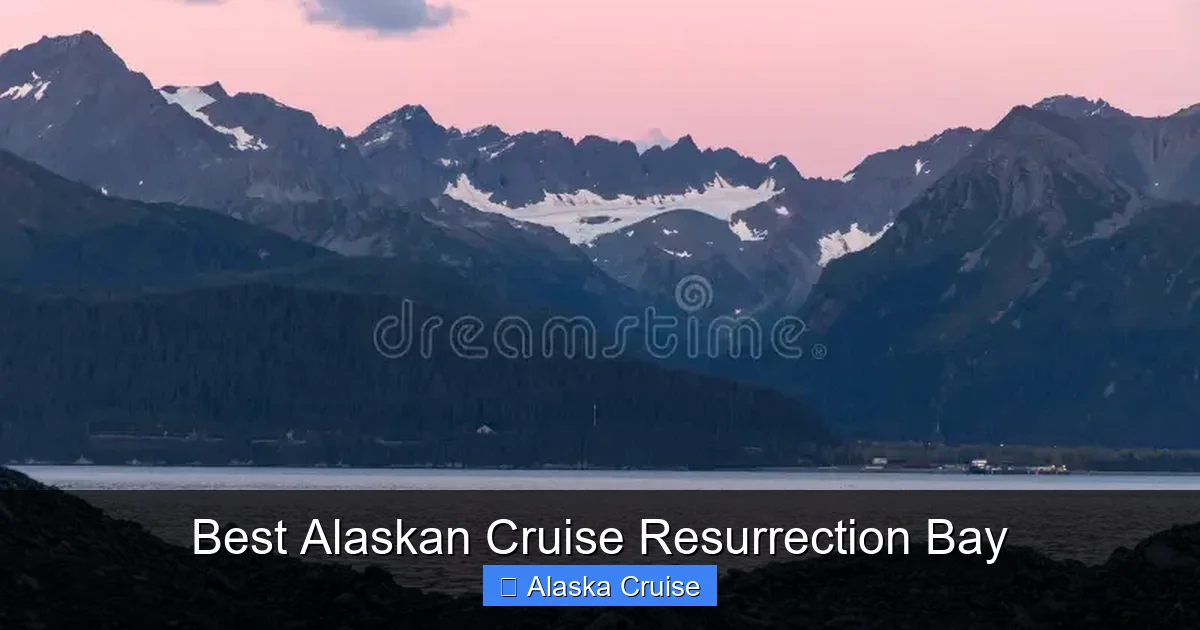
Resurrection Bay is one of Alaska’s most spectacular cruise destinations, offering dramatic glaciers, abundant wildlife, and pristine coastal beauty. Whether you’re sailing with a major cruise line or a small expedition vessel, a journey through this icy paradise promises unforgettable moments and awe-inspiring views.
Key Takeaways
- Resurrection Bay is a must-see Alaskan cruise destination: Located near Seward, it’s renowned for its rugged coastline, towering glaciers, and rich marine life.
- Wildlife sightings are common: Expect to see sea otters, Steller sea lions, orcas, humpback whales, and bald eagles in their natural habitat.
- Glacier viewing is a highlight: The bay leads to Kenai Fjords National Park, home to the famous Exit Glacier and the active Holgate Glacier.
- Small ships offer the best experience: Expedition-style vessels provide closer access to wildlife and glaciers than large cruise ships.
- Best time to visit is May through September: Summer months offer milder weather, longer daylight, and peak wildlife activity.
- Combine with land tours for a full Alaska experience: Many travelers extend their trip with visits to Anchorage, Denali, or the Kenai Peninsula.
- Pack layers and waterproof gear: Weather can change quickly, so be prepared for rain, wind, and cool temperatures even in summer.
📑 Table of Contents
- Why Resurrection Bay Should Be on Your Alaska Cruise Itinerary
- Top Cruise Lines That Visit Resurrection Bay
- What to Expect on a Resurrection Bay Cruise
- Best Time to Cruise Resurrection Bay
- Wildlife and Natural Wonders of Resurrection Bay
- Tips for Making the Most of Your Resurrection Bay Cruise
- Combining Your Cruise with Other Alaska Adventures
- Conclusion: Why Resurrection Bay Is a Must-Do Alaskan Experience
Why Resurrection Bay Should Be on Your Alaska Cruise Itinerary
If you’re planning an Alaskan cruise, Resurrection Bay should be at the top of your must-see list. This stunning body of water, located just outside the coastal town of Seward, is a natural wonderland that captures the raw beauty and untamed spirit of Alaska. From jagged mountain peaks and cascading waterfalls to icy glaciers and playful marine mammals, Resurrection Bay offers a front-row seat to some of the most dramatic scenery on the planet.
What makes Resurrection Bay so special is its unique geography. Nestled within the Kenai Peninsula, the bay opens into the Gulf of Alaska and serves as a gateway to Kenai Fjords National Park—a protected area teeming with glaciers, fjords, and wildlife. Unlike the more commercialized ports of Juneau or Ketchikan, Resurrection Bay retains a sense of wilderness and adventure. It’s the kind of place where you can feel the crisp ocean air, hear the crack of calving glaciers, and spot a pod of orcas gliding silently beneath the surface.
Whether you’re a first-time cruiser or a seasoned traveler, sailing through Resurrection Bay is an experience that stays with you long after the journey ends. The combination of natural beauty, wildlife encounters, and the sheer scale of the landscape creates a sense of awe that’s hard to match. And while many cruise lines include Seward as a port of call, the real magic happens when you venture out into the bay itself—preferably on a smaller, more intimate vessel that can navigate closer to the action.
Top Cruise Lines That Visit Resurrection Bay
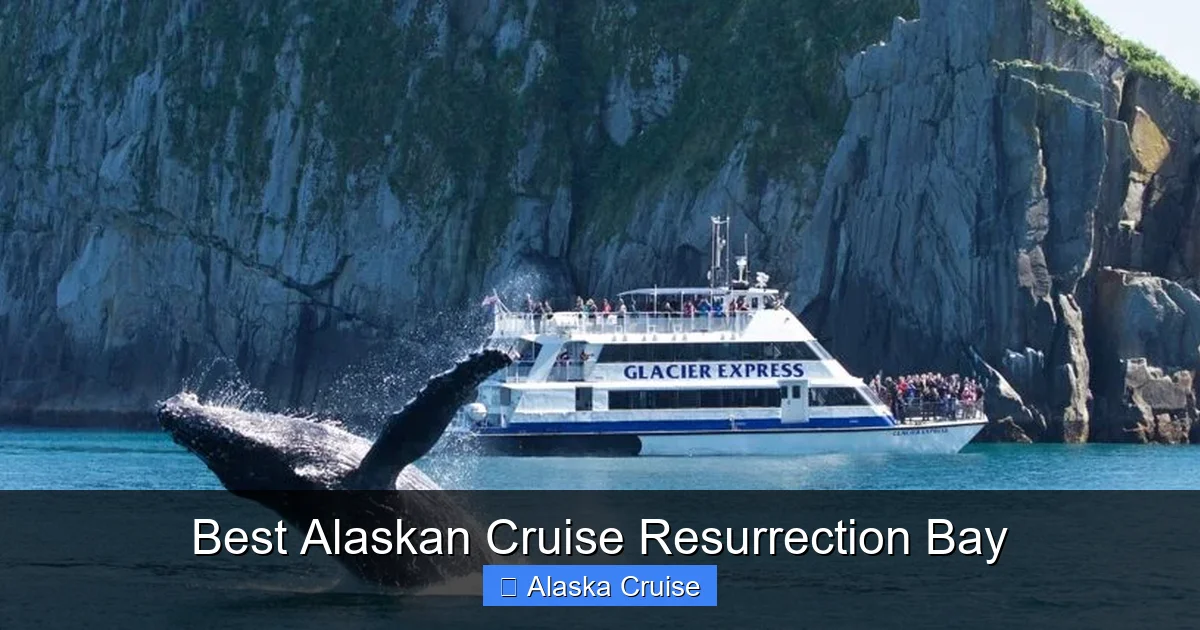
Visual guide about Best Alaskan Cruise Resurrection Bay
Image source: cdn1.alaskatravel.com
Not all Alaskan cruises are created equal, and when it comes to exploring Resurrection Bay, the choice of cruise line can make a big difference in your experience. While major cruise lines like Holland America, Princess, and Royal Caribbean often include Seward as a port stop, they typically offer limited time in the bay due to their large ship sizes and strict itineraries. However, several smaller, expedition-focused cruise operators specialize in immersive Resurrection Bay experiences.
One of the best options is UnCruise Adventures, a company known for its small ships and adventure-focused itineraries. Their vessels, such as the Wilderness Explorer and Spirit of Discovery, carry fewer than 100 passengers and are designed to get you up close to glaciers, wildlife, and remote shorelines. These cruises often include guided kayaking, Zodiac excursions, and naturalist-led talks, making them ideal for travelers who want more than just a scenic sail-by.
Another standout is Alaska Shore Excursions, which offers half-day and full-day Resurrection Bay cruises departing directly from Seward. These tours are perfect if you’re already in the area or arriving via a larger cruise ship. Their boats are equipped with heated cabins, large viewing windows, and experienced captains who know exactly where to find whales, sea lions, and glaciers.
For a more luxurious experience, Lindblad Expeditions (in partnership with National Geographic) offers high-end expedition cruises that include Resurrection Bay as part of a broader Alaska itinerary. These voyages emphasize education and conservation, with onboard naturalists and photographers who help you understand the ecosystem and capture the perfect shot.
Even major cruise lines are improving their offerings. Holland America’s Koningsdam and Princess Cruises’ Discovery Princess now include longer stops in Seward, allowing passengers to book independent Resurrection Bay tours. However, for the most authentic and immersive experience, smaller ships remain the gold standard.
What to Expect on a Resurrection Bay Cruise
So, what exactly happens when you step aboard a Resurrection Bay cruise? The experience can vary depending on the operator and time of year, but there are some common elements that make these journeys so memorable.
Most Resurrection Bay cruises depart from Seward, a charming fishing town about 125 miles south of Anchorage. After a brief safety briefing and welcome from the crew, you’ll set sail into the calm waters of the bay. The first thing you’ll notice is the silence—broken only by the sound of the engine, the wind, and the occasional splash of a jumping fish. As you glide past rocky headlands and dense spruce forests, the landscape begins to change, revealing the first glimpses of glaciers in the distance.
One of the most exciting parts of the journey is wildlife spotting. Resurrection Bay is a hotspot for marine mammals, and it’s not uncommon to see sea otters floating on their backs, sea lions basking on rocky outcrops, and even harbor seals peeking out from icy crevices. Birdwatchers will delight in the sight of bald eagles perched in tall trees, puffins diving for fish, and cormorants drying their wings on sunlit rocks.
As you venture deeper into the bay, the glaciers come into view. The most famous is Holgate Glacier, a towering wall of blue ice that calves regularly, sending chunks of ice crashing into the water below. The sound is thunderous, and the sight is nothing short of spectacular. Many cruises will position the boat at a safe distance to allow passengers to watch the calving process, which can happen multiple times during a single trip.
Another highlight is the chance to see whales. Both humpback and orca whales frequent the waters of Resurrection Bay, especially during the summer months when salmon are abundant. If you’re lucky, you might witness a humpback breaching—launching its massive body out of the water in a display of power and grace. Some cruises even offer hydrophones so you can listen to the haunting songs of humpbacks as they communicate beneath the surface.
Throughout the journey, onboard naturalists provide commentary on the geology, wildlife, and history of the area. They’ll explain how the glaciers formed, why the water is so cold, and how the local ecosystem supports such a diverse array of life. These insights add depth to the experience and help you appreciate the fragility and beauty of this remote environment.
Best Time to Cruise Resurrection Bay
Timing is everything when it comes to planning your Resurrection Bay cruise. While the bay is accessible year-round, the best time to visit is during the summer months—roughly from late May through early September. This is when the weather is most favorable, the wildlife is most active, and the glaciers are at their most dynamic.
May and June mark the beginning of the cruise season. The days are long, with up to 18 hours of daylight, and the landscape is lush and green from spring rains. This is also a great time to see newborn marine mammals, including sea otter pups and seal pups. However, be prepared for cooler temperatures and the possibility of rain.
July and August are peak season for a reason. The weather is at its warmest, with daytime temperatures ranging from 55°F to 65°F (13°C to 18°C). The water is calm, and wildlife sightings are frequent. This is also when salmon runs are in full swing, attracting bears, eagles, and whales to the area. If you’re hoping to see orcas or humpbacks, these months offer the highest chances.
September brings a quieter, more reflective atmosphere. The crowds thin out, and the fall colors begin to emerge along the shoreline. While the weather can be more unpredictable, with increased chances of rain and wind, the scenery is stunning, and the wildlife is still active. Some cruise operators offer special fall itineraries that focus on photography and bird migration.
It’s worth noting that cruise schedules are limited outside of the summer months. Most operators cease operations by mid-September, and winter cruises are rare due to harsh weather conditions and reduced daylight. If you’re flexible with your travel dates, consider booking in late June or early July for the best combination of weather, wildlife, and availability.
Wildlife and Natural Wonders of Resurrection Bay
Resurrection Bay isn’t just beautiful—it’s alive. The bay’s cold, nutrient-rich waters support a thriving marine ecosystem, making it one of the best places in Alaska to see wildlife in its natural habitat.
One of the most iconic residents is the Steller sea lion. These massive creatures, which can weigh up to 2,500 pounds, gather on rocky islands and beaches to rest, breed, and raise their young. You’ll often see them lounging in groups, their deep barks echoing across the water. Keep an eye out for the males, with their thick necks and lion-like manes—they’re hard to miss.
Sea otters are another common sight. These playful mammals are known for their habit of floating on their backs, using rocks to crack open shellfish. They’re incredibly agile in the water and often seen grooming themselves or nursing their pups. Watching a sea otter dive and resurface with a clam is a delightful reminder of nature’s ingenuity.
Of course, no Alaskan cruise is complete without a whale sighting. Humpback whales are the stars of the show, known for their acrobatic breaches and complex songs. They migrate to Resurrection Bay each summer to feed on herring and salmon, often traveling in small pods. Orcas, or killer whales, are less common but equally thrilling. These apex predators travel in family groups called pods and are highly intelligent and social.
Birdlife is equally impressive. Bald eagles soar overhead, their white heads and tails standing out against the blue sky. Puffins, with their colorful beaks and comical expressions, nest on coastal cliffs and dive into the water to catch fish. Cormorants and murres are also abundant, often seen in large flocks along the shoreline.
On land, the bay is surrounded by the rugged peaks of the Kenai Mountains and the lush forests of Kenai Fjords National Park. Waterfalls cascade down steep cliffs, fed by melting glaciers and seasonal rains. The park is home to Exit Glacier, one of the few glaciers accessible by road, and Aialik Glacier, a massive tidewater glacier that calves directly into the bay.
The combination of marine and terrestrial ecosystems makes Resurrection Bay a biodiversity hotspot. Whether you’re scanning the horizon for whales, listening to the calls of seabirds, or marveling at the sheer scale of the glaciers, there’s always something new to discover.
Tips for Making the Most of Your Resurrection Bay Cruise
To ensure your Resurrection Bay cruise is as enjoyable and memorable as possible, a little preparation goes a long way. Here are some practical tips to help you get the most out of your adventure.
First and foremost, dress in layers. Even in summer, temperatures on the water can be cool, and wind chill can make it feel colder. Start with a moisture-wicking base layer, add an insulating mid-layer like a fleece, and top it off with a waterproof and windproof outer shell. Don’t forget a hat, gloves, and sunglasses—the sun reflecting off the water can be intense.
Bring binoculars. While the wildlife is often close, binoculars will help you spot distant whales, eagles, and glacier details. A camera with a good zoom lens is also essential for capturing the dramatic scenery.
Book a small ship or expedition cruise if possible. These vessels offer more intimate experiences, better access to wildlife, and often include guided activities like kayaking or Zodiac tours. They also tend to have fewer passengers, which means less crowding and more personalized attention.
Arrive early in Seward to explore the town before your cruise. Visit the Alaska SeaLife Center, take a walk along the harbor, or grab a coffee at one of the local cafes. This will help you get into the Alaskan mindset and make the most of your time in port.
Stay hydrated and bring snacks. While most cruises provide light refreshments, it’s a good idea to bring water and energy bars, especially if you’re prone to motion sickness or plan to be on deck for long periods.
Finally, be patient and present. Wildlife sightings can’t be guaranteed, and weather conditions may affect your itinerary. Embrace the unpredictability of nature, and take time to simply soak in the beauty around you. Some of the best moments happen when you least expect them—like the sudden appearance of a whale or the quiet stillness of a glacier at dawn.
Combining Your Cruise with Other Alaska Adventures
While Resurrection Bay is a destination in its own right, many travelers choose to extend their trip to experience more of what Alaska has to offer. Seward is conveniently located near several other iconic Alaskan attractions, making it easy to combine your cruise with land-based adventures.
One popular option is to visit Anchorage, Alaska’s largest city, located about two hours north of Seward. Anchorage offers a mix of urban amenities and outdoor recreation, including the Tony Knowles Coastal Trail, the Anchorage Museum, and easy access to Chugach State Park. It’s also a major transportation hub, with flights connecting to other parts of Alaska and the lower 48.
For a true wilderness experience, consider a trip to Denali National Park. Home to North America’s tallest peak, Denali offers stunning mountain vistas, abundant wildlife, and opportunities for hiking, wildlife viewing, and flightseeing tours. Many travelers fly from Anchorage to Denali, spend a few days exploring the park, and then return to Seward for their cruise.
Another great addition is a visit to the Kenai Peninsula. This region is known for its fishing villages, scenic drives, and outdoor activities like kayaking, fishing, and bear viewing. Towns like Homer and Kenai offer a glimpse into Alaska’s coastal culture and are easily accessible from Seward.
Some cruise lines also offer pre- or post-cruise packages that include stays in Anchorage, Denali, or Fairbanks. These packages often include transportation, accommodations, and guided tours, making it easy to see more of Alaska without the hassle of planning every detail.
No matter how you choose to extend your trip, combining a Resurrection Bay cruise with other Alaskan adventures creates a well-rounded and unforgettable experience. You’ll get to see the state’s diverse landscapes—from icy fjords to towering mountains—and gain a deeper appreciation for its natural wonders.
Conclusion: Why Resurrection Bay Is a Must-Do Alaskan Experience
Resurrection Bay stands out as one of the most breathtaking and rewarding destinations on any Alaskan cruise itinerary. Its combination of dramatic glaciers, abundant wildlife, and pristine natural beauty offers a glimpse into the wild heart of Alaska. Whether you’re watching a glacier calve into the sea, spotting a humpback whale breach, or simply soaking in the silence of the fjords, the experience is both humbling and exhilarating.
While major cruise ships can get you to Seward, the real magic happens when you venture out into the bay on a smaller, more agile vessel. These cruises allow for closer encounters with nature, more personalized service, and the flexibility to adapt to weather and wildlife conditions. With the right preparation—layered clothing, binoculars, and an open mind—you’ll be ready to embrace everything Resurrection Bay has to offer.
And if you have the time, consider extending your journey to explore more of Alaska’s wonders. From the urban energy of Anchorage to the towering peaks of Denali, there’s so much to see and do beyond the bay. But no matter how far you travel, the memories of Resurrection Bay—the icy blue glaciers, the playful sea otters, the vast, open water—will stay with you long after you’ve returned home.
So if you’re planning an Alaskan cruise, don’t miss the chance to sail through Resurrection Bay. It’s not just a stop on your itinerary—it’s the heart of the Alaskan experience.
Frequently Asked Questions
What is the best time of year to cruise Resurrection Bay?
The best time to cruise Resurrection Bay is from late May through early September. Summer months offer milder weather, longer daylight hours, and peak wildlife activity, including whale migrations and active glacier calving.
Can you see whales on a Resurrection Bay cruise?
Yes, whale sightings are common, especially humpback and orca whales. Summer is the best time to see them, as they migrate to the area to feed on salmon and herring.
Do I need to book a special tour to see Resurrection Bay?
While some major cruise lines include Seward as a port, booking a dedicated Resurrection Bay cruise—especially on a small expedition vessel—offers a much more immersive and rewarding experience.
What should I wear on a Resurrection Bay cruise?
Dress in layers, including a waterproof outer shell, warm mid-layer, and moisture-wicking base. Don’t forget a hat, gloves, sunglasses, and non-slip shoes for deck safety.
Are there restrooms on Resurrection Bay cruise boats?
Yes, most cruise boats, even small expedition vessels, are equipped with restrooms and basic amenities. Larger tours may also offer heated cabins and snack services.
How long is a typical Resurrection Bay cruise?
Most Resurrection Bay cruises last between 3 to 6 hours, depending on the operator and itinerary. Full-day tours often include additional activities like kayaking or guided wildlife talks.