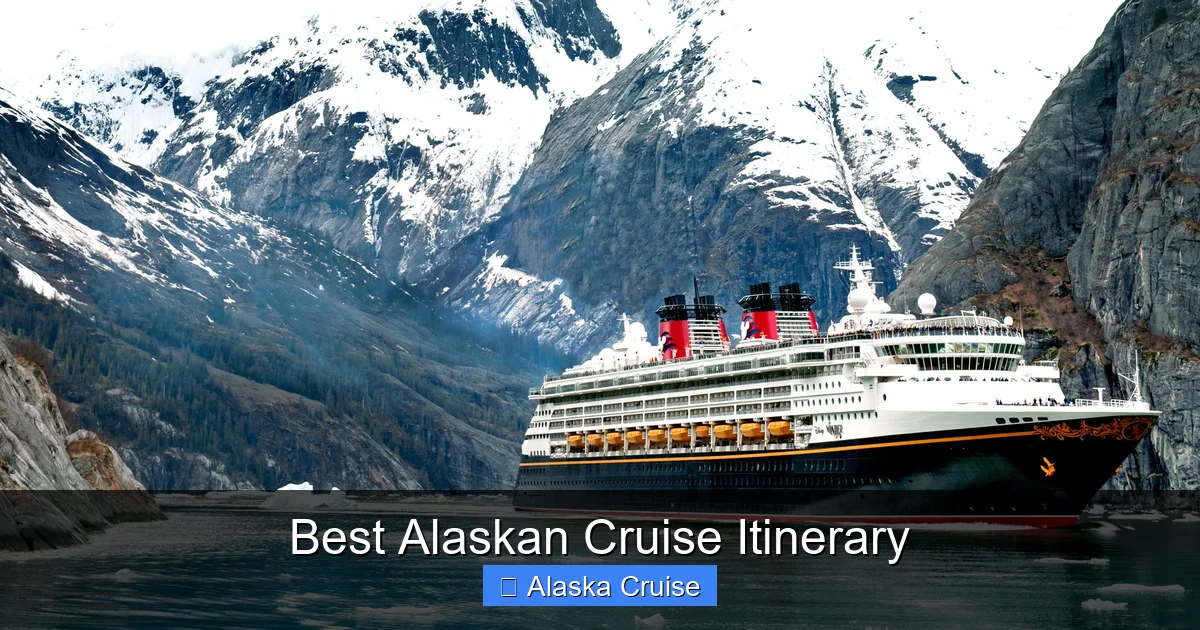
Choosing the best Alaskan cruise itinerary can transform your vacation from good to unforgettable. Whether you’re drawn to glaciers, wildlife, or charming coastal towns, the right route ensures you experience Alaska’s raw beauty and rich culture. This guide breaks down the top routes, timing, and insider tips to help you pick the perfect cruise.
Key Takeaways
- 7-day roundtrip itineraries from Seattle or Vancouver are ideal for first-timers: These offer a balanced mix of scenic cruising, port stops, and onboard comfort.
- Glacier Bay National Park is a must-see: Only select cruises include this UNESCO site, so verify it’s on your route.
- Wildlife viewing peaks in July and August: This is the best time to spot bears, whales, and puffins.
- Inside Passage cruises offer calmer waters and lush scenery: Perfect for travelers prone to seasickness.
- One-way cruises between Seattle and Seward (or Whittier) maximize exploration: These often include more time in port and access to Denali National Park.
- Book excursions early: Popular activities like dog sledding on glaciers or whale watching fill up fast.
- Pack layers and waterproof gear: Alaska’s weather changes quickly, even in summer.
📑 Table of Contents
Why Alaska? The Ultimate Cruise Destination
Alaska isn’t just a destination—it’s a transformation. Picture this: mist rising off emerald waters, snow-capped peaks piercing the sky, and a humpback whale breaching just off the starboard bow. That’s the magic of an Alaskan cruise. Unlike tropical getaways, Alaska offers raw, untamed beauty that feels both ancient and alive. Whether you’re a nature lover, adventure seeker, or someone who just wants to unplug and breathe deeply, Alaska delivers in spades.
What makes Alaska truly special is its diversity. In one day, you might glide past towering glaciers, explore a historic gold rush town, and spot a brown bear fishing for salmon in a river. The state’s vast coastline, protected national parks, and rich Indigenous cultures create a travel experience that’s as educational as it is awe-inspiring. And cruising? It’s the perfect way to see it all. Ships act as floating hotels, delivering you to remote corners of the state with comfort and ease. No packing and unpacking—just wake up in a new, breathtaking location each morning.
Top Alaskan Cruise Itineraries Compared
Not all Alaskan cruises are created equal. The “best” itinerary depends on your interests, time, and travel style. But a few routes consistently rise to the top. Let’s break them down so you can choose with confidence.
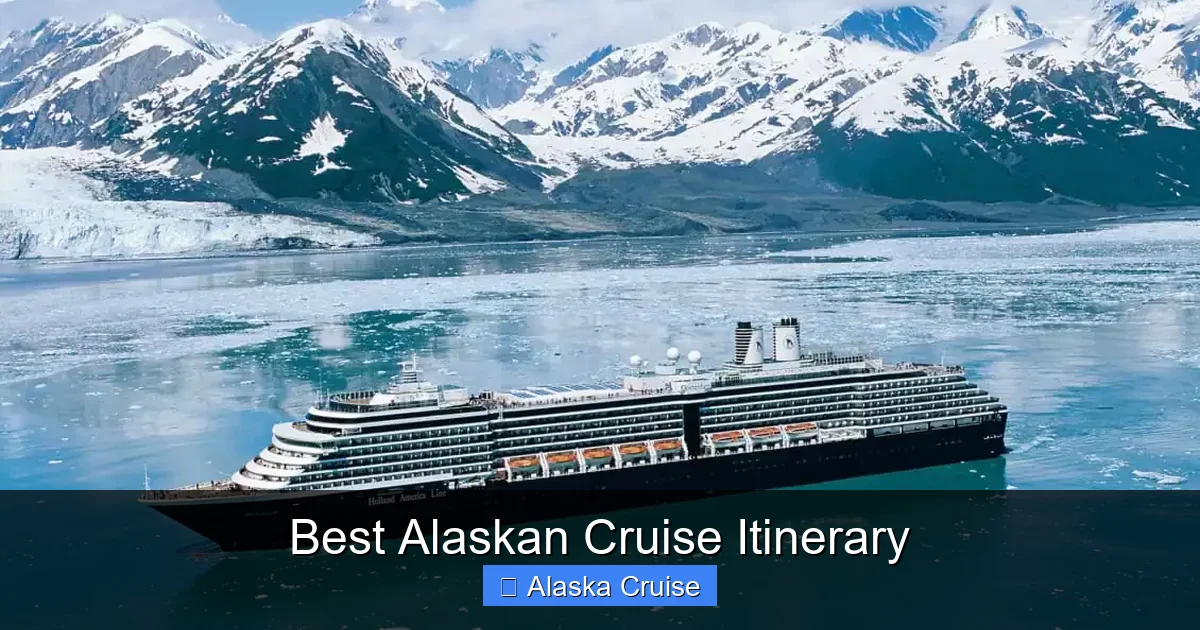
Visual guide about Best Alaskan Cruise Itinerary
Image source: hollandamerica.com
7-Day Roundtrip from Seattle
This is one of the most popular options, especially for U.S. travelers. Departing from Seattle, these cruises typically sail north through the Inside Passage, stopping in Ketchikan, Juneau, Skagway, and often Glacier Bay or Hubbard Glacier before returning. The roundtrip format means no backtracking, and you’ll enjoy two full days at sea for glacier viewing and relaxation.
Why it’s great: It’s convenient, family-friendly, and offers a solid mix of culture, nature, and onboard entertainment. Ships like Norwegian Cruise Line’s Norwegian Encore and Royal Caribbean’s Radiance of the Seas operate this route. Just note: not all Seattle departures include Glacier Bay, so double-check your itinerary.
7-Day Roundtrip from Vancouver
Similar to the Seattle route but starting in Canada, this itinerary often includes Victoria, British Columbia, as a first stop. From there, it heads north through the Inside Passage with stops in Ketchikan, Juneau, and Skagway. Some lines, like Holland America and Princess Cruises, include Glacier Bay on these sailings.
Why it’s great: You get a taste of Canadian coastal charm before diving into Alaska. Plus, Vancouver is a vibrant city worth exploring before or after your cruise. The scenery is equally stunning, and the waters are generally calmer than open-ocean routes.
One-Way Cruises: Seattle to Seward (or Whittier)
For travelers who want to maximize their Alaskan experience, one-way cruises are hard to beat. These 7- to 10-day journeys sail from Seattle to Seward (near Anchorage) or Whittier, often with a land extension to Denali National Park. You’ll spend more time in port, enjoy deeper excursions, and avoid the repetition of a roundtrip.
Why it’s great: You see more of Alaska. Imagine cruising past Hubbard Glacier, then spending two days exploring Denali’s wilderness. Lines like Princess and Holland America offer seamless cruise-and-land packages. Just be ready to fly home from Anchorage or take a train back to Seattle.
10- to 14-Day Extended Itineraries
If you have the time, longer cruises offer unparalleled access to remote areas. Some sail as far north as the Arctic Circle or include stops in Haines, Wrangell, or even Russian-influenced towns like Sitka. These are ideal for repeat visitors or those seeking a more immersive journey.
Why it’s great: You’ll see parts of Alaska most tourists never do. Think: kayaking in Tracy Arm Fjord, visiting Tlingit villages, or spotting moose in the Tongass National Forest. Ships like the Ruby Princess and Volendam offer these extended routes.
Best Time to Cruise Alaska
Timing is everything when it comes to Alaska. The cruise season runs from May to September, but each month offers a different experience. Let’s look at what to expect.
May and Early June: The Quiet Season
Fewer crowds, lower prices, and blooming wildflowers make this a great time to go. Wildlife is active, and you’ll have a better chance of spotting bears along riverbanks. However, some excursions may be limited, and weather can be unpredictable—think rain and cool temperatures.
Tip: Pack warm layers and waterproof boots. Bring binoculars for early-season whale watching, as orcas and humpbacks are often seen near the coast.
July and August: Peak Season
This is the sweet spot for most travelers. Days are long (up to 18 hours of daylight), weather is milder, and all excursions are running. It’s also the best time for wildlife: bears are fishing for salmon, whales are feeding in Glacier Bay, and puffins are nesting on coastal cliffs.
Why it’s popular: Everything is in full swing. But be prepared for crowds, higher prices, and booked-out activities. Book excursions and cabins early—ideally 6–12 months in advance.
September: The Shoulder Season
As summer fades, the landscape turns golden, and the air grows crisp. Crowds thin, prices drop, and you might catch the first hints of autumn color. Wildlife is still active, and some cruise lines offer special fall-themed voyages.
Tip: September is ideal for photographers. The light is softer, and the changing foliage adds drama to glacier backdrops. Just be ready for cooler temps and possible rain.
Must-See Ports and Excursions
Alaska’s ports are more than just photo ops—they’re gateways to adventure. Here’s what not to miss in each major stop.
Ketchikan: The Gateway to the Tongass
Known as the “Salmon Capital of the World,” Ketchikan is your first taste of Alaska’s wild side. Walk the historic Creek Street, visit the Totem Heritage Center, or take a floatplane to Misty Fjords National Monument.
Top excursion: A guided kayak tour through the rainforest or a visit to a Native Alaskan cultural village. Don’t miss the chance to see spawning salmon at the nearby fish ladder.
Juneau: Capital City with a Wild Heart
Alaska’s capital is accessible only by boat or plane—adding to its charm. Juneau offers glacier hikes, whale watching, and a vibrant arts scene. The Mendenhall Glacier is a must, just 12 miles from downtown.
Top excursion: A helicopter ride to the Juneau Icefield, where you can land on the glacier and try dog sledding. Or, take a whale-watching boat tour—humpbacks are common here in summer.
Skagway: Gold Rush Glory
Step back in time in this well-preserved gold rush town. The White Pass & Yukon Route Railway is a highlight—a narrow-gauge train that climbs steep mountainsides with breathtaking views.
Top excursion: Ride the railway to the Canadian border, then hike or bike back. Or, join a guided gold panning tour and try your hand at striking it rich.
Glacier Bay National Park: A UNESCO Treasure
Not a port, but a highlight of many itineraries. Here, you’ll cruise slowly through icy waters, watching glaciers calve—chunks of ice crashing into the sea with thunderous booms. Park rangers come aboard to share insights on the ecosystem.
Tip: Bring a warm jacket and stay on deck. This is one of the most unforgettable experiences in Alaska. Only certain cruise lines (like Holland America and Princess) include Glacier Bay, so verify it’s on your route.
Hubbard Glacier: The Big One
At over 7 miles wide, Hubbard is one of the largest tidewater glaciers in North America. Ships often stop for an hour or more, allowing passengers to witness calving up close. The sound is like a freight train—deep, powerful, and humbling.
Tip: The best views are from the starboard (right) side of the ship as you approach. Bring a camera with a zoom lens.
Onboard Experience: What to Expect
Your ship is more than a mode of transport—it’s your home base for the week. Modern Alaskan cruise ships blend comfort with adventure, offering everything from fine dining to educational programs.
Dining and Entertainment
Most ships feature multiple dining venues, from casual buffets to specialty restaurants. Expect fresh seafood—think Alaskan king crab, halibut, and salmon. Many lines partner with local chefs to offer regional dishes.
Entertainment varies by cruise line. Expect live music, Broadway-style shows, and naturalist lectures. Some ships even have planetariums or glass-bottomed observation lounges for glacier viewing.
Educational Programs
One of the best parts of an Alaskan cruise is learning about the region. Naturalists, historians, and Indigenous storytellers often lead talks on wildlife, geology, and local cultures. These sessions are usually free and held in the main theater or observation lounge.
Tip: Attend the “Glacier Bay Orientation” if your cruise includes it. Rangers explain the park’s history and point out wildlife from the ship’s bridge.
Family-Friendly Features
Many ships cater to families with kids’ clubs, movie nights, and interactive science programs. Some even offer junior ranger activities in partnership with the National Park Service.
Tip: Check if your cruise line offers family excursions, like guided nature walks or junior whale-watching tours. These are great for keeping kids engaged.
Packing Tips for Your Alaskan Cruise
Alaska’s weather is famously unpredictable. Even in summer, temperatures can range from 40°F to 70°F, with rain always a possibility. Packing smart is key to staying comfortable.
Essential Gear
- Waterproof jacket and pants: A must for deck time and excursions.
- Layered clothing: Pack thermal base layers, fleece, and a warm sweater.
- Comfortable walking shoes: Waterproof hiking boots are ideal for shore excursions.
- Binoculars: Essential for spotting wildlife from the ship.
- Sunscreen and sunglasses: The sun reflects off snow and water, increasing UV exposure.
- Camera with extra batteries: Cold weather drains batteries fast.
What Not to Bring
Avoid cotton clothing—it stays wet and cold. Also, leave bulky suitcases at home. Cruise cabins are compact, so pack light and use soft-sided bags.
Tip: Many ships offer laundry services, so you don’t need to bring a week’s worth of clothes. Pack for 3–4 days and wash as needed.
Choosing the Right Cruise Line
Not all cruise lines are the same. Your choice affects everything from food to itinerary to onboard vibe. Here’s a quick guide.
Holland America Line
Known for its classic elegance and strong focus on Alaska. HAL includes Glacier Bay on most itineraries and offers excellent naturalist programs. Ships are mid-sized, offering a balance of comfort and intimacy.
Princess Cruises
A top choice for first-timers. Princess offers extensive land-and-sea packages, including Denali National Park. Their ships are large but well-designed, with great dining and entertainment.
Norwegian Cruise Line
Perfect for families and those who want flexibility. NCL’s “Freestyle Cruising” means no fixed dining times or dress codes. Great for casual travelers who want to explore at their own pace.
Royal Caribbean
Offers the most onboard activities—rock climbing, surf simulators, and Broadway shows. Ideal for active travelers and families. Ships are large and lively.
Small Ship and Luxury Options
For a more intimate experience, consider lines like UnCruise Adventures or Seabourn. These smaller ships can access remote fjords and offer personalized service. Expect higher prices but unmatched access and attention.
Final Tips for the Best Alaskan Cruise Experience
You’ve picked your itinerary, booked your cabin, and packed your bags. Now, how do you make the most of your trip?
- Book excursions early: Popular tours sell out months in advance. Use the cruise line’s website or app to reserve spots as soon as bookings open.
- Arrive a day early: Flights to Seattle or Vancouver can be delayed. Arriving early reduces stress and gives you time to explore the departure city.
- Bring cash for tips and souvenirs: While most expenses are included, you’ll want cash for port taxes, gratuities, and local crafts.
- Stay flexible: Weather can alter itineraries. If a glacier viewing is canceled, enjoy the extra time in port or onboard.
- Respect the environment: Alaska’s ecosystems are fragile. Follow guidelines, don’t litter, and support local, sustainable businesses.
An Alaskan cruise isn’t just a vacation—it’s a journey into one of the last great wildernesses on Earth. With the right itinerary, you’ll return home with stories that last a lifetime.
Frequently Asked Questions
What is the best month to take an Alaskan cruise?
July and August are the best months for wildlife viewing, mild weather, and full excursion availability. However, May and September offer fewer crowds and lower prices, with still-plenty of natural beauty.
Do I need a passport for an Alaskan cruise?
If your cruise departs and returns to the same U.S. port (like Seattle), a passport is not required—but it’s highly recommended. If your itinerary includes foreign ports (like Vancouver), a passport is mandatory.
Are Alaskan cruises family-friendly?
Yes! Many cruise lines offer kids’ clubs, family excursions, and educational programs. Ships like Norwegian and Royal Caribbean are especially popular with families.
Can I see the Northern Lights on an Alaskan cruise?
It’s rare. The Northern Lights are best seen in winter, while cruise season runs in summer. However, some extended itineraries in late September may offer a chance—though sightings are not guaranteed.
How much should I budget for excursions?
Excursions typically range from $50 to $300 per person, depending on the activity. Whale watching, glacier hikes, and dog sledding are on the higher end. Budget at least $200–$400 per person for a 7-day cruise.
Is motion sickness a concern on Alaskan cruises?
Generally, no. Most Alaskan cruises sail through the protected Inside Passage, where waters are calm. However, if your route includes open ocean (like the Gulf of Alaska), seas can be rougher—especially in early or late season.