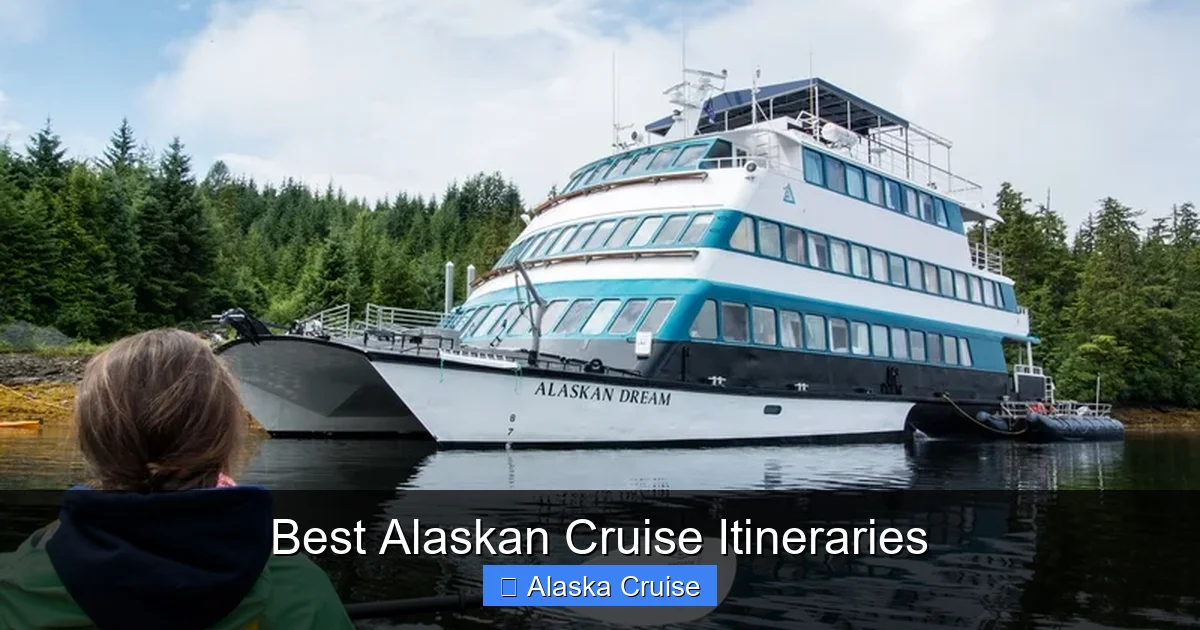
Alaska offers some of the most breathtaking cruise experiences on Earth, combining dramatic glaciers, abundant wildlife, and charming coastal towns. Whether you’re seeking a week-long escape or an extended adventure, the best Alaskan cruise itineraries balance scenic beauty, cultural immersion, and onboard comfort for an unforgettable journey.
Dreaming of towering glaciers, breaching humpback whales, and misty fjords wrapped in endless evergreen forests? A cruise through Alaska is more than a vacation—it’s a front-row seat to nature’s greatest show. With over 6,000 miles of coastline, Alaska’s rugged beauty is best explored by sea, where every turn reveals a new wonder. From the icy grandeur of Glacier Bay to the charming boardwalks of Ketchikan, the best Alaskan cruise itineraries offer a perfect blend of adventure, relaxation, and cultural discovery.
Unlike typical beach getaways, an Alaskan cruise immerses you in raw, untamed landscapes. You’ll sail past snow-capped peaks, spot black bears foraging along riverbanks, and hear the thunderous crack of glaciers calving into the sea. But it’s not all about scenery—these journeys also connect you with Alaska’s rich Indigenous heritage, gold rush history, and vibrant coastal communities. Whether you’re a first-time cruiser or a seasoned traveler, there’s an itinerary tailored to your pace, interests, and sense of adventure.
With so many options available, choosing the right cruise can feel overwhelming. Do you want a luxurious floating resort or an intimate expedition ship? Should you sail roundtrip from Seattle or embark on a one-way journey ending in Seward? How many days are ideal? This guide breaks down the best Alaskan cruise itineraries, highlighting top routes, must-see ports, and insider tips to help you plan the trip of a lifetime.
Key Takeaways
- Roundtrip vs. One-Way Cruises: Roundtrip itineraries from Seattle or Vancouver offer convenience, while one-way cruises (e.g., Seattle to Seward) provide more time in port and access to Denali National Park.
- Glacier Viewing is a Must: Every top itinerary includes stops at Glacier Bay or Hubbard Glacier—prime spots for witnessing calving ice and icy fjords.
- Wildlife Encounters Abound: Look for routes that include Juneau, Ketchikan, and Icy Strait Point for chances to see whales, bears, eagles, and sea otters.
- Smaller Ships Offer Unique Access: Boutique lines like UnCruise or Lindblad Expeditions reach remote inlets and offer expert-led excursions not available on larger vessels.
- Best Time to Go: May through September offers mild weather, longer daylight, and peak wildlife activity—July and August are busiest but most reliable.
- Shore Excursions Enhance the Experience: Book whale-watching, dog sledding on glaciers, or cultural tours with local Indigenous communities to deepen your connection to Alaska.
- Pack Smart: Layers, waterproof gear, and binoculars are essential—weather changes quickly, even in summer.
📑 Table of Contents
Top Alaskan Cruise Itineraries for 2024–2025
When it comes to exploring Alaska by sea, not all cruises are created equal. The best Alaskan cruise itineraries are carefully crafted to maximize scenic beauty, wildlife sightings, and cultural experiences—all while balancing comfort and convenience. Below are six standout routes that consistently earn rave reviews from travelers and cruise experts alike.
1. Classic Roundtrip from Seattle (7–8 Days)
This is one of the most popular options for first-time cruisers. Departing from Seattle, these itineraries typically sail north through the Inside Passage, stopping at Ketchikan, Juneau, Skagway, and often Glacier Bay or Tracy Arm Fjord before returning south. Ships like Norwegian Cruise Line’s Norwegian Encore and Royal Caribbean’s Radiance of the Seas offer this route with a mix of modern amenities and scenic cruising.
Why it’s great: You avoid the hassle of flying into different cities, and the roundtrip format means you can unpack once and let the ship do the driving. Plus, Seattle is a major hub with easy airport access. Many cruises include a full day at sea for glacier viewing, giving you uninterrupted time to snap photos and sip hot cocoa on deck.
Pro tip: Book an oceanview or balcony stateroom—you’ll want to be outside when passing through the narrow channels near Stephens Passage or the stunning waterfalls of Tracy Arm.
2. One-Way Glacier Route: Seattle to Seward (7–9 Days)
For travelers seeking a more immersive experience, a one-way cruise from Seattle to Seward (or vice versa) is hard to beat. These itineraries often include extended time in port, allowing for excursions into Denali National Park or Kenai Fjords. Holland America Line and Princess Cruises are known for their well-paced one-way routes.
Why it’s great: You get the best of both worlds—coastal cruising and access to Alaska’s interior. After disembarking in Seward, many travelers take a train or bus to Anchorage or Denali, turning their cruise into a multi-leg adventure. This route also typically includes a full day in Glacier Bay National Park, a UNESCO World Heritage Site.
Pro tip: Arrive in Seattle a day early to explore the city, and plan a post-cruise stay in Anchorage to visit the Alaska Native Heritage Center or take a flightseeing tour over Denali.
3. Vancouver Roundtrip (7–10 Days)
Departing from Vancouver, Canada, this itinerary offers a slightly different perspective, with early stops in British Columbia before entering Alaskan waters. Cruise lines like Celebrity Cruises and Disney Cruise Line offer this route, often with family-friendly programming and elegant dining options.
Why it’s great: Vancouver is a stunning city with mountain and ocean views, making it a worthy starting point. The route often includes Prince Rupert, BC—a lesser-known gem with Indigenous cultural centers and rainforest hikes—before heading into Alaska’s iconic ports.
Pro tip: If you’re traveling with kids, Disney’s Alaska cruises include character meet-and-greets, themed activities, and expert naturalists onboard to engage young explorers.
4. Extended Expedition Cruises (10–14 Days)
For adventurers craving depth over speed, extended itineraries offer a slower, more intimate look at Alaska. These cruises, often on smaller ships like those from UnCruise Adventures or Lindblad Expeditions, venture into remote areas like the Gulf of Alaska, the Aleutian Islands, or the rarely visited St. Matthew Island.
Why it’s great: Smaller ships can navigate narrow channels and anchor closer to wildlife hotspots. You’ll enjoy expert-led Zodiac tours, kayaking among icebergs, and lectures by marine biologists or historians. These cruises often include visits to Native Alaskan villages, offering authentic cultural exchanges.
Pro tip: Expedition cruises fill up fast and tend to be pricier, so book early. Also, be prepared for variable weather—pack warm, waterproof layers even in summer.
5. Glacier-Focused Itineraries (7–9 Days)
If glaciers are your main draw, look for cruises that spend multiple days in icy waters. These itineraries often include both Glacier Bay and Hubbard Glacier, two of Alaska’s most spectacular ice formations. Princess Cruises’ “Glacier Bay & Scenic Cruising” route is a standout example.
Why it’s great: You’ll get up close to massive tidewater glaciers, hear the roar of calving ice, and possibly spot seals lounging on ice floes. Some ships even offer special “glacier viewing” events with hot drinks and commentary from naturalists.
Pro tip: Bring binoculars and a zoom lens—some of the best glacier views are from a distance, especially when icebergs drift into view.
6. Small Ship Coastal Journeys (5–7 Days)
Perfect for travelers who prefer a shorter, more flexible trip, small ship cruises focus on coastal exploration with frequent stops. Lines like Alaskan Dream Cruises and Bearfoot Oceanic operate yacht-like vessels that visit hidden coves, hot springs, and local fishing villages.
Why it’s great: These cruises feel more like a private tour than a traditional cruise. You’ll have opportunities to go ashore in remote locations, meet local fishermen, and enjoy gourmet meals featuring fresh Alaskan seafood.
Pro tip: These cruises are ideal for active travelers—many include hiking, paddleboarding, or even overnight camping on remote islands.
Must-Visit Ports on Alaskan Cruise Itineraries
While the journey between ports is often the highlight, the stops along the way are what bring Alaska to life. Each port offers a unique flavor of the state’s culture, history, and natural wonders. Here are the top destinations you’ll want to see on your itinerary.
Juneau: The Capital with a Wild Heart
As Alaska’s capital, Juneau is the only state capital in the U.S. that’s inaccessible by road—you can only reach it by plane or boat. Nestled between mountains and sea, Juneau is a gateway to Mendenhall Glacier, one of the most accessible glaciers in Alaska.
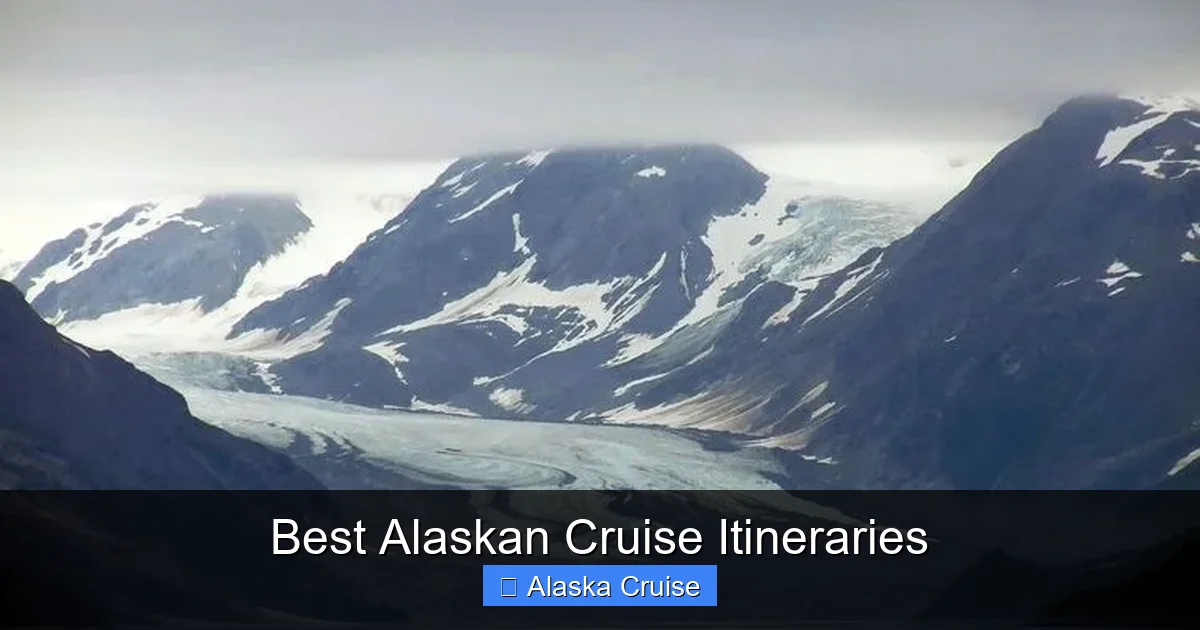
Visual guide about Best Alaskan Cruise Itineraries
Image source: tripsavvy.com
Don’t miss: A helicopter tour to land on a glacier, a whale-watching excursion in Stephens Passage, or a visit to the Alaska State Museum to learn about Tlingit culture. For the adventurous, the Mount Roberts Tramway offers stunning views and hiking trails.
Ketchikan: The Salmon Capital of the World
Known for its colorful totem poles, boardwalks, and abundant salmon, Ketchikan is a cultural hub in the Tongass National Forest. It’s also one of the rainiest places in Alaska, so pack a raincoat!
Don’t miss: A tour of Totem Bight State Park, a lumberjack show at the Great Alaskan Lumberjack Show, or a visit to a local fish processing plant to see salmon being prepared for market. For a unique experience, take a floatplane tour to Misty Fjords National Monument.
Skagway: Gateway to the Klondike Gold Rush
This historic town feels like a step back in time, with wooden sidewalks and false-front buildings from the 1890s gold rush era. Skagway is the starting point for the White Pass & Yukon Route Railway, a scenic train ride that climbs 3,000 feet through mountain tunnels.
Don’t miss: The train ride to Bennett Lake, a visit to the Klondike Gold Rush National Historical Park, or a dog sledding experience with huskies that once pulled mail sleds. Skagway is also a great place to pick up handmade Alaskan crafts.
Glacier Bay National Park: A UNESCO Treasure
Not a port in the traditional sense, Glacier Bay is a protected wilderness area where ships slow to a crawl to allow passengers to witness calving glaciers, sea lions, and breaching whales. A National Park Service ranger boards the ship to provide commentary and answer questions.
Don’t miss: The early morning light on the glaciers—golden hues reflect off the ice, creating a photographer’s dream. Keep an eye out for humpback whales feeding in the nutrient-rich waters.
Icy Strait Point: Adventure and Culture Combined
Owned and operated by the Huna Totem Corporation, a Native Alaskan village corporation, Icy Strait Point offers a unique blend of adventure and Indigenous culture. It’s one of the best places in Alaska to see brown bears in the wild.
Don’t miss: The world’s largest zip line, a bear-watching tour at nearby Pack Creek, or a traditional Tlingit dance performance. The food here is also exceptional—try the fresh Dungeness crab or salmon burgers.
Seward: Gateway to Kenai Fjords
Located on the Kenai Peninsula, Seward is a launching point for exploring Kenai Fjords National Park. Many cruises end here, allowing passengers to extend their trip with a land tour.
Don’t miss: A boat tour into Kenai Fjords to see tidewater glaciers and marine wildlife, or a visit to the Alaska SeaLife Center to learn about local marine ecosystems. For hikers, the Exit Glacier area offers accessible trails with stunning views.
Choosing the Right Cruise Line for Your Itinerary
With so many cruise lines offering Alaskan voyages, selecting the right one can make or break your experience. Each line has its own style, from luxury to adventure to family-friendly fun. Here’s how to match your travel style with the best operator.
Luxury and Comfort: Holland America & Princess Cruises
These lines are known for their elegant ships, excellent service, and well-balanced itineraries. Both offer a mix of scenic cruising and port time, with enrichment programs featuring naturalists and historians. Princess Cruises, in particular, has a strong partnership with the National Park Service, enhancing the Glacier Bay experience.
Family Fun: Disney Cruise Line & Royal Caribbean
If you’re traveling with kids, Disney and Royal Caribbean offer themed activities, character experiences, and age-appropriate programming. Disney’s Alaska cruises include special events like “Frozen” sing-alongs and pirate nights, while Royal Caribbean features rock climbing walls and surf simulators.
Adventure and Exploration: UnCruise & Lindblad Expeditions
For travelers who want to get off the beaten path, these expedition lines offer small ships, expert guides, and immersive activities like kayaking, hiking, and wildlife photography workshops. Lindblad partners with National Geographic, adding a layer of scientific insight to every journey.
Budget-Friendly Options: Norwegian Cruise Line & Carnival
If you’re looking for value, Norwegian and Carnival offer competitive pricing and flexible dining options. Norwegian’s “Freestyle Cruising” means no set dining times or dress codes, making it ideal for casual travelers. Just be aware that these ships are larger and may not access some remote areas.
Best Time to Take an Alaskan Cruise
Timing is everything when it comes to Alaska. While the cruise season runs from May to September, each month offers a different experience.
May and June: Shoulder Season Advantages
These months offer fewer crowds, lower prices, and the chance to see spring blooms and newborn wildlife. However, some excursions may be limited, and weather can be unpredictable. May is especially beautiful for seeing glaciers before summer melt begins.
July and August: Peak Season
The most popular time to cruise, July and August offer the warmest weather, longest daylight hours (up to 18 hours of sun), and the full range of excursions. Wildlife is abundant, and all ports are fully operational. Book early—these months sell out fast.
September: Fall Colors and Fewer Crowds
As summer winds down, September brings stunning fall foliage, especially in the interior. Crowds thin out, and prices drop. You may still see whales and bears, though some tours begin to close by mid-month. It’s a great time for photographers and those seeking a quieter experience.
Packing Tips and What to Expect Onboard
An Alaskan cruise is unlike any other voyage, and packing smart is key to enjoying your trip.
What to Pack
- Layered Clothing: Temperatures can vary from 40°F to 70°F. Pack thermal base layers, fleece, waterproof jackets, and warm hats.
- Waterproof Gear: A good raincoat and waterproof shoes are essential—especially for tendering in small boats.
- Binoculars: You’ll want these for spotting whales, bears, and distant glaciers.
- Camera with Zoom Lens: Capture close-ups of wildlife without disturbing them.
- Sunscreen and Sunglasses: Even on cloudy days, UV rays are strong near water and ice.
- Medications and Motion Sickness Remedies: The Inside Passage can get choppy, especially in early summer.
Onboard Experience
Most Alaskan cruises offer a mix of relaxation and enrichment. Expect lectures on geology, wildlife, and Native culture, as well as live music, cooking demonstrations, and local cuisine featuring fresh seafood. Many ships have outdoor viewing areas, hot tubs, and even glass-bottomed lounges for glacier viewing.
Dining is a highlight, with Alaskan king crab, salmon, and halibut featured on menus. Don’t miss the specialty restaurants—many offer locally sourced ingredients and regional dishes.
Conclusion
An Alaskan cruise is more than a vacation—it’s a journey into one of the world’s last great wildernesses. The best Alaskan cruise itineraries offer a perfect balance of natural beauty, cultural discovery, and onboard comfort, whether you’re sailing on a grand ocean liner or a nimble expedition vessel. From the thunder of calving glaciers to the quiet majesty of a bald eagle soaring overhead, every moment feels like a gift.
When choosing your itinerary, consider your travel style, budget, and must-see destinations. Roundtrip cruises offer convenience, while one-way routes open doors to Alaska’s interior. Smaller ships provide intimacy and access, while larger vessels deliver luxury and entertainment. No matter which path you choose, you’ll return home with memories that last a lifetime—and maybe a newfound love for the Last Frontier.
So pack your bags, grab your camera, and set sail. Alaska is waiting.
Frequently Asked Questions
What is the best month to take an Alaskan cruise?
The best time is July and August for warm weather, full excursion availability, and peak wildlife activity. However, May and September offer fewer crowds and lower prices, with unique seasonal beauty.
Do I need a passport for an Alaskan cruise?
If your cruise is roundtrip from the U.S. (e.g., Seattle to Alaska and back), a passport is not required—but it’s highly recommended in case of emergencies. For cruises departing from or arriving in Canada, a passport is mandatory.
Can I see whales on an Alaskan cruise?
Yes! Humpback, orca, and gray whales are commonly spotted, especially in summer. Juneau, Icy Strait Point, and the waters near Glacier Bay are prime whale-watching areas.
Are Alaskan cruises suitable for families?
Absolutely. Lines like Disney, Royal Caribbean, and Norwegian offer kid-friendly activities, entertainment, and educational programs. Many ships have youth clubs and family-friendly excursions.
How much should I budget for shore excursions?
Shore excursions typically range from $50 to $300 per person, depending on the activity. Whale watching, dog sledding, and flightseeing tours are on the higher end, while city tours and cultural visits are more affordable.
What should I wear on an Alaskan cruise?
Pack in layers: thermal underwear, fleece, waterproof jacket, warm hat, and gloves. Even in summer, temperatures can drop, especially on glacier days. Comfortable walking shoes are a must for shore excursions.