
Experience the magic of Alaska’s Inside Passage—a breathtaking maritime route filled with towering glaciers, abundant wildlife, and charming coastal towns. This guide covers the best cruise lines, must-see stops, and insider tips to help you plan the ultimate Alaskan cruise inside passage adventure.
Dreaming of snow-capped peaks, icy blue glaciers, and whales breaching in calm waters? A cruise through Alaska’s Inside Passage might just be the adventure of a lifetime. This stunning 500-mile stretch of protected waterways winds through the rugged coastline of southeastern Alaska, offering some of the most dramatic and unspoiled scenery on Earth. From lush rainforests and fjords to vibrant coastal towns and abundant wildlife, the Inside Passage is a natural wonderland best explored by ship.
Unlike open-ocean cruises, the Inside Passage is a narrow, sheltered route that hugs the coast, allowing passengers to get up close to nature. You’ll glide past towering cliffs, cascading waterfalls, and dense temperate rainforests—all while enjoying the comfort and luxury of a modern cruise ship. Whether you’re a first-time cruiser or a seasoned traveler, this journey offers a unique blend of relaxation and adventure. And with so many cruise lines and itineraries to choose from, there’s an Alaskan cruise inside passage experience for every type of traveler.
Key Takeaways
- Glacier viewing is a highlight: The Inside Passage offers front-row seats to massive tidewater glaciers like Hubbard and Sawyer, often with calving events you can hear and see up close.
- Wildlife sightings are frequent: Expect to spot humpback whales, orcas, sea lions, bald eagles, and even bears along the shoreline during your journey.
- Smaller ships offer better access: Boutique and expedition-style cruises can navigate narrower channels and dock closer to key attractions than larger vessels.
- Peak season is May to September: Summer months offer milder weather, longer daylight hours, and the best chances for wildlife and glacier viewing.
- Pack layers and rain gear: Alaska’s weather can change quickly—waterproof jackets, warm layers, and sturdy footwear are essential.
- Book excursions in advance: Popular activities like whale watching, kayaking, and flightseeing tours fill up fast, especially in busy ports like Juneau and Ketchikan.
- Choose your cruise line wisely: Different lines offer varied experiences—luxury, adventure, family-friendly, or educational—so match your cruise to your travel style.
📑 Table of Contents
Why the Inside Passage Is a Must-See Destination
The Inside Passage isn’t just a scenic route—it’s a gateway to Alaska’s soul. This region is home to some of the state’s most iconic natural landmarks, including Glacier Bay National Park, Tracy Arm Fjord, and the Tongass National Forest, the largest national forest in the United States. The passage also connects several charming port towns, each with its own culture, history, and outdoor adventures.
One of the biggest draws is the opportunity to witness glaciers in action. Unlike land-based tours, a cruise allows you to approach glaciers from the water, giving you a front-row seat to the thunderous sound of ice calving into the sea. Hubbard Glacier, one of the largest tidewater glaciers in North America, is a frequent stop on many itineraries and never fails to impress.
Wildlife is another major highlight. The nutrient-rich waters of the Inside Passage attract a wide variety of marine life. Humpback whales feed here in the summer, often putting on spectacular displays of breaching and tail slapping. Orcas, sea otters, and harbor seals are also commonly spotted. On land, black and brown bears forage along the shorelines, while bald eagles soar above the treetops.
Natural Wonders Along the Route
The Inside Passage is packed with natural attractions that will leave you in awe. One of the most famous is Tracy Arm, a narrow fjord flanked by 3,000-foot granite walls and home to the twin Sawyer Glaciers. Kayaking or taking a small boat tour here lets you get within feet of the ice, where you might hear the deep groan of shifting glaciers.
Another must-see is Glacier Bay National Park, a UNESCO World Heritage Site. This 1,300-square-mile park is accessible only by boat or plane and features over a dozen active glaciers. The park is also a critical habitat for humpback whales, sea lions, and harbor seals. Many cruise ships include a guided naturalist on board during the Glacier Bay passage, offering insightful commentary about the park’s geology and ecology.
For those who love waterfalls, the Inside Passage delivers in spades. The region’s heavy rainfall and steep terrain create countless cascades, many of which plunge directly into the sea. One of the most photographed is the waterfall at Ketchikan’s Deer Mountain, which drops 1,200 feet in a single leap.
Cultural and Historical Highlights
Beyond its natural beauty, the Inside Passage is rich in Indigenous culture and history. The Tlingit, Haida, and Tsimshian peoples have lived in this region for thousands of years, and their influence is still strong today. In towns like Ketchikan and Haines, you’ll find totem parks, cultural centers, and traditional art galleries that celebrate Native heritage.
Ketchikan, known as the “Salmon Capital of the World,” is a great place to learn about Alaska’s fishing industry and Indigenous traditions. The Totem Heritage Center houses some of the oldest restored totem poles in the region, while nearby Saxman Village offers cultural performances and craft demonstrations.
Juneau, Alaska’s capital, is another cultural hub. Accessible only by boat or plane, Juneau blends modern amenities with a strong sense of history. The Alaska State Museum and the Juneau-Douglas City Museum offer fascinating exhibits on local history, while the nearby Mendenhall Glacier provides a stunning natural backdrop.
Top Ports of Call on an Alaskan Cruise Inside Passage
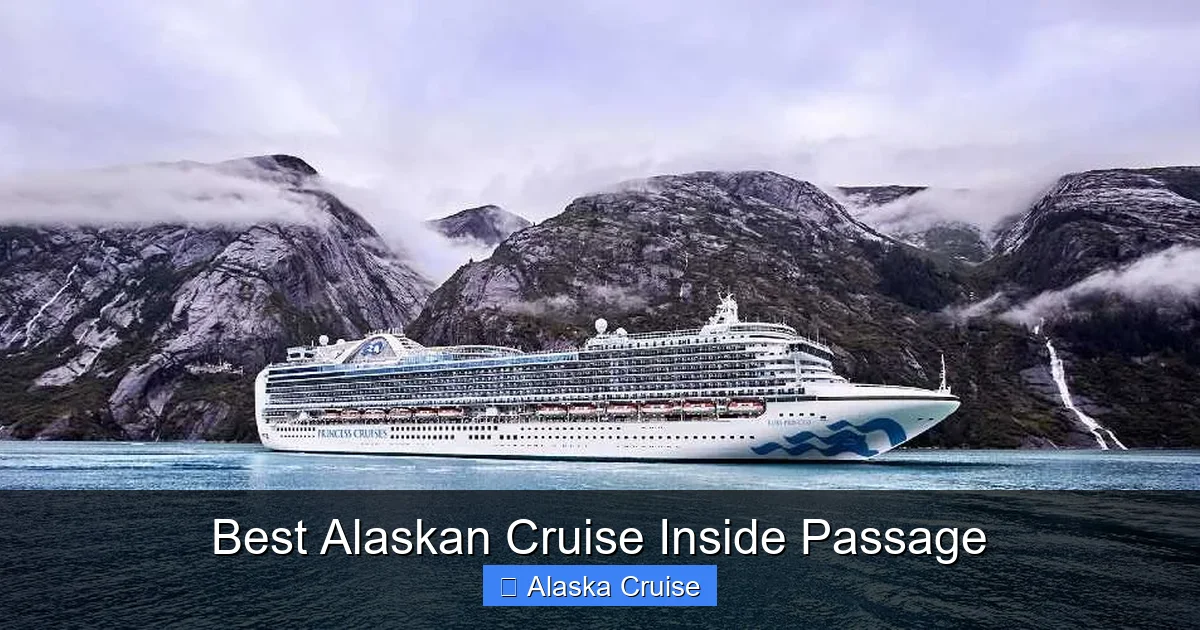
Visual guide about Best Alaskan Cruise Inside Passage
Image source: cruiseagency.com.au
One of the best parts of an Alaskan cruise inside passage is the variety of ports you’ll visit. Each stop offers something different—whether it’s outdoor adventures, cultural experiences, or simply stunning scenery. Here are some of the most popular and rewarding destinations.
Juneau
As the only U.S. state capital not accessible by road, Juneau has a unique charm. Nestled between the mountains and the sea, it’s a gateway to both urban comforts and wild adventures. The city is home to the famous Mendenhall Glacier, a 13-mile-long river of ice that’s easily accessible via a short hike or bus ride.
Juneau is also a hotspot for whale watching. Several tour operators offer boat excursions into Stephens Passage, where humpback whales are frequently seen feeding and playing. Flightseeing tours are another popular option, offering aerial views of glaciers, fjords, and the surrounding wilderness.
For history buffs, the Alaska State Capitol building and the historic downtown district are worth exploring. Don’t miss the Red Dog Saloon, a lively bar with live music and a fun, rustic atmosphere.
Ketchikan
Known for its colorful buildings, boardwalks, and rich Indigenous culture, Ketchikan is often the first stop on many Inside Passage cruises. The town sits on the edge of the Tongass National Forest and is surrounded by water on three sides.
One of Ketchikan’s main attractions is Creek Street, a historic boardwalk built over the water in the early 1900s. Once a bustling red-light district, it’s now lined with shops, galleries, and restaurants. Nearby, the Totem Heritage Center and Saxman Native Village offer deep dives into Native Alaskan art and traditions.
Outdoor enthusiasts will love the opportunities for kayaking, fishing, and hiking. The Deer Mountain Trail is a moderate hike that rewards you with panoramic views of the town and surrounding islands. For a more relaxed experience, take a scenic floatplane tour over the Misty Fjords National Monument.
Skagway
Step back in time in Skagway, a Gold Rush-era town that feels like it’s frozen in the late 1800s. This UNESCO World Heritage Site was once the gateway to the Klondike Gold Fields, and its wooden boardwalks and false-front buildings still echo with the spirit of prospectors and adventurers.
The White Pass and Yukon Route Railway is one of Skagway’s top attractions. This historic narrow-gauge railroad climbs 2,865 feet in just 20 miles, offering breathtaking views of waterfalls, canyons, and mountain peaks. The journey ends in the ghost town of Bennett, British Columbia, where you can explore old cabins and learn about the gold rush era.
For a more active adventure, try dog sledding on a glacier or take a guided hike through the surrounding wilderness. Skagway is also a great base for exploring the nearby Glacier Bay or taking a boat tour to see sea lions and bald eagles.
Haines
Often overlooked but well worth a visit, Haines is a quiet, scenic town known for its artistic community and outdoor recreation. It’s one of the best places in Alaska to see brown bears, especially during the salmon run in late summer.
The Chilkat River is a prime bear-watching spot, where you can take a guided boat tour to observe these majestic animals fishing for salmon. The Haines Sheldon Museum and Cultural Center offers exhibits on local history and Indigenous culture, while the Hammer Museum showcases antique tools and machinery.
Haines is also a gateway to the Chilkat State Park, where you can hike, kayak, or simply enjoy the peaceful surroundings. The town’s laid-back vibe and stunning mountain views make it a favorite among travelers seeking a more authentic Alaskan experience.
Glacier Bay National Park
While not a traditional port, Glacier Bay is a highlight of any Inside Passage cruise. This remote wilderness area is accessible only by boat or plane and offers some of the most dramatic glacier scenery in Alaska.
As your ship navigates the bay, you’ll pass towering ice formations, deep blue waters, and rugged mountain peaks. The park is home to over a dozen active glaciers, including the famous Margerie and Lamplugh Glaciers. Naturalists on board provide commentary on the park’s geology, wildlife, and conservation efforts.
Wildlife sightings are common in Glacier Bay. Keep an eye out for humpback whales, sea otters, harbor seals, and bald eagles. On land, you might spot black bears, mountain goats, and moose. The park’s pristine environment and lack of development make it a truly unforgettable experience.
Best Cruise Lines for an Alaskan Inside Passage Experience
With so many cruise lines offering Alaskan itineraries, choosing the right one can be overwhelming. Each line has its own style, amenities, and focus—so it’s important to pick one that matches your travel preferences.
Luxury and All-Inclusive Options
For travelers seeking comfort and premium service, luxury lines like Seabourn, Silversea, and Regent Seven Seas offer all-inclusive experiences with spacious suites, gourmet dining, and personalized service. These ships are smaller, allowing them to access remote areas and provide more intimate wildlife and glacier viewing.
Seabourn’s “Glacier and Fjords” itinerary, for example, includes exclusive access to Tracy Arm and Glacier Bay, along with expert naturalists and enrichment programs. Silversea offers complimentary shore excursions and butler service, making it ideal for those who want a hassle-free, high-end experience.
Adventure and Expedition Cruises
If you’re looking for a more rugged, hands-on adventure, consider an expedition cruise with lines like Lindblad Expeditions, UnCruise Adventures, or Hurtigruten. These smaller ships focus on exploration, education, and outdoor activities.
Lindblad Expeditions partners with National Geographic to offer expert-led tours, Zodiac landings, and photography workshops. Their ships are designed for polar exploration and can navigate narrow fjords and icy waters with ease. UnCruise Adventures offers a more casual, adventure-focused experience with activities like kayaking, hiking, and snorkeling.
Family-Friendly and Mainstream Cruises
For families or first-time cruisers, mainstream lines like Holland America, Princess Cruises, and Royal Caribbean offer a great balance of comfort, entertainment, and value. These ships are larger and feature amenities like pools, theaters, and kids’ clubs.
Holland America is known for its strong Alaska focus, with longer stays in port and enrichment programs led by onboard naturalists. Princess Cruises offers the “North to Alaska” program, which includes local cuisine, cultural performances, and exclusive shore excursions. Royal Caribbean combines big-ship fun with Alaskan adventures, including rock climbing walls and ice skating rinks.
Small Ship and Boutique Experiences
For a more intimate and immersive experience, consider a small ship cruise with companies like American Queen Voyages, Alaskan Dream Cruises, or Cruise West. These vessels carry fewer passengers and can access smaller ports and remote areas.
American Queen Voyages offers river and coastal cruises with a focus on history and culture. Their ships feature elegant interiors and regional cuisine. Alaskan Dream Cruises operates from local communities and emphasizes sustainability and community engagement.
When to Go: Best Time for an Alaskan Cruise Inside Passage
Timing is everything when it comes to an Alaskan cruise. The cruising season runs from May to September, with each month offering a slightly different experience.
May and June: Early Season Advantages
The early season offers cooler temperatures, fewer crowds, and lower prices. Wildlife is abundant, and the landscape is lush and green. May is a great time to see newborn animals, while June offers longer daylight hours and more stable weather.
July and August: Peak Season Highlights
These are the busiest months, with warmest weather and the most daylight—up to 18 hours in Juneau. This is the best time for whale watching, bear viewing, and outdoor activities. However, ports can be crowded, and prices are at their highest.
September: Late Season Rewards
The late season offers fewer crowds, lower prices, and stunning fall colors. Wildlife is still active, and the weather is often mild. September is also a great time to see the Northern Lights in more northern ports like Skagway.
Packing Tips and What to Bring
Packing for an Alaskan cruise requires preparation. The weather can be unpredictable, with rain, wind, and temperature swings common even in summer.
Essential Clothing
Layering is key. Bring a waterproof and windproof outer shell, a warm mid-layer like a fleece, and moisture-wicking base layers. Pack long pants, sweaters, and a warm hat. Don’t forget gloves and a scarf for glacier viewing.
Footwear
Sturdy, waterproof hiking boots are a must for shore excursions. Bring comfortable walking shoes for onboard use and non-slip deck shoes if your ship requires them.
Gear and Accessories
A good pair of binoculars is essential for wildlife and glacier viewing. Bring a waterproof camera or phone case, sunscreen, sunglasses, and a reusable water bottle. A small daypack is useful for carrying essentials during excursions.
Medications and Documents
Pack any prescription medications in your carry-on, along with copies of your prescriptions. Bring your cruise documents, ID, and travel insurance information.
Conclusion
An Alaskan cruise inside passage is more than just a vacation—it’s a journey into one of the world’s last great wildernesses. From towering glaciers and abundant wildlife to charming coastal towns and rich cultural heritage, this region offers an unforgettable blend of natural beauty and adventure.
Whether you choose a luxury liner, an expedition ship, or a family-friendly cruise, the Inside Passage promises awe-inspiring moments at every turn. With careful planning, the right gear, and a sense of wonder, you’ll create memories that last a lifetime. So pack your bags, grab your camera, and get ready to explore the wild heart of Alaska.
Frequently Asked Questions
What is the Inside Passage?
The Inside Passage is a protected waterway that runs along the Pacific coast of North America, stretching from Washington State through British Columbia to southeastern Alaska. It’s known for its stunning scenery, wildlife, and access to remote coastal towns and glaciers.
How long is a typical Alaskan cruise inside passage?
Most Alaskan cruises inside passage last between 7 and 10 days, though some expedition or luxury cruises can extend to 14 days or more. Shorter itineraries often focus on key ports, while longer ones include more remote areas and glacier viewing.
Can you see whales on an Inside Passage cruise?
Yes, whale watching is one of the top attractions. Humpback whales, orcas, and minke whales are commonly spotted, especially in areas like Stephens Passage and Glacier Bay. Many cruises offer guided whale-watching excursions.
Do I need to book shore excursions in advance?
It’s highly recommended, especially for popular activities like flightseeing, dog sledding, and bear viewing. These tours often sell out quickly, particularly during peak season in July and August.
Is the Inside Passage safe for first-time cruisers?
Absolutely. The waters are calm and protected, making it an ideal route for beginners. Cruise lines also provide safety briefings and have experienced crew members on board to ensure a smooth journey.
What should I wear on an Alaskan cruise?
Dress in layers and bring waterproof gear. Even in summer, temperatures can range from 40°F to 70°F. Comfortable walking shoes, warm clothing, and a good rain jacket are essential for shore excursions and glacier viewing.