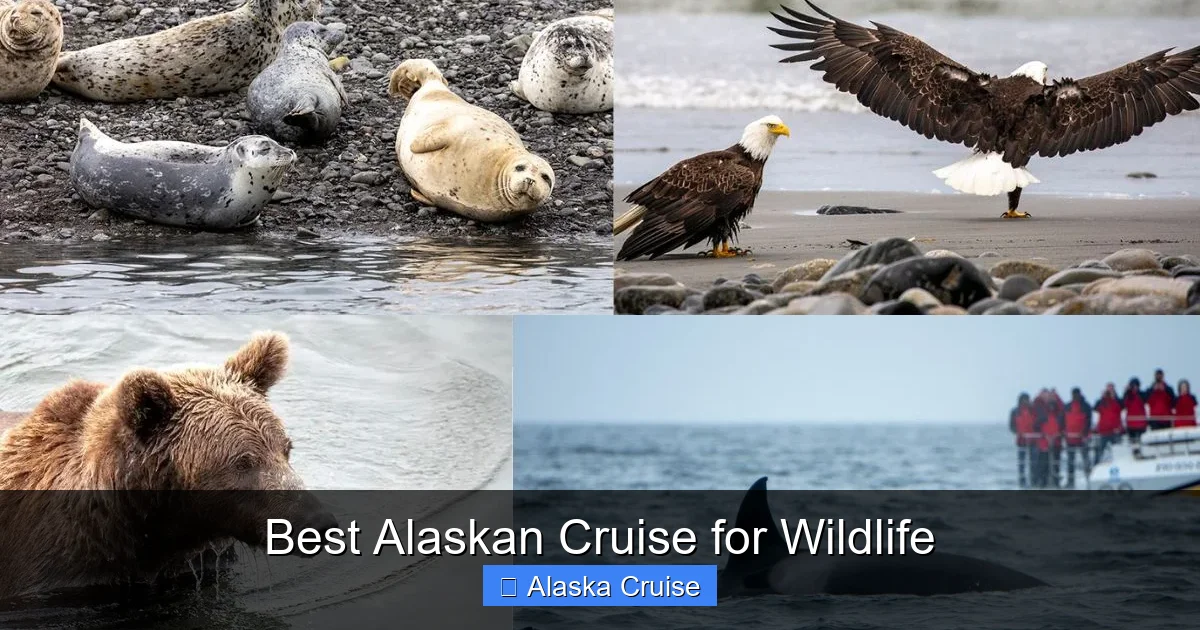
If you’re dreaming of seeing grizzly bears, humpback whales, and bald eagles up close, an Alaskan cruise is your golden ticket. The best Alaskan cruise for wildlife combines expert-guided excursions, remote itineraries, and small-ship access to untouched ecosystems—giving you front-row seats to nature’s greatest show.
Dreaming of misty fjords, towering glaciers, and the raw beauty of the wild? Alaska is one of the last true frontiers on Earth—a place where nature still rules. And the best way to experience its untamed wonders? A cruise. But not just any cruise. We’re talking about the best Alaskan cruise for wildlife, where every turn of the ship reveals a new marvel: a humpback whale breaching, a sea otter floating on its back, or a grizzly bear lumbering along a riverbank.
Alaska’s coastline is a living, breathing ecosystem. From the icy waters of Glacier Bay to the lush rainforests of the Tongass National Forest, this region teems with life. Whales migrate thousands of miles to feed in its nutrient-rich seas. Bears gather at river mouths to feast on salmon. Eagles soar above ancient spruce trees. And all of it is accessible—if you choose the right cruise. The key is finding a voyage that prioritizes wildlife, offers expert guidance, and ventures off the beaten path. That’s where the magic happens.
In this guide, we’ll walk you through everything you need to know to pick the best Alaskan cruise for wildlife. Whether you’re a first-time cruiser or a seasoned adventurer, we’ll help you spot the right itinerary, understand the best times to go, and make the most of your time on—and off—the water.
Key Takeaways
- Small ships offer better wildlife access: Smaller vessels can navigate narrow fjords and remote inlets where larger cruise ships can’t go, increasing your chances of spotting wildlife.
- Timing matters: May through September is prime wildlife season, with peak activity in July and August when bears fish for salmon and whales feed in nutrient-rich waters.
- Expert naturalists enhance the experience: Cruises with onboard naturalists or marine biologists provide real-time insights and help spot hidden animals like orcas or sea otters.
- Glacier Bay and Inside Passage are must-visits: These regions are biodiversity hotspots, home to whales, sea lions, puffins, and more.
- Shore excursions boost wildlife sightings: Kayaking, whale-watching tours, and guided hikes dramatically increase your odds of close encounters.
- Choose eco-conscious lines: Responsible cruise operators follow strict wildlife viewing guidelines, protecting both animals and habitats.
- Binoculars and cameras are essential: Wildlife often appears at a distance, so pack quality optics and zoom lenses for the best views and photos.
📑 Table of Contents
Why Alaska Is a Wildlife Paradise
Alaska isn’t just big—it’s wild. With over 660,000 square miles of land and coastline, it’s home to more than 400 species of wildlife. That’s more than any other U.S. state. And much of it remains untouched by human development. This vast, rugged landscape creates the perfect habitat for animals to thrive.
One of the biggest draws is the seasonal abundance of food. During the summer months, the long daylight hours and melting glaciers create a surge in plankton and krill. This, in turn, attracts massive schools of fish, which draw in whales, seals, and seabirds. It’s a natural feeding frenzy that peaks between June and August.
But it’s not just the marine life that makes Alaska special. The coastal rainforests and river systems support healthy populations of land mammals. Brown bears—yes, grizzlies—are common along the coast, especially near salmon runs. Moose, black bears, and mountain goats roam the inland areas. And birds? Alaska is a birdwatcher’s dream. From puffins and cormorants to bald eagles and sandhill cranes, the skies are alive with color and sound.
What makes a cruise the ideal way to see all this? Access. Many of Alaska’s most spectacular wildlife zones are only reachable by boat. Remote bays, narrow channels, and protected parks are often inaccessible by road. A cruise lets you glide silently through these areas, minimizing disturbance and maximizing your chances of spotting animals in their natural habitat.
Top Wildlife Destinations on an Alaskan Cruise
Not all Alaskan cruises are created equal when it comes to wildlife. Some routes are packed with scenic beauty but light on animal sightings. Others are designed specifically for nature lovers. Here are the top destinations you should look for when choosing the best Alaskan cruise for wildlife.
Glacier Bay National Park
This UNESCO World Heritage Site is a must-see. Covering over 3.3 million acres, Glacier Bay is a living laboratory of glacial retreat and ecological succession. As glaciers calve into the sea, they create nutrient-rich waters that attract marine life.
Whales are frequent visitors here. Humpbacks, orcas, and minke whales are often spotted feeding near the glacier fronts. Sea lions haul out on rocky outcrops, and harbor seals rest on floating ice. On land, you might catch a glimpse of a black bear foraging along the shoreline or a moose wading in a freshwater stream.
The park is only accessible by boat or plane, and cruise ships are required to have a National Park Service ranger on board. These experts provide live commentary, pointing out wildlife and explaining the area’s unique geology and ecology.
The Inside Passage
Stretching from Washington State up to Alaska, the Inside Passage is a network of waterways that wind through dense forests, past towering cliffs, and alongside remote communities. It’s one of the most popular cruise routes—and for good reason.
This area is a hotspot for marine mammals. Orcas patrol the channels, especially near Ketchikan and Juneau. Humpback whales are common, often seen breaching or slapping their tails. Sea otters float in kelp beds, using rocks to crack open shellfish. And if you’re lucky, you might spot a rare Steller sea lion.
Birdlife is equally impressive. Bald eagles nest in tall trees along the shore, and puffins dart in and out of rocky crevices. During migration seasons, you can see hundreds of seabirds feeding in the rich waters.
Kenai Fjords and Resurrection Bay
Located near Seward, this region offers some of the most dramatic scenery in Alaska—and some of the best wildlife viewing. The fjords are carved by glaciers, and the waters are cold and clear, perfect for marine life.
Boat tours from Seward often head out to Kenai Fjords National Park, where you can see whales, sea lions, and puffins. One of the most popular spots is Holgate Glacier, where calving ice creates thunderous splashes and attracts curious sea life.
Resurrection Bay is another gem. It’s a sheltered body of water that’s perfect for kayaking and small-boat excursions. Here, you might see harbor seals, Dall’s porpoises, and even the occasional orca pod.
Hubbard Glacier and Disenchantment Bay
At over 76 miles long, Hubbard Glacier is one of the largest tidewater glaciers in North America. It’s also one of the most active, regularly calving massive icebergs into the bay.
While the glacier itself is a sight to behold, the surrounding waters are teeming with life. Seals use the floating ice as resting platforms. Whales pass through the area during migration. And seabirds nest on the cliffs above.
Disenchantment Bay, at the glacier’s edge, is a remote and pristine wilderness. Few cruise ships venture this far, but those that do offer passengers a truly unforgettable experience.
Ketchikan and the Tongass National Forest
Known as the “Salmon Capital of the World,” Ketchikan is a gateway to some of Alaska’s richest wildlife habitats. The surrounding Tongass National Forest is the largest national forest in the U.S., covering over 17 million acres.
This is prime bear country. During the summer, brown and black bears gather at streams and rivers to feed on salmon. Guided bear-viewing tours are available, often by boat or floatplane, taking you to remote areas where bears are active.
Ketchikan is also a great spot for birdwatching. The area is home to thousands of bald eagles, as well as marbled murrelets, a rare seabird that nests in old-growth trees.
Best Time to Go for Wildlife Viewing
Timing is everything when it comes to wildlife. Alaska’s seasons are extreme, and animal behavior changes dramatically throughout the year. To get the most out of your cruise, you’ll want to go during the peak wildlife season.
May to Early June: The Awakening
Spring in Alaska is a time of renewal. As the snow melts and daylight increases, animals emerge from winter dormancy. This is a great time to see bears—especially mothers with cubs—as they search for food after hibernation.
Marine life is also on the move. Gray whales migrate north through Alaskan waters in May, and early-season humpbacks begin to appear. Sea lions return to their haul-out sites, and birds start nesting.
One advantage of traveling in May or early June? Fewer crowds. Ships are less busy, and shore excursions are more intimate. The downside? Some remote areas may still be icy, and weather can be unpredictable.
July to August: Peak Season
This is the golden window for wildlife viewing. The weather is warmest, the days are longest, and the animals are most active.
Salmon runs are in full swing, drawing bears to rivers and streams. In places like Anan Creek or Pack Creek, you can watch bears fish from a safe distance. Whales are abundant, with humpbacks, orcas, and minke whales feeding in the rich waters.
Birdlife is at its peak, with puffins, cormorants, and eagles raising their young. Sea otters are playful and visible, often seen floating on their backs with pups on their chests.
The only downside? It’s also the busiest time of year. Ships are full, and popular excursions can book up months in advance. Book early if you want the best cabins and tours.
September: The Quiet Farewell
As summer fades, the crowds thin out, and the landscape takes on a golden hue. This is a great time for photographers and those seeking a more peaceful experience.
Bears are still active, fattening up for winter. Whales are still around, though some begin their southward migration. And the fall colors—especially in the forests around Ketchikan and Juneau—are stunning.
One unique opportunity in September? Spotting moose. As the rutting season begins, bull moose become more visible, often seen near water or in open meadows.
Choosing the Right Cruise Line for Wildlife
Not all cruise lines are equally focused on wildlife. Some prioritize luxury and entertainment, while others are built for adventure and nature. Here’s how to pick the best Alaskan cruise for wildlife.
Small-Ship vs. Large-Ship Cruises
Size matters when it comes to wildlife. Large cruise ships—like those from Carnival or Royal Caribbean—are great for families and first-time cruisers, but they’re limited in where they can go. They stick to major ports and can’t access narrow fjords or remote bays.
Small-ship cruises, on the other hand, are designed for exploration. Lines like UnCruise Adventures, Lindblad Expeditions, and Alaskan Dream Cruises operate vessels with fewer than 100 passengers. These ships can anchor in secluded coves, launch Zodiacs for up-close wildlife encounters, and offer flexible itineraries.
For example, UnCruise’s “Alaska’s Inside Passage” itinerary includes stops at remote wildlife refuges, guided kayaking trips, and bear-viewing excursions. Their ships have naturalists on board and emphasize low-impact travel.
Expedition-Style Cruises
If you’re serious about wildlife, consider an expedition cruise. These voyages are led by marine biologists, naturalists, and local guides who know where to find animals and how to observe them responsibly.
Lindblad Expeditions, in partnership with National Geographic, offers some of the best wildlife-focused cruises in Alaska. Their ships are equipped with hydrophones to listen for whale calls, and their itineraries include visits to protected areas like Glacier Bay and the Arctic Circle.
Another standout is Alaskan Dream Cruises, which offers intimate voyages on converted fishing boats. These cruises feel more like a private expedition, with personalized service and access to remote areas.
Mainstream Cruise Lines with Wildlife Focus
You don’t have to go small to see wildlife. Some larger lines offer excellent wildlife experiences, especially if you book the right excursions.
Holland America Line, for example, has a strong partnership with the National Park Service. Their ships include Glacier Bay in most itineraries, and they offer expert-led wildlife talks and shore tours.
Princess Cruises is another good option. Their “North to Alaska” program includes wildlife-focused shore excursions, like whale-watching in Juneau or bear-viewing in Ketchikan. They also offer a “Wildlife Viewing Guarantee” on select tours—if you don’t see certain animals, you get a partial refund.
Must-Do Wildlife Excursions
A cruise is just the beginning. To truly experience Alaska’s wildlife, you’ll want to get off the ship and into the wild. Here are some of the best excursions to look for.
Whale-Watching Tours
No Alaskan cruise is complete without a whale-watching tour. These small-boat excursions take you into prime feeding areas, where you can see humpbacks, orcas, and gray whales up close.
In Juneau, the Auke Bay area is a hotspot for humpbacks. Guides use hydrophones to listen for whale songs, and many tours guarantee sightings. In Seward, tours often head to Kenai Fjords, where you might see orcas hunting seals.
Bear-Viewing Adventures
Seeing a bear in the wild is a life-changing experience. Several cruise lines offer guided bear-viewing tours, often by boat or floatplane.
One of the best spots is Pack Creek on Admiralty Island, known as “Fortress of the Bears.” Here, you can watch brown bears fish for salmon from a viewing tower. Tours are led by naturalists who explain bear behavior and ecology.
Another option is a boat tour to Anan Creek near Ketchikan. This remote site is accessible only by boat or plane and offers some of the best bear viewing in Southeast Alaska.
Kayaking and Paddleboarding
For a more intimate experience, try kayaking. Paddling silently through calm waters lets you get close to wildlife without disturbing them.
In places like Tracy Arm or Misty Fjords, kayaking tours take you through narrow canyons and past waterfalls. You might see seals, sea lions, and even whales passing by.
Stand-up paddleboarding is another fun option, especially in protected bays like Resurrection Bay. It’s a great way to explore at your own pace and enjoy the stunning scenery.
Wildlife Photography Workshops
If you’re passionate about photography, look for cruises that offer photography-focused excursions. These tours are led by professional photographers who help you capture the best shots of animals, landscapes, and glaciers.
Lindblad Expeditions, for example, partners with National Geographic photographers to offer workshops on composition, lighting, and wildlife behavior. You’ll learn how to photograph whales breaching, bears fishing, and eagles in flight.
Tips for Maximizing Your Wildlife Experience
Even on the best Alaskan cruise for wildlife, a little preparation goes a long way. Here are some practical tips to help you make the most of your trip.
Pack the Right Gear
Wildlife often appears at a distance, so bring binoculars with at least 8x magnification. A camera with a good zoom lens (300mm or more) is essential for close-up shots.
Dress in layers. Alaska’s weather can change quickly, and you’ll want to be comfortable whether you’re on deck in the sun or on a chilly Zodiac ride.
Don’t forget rain gear. Even in summer, rain is common in coastal areas.
Be Patient and Observant
Wildlife doesn’t follow a schedule. Some days you’ll see dozens of animals; other days, you might see just one. The key is to stay alert and patient.
Listen for naturalists’ commentary. They’ll point out subtle signs—like a ripple in the water or a bird diving—that might signal a whale or seal nearby.
Respect Wildlife
Always follow the guidelines provided by your cruise line and local authorities. Keep a safe distance from animals, never feed them, and avoid loud noises.
Remember: you’re a guest in their home. Responsible wildlife viewing protects both animals and future visitors.
Book Shore Excursions Early
Popular tours—like whale-watching and bear-viewing—sell out fast, especially during peak season. Book your excursions as soon as your cruise is confirmed to secure your spot.
Stay Flexible
Weather and wildlife are unpredictable. Your ship’s captain may change the itinerary to follow a whale pod or avoid a storm. Embrace the adventure—it’s part of the Alaskan experience.
Conclusion
Choosing the best Alaskan cruise for wildlife isn’t just about picking a ship—it’s about choosing an experience. It’s about waking up to the sound of calving glaciers, spotting a humpback whale breaching in the distance, and watching a mother bear teach her cubs to fish.
The right cruise will take you to the heart of Alaska’s wild places, with expert guides, small ships, and unforgettable excursions. Whether you’re kayaking through a fjord, hiking in a rainforest, or simply standing on deck with binoculars in hand, you’ll be immersed in one of the planet’s last great wildernesses.
So pack your bags, bring your sense of wonder, and get ready for the adventure of a lifetime. Alaska is waiting.
Frequently Asked Questions
What is the best time of year for wildlife on an Alaskan cruise?
The best time is from July to August, when salmon runs attract bears and whales are most active. May and September offer fewer crowds and unique sightings, like migrating gray whales or moose in rut.
Do I need binoculars on an Alaskan cruise?
Yes, binoculars are highly recommended. Wildlife often appears at a distance, and a good pair (8x or 10x magnification) will help you spot whales, bears, and birds more clearly.
Can I see bears on a cruise without leaving the ship?
It’s rare to see bears from the ship, but possible in areas like Glacier Bay or near river mouths. For guaranteed sightings, book a bear-viewing shore excursion.
Are small ships better for wildlife viewing?
Yes. Small ships can access remote areas, launch Zodiacs, and offer more personalized wildlife experiences with naturalists on board.
What wildlife can I expect to see on an Alaskan cruise?
You can see humpback and orca whales, brown and black bears, sea otters, sea lions, puffins, bald eagles, and more—depending on the route and season.
How far in advance should I book wildlife excursions?
Book at least 3–6 months in advance, especially for popular tours like whale-watching in Juneau or bear-viewing in Pack Creek. These fill up quickly during peak season.