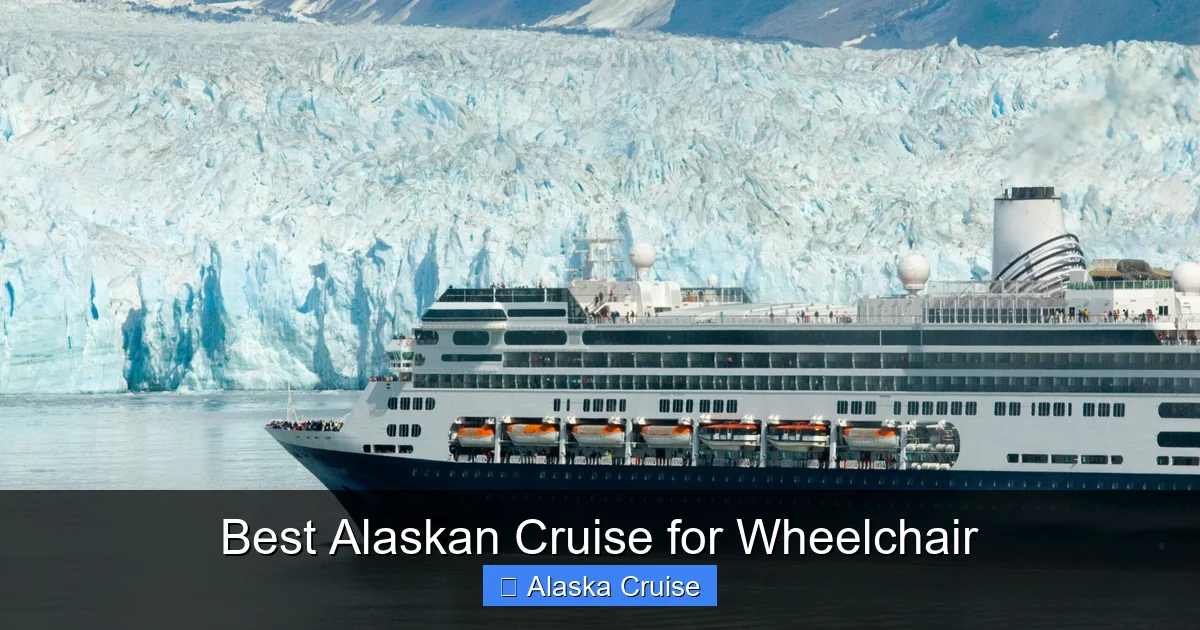
Choosing the best Alaskan cruise for wheelchair users means prioritizing accessibility, comfort, and inclusive experiences. With the right cruise line, you can enjoy glacier views, wildlife sightings, and cultural stops without sacrificing convenience or dignity.
Key Takeaways
- Accessibility varies by cruise line: Not all ships are created equal—research wheelchair-friendly features like elevators, accessible cabins, and gangways before booking.
- Holland America and Princess Cruises lead in accessibility: These lines offer the most comprehensive ADA-compliant amenities and trained staff for travelers with mobility needs.
- Shore excursions matter: Look for ports with accessible transportation and tour options, such as Juneau’s tram or Skagway’s White Pass Railroad.
- Book early for accessible cabins: Wheelchair-accessible staterooms are limited and often sell out months in advance, especially during peak season.
- Request assistance in advance: Notify the cruise line at least 60 days before departure to arrange boarding, dining, and excursion support.
- Pack smart for Alaskan weather: Bring layers, waterproof gear, and mobility aids suited for variable conditions—rain, wind, and cool temps are common.
- Consider travel insurance: Medical needs and mobility equipment require extra protection—choose a policy that covers equipment loss and emergency evacuation.
Why Accessibility Matters on an Alaskan Cruise
An Alaskan cruise is one of the most scenic and awe-inspiring travel experiences on Earth. From towering glaciers and breaching whales to charming coastal towns and rugged mountain backdrops, the Last Frontier offers a front-row seat to nature’s grandeur. But for travelers who use wheelchairs, enjoying this adventure requires more than just a ticket—it demands thoughtful planning and a cruise line that truly understands accessibility.
Unlike tropical destinations with flat terrain and warm weather, Alaska presents unique challenges: steep gangways, uneven dock surfaces, unpredictable weather, and remote ports with limited infrastructure. That’s why choosing the best Alaskan cruise for wheelchair users isn’t just about comfort—it’s about safety, independence, and the ability to fully participate in the journey. The right cruise line will offer not only accessible cabins and public spaces but also trained staff, inclusive shore excursions, and seamless boarding processes.
Thankfully, several major cruise lines have stepped up their game in recent years, investing in ADA-compliant ships and staff training. Still, not all are equal. Some offer only basic accessibility, while others go above and beyond with features like roll-in showers, automatic doors, and dedicated mobility assistance teams. In this guide, we’ll walk you through what to look for, which cruise lines lead the pack, and how to make your Alaskan dream trip a reality—without the stress.
Top Cruise Lines for Wheelchair Users in Alaska
When it comes to finding the best Alaskan cruise for wheelchair users, not all cruise lines are created equal. While most major lines claim to be “accessible,” the reality often falls short of what travelers with mobility needs actually require. After extensive research and traveler feedback, two cruise lines consistently rise to the top: Holland America Line and Princess Cruises. Both have a long-standing commitment to accessibility and offer some of the most inclusive experiences in the industry.
Holland America Line: A Leader in Accessibility
Holland America has long been recognized for its attention to detail and passenger comfort, and that extends to travelers with disabilities. Their newer ships, like the Koningsdam and Eurodam, are built with full ADA compliance in mind. These vessels feature wide corridors, accessible elevators with Braille buttons, and spacious public areas designed for easy navigation.
One of the standout features of Holland America is their Accessible Shore Excursion Program. They partner with local tour operators to offer wheelchair-friendly options in key ports like Juneau, Ketchikan, and Skagway. For example, in Juneau, you can take an accessible whale-watching tour or ride the Mount Roberts Tram, which has a ramp and space for wheelchairs. In Ketchikan, the Rainforest Canopy Tour offers an adapted zip-line experience for guests with mobility challenges.
Holland America also provides complimentary wheelchair assistance during boarding and disembarkation. Their staff is trained to assist with transfers, and they offer priority seating in the dining room and theater. Plus, their medical centers are equipped to handle mobility-related needs, including oxygen and emergency equipment.
Princess Cruises: Innovation and Inclusivity
Princess Cruises is another top contender for the best Alaskan cruise for wheelchair users. Known for their “MedallionClass” technology, Princess has integrated accessibility into their digital experience. The Medallion device allows guests to unlock their cabin doors, order room service, and access ship maps—all without needing to interact with staff or navigate complex menus.
Their ships, such as the Emerald Princess and Grand Princess, feature fully accessible cabins with roll-in showers, grab bars, and lowered counters. Public areas are designed with wide doorways and gentle slopes, and all elevators are equipped with audio announcements and tactile controls.
Princess also excels in shore excursion accessibility. They offer a dedicated “Accessible Adventures” program, which includes guided tours with ramps, lifts, and trained guides. In Skagway, for instance, the White Pass & Yukon Route Railroad has specially modified cars that accommodate wheelchairs. In Glacier Bay, the ship slows down and positions itself for optimal viewing, so you don’t miss the calving glaciers—even from your cabin balcony.
Other Cruise Lines to Consider
While Holland America and Princess lead the pack, other lines like Celebrity Cruises and Norwegian Cruise Line (NCL) also offer solid accessibility features. Celebrity’s Edge-class ships, for example, have innovative design elements like the Magic Carpet—a moving platform that serves as a tender dock, restaurant, and lounge. While not fully wheelchair-accessible, it does offer an alternative boarding method that can be easier for some guests.
NCL’s Breakaway and Escape ships include accessible cabins and public areas, though their shore excursion options are more limited. If you’re considering NCL, be sure to contact their Access Department directly to confirm availability and support.
Smaller luxury lines like Seabourn and Silversea also offer high-end accessible experiences, but their ships are smaller and may have fewer accessible cabins. These are best suited for travelers who prioritize luxury and personalized service over a wide range of shore activities.
What to Look for in an Accessible Alaskan Cruise
Choosing the best Alaskan cruise for wheelchair users isn’t just about picking a name-brand line—it’s about understanding the specific features that will make your trip smooth, safe, and enjoyable. Here’s a breakdown of the key elements to evaluate before you book.
Accessible Cabins: The Foundation of Comfort
Your cabin is your home base for the week, so it’s essential that it meets your mobility needs. Look for staterooms labeled “ADA-compliant” or “wheelchair accessible.” These typically include:
- Wide doorways (at least 32 inches)
- Roll-in showers with fold-down seats and grab bars
- Lowered sinks, mirrors, and closet rods
- Accessible electrical outlets and light switches
- Enough floor space to maneuver a wheelchair (at least 60 inches in diameter)
Some ships even offer connecting accessible cabins, which are ideal for families or caregivers. Be sure to request a cabin midship or forward, as these areas experience less motion during rough seas.
Ship Layout and Navigation
A ship’s design can make or break your experience. Look for vessels with:
- Wide corridors and doorways
- Elevators with Braille and audio cues
- Accessible restrooms on every deck
- Ramps instead of steps between decks
- Non-slip flooring in wet areas
It’s also helpful to review the ship’s deck plans online before booking. Some ships have “dead ends” or narrow passages that can be tricky to navigate. If possible, request a cabin near an elevator or accessible restroom to minimize travel time.
Boarding and Disembarkation
Getting on and off the ship can be one of the most challenging parts of the journey. The best cruise lines offer:
- Priority boarding for guests with disabilities
- Wheelchair-accessible gangways or lifts
- Trained staff to assist with transfers
- Accessible tender boats (small boats used to reach shore in ports without docks)
Note that not all ports in Alaska have full docking facilities. In places like Glacier Bay or Tracy Arm, the ship anchors offshore, and guests must take tenders to shore. If you use a power wheelchair or scooter, confirm in advance whether it can be accommodated on the tender.
Dining and Entertainment
Dining should be a pleasure, not a hassle. Look for ships with:
- Accessible dining rooms with table spacing for wheelchairs
- Menus available in large print or Braille
- Staff trained to assist with food service if needed
- Accessible theaters and lounges with designated seating
Most cruise lines offer pre-boarding dining reservations, so you can request a table that suits your needs. Some even allow you to dine in your cabin if mobility is a concern.
Medical and Emergency Support
While no one wants to think about medical issues, it’s important to know what support is available. The best ships have:
- Medical centers staffed with doctors and nurses
- Oxygen concentrators and other medical equipment
- Emergency evacuation plans
- 24/7 access to assistance
Be sure to bring a copy of your medical records and a list of medications. If you use a power wheelchair, check whether the ship can accommodate charging—most can, but it’s best to confirm.
Best Accessible Shore Excursions in Alaska
One of the biggest draws of an Alaskan cruise is the opportunity to explore stunning ports of call. But not all excursions are created equal when it comes to accessibility. The best Alaskan cruise for wheelchair users will offer a range of inclusive shore activities that let you experience the region’s natural beauty and culture without barriers.
Juneau: Whale Watching and the Mount Roberts Tram
Juneau, Alaska’s capital, is a hub for wildlife and scenic views. The Mount Roberts Tram is a must-do—it’s fully accessible, with a ramp at the base and a spacious cabin that accommodates wheelchairs. The ride takes you 1,800 feet up the mountain, where you can enjoy panoramic views, a nature center, and even a ropes course with adaptive options.
For whale watching, several companies offer accessible boats with ramps and open decks. Look for tours that use larger vessels with stabilizers, as they’re less likely to rock in choppy waters. Some operators even provide binoculars with mounts for guests who can’t hold them.
Skagway: The White Pass Railroad and Gold Rush History
Skagway is a charming gold rush town with steep streets—but don’t let that deter you. The White Pass & Yukon Route Railroad has specially modified cars that allow wheelchairs to roll on and off. The train ride itself is smooth and scenic, winding through narrow canyons and past waterfalls.
The town also offers accessible walking tours with paved paths and ramps. Many shops and museums are wheelchair-friendly, and some even offer virtual tours for those who prefer to stay on the ship.
Ketchikan: Rainforests and Native Culture
Ketchikan is known as the “Salmon Capital of the World” and is rich in Native Alaskan heritage. The Rainforest Canopy Tour offers an adaptive zip-line experience, where guests are harnessed and guided by staff. The course includes ramps and platforms designed for mobility devices.
The Totem Heritage Center and Creek Street boardwalk are also accessible, with paved paths and ramps. Several local tour operators offer accessible boat tours to see totem poles and wildlife.
Glacier Bay and Hubbard Glacier: Viewing from the Ship
Some of the most breathtaking sights in Alaska can be enjoyed without leaving the ship. Both Glacier Bay and Hubbard Glacier are UNESCO World Heritage sites where the ship slows down and positions itself for optimal viewing. Many accessible cabins have private balconies, so you can enjoy the spectacle in comfort.
For those who can manage a short walk, some ships offer accessible viewing areas on the upper decks. Staff will often provide blankets and hot drinks during these stops.
Tips for a Smooth and Enjoyable Alaskan Cruise
Even with the best planning, traveling with a wheelchair requires extra preparation. Here are some practical tips to help you make the most of your Alaskan adventure.
Book Early and Communicate Clearly
Accessible cabins are limited and often sell out months in advance—especially during peak season (May to September). Book your cruise at least 6–12 months ahead and request your accessible cabin immediately.
When you book, contact the cruise line’s Access Department directly. Provide detailed information about your mobility needs, including the type of wheelchair you use, whether you need assistance with transfers, and any medical equipment you’ll bring. The more they know, the better they can prepare.
Pack Smart for Alaskan Weather
Alaska’s weather is famously unpredictable. Even in summer, temperatures can range from 40°F to 70°F, with rain and wind common. Pack layers, including:
- A waterproof jacket and pants
- Warm fleece or thermal wear
- Non-slip shoes or boots
- A hat and gloves
If you use a manual wheelchair, consider bringing fenders or mudguards to protect against rain and puddles. For power chairs, bring extra batteries and a waterproof cover.
Arrange for Assistance at Ports
While cruise lines provide assistance on the ship, you may need help getting around in port towns. Some destinations offer free wheelchair rentals or accessible shuttle services. In Juneau, for example, the city provides a free accessible shuttle between the dock and downtown.
Consider hiring a local guide who specializes in accessible travel. They can help you navigate uneven terrain, arrange transportation, and recommend the best accessible attractions.
Know Your Rights and Resources
Under the Americans with Disabilities Act (ADA), cruise lines are required to provide reasonable accommodations. However, enforcement can vary. If you encounter issues, don’t hesitate to speak with the ship’s Access Coordinator or file a complaint with the U.S. Department of Transportation.
Organizations like Accessible Travel Solutions and Cruiseable offer resources and reviews for travelers with disabilities. They can help you compare ships, read firsthand accounts, and connect with travel agents who specialize in accessible cruising.
Conclusion
An Alaskan cruise is a once-in-a-lifetime experience—and with the right planning, it can be just as accessible and enjoyable for travelers who use wheelchairs. The best Alaskan cruise for wheelchair users combines thoughtful design, inclusive service, and a commitment to making every moment count. Lines like Holland America and Princess Cruises lead the way, offering everything from accessible cabins and shore excursions to trained staff and seamless boarding.
But beyond the amenities, the true magic lies in the journey itself: watching a glacier calve into the sea, spotting a humpback whale breach, or sipping coffee on your private balcony as the ship glides through a fjord. These moments are for everyone—and with the right preparation, they’re within your reach. So pack your bags, charge your devices, and get ready to explore the Last Frontier in comfort, confidence, and style.
FAQs
Are all Alaskan cruise ships wheelchair accessible?
No, not all ships are fully accessible. While most major cruise lines offer some accessible features, the level of accessibility varies. Look for ships with ADA-compliant cabins, elevators, and public areas.
Can I bring my own wheelchair on a cruise?
Yes, you can bring your own manual or power wheelchair. Most ships have storage areas, and staff can assist with charging power chairs. Be sure to notify the cruise line in advance.
Are shore excursions in Alaska wheelchair-friendly?
Some are, but not all. Cruise lines like Holland America and Princess offer accessible shore excursions in ports like Juneau and Skagway. Always confirm accessibility when booking.
What if I need help getting on and off the ship?
Most cruise lines provide complimentary wheelchair assistance during boarding and disembarkation. Request this service when you book your trip.
Can I use a scooter on an Alaskan cruise?
Yes, but power scooters may have limitations on tenders or narrow gangways. Manual wheelchairs are often easier to manage. Check with the cruise line for specific policies.
Is travel insurance important for wheelchair users?
Absolutely. Choose a policy that covers medical emergencies, equipment loss, and trip interruptions. Some insurers offer specialized plans for travelers with disabilities.
This is a comprehensive guide about best alaskan cruise for wheelchair.
Key Takeaways
- Understanding best alaskan cruise for wheelchair: Provides essential knowledge
Frequently Asked Questions
What is best alaskan cruise for wheelchair?
best alaskan cruise for wheelchair is an important topic with many practical applications.