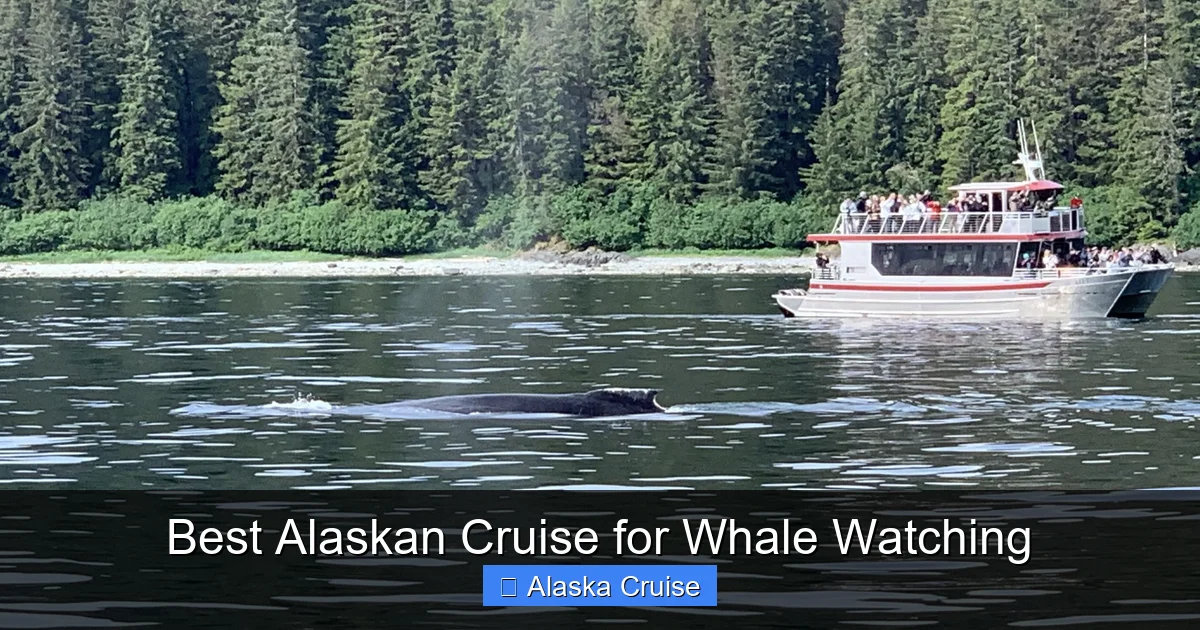
If you’re dreaming of seeing majestic whales in their natural habitat, Alaska is the ultimate destination—and choosing the right cruise can make all the difference. The best Alaskan cruise for whale watching combines prime wildlife viewing areas, expert naturalist guides, and flexible itineraries that maximize your chances of close encounters with humpbacks, orcas, gray whales, and more.
Key Takeaways
- Timing is everything: The peak whale watching season in Alaska runs from May to September, with July and August offering the highest sighting frequency.
- Smaller ships win: Boutique and expedition-style cruises (under 200 passengers) offer better access to remote fjords and more personalized wildlife experiences.
- Expert guides matter: Look for cruises with onboard naturalists or marine biologists who enhance your understanding and spotting success.
- Itinerary location is key: Cruises that visit Glacier Bay, Icy Strait Point, and Frederick Sound have the best whale activity.
- Binoculars and cameras ready: Bring your own gear or rent on board—whales can appear quickly and from a distance.
- Book early: Top whale watching cruises fill up fast, especially for peak summer months.
- Sustainability counts: Choose eco-conscious lines that follow responsible wildlife viewing practices.
📑 Table of Contents
- Why Alaska Is the Ultimate Whale Watching Destination
- When to Go: Timing Your Cruise for Maximum Whale Sightings
- Top Cruise Lines for Whale Watching in Alaska
- Best Itineraries and Ports for Whale Watching
- What to Expect Onboard: Enhancing Your Whale Watching Experience
- Tips for Maximizing Your Whale Watching Success
- Conclusion: Choosing Your Perfect Whale Watching Cruise
Why Alaska Is the Ultimate Whale Watching Destination
Alaska isn’t just a cruise destination—it’s a front-row seat to one of nature’s greatest shows. Every summer, thousands of whales migrate to Alaska’s nutrient-rich waters to feed, breed, and raise their young. From the icy fjords of the Inside Passage to the open waters near the Gulf of Alaska, these marine giants put on a breathtaking display that few places on Earth can match.
What makes Alaska so special for whale watching? It’s the combination of cold, productive waters, abundant food sources like krill and small fish, and protected marine environments. Humpback whales are the stars of the show, known for their acrobatic breaches, tail slaps, and haunting songs. But you’ll also find orcas (killer whales), gray whales, minke whales, and even the occasional blue whale passing through. Add in sea lions, porpoises, bald eagles, and towering glaciers, and you’ve got a wildlife experience that’s as diverse as it is unforgettable.
Unlike whale watching tours from shore, an Alaskan cruise lets you venture deep into remote areas where whale populations are most active. You’re not limited to a few hours on a small boat—instead, you spend days gliding through prime habitats, with expert guides pointing out signs of life and sharing fascinating facts about marine ecosystems. Whether you’re a seasoned wildlife enthusiast or a first-time cruiser, the chance to see a 40-ton humpback launch itself out of the water just yards from your ship is a moment you’ll never forget.
When to Go: Timing Your Cruise for Maximum Whale Sightings
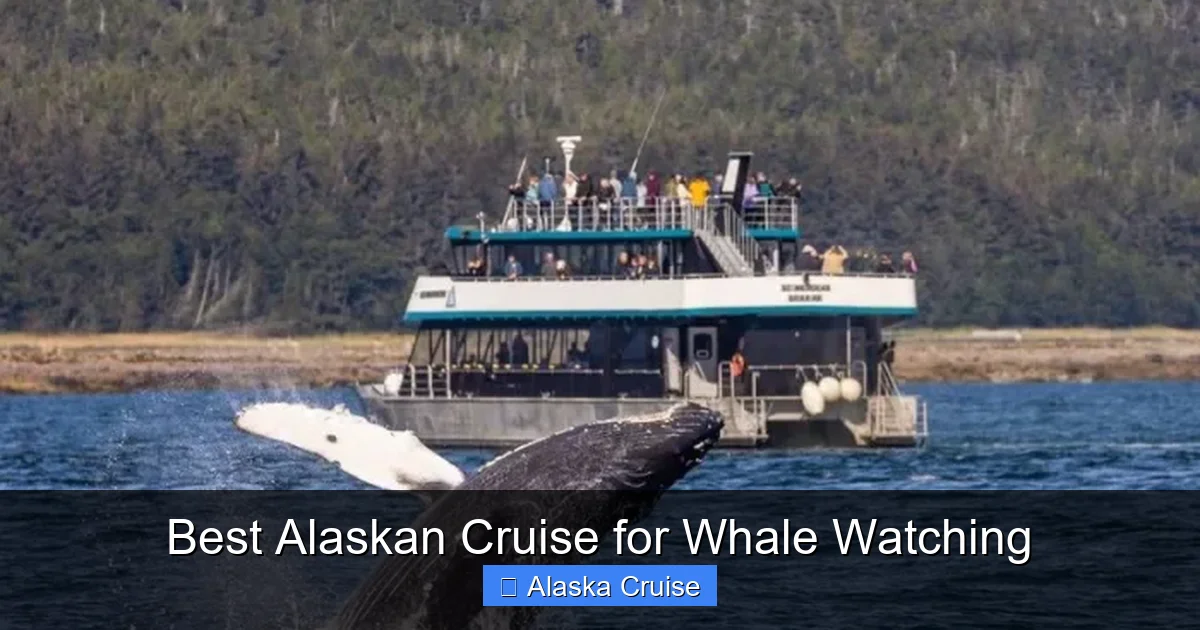
Visual guide about Best Alaskan Cruise for Whale Watching
Image source: truealaskantours.com
Timing your Alaskan cruise correctly can dramatically increase your chances of seeing whales. While some whale species are present year-round, the best window for whale watching is from mid-May through September, with peak activity in July and August.
May to June: The Early Season Surge
As spring arrives, the first wave of whales—especially humpbacks and orcas—begin arriving in Alaskan waters. May is a quieter time to cruise, with fewer tourists and lower prices. The weather is cooler, but the scenery is stunning, with snow-capped mountains and blooming wildflowers. Humpbacks are often seen in areas like Stephens Passage and Frederick Sound, feeding on schools of herring. Orcas, both resident and transient pods, are also active during this time, hunting seals and salmon.
One advantage of early-season cruising? You might have the whales almost to yourself. Ships are less crowded, and the wildlife seems more relaxed. However, keep in mind that some ports may have limited services, and glacier calving is less frequent than in mid-summer.
July to August: Peak Whale Season
This is the sweet spot for whale watching. Water temperatures rise, plankton blooms explode, and fish populations surge—creating a feeding frenzy that draws whales from far and wide. Humpbacks are everywhere, often traveling in groups called “super pods” that can number 20 or more individuals. These gatherings are not only spectacular to witness but also increase your chances of seeing complex social behaviors like bubble-net feeding, where whales work together to corral fish.
July and August also offer the longest daylight hours—up to 18 hours of sunlight in some areas—giving you more time to scan the horizon. Glacier Bay National Park, a UNESCO World Heritage Site, is at its most active, with massive icebergs calving into the sea. Combine that with daily whale sightings, and you’ve got the full Alaskan experience.
September: The Quiet Farewell
As summer fades, whales begin their migration south. But don’t count September out. Gray whales, which travel along the coast from the Arctic to Baja California, are often spotted in September. Humpbacks may still be around, especially in protected bays and inlets. The crowds have thinned, the air is crisp, and the fall colors are beginning to paint the landscape. It’s a peaceful, reflective time to cruise—perfect for travelers who prefer a slower pace.
One tip: If you’re hoping to see newborn calves, aim for July or early August. Baby humpbacks are usually born in warmer waters off Hawaii or Mexico and arrive in Alaska with their mothers in mid-summer. Seeing a tiny calf swimming alongside its massive parent is a once-in-a-lifetime moment.
Top Cruise Lines for Whale Watching in Alaska
Not all Alaskan cruises are created equal when it comes to whale watching. Some lines prioritize luxury and dining, while others focus on adventure and wildlife. For the best whale watching experience, look for cruises that emphasize small-ship exploration, naturalist-led excursions, and flexible itineraries.
UnCruise Adventures: Intimate & Immersive
If you want a front-row seat to Alaska’s wildlife, UnCruise Adventures is hard to beat. These small, nimble ships (carrying 22 to 88 passengers) sail into shallow bays and narrow channels that larger vessels can’t access. Their itineraries are designed around wildlife, with daily excursions in kayaks, skiffs, and paddleboards.
UnCruise employs marine naturalists and local guides who share in-depth knowledge about whale behavior, migration patterns, and conservation. On a typical day, you might spot a humpback feeding near the surface, then glide past a glacier in a kayak, and end the evening with a campfire on a remote beach. Their “Whales & Wilderness” itinerary, which explores the Inside Passage and Glacier Bay, is especially popular for whale enthusiasts.
Lindblad Expeditions – National Geographic: Science Meets Adventure
In partnership with National Geographic, Lindblad Expeditions offers a science-forward approach to cruising. Their ships, like the National Geographic Quest and Sea Bird, carry under 100 passengers and feature high-tech tools like hydrophones (underwater microphones) to listen to whale songs and remotely operated vehicles (ROVs) to explore underwater ecosystems.
Naturalists and photographers from the National Geographic team lead lectures and guide excursions, helping you understand the bigger picture of marine life. Their “Alaska’s Coastal Wilderness” cruise includes stops in Icy Strait Point—one of the best spots in Alaska for humpback sightings—and the rarely visited Tongass National Forest. The focus on education and conservation makes this a top choice for curious travelers.
Holland America Line: Classic Comfort with Wildlife Focus
For travelers who want a balance of comfort and wildlife, Holland America Line offers a great middle ground. Their mid-sized ships (around 1,400 passengers) still provide access to key whale watching areas like Glacier Bay and Juneau, but with more amenities like multiple dining venues, spas, and live entertainment.
What sets Holland America apart is their partnership with the Marine Mammal Center and their onboard naturalists, who give daily presentations on whales and other marine life. Their “Alaska Glacier Discovery” itinerary includes a full day in Glacier Bay and a stop in Ketchikan, where you can take a whale watching tour from shore. While you won’t get the same level of intimacy as a small ship, the reliability and service make it a solid choice for families and first-time cruisers.
Princess Cruises: Scenic Routes & Shore Excursions
Princess Cruises is known for its scenic “Million Dollar Highway” rail tours and dramatic glacier views. Their ships often follow the classic Inside Passage route, with stops in Skagway, Juneau, and Ketchikan. While their ships are larger (up to 3,600 passengers), they offer excellent shore-based whale watching excursions.
In Juneau, for example, you can book a high-speed catamaran tour that zips out to Auke Bay, a hotspot for humpbacks and orcas. Princess also offers a “Wildlife Viewing Guarantee” on select sailings—if you don’t see whales, you get a credit toward a future cruise. It’s a nice perk, though most travelers report sightings on nearly every trip.
Major Considerations When Choosing a Cruise Line
When comparing cruise lines, consider these factors:
- Ship size: Smaller ships (under 200 passengers) offer better maneuverability and closer access to wildlife.
- Itinerary flexibility: Look for lines that can adjust routes based on whale sightings—some will slow down or change course if a pod is spotted.
- Onboard expertise: Naturalists, marine biologists, and photographers enhance the experience and improve your chances of spotting whales.
- Shore excursions: Some cruises include whale watching tours; others let you book independently. Compare options and costs.
- Sustainability practices: Choose lines that follow responsible wildlife viewing guidelines, such as maintaining a safe distance and minimizing engine noise.
Best Itineraries and Ports for Whale Watching
Where your cruise goes matters just as much as when you go. Some Alaskan ports and waterways are whale magnets, thanks to abundant food sources and protected habitats. Here are the top spots to include on your itinerary.
Glacier Bay National Park
A UNESCO World Heritage Site and one of the most biologically diverse areas in Alaska, Glacier Bay is a must-visit for whale watchers. The park’s deep, nutrient-rich waters attract humpbacks, orcas, and harbor porpoises. The bay’s glacial fjords create ideal conditions for feeding, and the sheer scale of the landscape—towering ice walls, calving glaciers, and snow-capped peaks—adds to the drama.
Most cruises spend a full day in Glacier Bay, with park rangers coming aboard to share insights about the ecosystem. Look for whales near the mouth of the bay, where tidal currents bring in schools of fish. Early morning and late afternoon are prime times for sightings, as whales are most active during low light.
Icy Strait Point
Located near Hoonah on Chichagof Island, Icy Strait Point is often called the “whale watching capital of Alaska.” The narrow strait funnels nutrient-rich waters from the Pacific into the Inside Passage, creating a feeding hotspot for humpbacks. In fact, studies show that over 90% of visitors to Icy Strait Point see whales—many within minutes of arrival.
The area is home to a resident pod of orcas and frequent visits from transient pods. Humpbacks are known to breach, flip their tails, and even approach boats—behavior that’s both thrilling and safe when guided by experienced operators. Many cruises offer optional whale watching tours from the port, using high-speed boats that get you close to the action.
Frederick Sound
This deep, open waterway between Admiralty Island and the mainland is a major migration route for humpback whales. In summer, it’s common to see dozens of humpbacks feeding in the area, often using coordinated bubble-net techniques. The sound’s strong currents and upwellings bring plankton and small fish to the surface, creating a buffet for marine life.
Frederick Sound is typically visited by small-ship cruises and expedition vessels, as larger ships may not navigate the area as frequently. If your itinerary includes a passage through Frederick Sound, keep your camera ready—this is one of the best places in Alaska to see large groups of whales.
Stephens Passage
Running between Juneau and Petersburg, Stephens Passage is another prime whale habitat. The passage’s deep channels and sheltered coves provide ideal conditions for feeding and resting. Humpbacks are frequently spotted here, especially near the entrance to Tracy Arm Fjord.
One unique feature of Stephens Passage is the presence of “singing whales.” Male humpbacks are known to vocalize complex songs during feeding season, and if you’re lucky, you might hear them through a hydrophone. Some cruises even offer live audio feeds so passengers can listen in real time.
Ketchikan and the Tongass National Forest
While Ketchikan is often associated with totem poles and rainforests, it’s also a gateway to excellent whale watching. The surrounding waters of the Tongass National Forest are rich in marine life, and many cruises offer excursions to nearby Neets Bay and Behm Canal.
Orcas are commonly seen in this region, especially in the fall when they follow salmon runs. Humpbacks also frequent the area, often feeding near the surface. Ketchikan’s proximity to the Misty Fjords National Monument adds dramatic scenery to the experience.
What to Expect Onboard: Enhancing Your Whale Watching Experience
A great Alaskan cruise for whale watching isn’t just about where you go—it’s about what happens onboard. The best lines create an immersive experience that educates, entertains, and connects you with nature.
Naturalist-Led Programs
Many cruises feature daily lectures and presentations by marine naturalists. These experts share insights into whale biology, migration patterns, and conservation challenges. You might learn how to identify individual humpbacks by their tail flukes (like human fingerprints) or understand the social structure of orca pods.
Some ships even have “whale spotting” sessions on the bow or observation decks, where naturalists help passengers scan the horizon and identify distant blows or splashes. These informal gatherings are a great way to meet fellow wildlife enthusiasts and share sightings.
Technology and Tools
Modern cruise ships are equipped with tools that enhance whale watching. Hydrophones let you listen to whale vocalizations in real time—imagine hearing a humpback’s song echoing through the ship’s speakers. Binoculars are often available for rent or loan, and some ships have high-powered spotting scopes on deck.
Photography workshops are also common, especially on expedition cruises. Professional photographers teach you how to capture sharp images of fast-moving whales, adjust settings for changing light, and compose stunning wildlife shots. Many travelers leave with not just memories, but a portfolio of incredible photos.
Dining with a View
One of the joys of an Alaskan cruise is eating while surrounded by nature. Imagine sipping coffee on the deck as a humpback surfaces just 50 yards away, or enjoying fresh Alaskan salmon while glaciers calve in the distance. Most ships offer open seating during meals, so you can choose a table with a view.
Some lines even serve “whale-friendly” menus, featuring sustainably sourced seafood and locally foraged ingredients. It’s a delicious way to connect with the region’s bounty.
Family-Friendly Activities
If you’re traveling with kids, look for cruises that offer family programs. Many lines have junior naturalist programs, where children can earn badges by spotting wildlife, attending lectures, and participating in hands-on activities. Some ships even have interactive exhibits or touch tanks with marine specimens.
For teens, photography contests, journaling workshops, and kayaking excursions provide fun ways to engage with the environment. The best whale watching cruises make the experience accessible and exciting for all ages.
Tips for Maximizing Your Whale Watching Success
Even on the best cruise, whale sightings aren’t guaranteed—but you can tilt the odds in your favor with a few smart strategies.
Bring the Right Gear
A good pair of binoculars is essential. Look for compact, waterproof models with 8x or 10x magnification. If you’re serious about photography, bring a telephoto lens (300mm or longer) and a tripod or monopod for stability. Waterproof bags and lens cloths are also handy, as sea spray is common.
Dress in layers—Alaska’s weather can change quickly, and being cold or wet can ruin your experience. Waterproof jackets, gloves, and non-slip shoes are recommended, especially for deck time.
Know the Signs
Whales don’t always surface dramatically. Learn to spot subtle signs: a distant spout (like a puff of smoke), a dark shape moving underwater, or birds diving into the water (a sign of fish—and therefore whales). Naturalists often point out these clues, but the more you know, the better you’ll become at spotting them yourself.
Be Patient and Present
Whale watching requires patience. Sometimes you’ll see multiple whales in an hour; other times, you might go several hours without a sighting. Use the downtime to enjoy the scenery, chat with fellow passengers, or attend a lecture. The best moments often come when you least expect them.
Respect Wildlife
Always follow guidelines for responsible whale watching. Stay quiet on deck, avoid sudden movements, and never throw anything overboard. Ships are required to maintain a safe distance (usually 100 yards), and you should never attempt to feed or touch marine animals. Remember: you’re a guest in their home.
Keep a Journal
Document your sightings—note the date, time, location, and behavior. Over the course of your cruise, you’ll build a personal record of your whale encounters. Some travelers even sketch the whales or record audio notes. It’s a meaningful way to reflect on the experience long after you return home.
Conclusion: Choosing Your Perfect Whale Watching Cruise
The best Alaskan cruise for whale watching is one that aligns with your travel style, budget, and expectations. Whether you prefer the intimacy of a small expedition ship, the comfort of a mid-sized liner, or the educational focus of a National Geographic partnership, Alaska offers unforgettable opportunities to witness these majestic creatures in their natural habitat.
From the thunderous breach of a humpback to the silent glide of an orca, every sighting is a reminder of the wild beauty that still exists in our world. By choosing a cruise that prioritizes wildlife, sustainability, and expert guidance, you’re not just booking a vacation—you’re embarking on a journey of discovery.
So pack your binoculars, charge your camera, and get ready to be amazed. The whales are waiting.
Frequently Asked Questions
What is the best month for whale watching in Alaska?
The best months are July and August, when humpback whales are most active and water conditions are ideal. June and September also offer good sightings, with fewer crowds in September.
Can you see whales from the cruise ship?
Yes, many whales are spotted directly from the ship, especially in areas like Glacier Bay and Icy Strait Point. Naturalists often point out distant blows or splashes, and some ships have spotting scopes for closer views.
Do all Alaskan cruises offer whale watching?
Most do, but the quality varies. Smaller expedition cruises and those with naturalist guides offer the best chances. Larger ships may rely more on shore excursions for dedicated whale tours.
Are whale sightings guaranteed?
No, wildlife sightings are never guaranteed. However, reputable cruise lines often have high success rates—some even offer partial refunds or future cruise credits if whales aren’t seen.
What should I bring for whale watching?
Bring binoculars, a camera with a telephoto lens, waterproof clothing, and layers. Some ships rent binoculars, but having your own ensures you’re always ready.
Are there eco-friendly whale watching cruises?
Yes, many lines follow responsible practices, such as maintaining safe distances, minimizing noise, and supporting conservation efforts. Look for certifications or partnerships with marine protection organizations.