If you’re dreaming of seeing the northern lights dance across the Alaskan sky, choosing the right cruise is key. While most Alaska cruises run in summer, a few specialized late-season or shoulder-month voyages offer the best chance to catch the aurora borealis—especially in August and September. With the right timing, route, and onboard guidance, your Alaskan cruise can become a once-in-a-lifetime northern lights adventure.
Key Takeaways
- Timing is everything: The northern lights are most visible from late August to early October, with peak activity often in September.
- Choose the right cruise line: Holland America, Princess, and small expedition ships like UnCruise offer the best late-season itineraries.
- Opt for northern routes: Cruises that sail to or near Anchorage, Seward, or Whittier increase your chances of clear skies and aurora sightings.
- Dark skies matter: Avoid full moons and light pollution—remote ports like Ketchikan and Juneau offer better viewing conditions.
- Pack for cold nights: Even in late summer, nighttime temperatures can drop, so bring warm layers and a good camera.
- Stay flexible: Aurora activity is unpredictable—extend your trip inland for better odds if possible.
- Ask about onboard programs: Some ships offer aurora alerts, lectures, and photography workshops to enhance your experience.
📑 Table of Contents
- Can You Really See the Northern Lights on an Alaskan Cruise?
- When Is the Best Time to See the Northern Lights in Alaska?
- Top Cruise Lines for Northern Lights Viewing
- Best Itineraries for Northern Lights Chances
- Tips for Maximizing Your Northern Lights Experience
- What to Expect Onboard During Aurora Season
- Conclusion: Is an Alaskan Cruise Worth It for the Northern Lights?
Can You Really See the Northern Lights on an Alaskan Cruise?
It’s a question many travelers ask: Can you actually see the northern lights on an Alaskan cruise? The short answer is yes—but with important caveats. Unlike winter trips to Fairbanks or Iceland, most Alaska cruises operate during the summer months when the midnight sun dominates the sky. That means from May to July, the sun barely sets, making aurora viewing nearly impossible. However, as summer fades into fall, the nights grow longer, and the chances of spotting the aurora borealis increase dramatically.
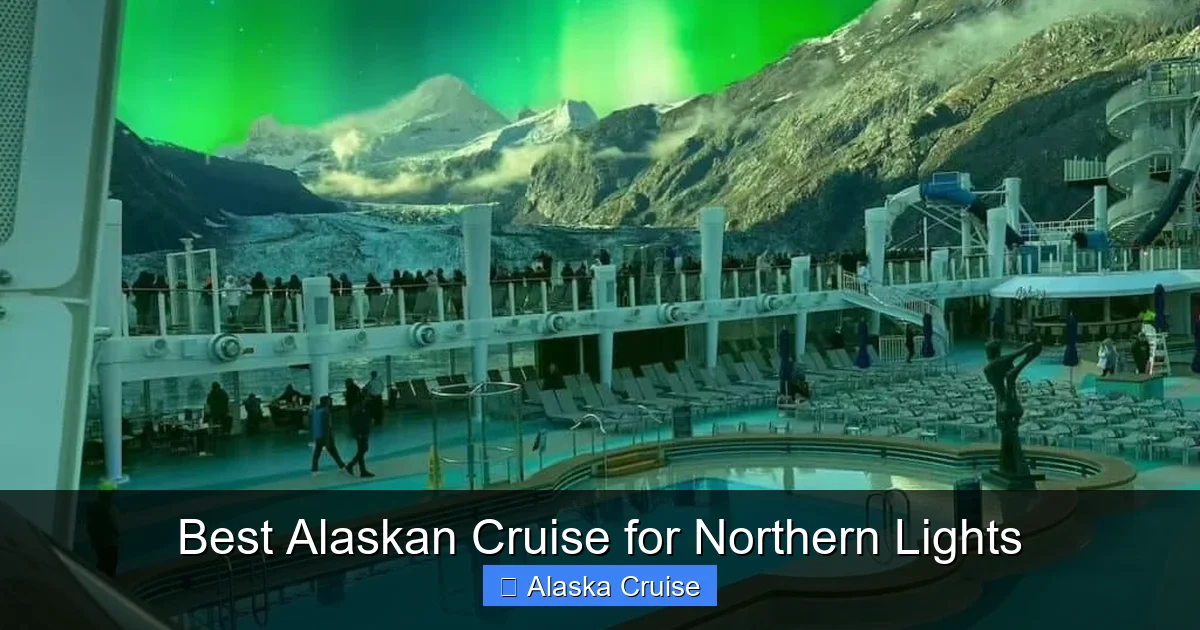
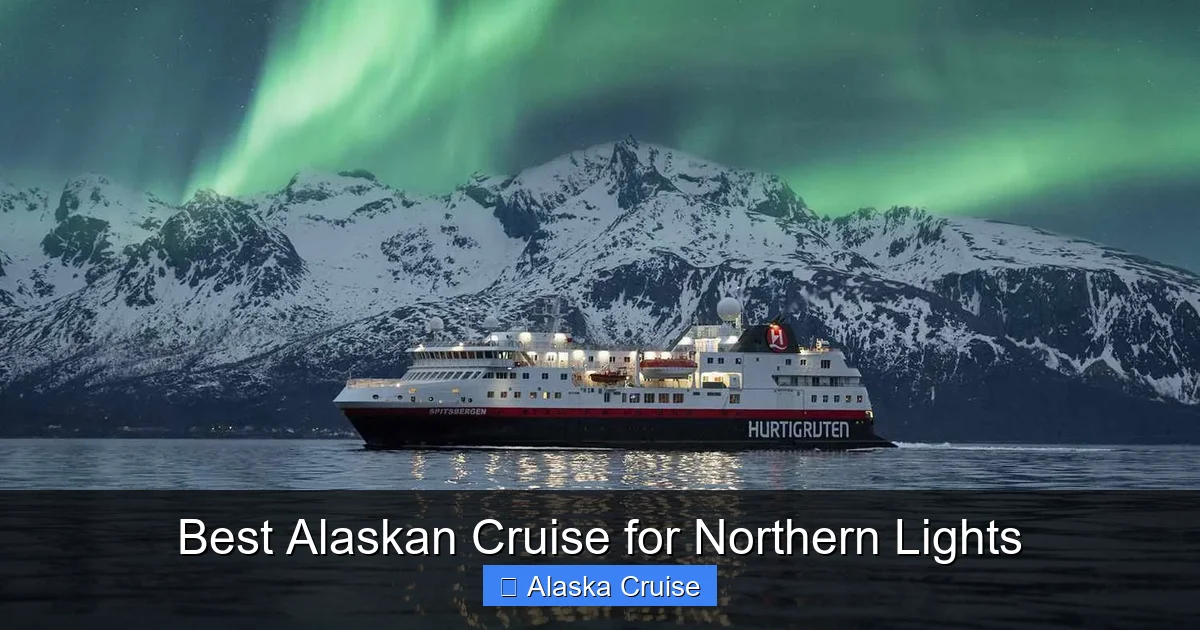
The magic window for seeing the northern lights on an Alaskan cruise typically falls between late August and early October. During this time, the skies darken enough after sunset for the aurora to appear, especially in the northernmost ports. While it’s not guaranteed, travelers who plan wisely—choosing the right cruise, route, and timing—can turn their voyage into a spectacular light show over the Pacific. Think shimmering greens and purples dancing above glaciers, fjords, and snow-capped peaks. It’s a rare blend of natural wonders that makes an Alaskan cruise truly unforgettable.
When Is the Best Time to See the Northern Lights in Alaska?
Aurora Season vs. Cruise Season
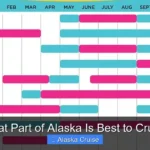
Understanding the overlap between aurora season and cruise season is crucial. The northern lights are most active from September to March, with peak activity often in the equinox months of September and March. However, most major cruise lines—like Norwegian, Royal Caribbean, and Carnival—wrap up their Alaska seasons by mid-September. That leaves a narrow but golden window: late August to early October.
Visual guide about Best Alaskan Cruise for Northern Lights
Image source: travelandleisure.com
During this period, the nights are long enough for darkness to fall, yet the weather is still relatively mild. September, in particular, is ideal. The skies are often clearer than in winter, and the risk of storms is lower. Plus, the autumn colors along the coastline add a stunning backdrop to any aurora display. If you’re serious about seeing the lights, aim for a cruise that departs in late August or September. Some ships even extend their season into early October, offering the best odds for aurora chasers.
Why September Stands Out
September is widely considered the sweet spot for northern lights viewing in Alaska. The equinox in late September brings increased geomagnetic activity, which fuels stronger and more frequent auroras. At the same time, the cruise season is still active, with many ships offering full itineraries. You’ll enjoy fewer crowds, lower prices, and the chance to experience Alaska in a quieter, more intimate way.
For example, a cruise departing from Seattle on September 10th might sail through the Inside Passage, stopping in Ketchikan, Juneau, Skagway, and Glacier Bay before ending in Vancouver. On clear nights, especially after 10 PM, passengers have reported seeing faint green ribbons near the horizon. With a bit of luck and clear skies, the aurora can burst into full display, lighting up the entire sky. It’s not just about the lights—it’s about the entire experience: the crisp air, the sound of waves, and the silence of the wilderness under a celestial show.
Top Cruise Lines for Northern Lights Viewing
Holland America Line: The Aurora-Friendly Choice
Holland America is one of the most reliable cruise lines for northern lights seekers. They offer several late-season itineraries that sail into September, with routes that hug the Alaskan coast and spend extra time in northern ports. Their ships, like the ms Nieuw Amsterdam and ms Volendam, are known for their stability and large observation decks—perfect for nighttime aurora watching.
What sets Holland America apart is their onboard programming. Many of their September cruises feature guest speakers from the University of Alaska or local astronomers who give lectures on the science of the aurora. They also offer aurora alerts via the ship’s app, so you’re notified when activity is high. Plus, their dining and service are top-notch, making the overall experience luxurious and relaxing. If you want a balance of comfort and aurora potential, Holland America is a strong contender.
Princess Cruises: Scenic Routes and Northern Ports
Princess Cruises is another excellent option, especially for those who want to maximize their time in Alaska’s most aurora-friendly regions. Their Connoisseur and Grand itineraries often include extended stays in Seward and Whittier—ports close to Anchorage and the Interior, where aurora activity is highest.
Princess also offers “Aurora Viewing” packages on select September sailings, which include guided shore excursions to dark-sky locations near Fairbanks or Denali. While these require a pre- or post-cruise land tour, they significantly boost your chances of seeing the lights. Their ships feature panoramic lounges and outdoor decks with minimal light pollution, making them ideal for nighttime viewing. And with their “North to Alaska” programming, you’ll enjoy cultural shows, local cuisine, and expert-led talks that deepen your connection to the region.
UnCruise Adventures: Small Ships, Big Experiences
For a more intimate and adventurous experience, consider UnCruise Adventures. These small ships—often under 100 passengers—sail deeper into remote areas and offer flexible itineraries that adapt to weather and aurora conditions. Their late-August and September cruises are specifically marketed to nature lovers and photographers, with guides who know the best spots for northern lights.
UnCruise ships like the Wilderness Explorer and Spirit of Discovery spend nights anchored in secluded bays, far from city lights. On clear evenings, the crew may even organize aurora watches on deck, complete with hot cocoa and photography tips. Because of their small size, they can navigate narrow channels and reach areas larger ships can’t, increasing your exposure to dark, pristine skies. It’s a more rugged, immersive way to experience Alaska—and the northern lights—up close.
Best Itineraries for Northern Lights Chances
Inside Passage with Extended Northern Stays
The classic Inside Passage route—Seattle to Vancouver via Ketchikan, Juneau, and Skagway—is a favorite for first-time cruisers. But to boost your northern lights odds, look for itineraries that include longer stops in northern ports or overnight stays. For example, a cruise that spends two nights in Juneau or Skagway gives you more opportunities for evening viewing.
Some ships also offer “double glacier” days, where you sail past Hubbard Glacier or Glacier Bay and then anchor in a quiet bay for the night. These remote locations are ideal for aurora watching, especially if the moon is new or low in the sky. One traveler on a September Holland America cruise reported seeing a vivid green aurora from the deck near Tracy Arm Fjord—completely by surprise, while sipping coffee at 11 PM.
Round-Trip from Seattle or Vancouver
Round-trip cruises from Seattle or Vancouver are convenient and often include the best late-season departures. These itineraries typically sail north through the Inside Passage, then loop back south, giving you multiple chances to see the lights. Because they don’t cross international borders, they’re also simpler logistically.
Look for cruises that depart in late August or early September. For instance, a September 5th departure from Seattle might include stops in Ketchikan (overnight), Juneau, Skagway, and Glacier Bay, with a return to Seattle on September 12th. This timing aligns perfectly with the peak aurora season, and the northern route increases your exposure to darker skies.
One-Way Cruises Ending in Seward or Whittier
If you’re willing to extend your trip, consider a one-way cruise that ends in Seward or Whittier—ports near Anchorage. These cruises often depart from Vancouver or Seattle in late August and arrive in Alaska in early September. From there, you can take a train or flight to Fairbanks, where aurora viewing is even more reliable.
This combo approach—cruise plus land tour—gives you the best of both worlds: the scenic beauty of the coast and the dark skies of the Interior. Many cruise lines partner with tour operators to offer seamless packages. For example, Princess Cruises offers a “Cruise + Denali” package that includes a 3-day land tour with aurora viewing near Fairbanks. It’s a bit more expensive, but the odds of seeing the lights skyrocket.
Tips for Maximizing Your Northern Lights Experience
Check the Aurora Forecast
Before your cruise, download aurora forecast apps like My Aurora Forecast or Space Weather Live. These tools use real-time data from NOAA and NASA to predict geomagnetic activity. A KP index of 3 or higher increases your chances of seeing the lights, especially at lower latitudes.
Once onboard, ask the crew if they monitor aurora activity. Some ships post daily forecasts on bulletin boards or send alerts via the app. If the forecast looks good, head to the deck after 10 PM, when the sky is darkest. Avoid areas with bright lights, and give your eyes 20 minutes to adjust to the darkness.
Dress Warmly and Bring the Right Gear
Even in September, nighttime temperatures on deck can drop into the 40s (Fahrenheit). Bring a warm jacket, gloves, a hat, and thermal layers. A thermos of hot tea or coffee can make the wait more comfortable. Don’t forget a headlamp with a red light setting—it preserves your night vision and won’t disturb others.
If you’re planning to photograph the aurora, bring a tripod and a camera with manual settings. Use a wide-angle lens, set the ISO to 1600–3200, and use a long exposure (10–30 seconds). Many cruise ships offer photography workshops in September, so take advantage of the expert tips.
Stay Flexible and Patient
The northern lights are unpredictable. You might see them on the first night, or not at all. The key is to stay flexible and keep trying. If your cruise doesn’t offer overnight stays, consider extending your trip with a few nights in Fairbanks or Anchorage. The Interior has far less light pollution and higher aurora frequency.
Some travelers book a “northern lights guarantee” tour, where the operator promises a refund or free rebooking if the lights don’t appear. While not common on cruises, these tours are available in Alaska’s Interior and can be a worthwhile add-on.
What to Expect Onboard During Aurora Season
Special Events and Programming
Many cruise lines enhance their September sailings with aurora-themed events. Holland America, for example, hosts “Northern Lights Nights” with live music, hot cocoa bars, and stargazing sessions. Princess Cruises offers “Aurora Alerts” and invites passengers to gather on deck with blankets and telescopes.
These events create a sense of community and excitement. You’ll meet fellow travelers who share your passion for the night sky, and the crew often goes the extra mile to help you spot the lights. Some ships even dim the exterior lights on clear nights to improve viewing conditions.
Dining and Comfort Under the Stars
Dining under the stars takes on a new meaning during aurora season. Imagine sipping a glass of wine on the aft deck, wrapped in a blanket, as the sky begins to shimmer. Some ships offer late-night snacks or aurora-themed menus, like “Northern Lights Nachos” or “Aurora Ale.”
While you won’t see the lights from your cabin (most have interior views or small windows), the public decks are designed for relaxation and observation. Look for ships with open-air lounges, glass-enclosed solariums, or quiet corners away from the main pool area.
Conclusion: Is an Alaskan Cruise Worth It for the Northern Lights?
Seeing the northern lights on an Alaskan cruise is a rare and magical experience—one that combines the beauty of the coast with the wonder of the cosmos. While it’s not guaranteed, the odds are best on late-season cruises that sail into September, especially those that visit northern ports or offer extended stays. With the right preparation, timing, and a bit of luck, you could witness one of nature’s most breathtaking displays from the deck of a ship, surrounded by glaciers, wildlife, and the quiet majesty of the Pacific.
So, is it worth it? Absolutely. Even if the aurora doesn’t appear, you’ll still enjoy world-class scenery, incredible wildlife, and the unique charm of Alaska in the shoulder season. But if the lights do show up—dancing in greens and purples above the water—you’ll have a story to tell for a lifetime. Pack your bags, check the forecast, and set sail for the adventure of a lifetime.
Frequently Asked Questions
Can you see the northern lights on a summer Alaskan cruise?
No, it’s nearly impossible to see the northern lights on summer cruises (May to July) because the sun doesn’t set—this is known as the midnight sun. The sky remains bright all night, blocking any chance of aurora visibility.
Which month is best for seeing the northern lights on an Alaskan cruise?
September is the best month. The nights are long enough for darkness, and geomagnetic activity peaks around the equinox. Late August and early October also offer good chances, depending on the cruise schedule.
Do cruise ships offer northern lights alerts?
Yes, some cruise lines like Holland America and Princess offer aurora alerts via their apps or daily bulletins. Crew members may also announce high activity periods, especially on September sailings.
What should I pack to see the northern lights on a cruise?
Pack warm layers, a waterproof jacket, gloves, a hat, and a thermos. For photography, bring a tripod, a camera with manual settings, and extra batteries—cold weather drains them quickly.
Are there cruises that guarantee northern lights sightings?
No cruise can guarantee northern lights, as they depend on solar activity and weather. However, some land tour operators in Alaska offer “see the lights or your money back” guarantees—usually in Fairbanks or the Interior.
Can I extend my cruise to improve my chances of seeing the aurora?
Yes! Many travelers book a post-cruise land tour to Fairbanks or Denali, where dark skies and high aurora frequency increase your odds. Cruise lines often offer packaged deals for seamless travel.