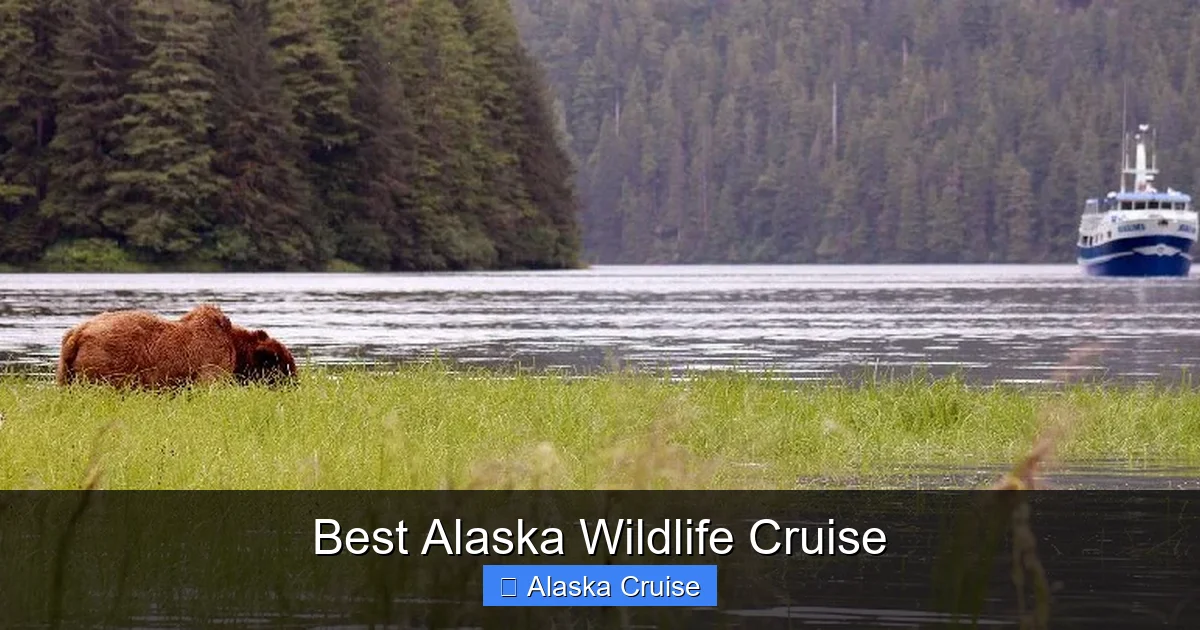
Looking for the best Alaska wildlife cruise? These journeys offer unparalleled opportunities to see humpback whales, orcas, sea otters, brown bears, and bald eagles in their natural habitat. With expert guides, intimate ships, and prime viewing locations, an Alaska wildlife cruise combines adventure, education, and awe-inspiring scenery for travelers of all ages.
Imagine standing on the deck of a ship, the crisp Alaskan breeze brushing your face, as a humpback whale breaches just 50 yards away. Nearby, a sea otter floats on its back, cracking a clam on its chest. In the distance, a bald eagle soars above a snow-capped peak. This isn’t a dream—it’s the reality of the best Alaska wildlife cruise.
Alaska is one of the last true wilderness frontiers on Earth. Its rugged coastlines, icy fjords, and vast national parks create a sanctuary for some of the planet’s most iconic animals. From the thunderous calving of glaciers to the quiet rustle of a brown bear foraging along a riverbank, every moment on an Alaska wildlife cruise feels like stepping into a nature documentary.
But not all cruises are created equal. The best Alaska wildlife cruise isn’t just about luxury or itinerary—it’s about immersion. It’s about getting close to nature without disturbing it, learning from experts, and experiencing the raw beauty of the Last Frontier in a way that respects both wildlife and the environment. Whether you’re a seasoned traveler or a first-time cruiser, choosing the right voyage can make all the difference.
Key Takeaways
- Wildlife diversity: Alaska is home to over 400 species of wildlife, including whales, bears, sea lions, and migratory birds, making it a top destination for nature lovers.
- Best time to go: May through September offers the warmest weather, longest daylight hours, and peak wildlife activity, especially for whale watching and bear viewing.
- Small ships are better: Smaller vessels (under 200 passengers) access narrow fjords and remote areas where larger cruise ships can’t go, increasing wildlife sightings.
- Expert naturalists onboard: The best Alaska wildlife cruises include marine biologists or naturalists who provide daily lectures and guide excursions.
- Top wildlife hotspots: Glacier Bay, Icy Strait Point, and the Inside Passage are must-see regions known for frequent animal encounters.
- Photography tips: Bring a telephoto lens, use a polarizing filter, and shoot during golden hour for the best wildlife photos.
- Sustainable travel matters: Choose eco-certified cruise lines that follow responsible wildlife viewing practices to protect Alaska’s fragile ecosystems.
📑 Table of Contents
Why Choose an Alaska Wildlife Cruise?
Alaska’s coastline stretches over 6,600 miles—longer than the entire U.S. Atlantic and Gulf coasts combined. This vast, untamed landscape is home to an astonishing array of wildlife, much of which can only be accessed by boat. A wildlife-focused cruise offers a unique vantage point, allowing you to observe animals in their natural habitat without the crowds and noise of land-based tours.
One of the biggest advantages of a cruise is mobility. Unlike road trips or hiking expeditions, a ship can glide silently through pristine waters, reaching remote inlets and protected bays where wildlife thrives. You’ll pass towering glaciers, dense temperate rainforests, and rugged mountain ranges—all while staying comfortable onboard.
Moreover, the best Alaska wildlife cruise operators partner with national parks, marine sanctuaries, and local Indigenous communities. This ensures that your journey supports conservation efforts and cultural preservation. Many cruises include guided shore excursions led by local experts who share stories and insights you won’t find in any guidebook.
Wildlife You Can Expect to See
The diversity of Alaska’s wildlife is staggering. Depending on your route and the time of year, you might encounter:
– **Humpback whales**: Known for their acrobatic breaches and complex songs, humpbacks are a highlight of any Alaska cruise. They feed in Alaskan waters from spring to fall, often traveling in pods.
– **Orcas (killer whales)**: These intelligent predators are frequently spotted in the Inside Passage and near the Aleutian Islands. Some pods are resident fish-eaters, while others hunt marine mammals.
– **Sea otters**: Playful and curious, sea otters are often seen floating on their backs in kelp beds. Their dense fur makes them one of the most photographed marine mammals in Alaska.
– **Steller sea lions and harbor seals**: These pinnipeds haul out on rocky shores and ice floes, especially in areas like Glacier Bay and Tracy Arm Fjord.
– **Brown bears and black bears**: Coastal brown bears (including grizzlies) are commonly seen fishing for salmon in rivers near places like Ketchikan, Hoonah, and Admiralty Island.
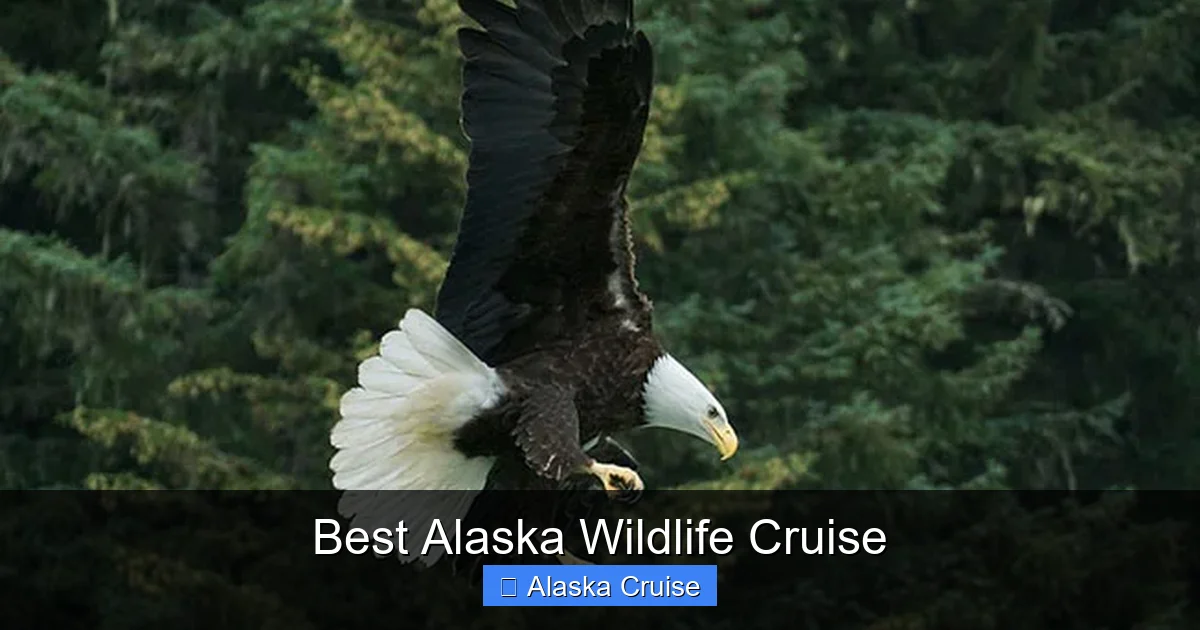
– **Bald eagles**: With a population exceeding 30,000, Alaska has the highest concentration of bald eagles in the U.S. They’re often spotted perched in tall trees or diving for fish.
– **Puffins, murres, and other seabirds**: Coastal cliffs and islands are teeming with nesting birds during the summer months.
The Role of Expert Naturalists
What sets the best Alaska wildlife cruise apart is the presence of onboard naturalists. These are not just tour guides—they’re trained biologists, marine scientists, or experienced outdoor educators who bring the wilderness to life.
Each day, they deliver engaging lectures on topics like glacier formation, marine ecosystems, or bear behavior. They also lead Zodiac excursions, pointing out subtle signs of wildlife—like a bear track in the mud or a whale’s blow in the distance. Their knowledge transforms a simple sighting into a meaningful learning experience.
For example, on a cruise through Glacier Bay National Park, a naturalist might explain how glacial retreat has opened new habitats for marine life, or how orcas use echolocation to hunt seals. These insights deepen your appreciation and help you understand the delicate balance of Alaska’s ecosystems.
Top Alaska Wildlife Cruise Itineraries
Visual guide about Best Alaska Wildlife Cruise
Image source: alaskauncharted.com
Not all Alaska cruises are designed with wildlife in mind. Some focus on luxury, others on port cities, but the best Alaska wildlife cruise prioritizes nature immersion. Here are some of the top itineraries that deliver unforgettable animal encounters.
The Inside Passage: Classic Wildlife Route
Stretching from Washington State to the Gulf of Alaska, the Inside Passage is the most popular cruise route—and for good reason. This sheltered waterway winds through lush rainforests, past towering cliffs, and alongside active glaciers. It’s a hotspot for humpback whales, orcas, and sea lions.
Ports like Ketchikan, Juneau, and Skagway offer access to bear-viewing excursions, whale-watching tours, and cultural experiences with the Tlingit and Haida peoples. Many small-ship cruises spend extra time in remote areas like Misty Fjords National Monument, where wildlife is abundant and crowds are rare.
One standout itinerary is the 7-day roundtrip from Seattle, which includes stops in Sitka and Haines. Sitka is known for its sea otter populations and historic Russian influence, while Haines offers some of the best bear-viewing opportunities in Alaska, especially along the Chilkoot River.
Glacier Bay and Icy Strait Point: Bear and Whale Central
For travelers seeking the ultimate wildlife experience, a cruise that includes Glacier Bay National Park and Icy Strait Point is a must. Glacier Bay is a UNESCO World Heritage Site and a critical habitat for marine mammals. Here, you might see humpbacks feeding in kelp forests or sea otters floating in calm coves.
Icy Strait Point, near the town of Hoonah, is famous for its high concentration of brown bears. The area’s salmon-rich rivers attract bears from July through September, making it one of the best places in the world to see these majestic animals up close. Many cruises offer guided bear-viewing tours via boat or elevated walkways, ensuring safety and minimal disturbance.
One top-rated cruise line, UnCruise Adventures, offers a 7-day “Alaska’s Inside Passage” itinerary that spends a full day in Icy Strait Point. Guests can choose from kayaking, hiking, or bear-watching excursions, all led by local guides.
The Gulf of Alaska: Remote and Rugged
For a more adventurous experience, consider a one-way cruise through the Gulf of Alaska. These longer voyages (10–14 days) often start in Seattle or Vancouver and end in Seward or Whittier, or vice versa. They traverse the open ocean, passing the Kenai Fjords, Prince William Sound, and the remote waters near Kodiak Island.
This route offers chances to see marine mammals like Dall’s porpoises, minke whales, and even the elusive fin whale. On land, you might visit Kenai Fjords National Park, where boat tours take you past glaciers and into fjords teeming with sea lions and puffins.
One popular option is the 10-day “Alaska’s Gulf Coast” cruise offered by small-ship lines like Lindblad Expeditions. This journey includes stops in Ketchikan, Juneau, and Seward, with multiple days at sea for wildlife watching and glacier viewing.
Choosing the Right Cruise Line
With so many options, selecting the best Alaska wildlife cruise can feel overwhelming. The key is to match your travel style with the right operator. Here’s what to consider:
Ship Size Matters
Small ships (under 200 passengers) are ideal for wildlife cruises. They can navigate narrow channels, anchor in secluded bays, and offer more personalized service. Larger cruise ships (2,000+ passengers) often stick to major ports and can’t access the most remote areas.
For example, a 76-passenger ship like those operated by Alaskan Dream Cruises can glide into Tracy Arm Fjord, where you might see harbor seals on ice floes and mountain goats on cliffs. A mega-ship, by contrast, would be limited to viewing from a distance.
Onboard Expertise and Programming
Look for cruise lines that employ full-time naturalists and offer daily educational programs. Companies like Lindblad Expeditions (in partnership with National Geographic) and UnCruise Adventures are known for their science-based approach.
These cruises often include:
– Daily wildlife briefings
– Guided Zodiac tours
– Citizen science projects (like whale photo identification)
– Cultural exchanges with Indigenous communities
Sustainability and Eco-Certifications
Alaska’s ecosystems are fragile. The best Alaska wildlife cruise operators follow strict environmental guidelines, such as:
– Using low-emission engines
– Minimizing single-use plastics
– Supporting local conservation projects
– Following responsible wildlife viewing practices (e.g., maintaining a safe distance from animals)
Look for certifications like Green Globe or membership in the Adventure Trade Travel Association (ATTA), which promotes sustainable tourism.
Sample Cruise Lines to Consider
– **Lindblad Expeditions – National Geographic**: Known for expert-led expeditions, small ships, and immersive experiences. Their “Alaska’s Coastal Wilderness” cruise includes glacier hikes and whale watching.
– **UnCruise Adventures**: Focuses on adventure and wildlife, with a strong emphasis on local culture and sustainability. Their “Alaska’s Inside Passage” itinerary is a top pick.
– **Alaskan Dream Cruises**: Offers intimate, family-run voyages with a focus on Alaskan heritage and wildlife. Their “Glacier Bay Explorer” cruise is highly rated.
– **Hurtigruten (now Hurtigruten Expeditions)**: Combines Scandinavian design with expedition-style cruising. Their “Alaska Coastal Cruise” includes expert guides and eco-friendly practices.
Best Time to Take an Alaska Wildlife Cruise
Timing is everything when it comes to wildlife sightings. The Alaska cruise season runs from May to September, but each month offers different experiences.
May and June: Spring Awakening
Early season cruises offer fewer crowds and lower prices. Wildlife is active as animals emerge from winter hibernation. You’ll see newborn seal pups, migrating birds, and bears foraging for early salmon. However, some ports may still be icy, and daylight hours are rapidly increasing.
July and August: Peak Season
These are the most popular months for a reason. The weather is warmest, the days are longest (up to 18 hours of daylight), and wildlife is at its most active. Humpback whales are abundant, bears are fishing for salmon, and seabird colonies are bustling.
This is also the best time for bear viewing, especially in areas like Pack Creek on Admiralty Island, where brown bears gather in large numbers.
September: Fall Colors and Fewer Crowds
Late-season cruises offer a quieter experience with stunning fall foliage. Some wildlife, like whales, are still present, and you might see moose and caribou preparing for winter. However, weather can be unpredictable, and some excursions may be canceled due to storms.
Tips for Maximizing Your Wildlife Experience
Even on the best Alaska wildlife cruise, preparation is key. Here are some practical tips to help you make the most of your journey:
Pack the Right Gear
– **Binoculars**: Essential for spotting distant whales, eagles, or bears. Look for 8×42 or 10×42 models.
– **Camera with telephoto lens**: A 300mm or longer lens will help you capture close-up shots without disturbing animals.
– **Layered clothing**: Alaska’s weather changes quickly. Bring waterproof jackets, warm layers, and sturdy footwear.
– **Motion sickness remedies**: Even calm waters can cause discomfort. Consider wristbands, ginger supplements, or prescription patches.
Be Patient and Observant
Wildlife sightings aren’t guaranteed, but patience pays off. Spend time on deck, scan the horizon, and listen for guides’ announcements. Sometimes the most magical moments happen when you least expect them—like a sudden orca pod surfacing near the ship.
Respect Wildlife and Guidelines
Always follow your guide’s instructions. Keep a safe distance from animals, never feed wildlife, and avoid loud noises. Remember, you’re a guest in their home.
Take Advantage of Shore Excursions
Many wildlife sightings happen on land. Book excursions like:
– Bear-viewing tours in Hoonah or Pack Creek
– Whale-watching boat trips from Juneau or Seward
– Kayaking in Glacier Bay or Kachemak Bay
– Hiking in Tongass National Forest
These activities offer closer encounters and unique perspectives.
Conclusion: Why an Alaska Wildlife Cruise Is Worth It
An Alaska wildlife cruise isn’t just a vacation—it’s a transformative experience. It’s about connecting with nature in its purest form, learning from experts, and witnessing moments of wild beauty that stay with you forever.
From the haunting call of a humpback whale to the silent glide of a sea otter through kelp, every sighting reminds you of the power and fragility of the natural world. The best Alaska wildlife cruise combines adventure, education, and conservation, offering a journey that’s as meaningful as it is memorable.
Whether you’re traveling solo, with family, or as a couple, there’s a cruise that fits your style. Choose a small ship, prioritize expert guides, and go during peak wildlife season. With the right preparation and mindset, your Alaska wildlife cruise will be the adventure of a lifetime.
Frequently Asked Questions
What is the best time of year for an Alaska wildlife cruise?
The best time is from July to August, when weather is warm, daylight is long, and wildlife is most active. However, May and June offer fewer crowds and lower prices, while September provides fall colors and quieter experiences.
Can I see bears on an Alaska cruise?
Yes, especially on cruises that include stops in Hoonah, Ketchikan, or Pack Creek. Brown bears are often seen fishing for salmon in rivers from July through September.
Do I need special equipment for wildlife watching?
Binoculars and a camera with a telephoto lens are highly recommended. Layered, waterproof clothing is also essential due to Alaska’s unpredictable weather.
Are Alaska wildlife cruises suitable for families?
Absolutely. Many small-ship cruises offer family-friendly programming, including kid-focused naturalist talks and interactive activities. Some lines even provide youth excursions.
How close can we get to whales and other marine animals?
Cruise lines follow strict guidelines to protect wildlife. Ships maintain a safe distance (usually 100+ yards), and Zodiac tours are led by trained guides who ensure responsible viewing.
What makes a cruise the “best” for wildlife viewing?
The best Alaska wildlife cruise features small ships, expert naturalists, remote itineraries, and a strong commitment to sustainability and conservation.