Experience the wild heart of Alaska with the best wildlife and glacier cruise adventures. From breaching humpback whales to calving glaciers and coastal brown bears, these journeys offer once-in-a-lifetime encounters in pristine natural settings.
Imagine standing on the deck of a quiet ship, the crisp Alaskan air filling your lungs, as a massive humpback whale breaches just 50 yards away. Around you, snow-capped peaks rise from emerald waters, and in the distance, a glacier calves with a thunderous crack, sending icebergs tumbling into the sea. This isn’t a scene from a documentary—it’s what you can experience on the best Alaska wildlife and glacier cruise.
Alaska is one of the last true wilderness frontiers on Earth. Its rugged coastline, protected fjords, and vast marine ecosystems make it a paradise for nature lovers. A wildlife and glacier cruise offers the most immersive way to explore this remote region. Unlike large ocean liners that stick to major ports, these specialized cruises venture into hidden coves, narrow channels, and protected marine reserves where wildlife thrives and glaciers meet the sea.
Whether you’re a seasoned traveler or planning your first adventure cruise, Alaska delivers awe-inspiring moments at every turn. From the playful antics of sea otters to the silent glide of a bald eagle overhead, the experiences are as diverse as they are unforgettable. And with the right cruise, you’ll not only see these wonders—you’ll understand them, thanks to expert guides and educational programs that bring the landscape to life.
Key Takeaways
- Unmatched wildlife viewing: Spot humpback whales, orcas, sea lions, puffins, and coastal brown bears in their natural habitats.
- Stunning glacier encounters: Witness massive tidewater glaciers like Hubbard and Mendenhall calve ice into the sea.
- Small-ship advantage: Smaller vessels offer closer access to wildlife and remote fjords with fewer crowds.
- Expert naturalist guides: Onboard experts enhance your experience with insights into Alaska’s ecosystems and conservation.
- Seasonal timing matters: May to September offers the best weather, wildlife activity, and glacier visibility.
- Sustainable travel focus: Leading cruises follow eco-friendly practices to protect Alaska’s fragile environment.
- Flexible itineraries: Choose from multi-day expeditions or short coastal cruises based on your interests and schedule.
📑 Table of Contents
- Why Choose a Wildlife and Glacier Cruise in Alaska?
- Top Wildlife Encounters on an Alaska Cruise
- Glacier Encounters: Nature’s Ice Sculptures
- Best Time to Take an Alaska Wildlife and Glacier Cruise
- Choosing the Right Cruise for You
- Tips for Making the Most of Your Cruise
- Conclusion: A Journey You’ll Never Forget
Why Choose a Wildlife and Glacier Cruise in Alaska?
Alaska’s coastline stretches over 6,600 miles—more than all the other U.S. states combined. Yet, much of it remains untouched by roads or development. This isolation preserves a wild, raw beauty that can only be fully appreciated from the water. A wildlife and glacier cruise is the ideal way to access these remote areas while traveling in comfort and safety.
Unlike land-based tours, cruises allow you to cover vast distances without constant packing and unpacking. You wake up in a new location each morning, often surrounded by scenery so dramatic it feels surreal. And because many of these voyages use small ships—some with fewer than 100 passengers—you get a more intimate, personalized experience.
One of the biggest advantages of a cruise is mobility. Wildlife doesn’t follow a schedule, and glaciers shift with the tides. A good cruise captain and crew know how to read the environment, adjusting the route in real time to maximize sightings. You might spend an extra hour watching a pod of orcas hunt, or detour into a quiet bay where a mother bear is teaching her cubs to fish.
Another key benefit is access. Many of Alaska’s most spectacular glaciers and wildlife hotspots are only reachable by boat. Places like Glacier Bay National Park, Tracy Arm Fjord, and the Inside Passage are best explored from the water, where you can get close—but not too close—to towering ice walls and active marine life.
Small Ships, Big Experiences
When it comes to Alaska wildlife and glacier cruises, size matters—but not in the way you might think. While massive cruise ships dominate headlines, smaller expedition vessels often provide a far richer experience.
Small ships—typically under 200 passengers—can navigate narrow channels, anchor in secluded bays, and get closer to shore. This means you’re more likely to see wildlife up close, whether it’s a sea lion basking on a rocky outcrop or a black bear foraging along the shoreline.
These vessels are also designed for adventure. Many feature reinforced hulls for ice navigation, Zodiac landing craft for shore excursions, and observation decks with panoramic views. Some even have hydrophones to listen to whale songs beneath the surface.
Popular small-ship operators include UnCruise Adventures, Lindblad Expeditions, and Alaskan Dream Cruises. These companies emphasize sustainability, education, and immersive experiences. Their itineraries often include guided kayaking, hiking, and cultural visits with local Indigenous communities.
Expert Guides Make the Difference
One of the standout features of the best Alaska wildlife and glacier cruises is the presence of onboard naturalists and marine biologists. These experts don’t just point out animals—they explain the science behind what you’re seeing.
For example, when you spot a humpback whale feeding, a naturalist might explain how it uses bubble nets to corral fish, a behavior unique to certain populations. Or when you witness a glacier calving, they’ll describe the decades of snowfall and compression that formed that ice.
Many cruises also offer daily lectures, photo workshops, and Q&A sessions. These programs deepen your understanding of Alaska’s ecosystems and the challenges they face, from climate change to overfishing.
Some ships even partner with research organizations, allowing passengers to participate in citizen science projects like whale photo identification or seabird counts. It’s a meaningful way to contribute to conservation while enjoying your adventure.
Top Wildlife Encounters on an Alaska Cruise

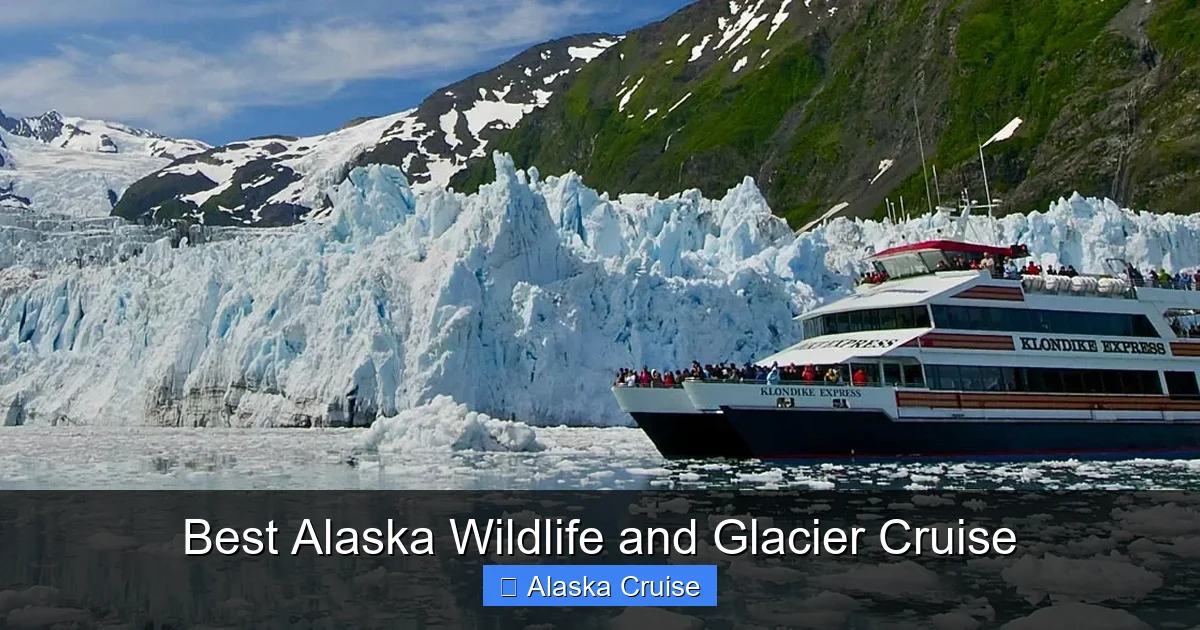
Visual guide about Best Alaska Wildlife and Glacier Cruise
Image source: flashpackingamerica.com
Alaska is home to some of the most abundant and diverse wildlife in North America. A well-planned cruise increases your chances of seeing these incredible creatures in their natural habitat. Here are some of the top wildlife encounters you can expect.
Whales: Giants of the Pacific
No Alaska cruise is complete without a whale sighting. The state’s coastal waters are prime feeding grounds for several species, especially during the summer months.
Humpback whales are the stars of the show. Known for their acrobatic breaches and complex songs, they often travel in small groups called pods. You might see them lunge-feeding—surfacing with mouths wide open to scoop up schools of fish.
Orcas, or killer whales, are also common. These apex predators are highly intelligent and travel in family pods. Spotting a black-and-white dorsal fin cutting through the water is a thrilling moment.
Gray whales migrate through Alaskan waters in spring and fall, traveling over 10,000 miles round-trip from Mexico to the Arctic. Minke and fin whales are less common but still occasionally seen.
Tip: Bring binoculars and a camera with a good zoom lens. Whales can appear suddenly, and you’ll want to capture the moment.
Sea Lions and Seals: Playful Marine Mammals
Steller sea lions and harbor seals are frequently spotted lounging on rocky islands or floating on ice floes. Steller sea lions are massive—males can weigh over 2,000 pounds—and their deep, guttural barks echo across the water.
Harbor seals are more elusive but often seen “hauled out” on sandy beaches or glacial ice. They’re curious creatures and may swim alongside the ship to get a better look.
Both species are important indicators of ocean health. Their populations have fluctuated in recent decades due to changes in food supply and climate, making sightings all the more special.
Bears: Coastal Giants
Alaska is bear country—home to both black bears and the famous coastal brown bears (often called grizzlies). While inland sightings are rare on a cruise, coastal brown bears are commonly seen along river mouths and estuaries, especially in places like Katmai National Park and Admiralty Island.
These bears are expert fishermen, waiting at riverbanks for salmon runs. Watching a 1,000-pound bear snatch a salmon from the water is a powerful reminder of nature’s raw power.
Tip: Always view bears from a safe distance. Cruise ships maintain a respectful buffer, and guides will remind you not to make sudden movements or loud noises.
Birds: A Sky Full of Life
Alaska’s coastline is a birdwatcher’s paradise. Over 300 species nest or migrate through the region, including bald eagles, puffins, murres, and kittiwakes.
Bald eagles are everywhere—perched on treetops, soaring overhead, or diving for fish. Alaska has the largest population of bald eagles in the U.S., with some areas hosting one eagle per square mile.
Tufted and horned puffins are a favorite among travelers. These colorful seabirds nest in cliffside colonies and are known for their distinctive beaks and comical waddles.
Tip: Visit during nesting season (May to July) for the best bird activity. Bring a field guide or use a birding app to identify species.
Glacier Encounters: Nature’s Ice Sculptures
Glaciers are one of Alaska’s most iconic natural features. These rivers of ice form over centuries as snow compresses into dense ice, slowly flowing downhill under their own weight. When they reach the sea, they calve—breaking off into icebergs that float away or ground in shallow water.
A glacier cruise offers a front-row seat to this dynamic process. The sound of calving—like distant thunder or a cannon blast—is unforgettable. Ice chunks the size of houses crash into the water, sending spray high into the air.
Top Glaciers to See
Not all glaciers are created equal. Some are more accessible, others more dramatic. Here are a few of the most spectacular:
– **Hubbard Glacier:** At over 75 miles long, it’s one of the largest tidewater glaciers in North America. It frequently calves massive icebergs and is a highlight of many cruise itineraries.
– **Mendenhall Glacier:** Located near Juneau, this glacier is easily accessible and offers stunning views from the water. It’s also retreating rapidly due to climate change—a sobering reminder of environmental shifts.
– **Margerie and Lamplugh Glaciers:** Found in Glacier Bay National Park, these twin glaciers are known for their deep blue ice and frequent calving events.
– **Tracy Arm Fjord:** This narrow, U-shaped fjord is home to the Sawyer Glaciers. The towering walls and glassy water create a surreal, otherworldly atmosphere.
The Science Behind the Ice
Glaciers are more than just beautiful—they’re vital to the planet. They store freshwater, influence ocean currents, and reflect sunlight, helping regulate global temperatures.
But Alaska’s glaciers are shrinking. Since the 1950s, many have retreated by miles. Scientists estimate that Alaska has lost over 1,200 gigatons of ice in the past two decades.
Seeing a glacier up close makes this crisis tangible. The deep blue ice, formed from centuries of compressed snow, is a stark contrast to the white snow above. It’s a powerful reminder of what’s at stake.
Responsible Glacier Viewing
While it’s tempting to get as close as possible, responsible viewing is essential. Ships maintain a safe distance—usually at least 100 yards—to avoid disturbing the glacier or triggering calving events.
Many cruises also follow guidelines set by the International Association of Antarctica Tour Operators (IAATO), even though Alaska isn’t Antarctica. These include waste management, wildlife protection, and visitor education.
Best Time to Take an Alaska Wildlife and Glacier Cruise
Timing is everything when planning your Alaska adventure. The cruise season runs from May to September, but each month offers a different experience.
May and Early June: Spring Awakening
The season kicks off in May, when snow is still melting and wildlife is emerging from winter. This is a great time for birdwatching, as migratory species return to nest.
Glaciers are still mostly intact, and the water is calm. However, some remote areas may still be icy, limiting access.
Mid-June to July: Peak Season
This is the most popular time to cruise. The weather is mild, daylight lasts up to 18 hours, and wildlife is highly active.
Whales are feeding heavily, bears are fishing for salmon, and wildflowers are in bloom. It’s also the best time for glacier viewing, as calving is frequent.
August: Salmon Runs and Bear Activity
August is prime bear season. Salmon are running up rivers, drawing bears to the shorelines. This is one of the best times for bear photography.
Whales are still present, and the weather remains pleasant. Crowds begin to thin toward the end of the month.
September: Fall Colors and Fewer Crowds
As summer ends, the landscape transforms. The tundra turns golden red, and the air grows crisp. Wildlife is still active, and you’ll have more solitude.
However, weather can be unpredictable, and some cruise lines end their season by mid-September.
Tip: Book early for peak season (June–July), as cabins fill up fast. Consider shoulder months (May or September) for better availability and lower prices.
Choosing the Right Cruise for You
With so many options, selecting the best Alaska wildlife and glacier cruise can feel overwhelming. Here’s how to find the right fit.
Ship Size and Style
Decide whether you prefer a small expedition vessel or a larger cruise ship. Small ships offer more adventure and access, while larger ships provide more amenities like spas, multiple dining options, and entertainment.
Itinerary and Duration
Cruises range from 5 to 14 days. Shorter trips focus on key highlights like Juneau, Ketchikan, and Glacier Bay. Longer expeditions may include remote areas like the Arctic Circle or the Aleutian Islands.
Look for itineraries that spend time in wildlife-rich areas like Icy Strait, Frederick Sound, and the Inside Passage.
Onboard Experience
Consider what matters most to you. Do you want expert naturalists, educational programs, and hands-on activities? Or are you looking for luxury, fine dining, and relaxation?
Some cruises offer all-inclusive packages with excursions, while others charge extra for activities like kayaking or helicopter tours.
Sustainability and Ethics
Choose a cruise line with strong environmental practices. Look for certifications like Green Globe or membership in sustainable tourism organizations.
Avoid companies that offer “swim with whales” or other intrusive activities. Responsible operators prioritize animal welfare and habitat protection.
Cost and Value
Prices vary widely, from $2,000 to $10,000 per person. Smaller ships and longer itineraries tend to be more expensive, but they often include more inclusions.
Compare what’s covered: meals, excursions, guides, and port fees. Some lines offer early-bird discounts or group rates.
Tips for Making the Most of Your Cruise
A little preparation goes a long way. Here are some practical tips to enhance your Alaska wildlife and glacier cruise experience.
Pack Smart
Alaska’s weather is unpredictable. Even in summer, temperatures can range from 40°F to 70°F. Pack layers: a waterproof jacket, fleece, thermal base layers, and sturdy walking shoes.
Don’t forget:
– Binoculars
– Camera with extra batteries and memory cards
– Sunglasses and sunscreen (yes, the sun reflects off the ice!)
– Motion sickness remedies (ginger chews or patches)
Dress for the Deck
Even on calm days, it can be windy and chilly on the water. Wear a hat, gloves, and a scarf. Many ships provide rain gear, but it’s good to have your own.
Be Patient and Present
Wildlife sightings aren’t guaranteed, but they’re more likely if you’re patient. Spend time on the deck, scan the horizon, and listen for guide announcements.
Put down your phone and soak in the moment. Some of the best memories come from quiet observation—watching a glacier calve, hearing a whale exhale, or seeing the northern lights dance overhead.
Respect the Environment
Follow the principles of Leave No Trace. Don’t litter, stay quiet near wildlife, and never touch or feed animals.
Support local communities by purchasing souvenirs from Indigenous artisans and choosing eco-friendly tour operators.
Capture Memories Responsibly
Take photos, but don’t let the camera distract you from the experience. Use a zoom lens to avoid getting too close to wildlife.
Share your photos and stories to inspire others to protect Alaska’s wild places.
Conclusion: A Journey You’ll Never Forget
A wildlife and glacier cruise in Alaska is more than a vacation—it’s a transformative experience. It’s the thrill of seeing a whale breach at sunrise, the awe of standing before a mile-high wall of ice, and the peace of floating in a silent fjord under a sky full of stars.
These cruises offer a rare chance to connect with nature in its purest form. You’ll leave with unforgettable memories, a deeper appreciation for the planet, and perhaps a renewed commitment to protecting wild places.
Whether you’re traveling solo, with family, or with friends, the best Alaska wildlife and glacier cruise will leave you changed. It’s not just about the sights—it’s about the feelings, the sounds, the moments that remind you how alive the world truly is.
So pack your bags, bring your sense of wonder, and set sail for Alaska. Adventure awaits.
Frequently Asked Questions
What is the best time of year for an Alaska wildlife and glacier cruise?
The best time is from mid-June to August, when weather is mild, wildlife is active, and glaciers are calving. May and September offer fewer crowds and unique seasonal beauty.
How close can you get to glaciers and wildlife on a cruise?
Ships maintain a safe distance—usually at least 100 yards from glaciers and wildlife—to protect both passengers and the environment. Smaller ships may get closer to shore for better views.
Are Alaska cruises suitable for families with children?
Yes, many cruises offer family-friendly programs, educational activities, and kid-friendly excursions. Smaller ships often have naturalist-led programs designed for younger travelers.
What should I pack for an Alaska cruise?
Pack layers, including a waterproof jacket, warm fleece, thermal wear, and sturdy shoes. Don’t forget binoculars, a camera, sunscreen, and motion sickness remedies.
Do I need travel insurance for an Alaska cruise?
Yes, travel insurance is highly recommended. It can cover trip cancellations, medical emergencies, and evacuation from remote areas, which are common on adventure cruises.
Are Alaska cruises environmentally responsible?
Many cruise lines follow strict environmental guidelines, including waste reduction, wildlife protection, and partnerships with conservation groups. Look for eco-certified operators.