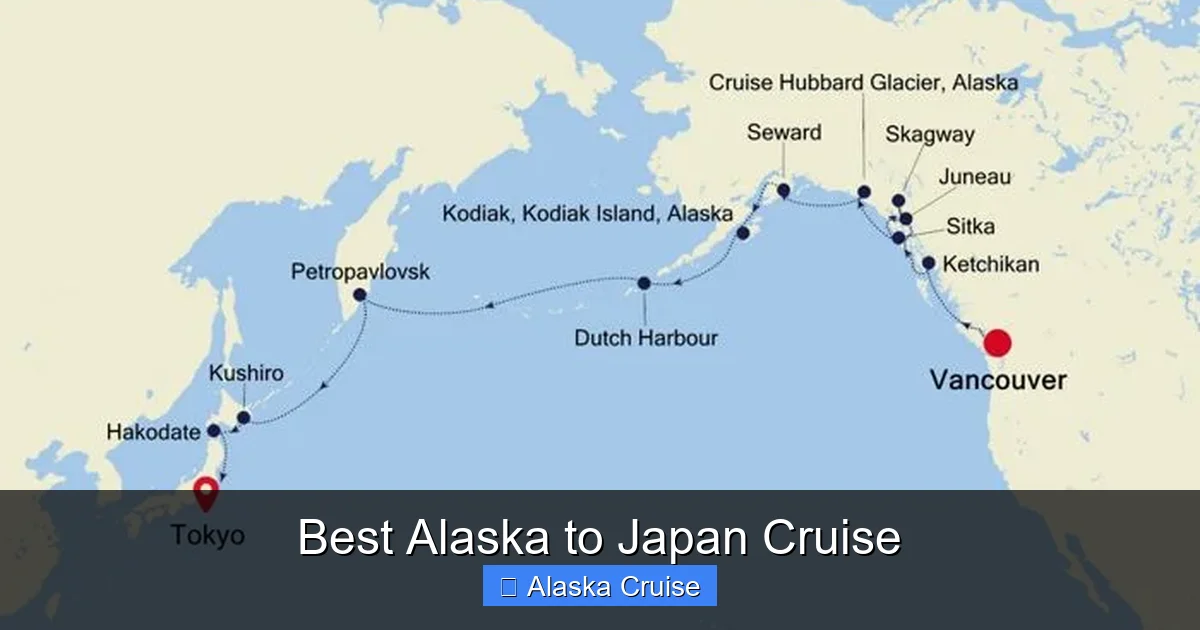
Embarking on an Alaska to Japan cruise offers a rare blend of rugged wilderness, vibrant cultures, and seamless ocean travel. These unique voyages cross the Pacific, connecting two of the world’s most stunning destinations—perfect for travelers seeking adventure, relaxation, and cultural immersion in one unforgettable journey.
Key Takeaways
- Unique Itineraries: Alaska to Japan cruises typically span 14–21 days, crossing the North Pacific with stops in both Alaskan and Japanese ports, offering a rare trans-ocean experience.
- Top Cruise Lines: Princess Cruises, Holland America Line, and Norwegian Cruise Line offer the most reliable and scenic Alaska to Japan routes with excellent onboard amenities.
- Best Time to Travel: The ideal window is late summer to early fall (August to September), when weather is mild and seas are calmer for smoother sailing.
- Must-Visit Ports: Key stops include Seward or Vancouver (departure), Ketchikan, Juneau, Skagway, Tokyo, Yokohama, and Hakodate, each offering distinct cultural and natural attractions.
- Packing Essentials: Bring layers, waterproof gear, motion sickness remedies, and versatile clothing for changing climates from Alaskan cold to Japanese humidity.
- Visa & Travel Requirements: U.S. citizens need a valid passport; Japanese visa requirements depend on nationality—check in advance to avoid delays.
- Onboard Experience: Enjoy gourmet dining, live entertainment, enrichment lectures on regional history, and panoramic views from spacious decks during long sea days.
📑 Table of Contents
Why Choose an Alaska to Japan Cruise?
Imagine sailing from the icy fjords of Alaska, where glaciers calve into turquoise waters and bald eagles soar above dense forests, to the neon-lit streets of Tokyo, where ancient temples stand beside futuristic skyscrapers. A cruise from Alaska to Japan isn’t just a vacation—it’s a transformative journey across two of the world’s most captivating regions. These voyages are rare, immersive, and designed for travelers who crave both adventure and comfort.
Unlike typical coastal cruises, an Alaska to Japan itinerary spans thousands of miles across the North Pacific Ocean. This means you’ll experience dramatic shifts in landscape, culture, and climate—all while enjoying the luxury and convenience of a full-service cruise ship. Whether you’re a nature lover, history buff, or foodie, this route delivers a rich tapestry of experiences. From whale watching in Alaskan waters to savoring fresh sushi in a Tokyo market, every day brings something new.
What makes this journey truly special is the sense of discovery. You’re not just visiting two destinations—you’re connecting them by sea, following a path few travelers take. The long stretches at sea allow time to unwind, reflect, and truly absorb the journey. Plus, with fewer crowds than peak-season Alaska or Japan-only cruises, you’ll enjoy a more intimate and relaxed atmosphere onboard.
Top Cruise Lines for Alaska to Japan Voyages
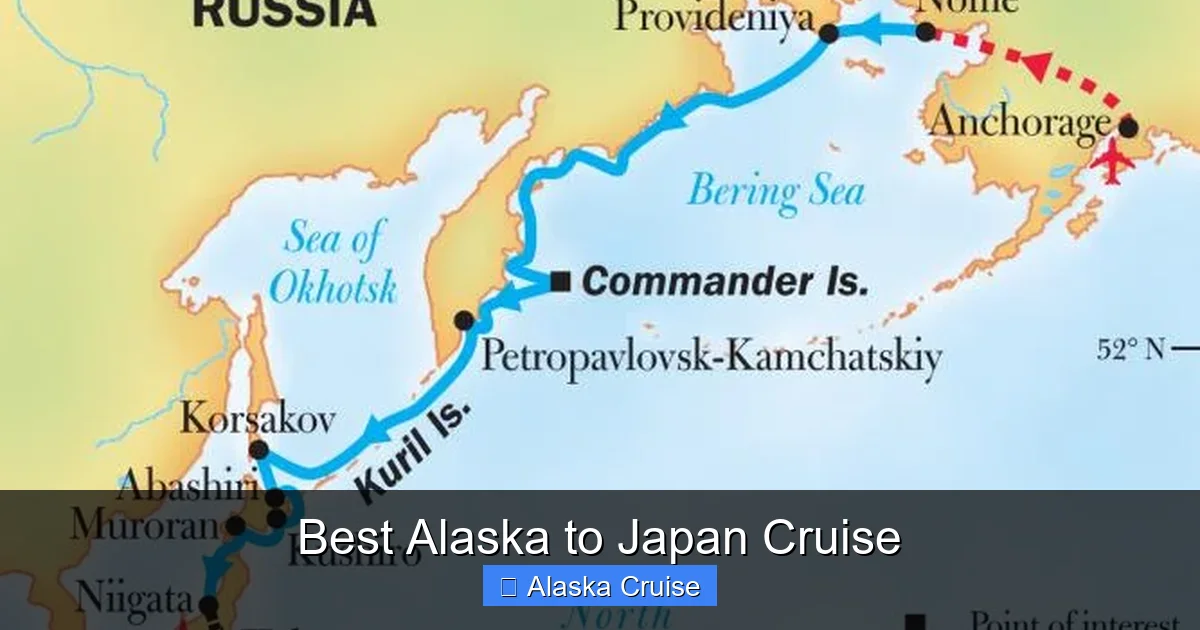
Visual guide about Best Alaska to Japan Cruise
Image source: nationalgeographic.com
Not all cruise lines offer trans-Pacific routes, but a few stand out for their reliability, service, and thoughtfully curated itineraries. If you’re planning an Alaska to Japan cruise, these are the operators to consider.
Princess Cruises: The Alaska Experts
Princess Cruises is arguably the most experienced when it comes to Alaskan cruising, and they’ve extended that expertise to their Japan-bound voyages. Their ships, like the *Discovery Princess* and *Grand Princess*, are equipped with outdoor movie theaters, glass-bottomed viewing areas, and specialty dining venues. Their “North to Alaska” program includes naturalist-led shore excursions, wildlife spotting guides, and educational talks that enhance your understanding of the region.
One of their popular routes departs from Vancouver or Seattle, sails through the Inside Passage with stops in Ketchikan, Juneau, and Skagway, then crosses the Pacific to Japan with calls in Hakodate, Yokohama, and Tokyo. The onboard experience is refined yet relaxed, with a focus on comfort and enrichment. Princess also offers pre- and post-cruise land tours, so you can extend your adventure with a visit to Denali National Park or a cultural tour of Kyoto.
Holland America Line: Elegance Meets Exploration
Known for their mid-sized ships and emphasis on destination immersion, Holland America Line offers a more intimate Alaska to Japan experience. Ships like the *Nieuw Statendam* and *Koningsdam* feature spacious staterooms, live music venues, and a strong focus on culinary excellence—think wine tastings, cooking demonstrations, and regional menus inspired by both Alaskan and Japanese cuisine.
Their itineraries often include longer port stays, giving you more time to explore cities like Tokyo and Hakodate. Holland America also partners with local experts to offer authentic shore excursions, such as tea ceremonies in Japan or guided hikes in Tongass National Forest. The service is consistently praised for being warm and attentive, making it a great choice for travelers who value personalized attention.
Norwegian Cruise Line: Freestyle Cruising Across the Pacific
For those who prefer flexibility, Norwegian Cruise Line (NCL) offers a “freestyle cruising” model—no fixed dining times, multiple entertainment options, and a more casual vibe. Their ships, like the *Norwegian Spirit*, are well-suited for longer voyages, with plenty of lounges, bars, and outdoor spaces to enjoy during sea days.
NCL’s Alaska to Japan routes often begin in Seward or Vancouver and include stops in Alaskan ports before crossing to Japan. While their onboard programming leans more toward entertainment than education, they still offer enriching experiences like cultural performances and destination-themed events. Plus, their “Free at Sea” promotions can add significant value with perks like free shore excursions, beverage packages, and Wi-Fi.
Best Time to Sail: Timing Your Alaska to Japan Cruise
Choosing the right time to embark on your Alaska to Japan cruise can make a big difference in your experience. Weather, sea conditions, and wildlife activity all vary throughout the year, so timing is key.
Peak Season: August to September
The sweet spot for an Alaska to Japan cruise is late summer, particularly August and September. During this time, Alaskan ports enjoy mild temperatures (50–65°F), longer daylight hours, and peak wildlife activity. You’re more likely to spot humpback whales, sea otters, and puffins, and glaciers are actively calving—creating dramatic photo opportunities.
In Japan, September marks the tail end of summer, with warm but not sweltering weather. It’s also a great time to experience autumn foliage beginning in northern regions like Hokkaido. Plus, the Pacific Ocean is generally calmer during these months, reducing the chance of rough seas during the trans-Pacific crossing.
Shoulder Seasons: July and October
July offers earlier access to Alaskan adventures, with lush greenery and active wildlife. However, it’s also the busiest month for tourism in Alaska, so ports may feel crowded. On the flip side, October brings fewer crowds and stunning fall colors in both Alaska and northern Japan. The downside? Cooler temperatures and a higher chance of rain or choppy seas during the ocean crossing.
What to Avoid: Winter and Early Spring
Cruises from Alaska to Japan don’t operate in winter (November to March) due to harsh weather, icy conditions, and limited daylight. Even early spring (April to June) can be unpredictable, with lingering snow in Alaska and cooler ocean temperatures. If you’re set on this route, stick to the August–September window for the best balance of comfort and adventure.
Ports of Call: Must-See Stops on Your Journey
One of the biggest draws of an Alaska to Japan cruise is the diversity of ports you’ll visit. Each stop offers a unique blend of natural beauty, cultural heritage, and local flavor. Here’s what to expect at the most popular destinations.
Alaska: Nature’s Playground
Seward or Vancouver (Departure): Most cruises begin in Seward, Alaska, or Vancouver, Canada. Seward offers stunning views of Resurrection Bay and is the gateway to Kenai Fjords National Park. Vancouver, meanwhile, is a vibrant city with a mix of urban charm and coastal scenery—perfect for a pre-cruise exploration.
Ketchikan: Known as the “Salmon Capital of the World,” Ketchikan is rich in Native Alaskan culture. Visit Totem Bight State Park to see hand-carved totem poles, or take a floatplane tour over Misty Fjords for breathtaking aerial views. Don’t miss a walk along Creek Street, a historic boardwalk built over a stream.
Juneau: Alaska’s capital is accessible only by boat or plane, adding to its remote charm. Take a helicopter ride to Mendenhall Glacier, go whale watching in Stephens Passage, or explore the Alaska State Museum. For adventure seekers, dog sledding on a glacier is a once-in-a-lifetime experience.
Skagway: Step back in time in this Gold Rush-era town. Ride the White Pass and Yukon Route Railway through steep mountain passes, or hike the Chilkoot Trail for a taste of prospector history. Skagway’s wooden boardwalks and historic saloons make it feel like a scene from the 1890s.
Japan: Culture, Cuisine, and Contrast
Hakodate: Located on the southern tip of Hokkaido, Hakodate is known for its Russian-influenced architecture, fresh seafood, and stunning night views from Mount Hakodate. Visit the morning market for grilled scallops and uni (sea urchin), then explore Goryōkaku, a star-shaped fort turned park.
Yokohama: Just a short train ride from Tokyo, Yokohama offers a more relaxed alternative to the capital. Stroll through Yamashita Park, visit the Cup Noodles Museum, or explore the historic foreign settlement. It’s also a great base for day trips to Kamakura’s Great Buddha or Enoshima Island.
Tokyo: The final stop on most itineraries, Tokyo is a dazzling metropolis where tradition meets innovation. Visit Senso-ji Temple in Asakusa, shop in Harajuku, or enjoy a sushi breakfast at Tsukiji Outer Market. For a panoramic view, head to the Tokyo Skytree or Shibuya Sky observation deck.
Onboard Experience: What to Expect at Sea
With several days at sea between Alaska and Japan, the onboard experience is just as important as the ports. Fortunately, modern cruise ships are designed to keep you entertained, comfortable, and well-fed during long ocean crossings.
Dining and Cuisine
Cruise lines pride themselves on offering diverse dining options. Expect multiple restaurants, from casual buffets to upscale specialty venues. Many ships feature Asian-inspired menus as you approach Japan, with sushi bars, ramen stations, and tempura offerings. Alaskan seafood—like king crab and salmon—is often highlighted in the early part of the voyage.
Don’t miss the chance to try local specialties onboard. Holland America, for example, partners with celebrity chefs to create regionally inspired dishes. Princess Cruises offers “World Cuisine” nights, where the menu changes to reflect the next destination.
Entertainment and Enrichment
Sea days are perfect for relaxation, but there’s always something happening onboard. Live music, Broadway-style shows, comedy acts, and movie screenings keep the energy high. Many ships also offer enrichment programs, such as lectures on Alaskan wildlife, Japanese history, or Pacific navigation.
Some cruise lines even host cultural events—like tea ceremonies, kimono dressing experiences, or traditional dance performances—to prepare you for your arrival in Japan.
Wellness and Recreation
Stay active with fitness classes, jogging tracks, and sports courts. Most ships have full-service spas offering massages, facials, and thermal suites. Outdoor pools and hot tubs are perfect for soaking up the sun (or stars) while crossing the Pacific.
For quieter moments, find a spot on the promenade deck with a book or simply watch the endless horizon. The sense of peace and perspective that comes from days at sea is one of the most rewarding aspects of this journey.
Packing Tips and Travel Essentials
Packing for an Alaska to Japan cruise requires preparation for two very different climates. Here’s what to bring to stay comfortable and ready for anything.
Clothing: Layers Are Key
Start with a base layer of moisture-wicking fabrics, add insulating mid-layers like fleece or sweaters, and top it off with a waterproof, windproof outer shell. Even in summer, Alaskan temperatures can drop, especially on deck or during excursions.
For Japan, pack lightweight, breathable clothing—linen pants, cotton shirts, and comfortable walking shoes. Include a light jacket for air-conditioned spaces and a compact umbrella for sudden showers.
Gear and Accessories
Bring binoculars for wildlife spotting, a reusable water bottle, and a power adapter (Japan uses Type A/B plugs, same as the U.S.). Don’t forget sunscreen, sunglasses, and a hat—sun reflection off the water can be intense.
If you’re prone to motion sickness, pack seasickness remedies like wristbands, ginger supplements, or prescription patches. The Pacific crossing can be smooth, but it’s better to be prepared.
Documents and Electronics
Ensure your passport is valid for at least six months beyond your return date. Check visa requirements for Japan based on your nationality. U.S. citizens do not need a visa for short tourist stays, but others should verify with the Japanese consulate.
Bring a camera with extra memory cards, a portable charger, and noise-canceling headphones for long sea days. Wi-Fi is available onboard, but it can be slow and expensive—consider downloading entertainment in advance.
Conclusion: A Journey Like No Other
An Alaska to Japan cruise is more than a trip—it’s a seamless blend of two worlds, connected by the vast, serene expanse of the Pacific Ocean. From the raw beauty of Alaskan glaciers to the refined elegance of Japanese cities, this voyage offers a rare opportunity to experience contrasting cultures, landscapes, and lifestyles in one unforgettable journey.
Whether you’re marveling at a breaching whale in Juneau, sipping matcha in a Tokyo tea house, or simply watching the sun set over the open sea, every moment feels meaningful. With top cruise lines offering expertly curated itineraries, comfortable accommodations, and enriching onboard experiences, there’s never been a better time to set sail on this extraordinary route.
So if you’re ready to trade the ordinary for the extraordinary, consider an Alaska to Japan cruise. It’s not just a vacation—it’s a story you’ll tell for a lifetime.
Frequently Asked Questions
How long is an Alaska to Japan cruise?
Most Alaska to Japan cruises last between 14 and 21 days, depending on the itinerary and number of ports. The trans-Pacific crossing typically takes 5–7 days at sea.
Do I need a visa to visit Japan on a cruise?
U.S. citizens do not need a visa for short tourist stays (up to 90 days) in Japan. However, travelers from other countries should check visa requirements with the Japanese embassy or consulate before departure.
What is the best cruise line for an Alaska to Japan voyage?
Princess Cruises, Holland America Line, and Norwegian Cruise Line are the top choices, each offering unique strengths—Princess for Alaskan expertise, Holland America for cultural immersion, and NCL for flexible, casual cruising.
Is the Pacific crossing rough during an Alaska to Japan cruise?
Generally, no—especially if you travel in August or September when seas are calmer. Modern ships are designed for stability, and most passengers experience smooth sailing. Still, it’s wise to pack motion sickness remedies just in case.
Can I extend my trip with land tours?
Yes! Many cruise lines offer pre- or post-cruise land packages, such as visits to Denali National Park in Alaska or cultural tours of Kyoto and Nara in Japan. These add-ons enhance your overall experience.
What should I wear on an Alaska to Japan cruise?
Pack layers for Alaska—thermal wear, waterproof jackets, and warm sweaters—and lightweight, breathable clothing for Japan. Comfortable walking shoes, a hat, and sunglasses are essential for both regions.