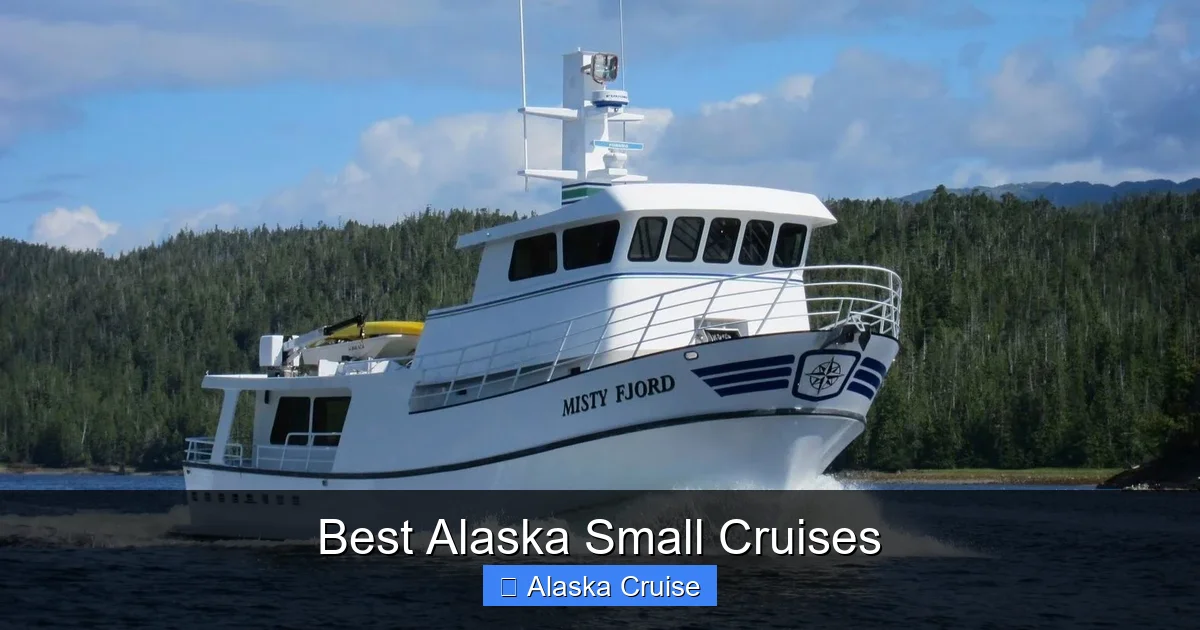
Looking for a more intimate way to explore Alaska? Small cruise ships offer front-row seats to glaciers, wildlife, and remote coastal towns without the crowds. With fewer passengers and flexible itineraries, these voyages deliver authentic Alaskan experiences—think zodiac landings, local guides, and quiet moments in pristine wilderness.
This is a comprehensive guide about best alaska small cruises.
Key Takeaways
- Intimate Experience: Small ships carry 100–200 passengers, allowing for personalized service and quieter exploration.
- Access to Remote Areas: Unlike large liners, small vessels can navigate narrow fjords, shallow bays, and lesser-known ports.
- Wildlife Viewing Opportunities: Get closer to whales, sea lions, bears, and eagles with expert naturalists on board.
- Flexible Itineraries: Captains can adjust routes based on weather, wildlife sightings, or passenger interests.
- Enrichment Programs: Enjoy lectures, cultural talks, and hands-on activities led by local experts and historians.
- Sustainable Travel: Many small cruise lines prioritize eco-friendly practices and community engagement.
- All-Inclusive Options: Several top operators include excursions, meals, drinks, and gratuities for stress-free travel.
[FEATURED_IMAGE_PLACEHOLDER]
Why Choose a Small Cruise in Alaska?
Alaska is a land of extremes—towering glaciers, dense rainforests, rugged coastlines, and abundant wildlife. While massive cruise ships dominate headlines, they often feel more like floating cities than gateways to nature. That’s where small cruises shine. These nimble vessels, typically under 200 passengers, offer a completely different experience: one rooted in intimacy, authenticity, and adventure.
Imagine gliding silently past a calving glacier in a Zodiac, your guide whispering facts about glacial movement while a pod of orcas surfaces nearby. Or stepping ashore in a tiny fishing village where locals greet you like neighbors, not tourists. That’s the magic of small-ship Alaska cruising. You’re not just passing through—you’re immersed.
Unlike their larger counterparts, small ships can anchor in protected coves, sail into narrow inlets like Tracy Arm or Endicott Arm, and spend extra time in areas teeming with wildlife. They also tend to have open bridges, meaning you can chat with the captain or crew about navigation and local conditions. The atmosphere is relaxed, educational, and deeply connected to the environment.
Top Small Cruise Lines for Alaska
Choosing the right operator is key to your Alaska adventure. Not all small ships are created equal—some focus on luxury, others on adventure, and a few blend both seamlessly. Below are six of the best small cruise lines offering unforgettable Alaskan journeys.
UnCruise Adventures
UnCruise (formerly known as InnerSea Discoveries) is a pioneer in small-ship Alaska cruising. Their fleet includes ships like the *Safari Quest* and *Wilderness Adventurer*, each carrying fewer than 100 guests. What sets UnCruise apart is their “adventure-first” philosophy. Expect kayaking through icy coves, hiking moss-covered trails, and even snorkeling in glacial waters (yes, really—with wetsuits provided!).
Their itineraries often include stops in remote communities like Ketchikan, Wrangell, and Hoonah, where you’ll meet Tlingit artisans or join a traditional salmon bake. Naturalists and marine biologists lead daily excursions, and the onboard vibe is casual yet enriching. UnCruise also emphasizes sustainability—no single-use plastics, partnerships with Indigenous groups, and low-impact shore excursions.
Lindblad Expeditions – National Geographic
In partnership with National Geographic, Lindblad Expeditions offers science-infused voyages that blend exploration with education. Ships like the *National Geographic Quest* and *Sea Bird* carry around 100 passengers and feature high-tech tools like hydrophones, underwater cameras, and remotely operated vehicles (ROVs) to study marine life up close.
Guests benefit from a team of experts—photographers, historians, glaciologists—who lead lectures and guide landings. You might spend a morning photographing humpback whales with a Nat Geo photographer or learning about glacial retreat from a climate scientist. Lindblad’s itineraries often include Glacier Bay National Park, where park rangers join the crew for exclusive insights.
American Queen Voyages (formerly American Cruise Lines)
For travelers seeking classic elegance with a touch of Americana, American Queen Voyages operates the *American Constellation* and *American Spirit*—river-and-coastal hybrids designed for comfort and scenic cruising. These ships sail the Inside Passage with stops in Juneau, Skagway, and Ketchikan, but also venture into lesser-known spots like Petersburg and Haines.
What makes them unique is their focus on U.S.-flagged ships and American crew, offering a patriotic twist on Alaskan travel. The atmosphere is refined but not stuffy—think live piano music, regional cuisine (like fresh Alaskan king crab), and evening storytelling sessions. Shore excursions range from dog sledding on glaciers to visiting historic gold rush sites.
Alaska Dream Cruises
Based in Sitka, Alaska Dream Cruises is a homegrown operator with deep local roots. Their ships—*Alaska Dream*, *M/V Admiralty Dream*, and *M/V Baranof Dream*—are former ferries retrofitted for luxury coastal cruising. With just 88 to 108 passengers, the experience feels personal and unhurried.
Their itineraries emphasize cultural immersion. You’ll visit Indigenous villages, attend traditional dance performances, and learn about Tlingit totem pole carving. The crew includes local Alaskans who share stories of life in the Last Frontier. Plus, their ships are equipped with stabilizers for smoother sailing in rough seas—a big plus in the Gulf of Alaska.
Hurtigruten (Now Hurtigruten Expeditions)
Originally a Norwegian coastal ferry service, Hurtigruten has evolved into a leader in expedition cruising. Their ship *MS Roald Amundsen*—the world’s first hybrid-electric cruise ship—sails Alaskan waters with a focus on sustainability and polar exploration.
While slightly larger (around 500 passengers), Hurtigruten’s Alaska itineraries operate with small-group excursions, ensuring an intimate feel. Guests enjoy expert-led landings, citizen science projects, and eco-friendly amenities. The ship’s green technology reduces emissions, aligning with Alaska’s pristine environment.
Ponant
The French luxury line Ponant brings European elegance to Alaskan waters with ships like *Le Soléal* and *Le Boréal*. Carrying just 264 passengers, these sleek vessels offer spacious suites, gourmet dining, and a refined ambiance.
Ponant’s Alaska cruises often include overnight stays in ports like Juneau and Ketchikan, allowing more time to explore. Their “Zodiac flotillas” enable quick, quiet access to wildlife hotspots. The onboard experience blends sophistication with adventure—think champagne toasts after a day of bear watching.
What to Expect Onboard a Small Alaska Cruise
Stepping onto a small cruise ship feels different from boarding a mega-liner. There’s no long check-in line, no crowded buffet, and no need to reserve dinner times weeks in advance. Instead, you’re greeted by name, offered a warm drink, and shown to your cabin—often with a view.
Cabins and Amenities
Cabins on small ships vary by line, but most prioritize comfort and functionality over opulence. UnCruise offers cozy staterooms with portholes, while Ponant features French-designed suites with private balconies. Even budget-friendly options like Alaska Dream Cruises provide clean, well-appointed rooms with ample storage for outdoor gear.
Common amenities include:
– Complimentary Wi-Fi (though speeds may vary in remote areas)
– Onboard libraries with Alaskan history and wildlife books
– Observation lounges with panoramic windows
– Fitness centers or yoga decks (on select ships)
– Open bridges for chatting with the captain
Dining is typically included and emphasizes local, seasonal ingredients. Think grilled salmon caught that morning, wild blueberry desserts, and sourdough bread baked onboard. Many lines offer open seating, encouraging conversation among passengers.
Daily Schedule and Activities
A typical day on a small Alaska cruise starts early—often before sunrise—for those eager to spot wildlife. After a hearty breakfast, the ship anchors near a glacier or fjord, and guests head out in Zodiacs or kayaks. Naturalists lead small groups, pointing out sea otters, harbor seals, or nesting bald eagles.
Afternoons might include a guided hike through temperate rainforest, a visit to a Native cultural center, or a scenic cruise through a narrow channel. Evenings are relaxed: dinner, a lecture on glacial geology, or stargazing on the deck. Some ships host local musicians or invite elders to share oral histories.
One of the biggest perks? Flexibility. If a pod of whales is spotted off-route, the captain may alter course for a closer look. This responsiveness is rare on large ships but standard on small vessels.
Best Itineraries and Destinations
Alaska’s coastline is vast, but small cruises focus on the most scenic and wildlife-rich regions. Here are the top routes and must-see stops.
The Inside Passage
Stretching from Washington State to the Gulf of Alaska, the Inside Passage is the classic route for small ships. It winds through misty fjords, past old-growth forests, and alongside snow-capped peaks. Key ports include:
– Ketchikan: Known as the “Salmon Capital of the World,” it’s also home to totem parks and boardwalks over the Tongass National Forest.
– Wrangell: A gateway to the Stikine River and Anan Bear Observatory, where you can watch brown bears fish for salmon.
– Petersburg: A charming Scandinavian fishing village with colorful boats and fresh seafood.
Glacier Bay and Tracy Arm
No Alaska cruise is complete without glaciers. Glacier Bay National Park, a UNESCO World Heritage Site, offers close views of massive ice walls calving into the sea. Small ships can linger here longer than large ones, often with a National Park Service ranger onboard.
Tracy Arm and Endicott Arm, south of Juneau, are narrower and less visited. Here, you might sail past the 3,000-foot-tall Sawyer Glaciers or spot black bears foraging on shore. The silence is profound—broken only by the crack of ice.
The Gulf of Alaska and Kenai Fjords
For a more adventurous route, some small cruises venture into the Gulf of Alaska, visiting ports like Seward and Whittier. From here, you can explore Kenai Fjords National Park, where tidewater glaciers meet the ocean. Excursions include kayaking among icebergs, hiking to Exit Glacier, or taking a boat tour to see puffins and sea lions.
Aleutian Islands (Extended Expeditions)
A few operators, like Lindblad and UnCruise, offer extended voyages that cross the Gulf of Alaska to the remote Aleutian Islands. These 7-day+ journeys are for true adventurers, featuring stops at Adak, Attu, and Unalaska—places few tourists ever see. Expect dramatic volcanic landscapes, World War II history, and rare bird species.
Packing Tips and Practical Advice
Packing for an Alaska small cruise requires preparation. Weather can shift quickly, and you’ll spend time both onboard and ashore. Here’s what to bring:
Clothing
– Layered clothing: Base layers (merino wool), mid-layers (fleece or down), and waterproof outer shell.
– Waterproof pants and jacket: Essential for Zodiac rides and rain.
– Sturdy hiking boots: For trails and rocky shores.
– Warm hat, gloves, and scarf: Even in summer, glaciers bring cold air.
– Swimwear: For hot tubs or (brave) polar plunges!
Gear and Accessories
– Binoculars: For spotting whales and eagles from a distance.
– Camera with zoom lens: Wildlife and glaciers deserve great photos.
– Reusable water bottle: Most ships provide filtered water.
– Daypack: For shore excursions.
– Motion sickness remedies: Just in case—though small ships handle waves well.
Travel Tips
– Book early: Small ships fill up fast, especially for peak season (June–August).
– Check visa requirements: If departing from Canada (e.g., Vancouver), ensure your documents are in order.
– Travel insurance: Highly recommended for weather delays or medical needs.
– Arrive a day early: Flights to Alaska can be delayed; build in buffer time.
– Respect wildlife: Keep a safe distance and follow your guide’s instructions.
Sustainability and Responsible Travel
Alaska’s ecosystems are fragile, and small cruise lines are leading the way in sustainable tourism. Many participate in programs like:
– Leave No Trace principles: Packing out all waste, staying on trails.
– Partnerships with Indigenous communities: Supporting local economies through cultural tours and artisan sales.
– Carbon offset programs: Some lines offer optional contributions to environmental projects.
– Plastic reduction: Eliminating single-use items and using refillable toiletries.
When choosing a cruise, look for operators certified by organizations like the Adventure Travel Trade Association (ATTA) or those with Green Marine certification. Your choice supports responsible travel and helps preserve Alaska for future generations.
Conclusion
The best Alaska small cruises aren’t just about seeing glaciers or spotting whales—they’re about connection. Connection to nature, to local cultures, and to fellow travelers who share your sense of wonder. On a small ship, you’re not a number; you’re part of an intimate community exploring one of Earth’s last wild frontiers.
Whether you’re kayaking beside a calving glacier, learning Tlingit history from a village elder, or sipping coffee as the sun rises over a misty fjord, these moments stay with you. Small ships offer access, authenticity, and adventure that large cruises simply can’t match.
So if you’re ready to trade crowds for calm, and itineraries for spontaneity, consider a small cruise in Alaska. It might just be the most memorable journey of your life.
FAQs
What is the best time to take a small cruise in Alaska?
The peak season runs from late May to early September, with June through August offering the warmest weather and longest daylight hours. Wildlife is most active in July and August, while May and September provide fewer crowds and lower prices.
Are small Alaska cruises suitable for families?
Yes! Many small cruise lines welcome families and offer kid-friendly activities like junior naturalist programs, scavenger hunts, and hands-on science labs. UnCruise and Lindblad are particularly family-oriented.
Do I need to be physically fit for a small cruise?
While some excursions involve hiking or kayaking, most ships offer a range of activity levels. Inform your cruise line of any mobility concerns—many can accommodate wheelchairs or provide alternative shore options.
Are drinks and excursions included in the price?
It varies by line. UnCruise, Lindblad, and Ponant often include beer, wine, and soft drinks with meals, plus most shore excursions. Always check the inclusions before booking.
Can I see the Northern Lights on an Alaska cruise?
Not typically. The Northern Lights (Aurora Borealis) are best seen in winter, while most small cruises operate in summer. However, some extended fall voyages may offer a chance if conditions align.
How far in advance should I book a small Alaska cruise?
Ideally, 12–18 months ahead, especially for popular itineraries like Glacier Bay or the Inside Passage. Small ships have limited cabins, and early bookings often come with discounts or cabin upgrades.
Frequently Asked Questions
What is best alaska small cruises?
best alaska small cruises is an important topic with many practical applications.