Experience the breathtaking beauty of Alaska’s Inner Passage on a cruise that blends adventure, wildlife, and stunning scenery. From towering glaciers to charming coastal towns, this journey offers unforgettable moments at every turn.
Key Takeaways
- Stunning Scenery: Cruise through narrow channels surrounded by snow-capped mountains, lush forests, and cascading waterfalls.
- Wildlife Encounters: Spot humpback whales, sea lions, bald eagles, and brown bears in their natural habitat.
- Glacier Viewing: Witness massive tidewater glaciers calving into the sea, especially in places like Glacier Bay and Tracy Arm.
- Cultural Stops: Visit historic towns like Juneau, Skagway, and Ketchikan to learn about Alaska’s gold rush history and Indigenous cultures.
- Best Time to Go: Mid-May to mid-September offers mild weather, longer days, and peak wildlife activity.
- Cruise Line Variety: Choose from luxury lines like Holland America and smaller expedition ships for a more intimate experience.
- Onboard Amenities: Enjoy lectures, gourmet dining, and outdoor viewing decks designed for optimal sightseeing.
📑 Table of Contents
- Why the Alaska Inner Passage Cruise Is a Must-Do Adventure
- What Makes the Alaska Inner Passage So Special?
- Top Ports of Call on an Alaska Inner Passage Cruise
- Best Time to Take an Alaska Inner Passage Cruise
- Choosing the Right Cruise Line and Ship
- What to Pack and How to Prepare
- Making the Most of Your Cruise Experience
- Conclusion
Why the Alaska Inner Passage Cruise Is a Must-Do Adventure
Imagine gliding through calm, glassy waters surrounded by towering peaks draped in snow, while a pod of humpback whales breaches just off the starboard side. Picture yourself sipping hot cocoa on the deck as a massive chunk of ice breaks off a glacier and crashes into the sea with a thunderous roar. This isn’t a scene from a movie—it’s the everyday magic of an Alaska Inner Passage cruise.
The Alaska Inner Passage is a network of coastal waterways that wind through the southeastern part of the state, stretching from the Pacific Ocean up to the Gulf of Alaska. This region is one of the most biodiverse and visually stunning places on Earth, offering a front-row seat to nature’s grandest performances. Whether you’re a first-time cruiser or a seasoned traveler, a journey through the Inner Passage delivers an experience that’s both awe-inspiring and deeply relaxing.
Unlike other cruise destinations, Alaska’s Inner Passage isn’t just about the ports—it’s about the journey itself. The narrow channels, fjords, and inlets are home to some of the planet’s most dramatic landscapes. Glaciers that are thousands of years old meet the sea, rainforests thrive in the mist, and wildlife roams freely. It’s a place where you can disconnect from the modern world and reconnect with nature in its purest form.
What Makes the Alaska Inner Passage So Special?

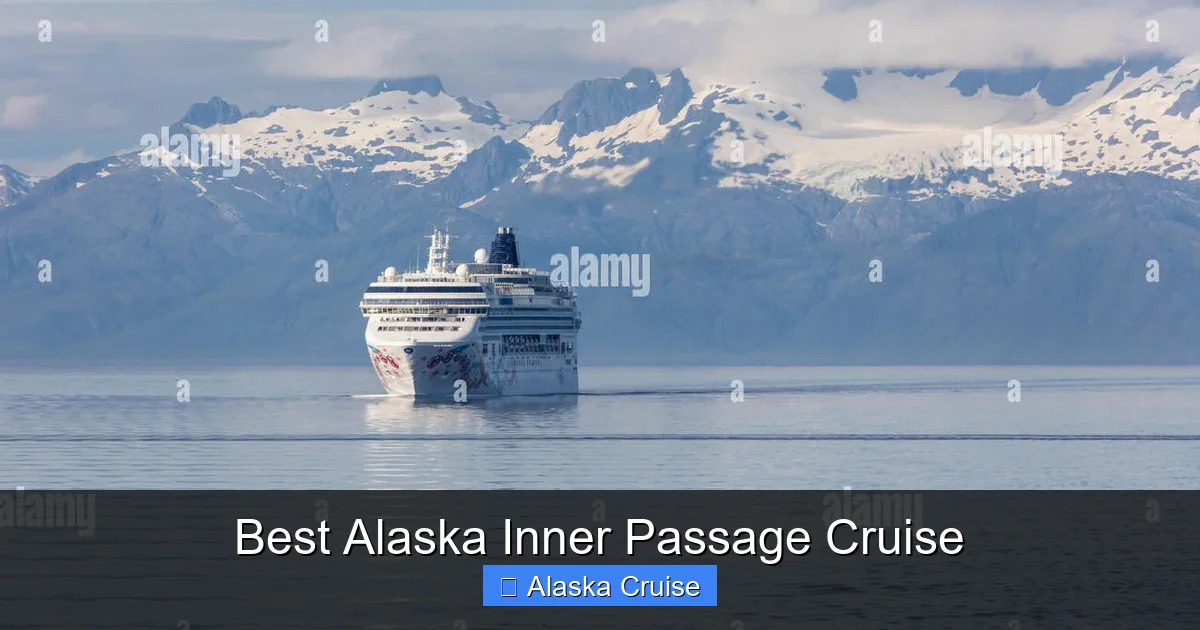
Visual guide about Best Alaska Inner Passage Cruise
Image source: c8.alamy.com
The Alaska Inner Passage stands out among cruise destinations for its unique combination of natural beauty, wildlife, and cultural history. It’s not just a scenic route—it’s a living, breathing ecosystem that changes with the seasons and tides.
A Landscape Like No Other
One of the most striking features of the Inner Passage is its geography. The region is characterized by deep fjords, steep mountain walls, and dense temperate rainforests. These forests, known as the Tongass National Forest in the south and the Chugach National Forest in the north, are among the largest temperate rainforests in the world. They’re home to towering Sitka spruce, western hemlock, and cedar trees that can live for over 1,000 years.
As your ship navigates the winding channels, you’ll pass by waterfalls cascading down moss-covered cliffs, glacial lakes reflecting the sky, and snowfields that linger well into summer. The light in Alaska is especially magical—long summer days mean golden-hour views that stretch for hours, and the soft, diffused light enhances the colors of the landscape.
Wildlife at Every Turn
If you love wildlife, the Inner Passage is paradise. The nutrient-rich waters support a thriving marine ecosystem, making it one of the best places in the world to see whales, sea lions, and seabirds.
Humpback whales are frequent visitors, especially in areas like Stephens Passage and Frederick Sound. These gentle giants can be seen feeding, breaching, and even singing—yes, their songs can sometimes be heard through the ship’s hull! Orcas, or killer whales, also patrol these waters, often hunting in coordinated pods.
Sea lions bask on rocky outcrops, while harbor seals rest on floating ice. On land, black and brown bears forage along the shoreline, particularly in areas like Admiralty Island, which is known as the “Fortress of the Bears” due to its high density of brown bears.
Birdwatchers will be delighted by the abundance of bald eagles, puffins, cormorants, and marbled murrelets. In fact, Alaska is home to more bald eagles than any other state in the U.S., and you’ll likely spot them perched on treetops or soaring overhead.
Glaciers That Take Your Breath Away
No Alaska Inner Passage cruise is complete without seeing a glacier. These ancient rivers of ice are not only beautiful but also powerful reminders of the Earth’s dynamic history.
One of the most famous stops is Glacier Bay National Park, a UNESCO World Heritage Site. Here, massive tidewater glaciers like Margerie and Lamplugh Glacier calve icebergs directly into the bay. The sound of ice cracking and falling into the water is both thrilling and humbling.
Another must-see is Tracy Arm, a narrow fjord flanked by 3,000-foot granite walls. At its end lies the Sawyer Glacier, where icebergs float like sculptures in the still water. Some ships even send out Zodiac boats for up-close views, allowing passengers to hear the glacier “sing” as air bubbles escape from the ice.
Top Ports of Call on an Alaska Inner Passage Cruise
While the scenery between ports is spectacular, the towns and cities you visit are equally captivating. Each stop offers a unique glimpse into Alaska’s history, culture, and way of life.
Juneau: The Capital City with a Wild Heart
Juneau, Alaska’s capital, is accessible only by boat or plane—no roads connect it to the rest of the state. This isolation has helped preserve its rugged charm. Nestled between the Gastineau Channel and towering mountains, Juneau is a hub for outdoor adventure.
One of the top attractions is the Mendenhall Glacier, located just 12 miles from downtown. This 13-mile-long glacier is retreating due to climate change, but it’s still a powerful sight. Visitors can walk the trails around the glacier, visit the visitor center, and even take a guided ice hike.
Juneau is also a great place to learn about Alaska’s Indigenous cultures. The Alaska State Museum and the Juneau-Douglas City Museum offer exhibits on Tlingit, Haida, and Tsimshian heritage. Don’t miss the chance to see a traditional dance performance or shop for authentic Native art.
For thrill-seekers, Juneau offers helicopter tours that land on glaciers, whale-watching excursions, and even dog sledding on a glacier (yes, really!). The city’s compact downtown makes it easy to explore on foot, with cafes, boutiques, and seafood restaurants serving up fresh Alaskan king crab and salmon.
Skagway: A Gold Rush Town Frozen in Time
Step back into the late 1800s in Skagway, a historic town that boomed during the Klondike Gold Rush. With its wooden boardwalks, false-front buildings, and saloon-style bars, Skagway feels like a living museum.
The town’s main attraction is the White Pass and Yukon Route Railway, a narrow-gauge railroad that climbs 2,865 feet in just 20 miles. The scenic train ride takes you through steep canyons, over towering trestles, and past Bridal Veil Falls. It’s one of the most dramatic rail journeys in North America.
Skagway is also a gateway to the Chilkoot Trail, a historic route used by gold prospectors. While most visitors don’t hike the entire trail, short walks offer a taste of the challenging terrain that stampeders faced.
Don’t miss the opportunity to visit the Klondike Gold Rush National Historical Park, which preserves the town’s history through exhibits, restored buildings, and ranger-led tours. And if you’re feeling adventurous, try panning for gold—you might just strike it lucky!
Ketchikan: The Salmon Capital of the World
Known as the “Salmon Capital of the World,” Ketchikan is a colorful town built on stilts over the water. Its boardwalks, known as “pulpit walks,” connect buildings and shops, giving the town a unique, floating feel.
Ketchikan is rich in Indigenous culture, particularly Tlingit and Haida. The Totem Heritage Center houses one of the largest collections of original totem poles in the world, many of which were salvaged from abandoned villages. Nearby, Totem Bight State Historical Park features restored totem poles and a traditional clan house.
For nature lovers, a visit to Misty Fjords National Monument is a must. This rugged wilderness area features sheer cliffs, waterfalls, and pristine lakes. Many cruise lines offer flightseeing tours that fly low over the fjords, offering breathtaking views.
Ketchikan is also a great place to sample fresh seafood. Try the local salmon at a waterfront restaurant, or visit a fish house to see how salmon is processed. And don’t leave without trying a slice of huckleberry pie—Alaska’s version of blueberries!
Other Notable Stops
Depending on your itinerary, you might also visit:
– **Haines:** A quiet, artsy town known for its wildlife and outdoor activities. It’s a great base for bear viewing and kayaking.
– **Wrangell:** Home to the Stikine River, known as the “Grand Canyon of the Stikine,” and a strong Tlingit presence.
– **Sitka:** A historic Russian-American town with a rich cultural heritage, including St. Michael’s Cathedral and the Sheldon Jackson Museum.
Best Time to Take an Alaska Inner Passage Cruise
Timing is everything when it comes to an Alaska cruise. The cruising season runs from mid-May to mid-September, but each month offers a different experience.
May and June: The Quiet Season
Early season cruises in May and June offer fewer crowds and lower prices. The weather is cooler, but the landscapes are lush and green from spring rains. Wildlife is active, and you’re more likely to see bears feeding on salmon in rivers.
One advantage of traveling early is the chance to see glaciers at their fullest—winter snows have accumulated, and the ice is thick and dramatic. However, some ports may have limited hours, and not all tours are running yet.
July and August: Peak Season
These are the most popular months for Alaska cruises, and for good reason. The weather is warmest, with daytime temperatures in the 60s and 70s Fahrenheit. Days are long—up to 18 hours of daylight in Juneau—giving you plenty of time to explore.
This is also the best time for wildlife viewing. Whales are abundant, bears are active, and migratory birds fill the skies. However, expect larger crowds at ports and on excursions.
September: The Shoulder Season
Late-season cruises in September offer a quieter experience with beautiful fall colors. The weather is still mild, and wildlife is active as animals prepare for winter. You might even catch the first hints of the northern lights in the northern parts of the route.
One downside is that some tours and attractions begin to close for the season, so check ahead if you have specific activities in mind.
Choosing the Right Cruise Line and Ship
Not all Alaska cruises are created equal. The type of ship and cruise line you choose can greatly impact your experience.
Large Cruise Ships vs. Small Expedition Vessels
Major cruise lines like Holland America, Princess, and Royal Caribbean offer large ships with thousands of passengers. These ships provide a wide range of amenities, including multiple dining options, theaters, spas, and kids’ clubs. They’re great for families and first-time cruisers who want a full-service experience.
However, larger ships are limited in where they can go. They can’t navigate the narrowest channels or get as close to glaciers. They also spend less time in scenic areas, often passing through at high speed.
In contrast, small expedition ships—like those from UnCruise Adventures, Lindblad Expeditions, or Hurtigruten—carry fewer than 200 passengers. These ships are designed for adventure and can access remote areas that larger vessels can’t reach.
On an expedition cruise, you’ll have more time for wildlife viewing, guided hikes, and Zodiac excursions. Naturalist guides lead educational programs, and the atmosphere is more intimate and immersive. These cruises are ideal for nature lovers and travelers seeking a more authentic Alaskan experience.
Luxury vs. Budget Options
If you’re looking for luxury, consider lines like Seabourn, Silversea, or Regent Seven Seas. These ships offer spacious suites, gourmet dining, and personalized service. Many include shore excursions and premium amenities like butler service.
For budget-conscious travelers, mainstream lines like Carnival and Norwegian offer affordable fares with plenty of onboard activities. Just be aware that you may pay extra for excursions, drinks, and specialty dining.
Itinerary Length and Route
Most Alaska Inner Passage cruises last 7 to 10 days. Round-trip itineraries depart from Seattle or Vancouver and visit the same ports on the way back. One-way cruises, known as “open-jaw” itineraries, start in one city and end in another—like Seattle to Seward or Vancouver to Whittier.
One-way cruises are popular because they allow you to explore more of Alaska, including Denali National Park or Anchorage. They often include a land tour before or after the cruise, giving you a fuller Alaskan experience.
What to Pack and How to Prepare
Packing for an Alaska cruise requires a bit of strategy. The weather can be unpredictable, and you’ll want to be prepared for everything from rain to sunshine.
Layering Is Key
The golden rule for Alaska is to dress in layers. Mornings and evenings can be chilly, even in summer, while afternoons may be warm. Start with a moisture-wicking base layer, add a fleece or sweater, and top it off with a waterproof jacket.
Don’t forget a warm hat, gloves, and a scarf—especially if you plan to spend time on deck during glacier viewing. Waterproof boots are a must for wet docks and muddy trails.
Essential Gear
– **Binoculars:** A must for spotting wildlife from a distance.
– **Camera with zoom lens:** You’ll want to capture whales, glaciers, and scenic views.
– **Reusable water bottle:** Stay hydrated during excursions.
– **Sunscreen and sunglasses:** The sun can be strong, even on cloudy days.
– **Motion sickness remedies:** The waters can be choppy, especially in open areas.
Health and Safety Tips
– Check vaccination requirements and travel insurance options.
– Bring any prescription medications in your carry-on.
– Stay hydrated and avoid overexertion on hikes.
– Always follow guide instructions during wildlife encounters.
Making the Most of Your Cruise Experience
An Alaska Inner Passage cruise is more than just sightseeing—it’s about creating memories that last a lifetime. Here are some tips to enhance your journey.
Book Shore Excursions in Advance
Popular tours like whale watching, glacier hikes, and flightseeing sell out quickly. Book early to secure your spot, especially during peak season.
Attend Onboard Lectures
Most cruise lines offer naturalist-led presentations on Alaska’s geology, wildlife, and history. These talks are not only informative but also help you appreciate what you’re seeing.
Spend Time on Deck
Even if it’s cold, bundle up and head outside. The best views are often from the open decks, especially during glacier passages. Bring a thermos of hot tea or coffee to stay warm.
Try Local Cuisine
Alaska is famous for its seafood. Sample fresh salmon, halibut, and king crab at port restaurants. Many ships also feature Alaskan-inspired dishes onboard.
Conclusion
An Alaska Inner Passage cruise is more than a vacation—it’s a journey into one of the world’s last great wildernesses. From the roar of calving glaciers to the silent grace of a whale diving beneath the waves, every moment is a reminder of nature’s power and beauty.
Whether you choose a luxury liner or a small expedition ship, the experience will leave you with a deeper appreciation for the planet and a longing to return. So pack your bags, bring your sense of wonder, and get ready to explore the wild heart of Alaska.
Frequently Asked Questions
What is the best month to take an Alaska Inner Passage cruise?
The best time is typically July and August, when the weather is warmest, wildlife is most active, and daylight hours are longest. However, May and September offer fewer crowds and lower prices.
Do I need a passport for an Alaska cruise?
If your cruise departs and returns to the same U.S. port (like Seattle), a passport is not required. However, it’s highly recommended in case of emergencies or itinerary changes.
Will I see whales on an Alaska cruise?
Yes, humpback and orca whales are commonly seen, especially in areas like Stephens Passage and Frederick Sound. Many cruises offer whale-watching excursions for better viewing.
Are Alaska cruises family-friendly?
Absolutely. Most major cruise lines offer kids’ clubs, family activities, and educational programs. Shore excursions like gold panning and train rides are fun for all ages.
How close do ships get to glaciers?
Ships must maintain a safe distance (usually 1/4 to 1/2 mile) due to ice hazards. However, smaller expedition vessels can get closer and often offer Zodiac tours for up-close views.
What should I wear on an Alaska cruise?
Dress in layers with a waterproof jacket, warm layers, and sturdy shoes. Don’t forget binoculars, a camera, and motion sickness remedies if needed.