Experience the raw beauty of Alaska’s fjords on a cruise that combines luxury, adventure, and natural wonder. From towering glaciers to playful whales, the best Alaska fjord cruise offers unforgettable moments in one of the world’s last true wildernesses. Whether you’re a first-time cruiser or a seasoned traveler, these journeys deliver awe-inspiring views and once-in-a-lifetime encounters.
Imagine standing on the deck of a ship, the crisp Alaskan air filling your lungs, as towering cliffs rise on either side of you. Below, the water is a deep, glassy blue, reflecting the snow-capped peaks above. In the distance, a glacier groans and shifts, sending a thunderous crack echoing across the fjord. This is the magic of an Alaska fjord cruise—a journey into one of the planet’s most dramatic and untouched landscapes.
Alaska’s fjords are not just beautiful; they’re geologic wonders. Carved by glaciers over thousands of years, these deep, narrow inlets are now flooded with seawater, creating a labyrinth of waterways surrounded by steep rock walls. Unlike the fjords of Norway, which are often more accessible by road, Alaska’s fjords are best explored by sea. A cruise allows you to glide silently through these watery canyons, where silence is broken only by the splash of a whale or the distant cry of a bald eagle.
Whether you’re drawn to the raw power of glaciers, the thrill of spotting wildlife, or the peace of being surrounded by nature, an Alaska fjord cruise delivers. It’s not just a vacation—it’s an immersion into a world where time feels slower, and every turn reveals a new wonder. From the famous Tracy Arm Fjord to the lesser-known but equally stunning Misty Fjords, these cruises offer a front-row seat to Earth’s grandeur.
Key Takeaways
- Fjords are glacial valleys flooded by seawater, creating dramatic cliffs and deep waters perfect for cruising. Alaska’s fjords, like those in Tracy Arm and Misty Fjords, offer some of the most scenic coastal landscapes on Earth.
- The best time for an Alaska fjord cruise is between May and September. This window offers mild weather, longer daylight hours, and peak wildlife activity, including whale migrations and bear sightings.
- Smaller ships provide a more intimate and immersive fjord experience. With fewer passengers, you get closer access to narrow waterways and personalized service from knowledgeable crew.
- Wildlife viewing is a major highlight—expect to see humpback whales, orcas, sea lions, and bald eagles. Many cruises include naturalist-led excursions to enhance your understanding of the ecosystem.
- Glacier calving is a thrilling, once-in-a-lifetime event. Witnessing massive chunks of ice break off and crash into the water is both powerful and humbling.
- Pack layers and waterproof gear—Alaska’s weather can change quickly. Even in summer, temperatures can vary widely, and rain is common near the coast.
- Booking early ensures better cabin selection and pricing. Popular routes and ships fill up fast, especially for peak summer months.
📑 Table of Contents
What Makes an Alaska Fjord Cruise Special?
An Alaska fjord cruise is unlike any other travel experience. It’s not just about the destinations—it’s about the journey itself. The combination of dramatic scenery, abundant wildlife, and the sheer scale of the landscape creates a sense of awe that’s hard to replicate anywhere else.
One of the defining features of a fjord cruise is the intimacy with nature. Unlike large ocean liners that stick to major ports, fjord-focused cruises often take smaller ships into narrow, remote waterways. These vessels can navigate tight passages, allowing passengers to get within feet of towering cliffs and active glaciers. The silence of the fjords—broken only by natural sounds—adds to the sense of isolation and wonder.
Another key element is the educational aspect. Most reputable cruise lines employ onboard naturalists and marine biologists who provide daily lectures, guided excursions, and commentary during scenic cruising. These experts help passengers understand the geology, ecology, and cultural history of the region, turning a scenic drive into a rich learning experience.
Finally, the wildlife encounters are unparalleled. Alaska’s coastal waters are teeming with marine life. Humpback whales breach near the ship, sea otters float on their backs, and bald eagles soar overhead. On land, black bears forage along the shore, and mountain goats scale near-vertical cliffs. These moments aren’t just photo opportunities—they’re reminders of the wildness that still exists in our world.
The Science Behind Alaska’s Fjords
Fjords are formed when glaciers carve deep U-shaped valleys into mountains over thousands of years. As the ice retreats, seawater floods the valley, creating a long, narrow inlet with steep sides. Alaska’s fjords are particularly dramatic because of the region’s active tectonic activity and heavy snowfall, which feed massive glaciers.
The depth of these fjords can exceed 1,000 feet, making them some of the deepest coastal waters in the world. This depth, combined with the steep walls, creates a unique marine environment. Cold, nutrient-rich waters support a rich food web, which in turn attracts whales, seals, and countless fish species.
Interestingly, many of Alaska’s fjords are still evolving. Glaciers continue to advance and retreat, reshaping the coastline. In places like Tracy Arm, you can see active glaciers calving—breaking off into the water—adding icebergs to the fjord and contributing to rising sea levels globally. Witnessing this process firsthand is both humbling and scientifically significant.
Why a Cruise Is the Best Way to See Fjords
While you can explore parts of Alaska by plane, train, or car, a cruise offers the most comprehensive and immersive way to experience the fjords. Roads don’t run along most fjord systems, and hiking into these remote areas is often dangerous and impractical. A ship becomes your mobile basecamp, carrying you safely through waters that would otherwise be inaccessible.
Cruises also allow you to cover vast distances without the hassle of constant packing and unpacking. You wake up in a new location each morning, with meals, lodging, and entertainment all taken care of. Plus, many ships offer expert-led excursions—like kayaking among icebergs or hiking to alpine meadows—that enhance the experience without requiring advanced planning.
For photographers, a cruise provides endless opportunities. The changing light throughout the day—especially during the long summer days—creates stunning conditions for capturing glaciers, wildlife, and landscapes. And because the ship moves slowly through scenic areas, you have plenty of time to compose the perfect shot.
Top Fjords to Visit on an Alaska Cruise
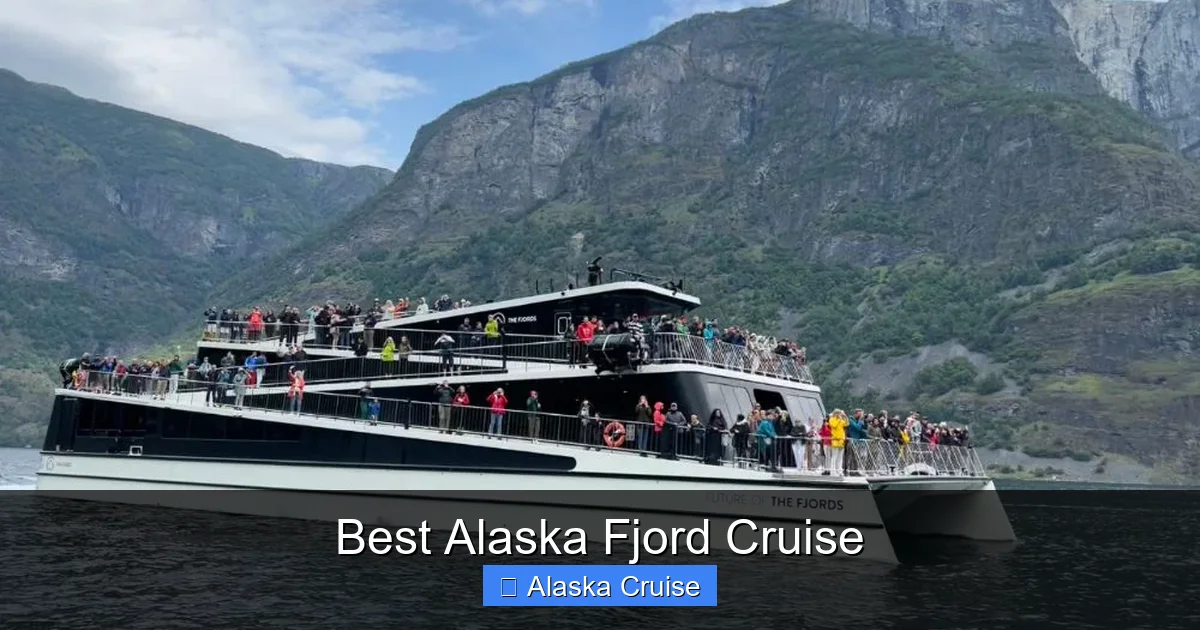
Visual guide about Best Alaska Fjord Cruise
Image source: fjordsandbeaches.com
Not all fjords are created equal. Some are famous for their glaciers, others for their wildlife or sheer scale. Here are the must-see fjords that define the best Alaska fjord cruise experiences.
Tracy Arm
Located near Juneau, Tracy Arm is often called “the crown jewel” of Alaska’s fjords. This 30-mile-long inlet is flanked by 3,000-foot granite walls and is home to the twin Sawyer Glaciers. The fjord is so narrow in places that ships must turn carefully to avoid icebergs.
What makes Tracy Arm special is its accessibility and drama. The water is often dotted with floating ice, and the silence is profound—until a glacier calves, sending a thunderous boom across the water. Wildlife is abundant: harbor seals rest on ice floes, black bears roam the shore, and whales are frequently spotted.
Most cruises that visit Tracy Arm include a stop at the base of the glaciers, where passengers can take Zodiac tours or kayak among the ice. The experience is both peaceful and powerful, offering a rare chance to be close to active glacial systems.
Misty Fjords National Monument
Often overlooked in favor of more famous destinations, Misty Fjords is a hidden gem. Located near Ketchikan in the Tongass National Forest, this 2.3-million-acre wilderness is a maze of waterfalls, cliffs, and old-growth forests.
The fjords here are deeper and more remote than those in the north. Access is typically by small ship or floatplane, making it a favorite for travelers seeking solitude. Waterfalls cascade down sheer rock faces, some dropping over 1,000 feet into the water below.
Wildlife is abundant, including brown bears, Sitka black-tailed deer, and countless bird species. The area is also rich in cultural history, with evidence of Tlingit and Haida settlements dating back thousands of years.
Kenai Fjords
While not a single fjord, the Kenai Fjords region near Seward offers a network of glacial inlets and marine parks. This area is home to the Kenai Fjords National Park, where the Harding Icefield feeds over 40 glaciers.
The most famous feature is the Aialik Glacier, which calves frequently and is easily viewed from small ships. The waters here are rich with marine life, including orcas, sea otters, and Steller sea lions. Puffins nest on rocky outcrops, and humpback whales feed in the nutrient-rich currents.
Cruises in this region often include stops at Resurrection Bay and the Chiswell Islands, where bird colonies thrive. The combination of glaciers, wildlife, and coastal scenery makes Kenai Fjords a standout destination.
Endicott Arm
Just south of Tracy Arm, Endicott Arm is another stunning glacial fjord. It’s slightly wider and less crowded, offering a more tranquil experience. The highlight here is the Dawes Glacier, which calves dramatically and is often surrounded by icebergs.
The fjord is also known for its waterfalls, which pour down the cliffs during the summer melt. These “hanging valleys” are a testament to the power of glacial erosion. Wildlife includes black bears, mountain goats, and frequent whale sightings.
Because it’s less visited than Tracy Arm, Endicott offers a more intimate experience. Smaller ships can navigate closer to the glacier, and the lack of crowds enhances the sense of wilderness.
Choosing the Right Cruise Line and Ship
With so many cruise options available, selecting the right one can feel overwhelming. The key is to match your travel style—and budget—with the right ship and itinerary.
Small Ships vs. Large Ships
Small ships (under 200 passengers) are ideal for fjord cruising. They can access narrow waterways, make more scenic stops, and offer a more personalized experience. Companies like UnCruise Adventures, Lindblad Expeditions, and American Queen Voyages specialize in small-ship Alaska cruises.
Large ships (1,000+ passengers), like those from Princess or Holland America, offer more amenities—multiple dining options, theaters, and larger cabins. However, they often can’t enter the narrowest fjords and may spend less time in scenic areas due to scheduling constraints.
For the best fjord experience, consider a mid-sized ship (200–500 passengers). These vessels balance comfort with access, offering a good mix of amenities and scenic cruising.
Itinerary Matters
Not all Alaska cruises are created equal. Some focus on the Inside Passage, while others venture into the Gulf of Alaska or even cross the Arctic Circle. For fjord lovers, look for itineraries that include Tracy Arm, Misty Fjords, or Kenai Fjords.
Round-trip cruises from Seattle or Vancouver are convenient but may spend less time in remote areas. One-way cruises (e.g., Seattle to Seward or vice versa) often offer more time in fjords and glaciers, with stops in ports like Juneau, Ketchikan, and Skagway.
Onboard Experience
Consider what matters most to you: luxury, adventure, education, or relaxation. Some ships offer gourmet dining and spa services, while others focus on outdoor activities like kayaking, hiking, and wildlife photography.
Look for ships with experienced naturalists, high crew-to-passenger ratios, and flexible schedules that allow for extra time in scenic areas. Also, check if the ship offers Zodiac or kayak excursions—these can greatly enhance your fjord experience.
Wildlife and Glacier Encounters
One of the biggest draws of an Alaska fjord cruise is the chance to see wildlife in its natural habitat. The nutrient-rich waters and protected coastlines make Alaska a hotspot for marine and terrestrial animals.
Marine Wildlife
Humpback whales are the stars of the show. These acrobatic giants often breach near ships, especially in areas like Frederick Sound and Stephens Passage. Orcas (killer whales) are also common, particularly in the waters around Ketchikan and Juneau.
Sea otters float on their backs, using rocks to crack open shellfish. Steller sea lions haul out on rocky islands, barking loudly. Harbor seals rest on icebergs in fjords like Tracy Arm, often with pups in tow.
Birdwatchers will be thrilled by the diversity. Bald eagles nest in tall trees along the shore, puffins dive for fish, and cormorants dry their wings on rocks. During summer, migratory birds like sandpipers and Arctic terns pass through.
Land Animals
Black bears are frequently seen along the shoreline, especially in areas with salmon runs. They forage for berries, dig for clams, and teach their cubs to fish. Brown bears (grizzlies) are more common in the Kenai Peninsula and can be seen in Katmai National Park, though less often from cruise ships.
Mountain goats scale near-vertical cliffs, their white coats standing out against the dark rock. Moose are occasionally spotted in wetlands near ports like Haines and Skagway.
Glaciers and Ice
Glaciers are the heart of Alaska’s fjords. Watching a glacier calve—when a massive chunk of ice breaks off and crashes into the water—is both thrilling and humbling. The sound can be heard miles away, and the resulting waves can rock the ship.
Icebergs float through the fjords, ranging from small chunks to massive blue-tinted bergs. Their shapes are ever-changing, sculpted by wind and water. Some are safe to approach by Zodiac or kayak, offering a surreal experience of floating among ancient ice.
Packing Tips and What to Expect
Alaska’s weather is famously unpredictable. Even in summer, temperatures can range from 40°F to 70°F, and rain is common. Proper preparation ensures you enjoy every moment of your cruise.
What to Pack
– **Layered clothing:** Start with a moisture-wicking base layer, add an insulating mid-layer (fleece or down), and top it off with a waterproof jacket.
– **Waterproof pants and boots:** Essential for excursions and deck time.
– **Binoculars:** Crucial for spotting wildlife and distant glaciers.
– **Camera with extra batteries:** Cold weather drains batteries quickly.
– **Sunscreen and sunglasses:** The sun reflects off snow and water, increasing UV exposure.
– **Motion sickness remedies:** Even calm waters can cause discomfort for some.
Onboard Expectations
Most Alaska cruises are casual during the day, with more formal options for dinner. Meals are typically buffet-style for breakfast and lunch, with sit-down service at dinner. Many ships offer Alaskan specialties like fresh salmon, king crab, and reindeer sausage.
Entertainment varies by ship. Larger vessels may have live music and shows, while smaller ships focus on lectures and wildlife presentations. Wi-Fi is often limited or expensive, so plan accordingly.
Excursions and Shore Activities
Shore excursions are a highlight of any Alaska cruise. Options include:
– **Glacier hikes:** Guided treks on ice fields near ports like Juneau.
– **Dog sledding:** On a glacier near Skagway (seasonal).
– **Whale watching tours:** Small boat trips to see humpbacks and orcas.
– **Native cultural tours:** Learn about Tlingit and Haida traditions in Ketchikan or Sitka.
– **Kayaking:** Paddle among icebergs in fjords like Tracy Arm.
Book excursions early—popular ones fill up fast.
Best Time to Take an Alaska Fjord Cruise
Timing is everything when it comes to Alaska cruises. The season runs from mid-May to mid-September, but each month offers a different experience.
May and June
Early season means fewer crowds and lower prices. The landscape is lush and green, and wildlife is active. However, some ports may still have snow, and glacier calving is less frequent.
July and August
Peak season brings the best weather and longest days. Wildlife is abundant, and all excursions are available. However, prices are highest, and ships are often full.
September
Late season offers stunning fall colors and fewer tourists. Wildlife is still active, and the chance of seeing the northern lights increases. Weather can be cooler and wetter, but the scenery is breathtaking.
For most travelers, late June to early August offers the best balance of weather, wildlife, and availability.
Conclusion
An Alaska fjord cruise is more than a vacation—it’s a journey into one of the world’s last great wildernesses. From the thunderous crack of a calving glacier to the silent glide of a humpback whale, every moment is infused with wonder. Whether you choose a small ship for intimacy or a larger vessel for comfort, the fjords of Alaska will leave you changed.
The best Alaska fjord cruise combines stunning scenery, rich wildlife, and expert guidance to create an experience that’s both educational and awe-inspiring. With careful planning—choosing the right ship, itinerary, and timing—you can ensure your trip is everything you dreamed of and more.
So pack your bags, bring your camera, and prepare to be amazed. The fjords of Alaska are waiting.
Frequently Asked Questions
What is a fjord?
A fjord is a long, narrow inlet with steep sides, created by glacial erosion and later flooded by seawater. Alaska’s fjords are among the most dramatic in the world, offering deep waters and towering cliffs.
When is the best time to take an Alaska fjord cruise?
The best time is between May and September, with peak season in July and August. These months offer the best weather, longest days, and most wildlife activity.
Can I see glaciers on an Alaska cruise?
Yes, many Alaska cruises visit glaciers, including those in Tracy Arm, Endicott Arm, and Kenai Fjords. You’ll often get close enough to hear them calve.
Are small ships better for fjord cruising?
Small ships offer better access to narrow fjords, more personalized service, and closer wildlife encounters. They’re ideal for travelers seeking an immersive experience.
What wildlife can I expect to see?
Common sightings include humpback whales, orcas, sea otters, sea lions, bald eagles, black bears, and mountain goats. Wildlife varies by location and season.
Do I need to book excursions in advance?
Yes, popular excursions like glacier hikes and whale watching tours fill up quickly. Booking early ensures you get your top choices and better pricing.