
Looking for the best Alaska cruises to view glaciers and whales? This guide highlights top itineraries, prime wildlife viewing spots, and expert tips to help you choose the perfect voyage. From Glacier Bay to the Inside Passage, experience Alaska’s natural wonders up close.
Key Takeaways
- Glacier Bay National Park is a must-see: Home to over 1,000 glaciers, including the famous Margerie and Johns Hopkins Glaciers, this UNESCO World Heritage Site offers some of the most dramatic ice formations in Alaska.
- Whale watching peaks in summer: Humpback, orca, and gray whales are most active from May to September, with peak sightings in July and August.
- Smaller ships offer better access: Boutique and expedition-style cruise lines like UnCruise Adventures and Lindblad Expeditions navigate narrow fjords and remote areas larger ships can’t reach.
- Inside Passage itineraries are ideal for first-timers: These routes offer a mix of wildlife, glaciers, and charming coastal towns like Juneau and Ketchikan.
- Pack layers and binoculars: Weather changes quickly in Alaska, and binoculars enhance your chances of spotting whales, sea lions, and eagles from deck.
- Book early for best cabins and excursions: Popular Alaska cruices sell out fast, especially during peak season. Reserve 6–12 months in advance.
- Choose eco-conscious lines: Look for cruise lines with sustainable practices and partnerships with local conservation groups.
📑 Table of Contents
- Why Alaska Cruises Are the Ultimate Way to See Glaciers and Whales
- Top Alaska Cruise Itineraries for Glaciers and Whales
- Best Time to Cruise Alaska for Glaciers and Whales
- Top Cruise Lines for Glaciers and Whale Watching
- What to Pack and How to Prepare
- Tips for Maximizing Your Glacier and Whale Viewing
- Conclusion: Your Alaska Adventure Awaits
Why Alaska Cruises Are the Ultimate Way to See Glaciers and Whales
Alaska isn’t just a destination—it’s a front-row seat to nature’s greatest show. Imagine cruising through icy fjords where towering glaciers calve into the sea with thunderous cracks, or spotting a humpback whale breach just 50 yards from your ship. This is the magic of an Alaska cruise, especially when your goal is to witness glaciers and whales in their natural habitat.
Unlike land-based tours, a cruise gives you access to remote, untouched regions that are nearly impossible to reach otherwise. The state’s rugged coastline, dotted with fjords, inlets, and marine sanctuaries, is best explored by water. Whether you’re gliding past a 300-foot ice wall or watching a pod of orcas glide beneath the surface, the experience is nothing short of awe-inspiring.
And the best part? You don’t need to be an adventurer or a seasoned traveler to enjoy it. Modern Alaska cruises cater to all levels of comfort and curiosity. From luxury liners with spa services to rugged expedition ships with Zodiac landings, there’s a voyage for every type of traveler. The key is choosing the right itinerary—one that maximizes your chances of seeing both glaciers and whales while offering comfort and unforgettable moments.
Top Alaska Cruise Itineraries for Glaciers and Whales
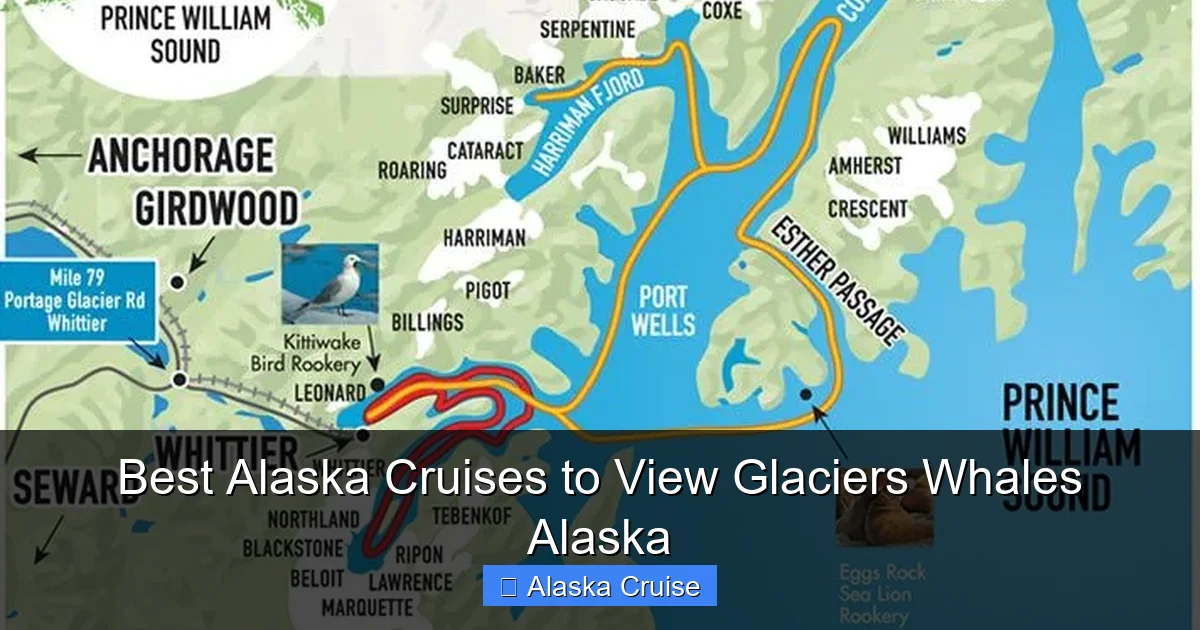
Visual guide about Best Alaska Cruises to View Glaciers Whales Alaska
Image source: i.pinimg.com
When it comes to spotting glaciers and whales, not all Alaska cruises are created equal. The best routes combine scenic diversity, wildlife-rich waters, and access to iconic natural landmarks. Here are the top itineraries that deliver on both fronts.
Inside Passage: The Classic Alaska Experience
The Inside Passage is the most popular Alaska cruise route, and for good reason. Stretching from Seattle or Vancouver up to Skagway or Juneau, this journey winds through a labyrinth of islands, forests, and waterways. It’s ideal for first-time visitors who want a balanced mix of wildlife, culture, and scenery.
Glaciers like the Mendenhall Glacier near Juneau and the Sawyer Glaciers near Tracy Arm Fjord are highlights. These tidewater glaciers often calve directly into the water, creating a dramatic spectacle. Meanwhile, the nutrient-rich waters of the Inside Passage attract a variety of marine life. Humpback whales feed here in summer, and orcas are frequently spotted near Icy Strait Point.
Major cruise lines like Holland America, Princess, and Norwegian Cruise Line offer Inside Passage itineraries. These ships typically stop in ports like Ketchikan, Juneau, and Skagway, giving you time to explore local culture, go kayaking, or take a whale-watching tour.
Glacier Bay National Park: A UNESCO Treasure
No Alaska cruise is complete without a visit to Glacier Bay National Park. This 3.3-million-acre wilderness is a UNESCO World Heritage Site and one of the most glacially active regions on Earth. Here, you’ll find over 1,000 glaciers, including the towering Margerie Glacier and the fast-retreating Johns Hopkins Glacier.
Cruises that include Glacier Bay usually spend a full day navigating the park, often with a National Park Service ranger on board to provide commentary. The ship slows to a crawl near active glaciers, giving you time to hear the groans and cracks of shifting ice. It’s not uncommon to see chunks of ice the size of houses break off and crash into the water.
Whale sightings are also common in Glacier Bay’s waters. Humpbacks feed on krill and small fish in the summer months, and their acrobatic breaches are a favorite among passengers. The park’s protected status means the ecosystem remains pristine, offering one of the best chances to see wildlife in its natural state.
Aleutian Islands and the Gulf of Alaska: For the Adventurous
For travelers seeking a more remote and rugged experience, cruises that venture into the Gulf of Alaska or the Aleutian Islands are worth considering. These itineraries are less common and often operated by expedition-style lines like Lindblad Expeditions or UnCruise Adventures.
Routes that include stops in Kodiak, Dutch Harbor, or the Pribilof Islands offer access to some of the most untouched wilderness in North America. The Gulf of Alaska is rich in marine life, with frequent sightings of humpback whales, orcas, and even rare species like the North Pacific right whale.
Glaciers here are less visited but equally stunning. The Hubbard Glacier, North America’s largest tidewater glacier, is a highlight on many Gulf itineraries. At over 7 miles wide and 700 feet high, it’s a sight that commands respect. Calving events here can send icebergs the size of skyscrapers into the sea.
These cruises often include Zodiac excursions, kayaking, and guided hikes, making them ideal for active travelers who want to get closer to nature.
Best Time to Cruise Alaska for Glaciers and Whales
Timing is everything when it comes to Alaska cruises. The state’s short summer season means your window for optimal glacier and whale viewing is limited—but incredibly rewarding.
Peak Season: June to August
The best time to see both glaciers and whales is from mid-June to late August. During these months, the weather is milder, daylight lasts up to 18 hours, and wildlife is most active.
Glaciers are at their most dynamic in summer. Warmer temperatures increase calving activity, so you’re more likely to witness ice breaking off into the water. Glacier Bay and Tracy Arm are especially active during this time.
Whale watching is also at its peak. Humpback whales migrate north to feed in Alaska’s rich waters, and July is often considered the best month for sightings. Orcas are frequently seen in July and August, particularly in areas like Frederick Sound and Icy Strait Point.
However, peak season also means higher prices and larger crowds. If you’re looking for a more intimate experience, consider traveling in late May or early September.
Shoulder Seasons: May and September
Traveling in May or September offers several advantages. Crowds are thinner, prices are lower, and you still have a good chance of seeing both glaciers and whales.
In May, the landscape is lush and green, and many animals are active as they prepare for summer. While glacier calving is less frequent than in July, you’ll still see impressive ice formations. Whale sightings are possible, though less predictable.
September brings stunning fall colors and fewer tourists. Humpback whales are still present, and orcas become more common as they follow salmon runs. The weather can be unpredictable, but clear days offer incredible photo opportunities.
One thing to keep in mind: some ports and excursions may have reduced hours or be closed in September. Always check with your cruise line about port availability.
Top Cruise Lines for Glaciers and Whale Watching
Not all cruise lines are created equal when it comes to Alaska. Some focus on luxury, while others prioritize adventure and wildlife. Here are the top cruise lines that excel at delivering unforgettable glacier and whale experiences.
UnCruise Adventures: Intimate and Immersive
UnCruise Adventures specializes in small-ship, expedition-style cruises that get you closer to nature. Their ships carry fewer than 100 passengers, allowing access to narrow fjords and remote areas that larger vessels can’t reach.
Their Alaska itineraries often include Glacier Bay, Tracy Arm, and the Inside Passage. Naturalists and marine biologists are on board to enhance your experience with educational talks and guided wildlife spotting.
One standout feature is their “whale guarantee”—if you don’t see whales on your cruise, you get a free cruise voucher. While not every line offers this, it speaks to their confidence in delivering wildlife encounters.
Lindblad Expeditions: Adventure Meets Comfort
Lindblad Expeditions, in partnership with National Geographic, offers a blend of adventure and luxury. Their ships are equipped with Zodiacs, kayaks, and underwater cameras, giving you multiple ways to explore.
Their Alaska cruises often include Glacier Bay, the Inside Passage, and even the Aleutian Islands. Onboard experts—including photographers, geologists, and marine biologists—provide in-depth insights into the region’s ecology.
Lindblad is also known for its commitment to sustainability. They work closely with local communities and conservation groups to minimize their environmental impact.
Holland America Line: Classic Elegance with Wildlife Focus
Holland America offers a more traditional cruise experience with a strong emphasis on Alaska’s natural wonders. Their ships are mid-sized, striking a balance between comfort and access.
They frequently visit Glacier Bay, with a National Park Service ranger joining the ship for the day. Their “Wapama Falls” and “Whales & Glaciers” itineraries are specifically designed for wildlife and scenery lovers.
Holland America also offers shore excursions like whale-watching tours, glacier hikes, and dog sledding on ice fields. Their onboard enrichment programs include lectures on Alaskan wildlife and geology.
Princess Cruises: Scenic Rail and Cruise Combos
Princess Cruises is known for its “cruisetour” packages, which combine a cruise with a land tour via scenic rail. This allows you to see more of Alaska, including Denali National Park.
Their cruises often include Glacier Bay, the Inside Passage, and stops in Juneau, Skagway, and Ketchikan. They offer a “Whale Tracker” app that uses real-time data to help you spot whales from deck.
Princess also has a strong partnership with the Alaska Raptor Center and supports local conservation efforts. Their ships feature large observation decks and panoramic windows, perfect for glacier and whale viewing.
What to Pack and How to Prepare
An Alaska cruise is unlike any other vacation. The weather can change in minutes, and you’ll be spending a lot of time outdoors. Proper preparation ensures you stay comfortable and make the most of your experience.
Layering Is Key
Alaska’s weather is famously unpredictable. It can be sunny and 70°F one moment, then foggy and 50°F the next. The best strategy is to dress in layers.
Start with a moisture-wicking base layer, add a fleece or sweater, and top it off with a waterproof, windproof jacket. A good pair of insulated, waterproof boots is essential—many excursions involve walking on wet docks or muddy trails.
Don’t forget a hat, gloves, and a scarf. Even in summer, mornings and evenings can be chilly, especially on deck during glacier viewing.
Bring the Right Gear
Binoculars are a must. They’ll help you spot whales, eagles, and distant glaciers without straining your eyes. A compact pair that fits in your daypack is ideal.
A waterproof phone case or camera cover is also recommended. You’ll want to capture the moment when a whale breaches or a glacier calves, but sea spray and rain can damage electronics.
If you’re prone to motion sickness, bring medication. While Alaska’s waters are generally calm, some areas like the open Gulf of Alaska can get choppy.
Book Shore Excursions in Advance
Popular excursions—like whale-watching tours, glacier hikes, and dog sledding—sell out quickly. Book them as soon as your cruise is confirmed to secure your spot.
Look for small-group tours with local guides. They often have better access to wildlife hotspots and can share insider knowledge about the area.
Stay Flexible
Alaska’s weather and wildlife are unpredictable. Your captain may change the route to follow a pod of whales or avoid fog. Embrace the adventure—some of the best moments happen when plans change.
Tips for Maximizing Your Glacier and Whale Viewing
Even on the best cruise, your experience depends on how you engage with the journey. Here are some expert tips to help you see more and enjoy every moment.
Be an Early Riser
Wildlife is most active in the early morning. Whales feed at dawn, and glaciers are often calmer and more photogenic in soft morning light. Set your alarm and head to the deck with a warm drink.
Many ships offer “dawn watch” programs, where naturalists point out wildlife and share insights. It’s a great way to start the day.
Choose the Right Deck
Higher decks offer better views, but lower decks are less affected by wind and motion. If you’re prone to seasickness, opt for a mid-level cabin with a window.
For glacier viewing, the starboard (right) side of the ship is often best on southbound routes, while port (left) side is better for northbound. Check your itinerary to plan accordingly.
Use the Ship’s Resources
Most Alaska cruises have naturalists or marine biologists on board. Attend their lectures, join their wildlife watches, and ask questions. They can help you identify species and explain behaviors.
Some ships also have apps or digital guides that show real-time wildlife sightings and glacier locations.
Respect Wildlife and the Environment
Always follow guidelines for wildlife viewing. Stay quiet, avoid sudden movements, and never throw anything overboard. Remember, you’re a guest in their home.
Many cruise lines partner with conservation organizations. Consider supporting them through donations or purchasing eco-friendly souvenirs.
Conclusion: Your Alaska Adventure Awaits
An Alaska cruise to view glaciers and whales is more than a vacation—it’s a journey into one of the world’s last great wildernesses. From the thunderous calving of glaciers to the graceful arcs of humpback whales, every moment is a reminder of nature’s power and beauty.
Whether you choose a classic Inside Passage route, an expedition to Glacier Bay, or a remote Gulf of Alaska adventure, the experience will stay with you long after you return home. With the right cruise line, timing, and preparation, you’ll create memories that last a lifetime.
So pack your layers, grab your binoculars, and get ready to explore. The best Alaska cruises to view glaciers and whales are waiting—don’t miss your chance to witness the wild heart of the Last Frontier.
Frequently Asked Questions
What is the best month to see whales in Alaska?
The best month to see whales in Alaska is July. Humpback whales are most active during this time, and sightings are frequent in areas like Icy Strait Point and Frederick Sound. August is also excellent, with increased orca activity.
Can you see glaciers and whales on the same cruise?
Yes, many Alaska cruises are designed to include both glacier and whale viewing. Routes like the Inside Passage and Glacier Bay National Park offer prime opportunities to see both natural wonders in one trip.
Do I need to book excursions in advance?
Yes, it’s highly recommended to book popular excursions like whale-watching tours and glacier hikes in advance. These often sell out months ahead, especially during peak season.
What should I wear on an Alaska cruise?
Layered clothing is essential. Bring a waterproof jacket, fleece, base layers, and sturdy boots. Don’t forget a hat, gloves, and binoculars for optimal wildlife viewing.
Are small ships better for seeing wildlife?
Small ships often provide better access to remote areas and allow for closer wildlife encounters. Expedition-style lines like UnCruise and Lindblad are ideal for nature lovers.
Is Alaska safe for first-time cruisers?
Yes, Alaska is very safe for first-time cruisers. The waters are generally calm, and cruise lines offer excellent onboard support. Just be prepared for variable weather and pack accordingly.