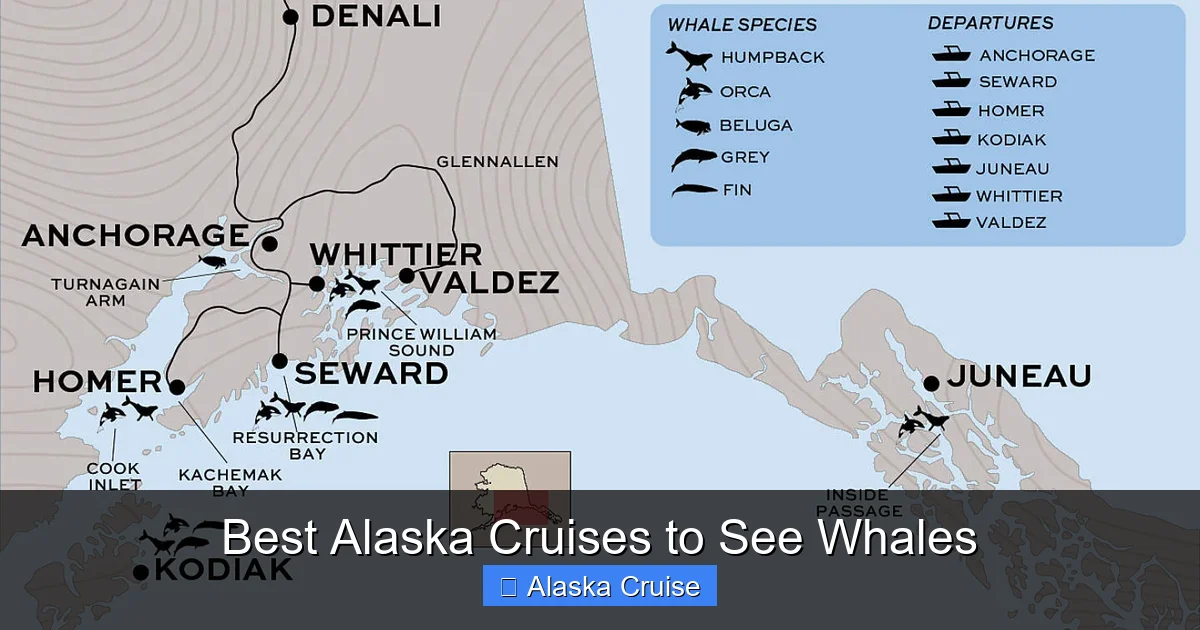
If you’re dreaming of seeing majestic whales breach in the wild, Alaska is the ultimate destination—and a cruise is the best way to experience it. From humpbacks to orcas and even rare blue whales, Alaska’s coastal waters teem with marine life during the summer months. Choosing the right cruise line, itinerary, and timing can make all the difference in spotting these gentle giants up close.
Key Takeaways
- Peak whale season in Alaska runs from May to September, with the highest sightings typically in July and August when waters are warmest and food is abundant.
- Smaller ships and expedition-style cruises offer better wildlife viewing due to their maneuverability and access to remote fjords and inlets.
- Glacier Bay and Frederick Sound are top whale hotspots, known for consistent humpback and orca activity.
- National park-affiliated cruises often include expert naturalists who enhance the experience with educational commentary and guided excursions.
- Booking a balcony cabin increases your chances of spotting whales without leaving your room, especially during early morning or late evening sightings.
- Early morning departures and longer itineraries improve wildlife encounters, as whales are most active during calm, quiet hours.
- Pack binoculars, a good camera with zoom, and layered clothing to stay comfortable and ready for spontaneous whale sightings.
📑 Table of Contents
- Why Alaska Is the Ultimate Whale-Watching Destination
- Best Time to Cruise Alaska for Whale Watching
- Top Cruise Lines for Whale Watching in Alaska
- Best Itineraries for Whale Watching
- Tips for Maximizing Your Whale-Watching Experience
- What to Expect: A Day in the Life of a Whale Watcher
- Conclusion: Why an Alaska Cruise Is Worth It
Why Alaska Is the Ultimate Whale-Watching Destination
Imagine standing on the deck of a ship, the crisp Alaskan breeze brushing your face, when suddenly—a spout of water shoots into the air, followed by the powerful arc of a humpback whale breaching the surface. This isn’t a scene from a documentary. It’s real, and it could be your reality on one of Alaska’s best whale-watching cruises.
Alaska is home to some of the richest marine ecosystems on the planet. Its cold, nutrient-dense waters attract a stunning variety of whale species, especially during the summer months. From the playful orcas of the Inside Passage to the massive fin whales gliding through Glacier Bay, the state offers unparalleled opportunities to witness these magnificent creatures in their natural habitat. Unlike whale-watching tours in other regions, Alaska cruises combine wildlife viewing with jaw-dropping scenery—towering glaciers, snow-capped peaks, and dense rainforests—all within a single voyage.
The Science Behind the Sightings
So why do whales flock to Alaska? It all comes down to food. During the summer, the long daylight hours trigger massive blooms of plankton and krill, which in turn attract schools of herring, salmon, and capelin—the favorite meals of many whale species. Humpback whales, in particular, migrate thousands of miles from Hawaii and Mexico to feed in Alaskan waters. Orcas, both resident and transient pods, follow these food sources, making them common sightings along the coast.
Additionally, Alaska’s intricate network of fjords, inlets, and protected bays provides calm, sheltered waters perfect for feeding and socializing. Places like Frederick Sound and Stephens Passage are like underwater buffets, drawing in whales from all directions. This natural abundance means that even first-time cruisers have a high chance of spotting multiple species during a single trip.
Best Time to Cruise Alaska for Whale Watching
Timing is everything when it comes to seeing whales in Alaska. While the cruise season runs from May through September, not all months are created equal when it comes to wildlife sightings.

Visual guide about Best Alaska Cruises to See Whales
Image source: touristsecrets.com
May and Early June: The Early Birds
If you’re looking for a quieter cruise with fewer crowds, May and early June are excellent choices. The weather is cooler, and some ports may still have snow, but the upside is that you’ll have a more intimate experience. Whale activity is already picking up during this time, especially in southern regions like Ketchikan and Juneau. Humpbacks begin arriving in late May, and orcas are often spotted near the coast as they follow migrating salmon.
July and August: Peak Whale Season
These are the golden months for whale watching in Alaska. July and August offer the warmest weather, longest days, and highest concentration of marine life. This is when humpback whales are most active, often seen lunge-feeding, tail-slapping, and even breaching. Orcas are frequently spotted in pods, especially in areas like Icy Strait and Glacier Bay. Fin whales and minke whales also make appearances, and on rare occasions, lucky passengers might even catch a glimpse of a blue whale—the largest animal on Earth.
September: The Quiet Farewell
As summer winds down, so does the whale activity—but not entirely. September offers a peaceful cruise experience with fewer tourists and lower prices. While some whales begin their migration south, others linger, especially in protected areas. This month is ideal for travelers who prefer a more relaxed pace and don’t mind cooler temperatures. Plus, the fall colors along the coastline add a stunning visual backdrop to your wildlife adventures.
Top Cruise Lines for Whale Watching in Alaska
Not all cruise lines are created equal when it comes to whale watching. Some prioritize luxury and entertainment, while others focus on adventure and wildlife immersion. Here are the best cruise lines for seeing whales in Alaska.
UnCruise Adventures: The Wildlife Specialist
If your main goal is to see whales up close, UnCruise Adventures should be at the top of your list. These small, nimble ships—some as small as 22 passengers—are designed for adventure and exploration. They sail into remote areas that larger ships can’t reach, giving you access to prime whale habitats like Tracy Arm and Endicott Arm. Onboard naturalists and marine biologists provide daily lectures and lead guided kayak and Zodiac excursions, increasing your chances of spotting whales, sea lions, and even bears.
UnCruise itineraries often include stops in lesser-known ports like Hoonah and Wrangell, where wildlife is abundant and crowds are minimal. Their “Whales, Glaciers & Grizzlies” route is especially popular, combining whale watching with bear viewing in Tongass National Forest.
Lindblad Expeditions – National Geographic: Science Meets Adventure
In partnership with National Geographic, Lindblad Expeditions offers a science-first approach to cruising. Their ships are equipped with hydrophones to listen for whale songs, and their expert naturalists include former marine biologists and photographers. This cruise line is ideal for travelers who want to learn as much as they see.
Their “Alaska’s Coastal Wilderness” itinerary covers the Inside Passage and Glacier Bay, with daily wildlife briefings and photo workshops. They also use Zodiacs and kayaks to get closer to whales and glaciers, ensuring an immersive experience. Plus, their commitment to sustainability means you’re traveling with a company that respects and protects the environment.
Holland America Line: Classic Comfort with Wildlife Access
For travelers who want a balance of comfort and wildlife viewing, Holland America Line is a solid choice. Their mid-sized ships offer spacious cabins, fine dining, and full-service amenities, while still providing excellent access to whale hotspots. Their 7-day “Glacier Discovery” itinerary includes stops in Juneau, Skagway, and Ketchikan, with scenic cruising through Tracy Arm and Glacier Bay.
Holland America often partners with local naturalists who come aboard to give talks and help spot wildlife. They also offer whale-watching excursions in port, such as boat tours in Juneau’s Auke Bay, where humpbacks are frequently seen feeding near the surface.
Princess Cruises: Big Ships, Big Views
Princess Cruises operates some of the largest ships in Alaska, which means more onboard activities and entertainment. While their size can limit access to narrow fjords, they still offer excellent whale-watching opportunities, especially in open waters like Frederick Sound. Their “Connoisseur” and “Discovery” ships feature glass-enclosed viewing lounges and outdoor decks perfect for scanning the horizon.
Princess also offers “North to Alaska” themed programming, including cooking demos, local music, and wildlife presentations. Their shore excursions include whale-watching tours in Ketchikan and Icy Strait, where you can ride a high-speed catamaran designed specifically for wildlife viewing.
Royal Caribbean: Family-Friendly Fun with Wildlife
Royal Caribbean is known for its family-friendly atmosphere and onboard thrills, but they also deliver when it comes to whale watching. Their ships, like the Radiance and Serenade of the Seas, sail the Inside Passage with stops in Juneau, Skagway, and Ketchikan. While they don’t specialize in wildlife, their large observation decks and open bow areas provide great vantage points.
Royal Caribbean offers whale-watching excursions in partnership with local operators, including boat tours in Juneau and Icy Strait. They also have a “Royal Genie” program that can arrange private wildlife experiences for guests who want a more personalized adventure.
Best Itineraries for Whale Watching
Choosing the right itinerary can dramatically improve your chances of seeing whales. Some routes are specifically designed to maximize wildlife encounters, while others focus more on glaciers and towns. Here are the top whale-watching itineraries in Alaska.
Inside Passage: The Classic Route
The Inside Passage is the most popular cruise route in Alaska, stretching from Seattle or Vancouver up through British Columbia and into southeastern Alaska. This route includes stops in Ketchikan, Juneau, Skagway, and often Glacier Bay National Park. It’s ideal for first-time cruisers and offers a mix of wildlife, culture, and scenery.
Whale sightings are common in this region, especially in the waters near Juneau and Icy Strait. Humpbacks are frequently seen feeding in groups, and orcas are often spotted near the coast. The calm, protected waters of the Inside Passage make it easier to spot whales from the ship, and many cruises include scenic cruising days with no port stops—perfect for uninterrupted wildlife viewing.
Glacier Bay National Park: A UNESCO Treasure
A visit to Glacier Bay is a must for any Alaska cruise, and it’s also one of the best places to see whales. This UNESCO World Heritage Site is home to over 200 species of marine animals, including humpback whales, orcas, and harbor seals. The park’s strict visitor limits mean fewer ships and a more pristine environment.
Most cruises spend a full day in Glacier Bay, with park rangers coming aboard to provide commentary. The ship slows to a crawl, allowing passengers to watch glaciers calve and whales surface. The combination of icy landscapes and marine life makes this one of the most memorable parts of any Alaska cruise.
Frederick Sound and Stephens Passage: Whale Highways
These two bodies of water are considered the “whale highways” of Alaska. Frederick Sound, located near Petersburg and Wrangell, is a known feeding ground for humpback whales. Stephens Passage, which connects Juneau to Skagway, is a favorite route for orcas and minke whales.
Cruises that pass through these areas often report multiple whale sightings per day. Some ships even have “whale alerts” where crew members announce sightings over the ship’s intercom. If you’re serious about whale watching, look for itineraries that include extended time in these regions.
Icy Strait Point: The Whale Capital of Alaska
Located near Hoonah, Icy Strait Point is often called the “whale capital of Alaska.” This privately owned destination offers some of the best whale-watching tours in the state, with a success rate of over 90% for spotting humpbacks. Many cruises include a stop here, where passengers can take a high-speed boat tour or ride the world’s largest zipline over the rainforest.
The waters around Icy Strait are rich in herring, which attracts large numbers of humpback whales. These whales are known for their acrobatic behavior, including breaching and tail slapping, making for unforgettable photo opportunities.
Tips for Maximizing Your Whale-Watching Experience
Seeing whales in Alaska is almost guaranteed, but there are ways to make the experience even better. Here are some practical tips to help you get the most out of your cruise.
Book a Balcony Cabin
While many whale sightings happen from the main decks, having a private balcony gives you 24/7 access to the outdoors. Early mornings and late evenings are prime times for whale activity, and you won’t want to miss a moment. Plus, you can enjoy the view in peace, without the crowds.
Bring the Right Gear
Pack binoculars with at least 8x magnification to spot whales from a distance. A camera with a good zoom lens (300mm or higher) is essential for capturing close-up shots. Don’t forget extra batteries and memory cards—you’ll be taking a lot of photos. Layered clothing is a must, as temperatures can vary greatly from morning to afternoon.
Listen for Announcements
Most cruise ships have a “whale alert” system where crew members announce sightings over the intercom. Keep your ears open, especially during scenic cruising days. Some ships even have apps that notify you of wildlife sightings in real time.
Join Shore Excursions
While you can see whales from the ship, shore excursions offer a closer, more intimate experience. Look for small-boat whale-watching tours in ports like Juneau, Ketchikan, and Icy Strait. These tours often use quieter engines and know the best spots to find active whales.
Be Patient and Observant
Whale watching is as much about patience as it is about luck. Bring a chair to the deck, grab a warm drink, and scan the horizon. Look for signs like spouts, dorsal fins, or birds circling above—these often indicate whale activity below.
Respect the Wildlife
Always maintain a safe distance from whales. Cruise ships are required to stay at least 100 yards away, and smaller boats must follow similar guidelines. Never chase or feed whales, and avoid loud noises that could disturb them. Remember, you’re a guest in their home.
What to Expect: A Day in the Life of a Whale Watcher
So what does a typical day look like on an Alaska cruise focused on whale watching? Let’s walk through a sample day on a 7-day Inside Passage itinerary.
You wake up early, drawn by the sound of the ship’s horn announcing a whale sighting near Stephens Passage. You rush to your balcony with your camera and spot a pod of orcas gliding through the water, their black-and-white bodies cutting through the waves. The ship slows, and naturalists come on the intercom to explain their behavior.
After breakfast, you attend a lecture on humpback whale communication, led by a marine biologist. Later, you join a Zodiac tour in Tracy Arm, where you paddle past towering icebergs and hear the distant sound of a whale exhaling.
In the afternoon, the ship docks in Juneau. You take a whale-watching boat tour in Auke Bay, where you see a mother humpback and her calf feeding near the surface. Back on the ship, you enjoy dinner with views of the sunset over the water, already planning your next Alaska adventure.
Conclusion: Why an Alaska Cruise Is Worth It
An Alaska cruise isn’t just a vacation—it’s a once-in-a-lifetime experience that combines natural beauty, wildlife encounters, and cultural discovery. And when it comes to seeing whales, Alaska delivers in a big way. Whether you’re watching a humpback breach in Glacier Bay or listening to orca calls through a hydrophone, these moments stay with you forever.
By choosing the right cruise line, itinerary, and timing, you can maximize your chances of spotting these majestic creatures. Pack your bags, bring your camera, and get ready for an adventure you’ll never forget. The whales are waiting.
Frequently Asked Questions
What is the best month to see whales in Alaska?
July and August are the best months for whale watching in Alaska, as this is when humpback and orca activity peaks. The weather is warmest, and food sources are most abundant, leading to frequent and active sightings.
Can you see whales from the cruise ship?
Yes, many whales are spotted directly from the ship, especially during scenic cruising days in areas like Glacier Bay and Frederick Sound. Crew members often announce sightings, and having a balcony cabin increases your chances.
Do all Alaska cruises go to whale-watching hotspots?
Most major cruise lines include stops in whale-rich areas like Juneau, Icy Strait, and Glacier Bay. However, smaller expedition cruises often access more remote locations with higher wildlife density.
What types of whales can you see in Alaska?
Common species include humpback whales, orcas (killer whales), fin whales, minke whales, and on rare occasions, blue whales. Gray whales can also be seen during their spring migration.
Are there guaranteed whale sightings on Alaska cruises?
While no sighting is 100% guaranteed, the chances are very high—especially in peak season. Most cruises report multiple whale sightings per trip, particularly in known feeding areas.
Should I book a whale-watching excursion in port?
Yes, shore excursions often provide closer, more intimate encounters with whales. Small-boat tours in places like Icy Strait Point have high success rates and offer a different perspective than viewing from the ship.