Alaska is a wildlife lover’s paradise, and the right cruise can put you face-to-face with humpback whales, orcas, sea otters, bald eagles, and even brown bears. Choosing a cruise that prioritizes wildlife viewing—with expert naturalists, small ships, and remote itineraries—can transform your trip into a once-in-a-lifetime adventure.
Key Takeaways
- Small ships offer better wildlife access: Smaller vessels can navigate narrow fjords and remote inlets where larger ships can’t go, increasing your chances of spotting animals in their natural habitat.
- Expert naturalists enhance the experience: Cruises with onboard naturalists or marine biologists provide real-time insights and help passengers identify species and behaviors.
- Summer months are peak wildlife season: May through September offers the best weather and most active wildlife, including migrating whales and feeding bears.
- Glacier Bay and Inside Passage are hotspots: These regions are rich in marine and land-based wildlife, making them must-visit areas on any Alaska cruise.
- Shore excursions boost wildlife sightings: Kayaking, hiking, and Zodiac tours get you closer to animals and into areas inaccessible by ship.
- Wildlife sightings are never guaranteed: Nature is unpredictable, but choosing the right cruise maximizes your odds of unforgettable encounters.
- Pack binoculars and a good camera: Essential gear for capturing distant wildlife like eagles, whales, and mountain goats.
📑 Table of Contents
Why Alaska Is a Wildlife Wonderland
Imagine standing on the deck of a ship, binoculars in hand, as a humpback whale breaches just 50 yards away. Or hiking through a misty rainforest and spotting a grizzly bear fishing for salmon in a rushing river. This isn’t a dream—it’s a typical day on an Alaska cruise during peak wildlife season. Alaska is one of the last truly wild places on Earth, and its coastline is teeming with life. From the icy waters of the Inside Passage to the towering glaciers of Glacier Bay, the state offers some of the most dramatic and diverse wildlife experiences you’ll find anywhere.
What makes Alaska so special for wildlife viewing? For starters, its vast, protected wilderness areas—like Denali National Park, Tongass National Forest, and Glacier Bay National Park—provide safe havens for animals. The cold, nutrient-rich waters of the Pacific Ocean support massive populations of fish, which in turn attract marine mammals like whales, sea lions, and otters. On land, bears, moose, mountain goats, and countless bird species thrive in the pristine environment. And because much of Alaska’s coastline is only accessible by boat, a cruise offers the perfect way to explore these remote regions without sacrificing comfort.
Top Regions for Wildlife Viewing on Alaska Cruises
Not all Alaska cruises are created equal when it comes to wildlife. Some routes are simply better than others for spotting animals. The key is knowing where to go and when. Below are the top regions you should prioritize when choosing your cruise itinerary.
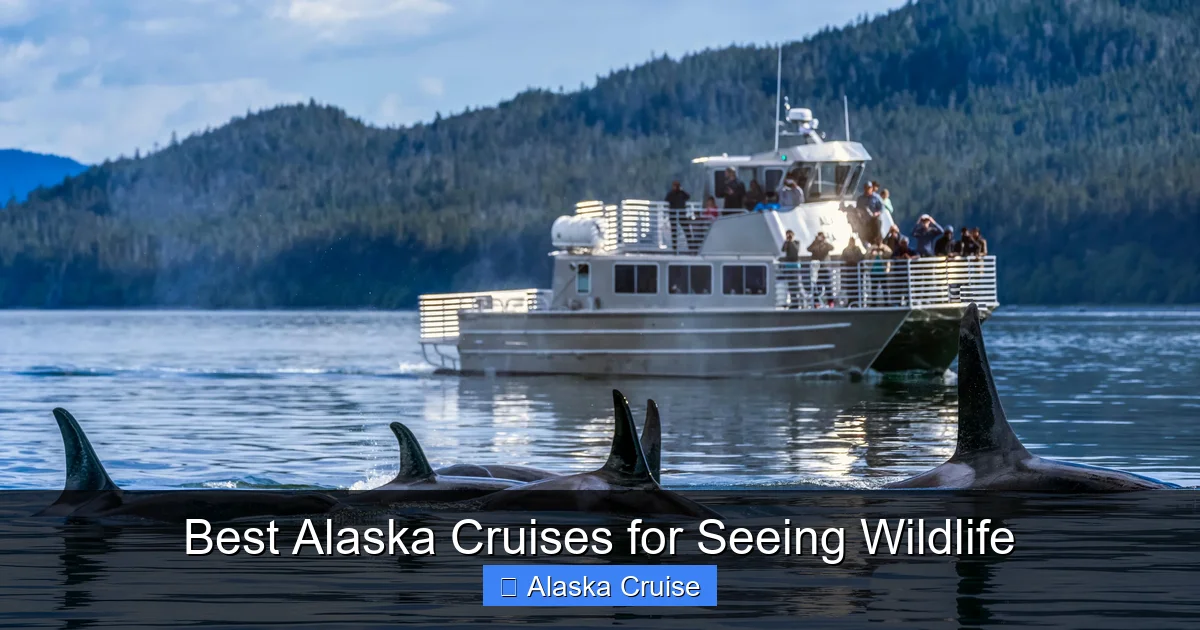
Visual guide about Best Alaska Cruises for Seeing Wildlife
Image source: travelalaska.com
The Inside Passage
The Inside Passage is the most popular cruise route in Alaska, stretching from Seattle or Vancouver up through British Columbia and into southeastern Alaska. This winding waterway is lined with lush rainforests, snow-capped mountains, and quiet coves—perfect for wildlife. Here, you’ll have a great chance to see humpback whales, orcas, sea lions, and porpoises. On land, keep an eye out for black bears, bald eagles, and Sitka deer.
One of the best stops along the Inside Passage is Ketchikan, known as the “Salmon Capital of the World.” During summer, salmon runs attract bears and eagles in large numbers. Shore excursions like bear-watching tours or guided rainforest hikes can get you up close to these animals. Another highlight is Misty Fjords National Monument, where dramatic cliffs and waterfalls create a stunning backdrop for spotting seabirds and marine life.
Glacier Bay National Park
Glacier Bay is a UNESCO World Heritage Site and one of the most biologically diverse areas in Alaska. This 3.3-million-acre park is home to tidewater glaciers, deep fjords, and abundant wildlife. The park is a hotspot for marine mammals, including humpback whales, orcas, harbor seals, and sea otters. On land, you might spot brown bears, moose, and mountain goats.
What makes Glacier Bay unique is its strict visitor limits and mandatory naturalist guides. Every cruise ship that enters the park must have a National Park Service ranger on board, ensuring that passengers get expert commentary and that wildlife is protected. The park’s calm waters and protected coves also make it ideal for Zodiac tours, where you can glide silently past glaciers and look for seals basking on ice floes.
Icy Strait Point and Hoonah
Icy Strait Point, near the town of Hoonah, is one of the best places in Alaska to see brown bears. The area is home to one of the highest concentrations of bears in the world, thanks to its rich salmon streams. Shore excursions often include bear-watching tours in nearby Pack Creek or along the Chilkat River, where you can observe bears fishing in shallow water.
In addition to bears, Icy Strait Point offers excellent opportunities to see humpback whales. The nearby waters are part of a critical feeding ground for these majestic creatures, and many cruises include whale-watching excursions. The area is also rich in Tlingit culture, and you can learn about indigenous traditions while enjoying the natural beauty.
Kenai Fjords and Seward
If your cruise includes a stop in Seward, you’re in for a treat. Kenai Fjords National Park, just outside the town, is a marine wilderness filled with glaciers, seabird colonies, and marine mammals. Boat tours from Seward often head out to Holgate Glacier, where you can hear the thunderous calving of ice into the sea.
Wildlife sightings here are frequent and diverse. You might see puffins, cormorants, and black-legged kittiwakes nesting on cliff ledges. In the water, look for sea otters floating on their backs, sea lions lounging on rocky outcrops, and orcas hunting near the surface. Some tours even offer the chance to kayak among icebergs or hike to a glacier viewpoint.
Best Time to Cruise for Wildlife
Timing is everything when it comes to wildlife viewing in Alaska. While cruises run from May to September, each month offers a slightly different experience. Understanding these seasonal patterns can help you choose the best time for your trip.
May and Early June: The Start of the Season
May is the beginning of the cruise season, and while the weather can be cooler and rainier, it’s a great time for birdwatchers. Migratory birds like bald eagles, puffins, and sandhill cranes are arriving in large numbers. Marine life is also active, with whales beginning their northward migration. Bears are emerging from hibernation and can often be seen foraging along the coast.
One advantage of traveling in May is fewer crowds and lower prices. However, some shore excursions may not be available yet, and daylight hours are shorter than in summer. If you’re flexible and don’t mind cooler weather, this can be a rewarding time to visit.
July and August: Peak Wildlife Season
July and August are the most popular months for Alaska cruises—and for good reason. The weather is warmest, the days are long (up to 18 hours of daylight), and wildlife is at its most active. This is the best time to see humpback whales feeding in large groups, sea otters pupping, and bears catching salmon.
Birdlife is also abundant, with seabird colonies bustling with activity. Puffins, murres, and kittiwakes are busy raising their chicks. On land, moose and mountain goats are often seen in open areas, and bald eagles are everywhere. However, these months are also the busiest, so expect more tourists and higher prices.
September: The Quiet After the Storm
September marks the end of the cruise season, but it’s still a fantastic time for wildlife. The crowds have thinned, and the fall colors are starting to appear in the forests. Bears are especially active as they prepare for hibernation, and salmon runs are still in full swing.
Whale sightings remain strong, and some species, like orcas, are more commonly seen in September. The weather can be unpredictable, with cooler temperatures and more rain, but the trade-off is a more peaceful and intimate experience. If you’re looking for a quieter cruise with great wildlife opportunities, September is an excellent choice.
Choosing the Right Cruise for Wildlife
With so many cruise lines and itineraries to choose from, how do you pick the best one for wildlife viewing? It comes down to a few key factors: ship size, itinerary, onboard expertise, and shore excursions.
Small Ships vs. Large Ships
When it comes to wildlife, smaller is often better. Small ships—typically under 200 passengers—can access remote areas that larger vessels can’t reach. They can navigate narrow fjords, anchor closer to shore, and offer more intimate wildlife experiences. Many small ships also carry Zodiacs or kayaks, allowing for up-close encounters with animals and glaciers.
Popular small-ship cruise lines include UnCruise Adventures, Lindblad Expeditions, and Alaskan Dream Cruises. These companies often focus on adventure and education, with naturalist guides and flexible itineraries. While they may cost more than mainstream cruises, the wildlife experiences are often far superior.
Large ships, like those from Holland America, Princess, and Celebrity, offer more amenities and lower prices, but they’re limited in where they can go. They typically stick to major ports like Juneau, Skagway, and Ketchikan, which can be crowded and less wild. However, they often partner with local tour operators for high-quality shore excursions, so you can still have great wildlife experiences on land.
Onboard Naturalists and Expert Guides
One of the biggest advantages of a wildlife-focused cruise is having expert guides on board. Naturalists, marine biologists, and park rangers can identify species, explain animal behavior, and point out subtle details you might otherwise miss. They also enhance the experience with lectures, slide shows, and Q&A sessions.
Look for cruises that include naturalist-led programs as part of the itinerary. For example, Lindblad Expeditions partners with National Geographic and always has a team of experts on board. UnCruise Adventures employs marine biologists and local guides who share their knowledge throughout the voyage. Even mainstream lines like Holland America offer enrichment programs with guest speakers and wildlife-focused activities.
Shore Excursions and Adventure Activities
Shore excursions are where many of the best wildlife encounters happen. While the ship provides a great vantage point, getting off the boat allows you to explore forests, rivers, and coastlines up close. Look for cruises that offer a variety of wildlife-focused excursions.
Popular options include bear-watching tours, whale-watching boat trips, kayaking among icebergs, and guided hikes in national parks. Some cruises also offer flightseeing tours, where you can see glaciers and wildlife from the air. Be sure to book these excursions in advance, as they often fill up quickly—especially in peak season.
Top Cruise Lines for Wildlife Viewing
Not all cruise lines are created equal when it comes to wildlife. Some specialize in adventure and education, while others focus on luxury and comfort. Here are a few of the best options for wildlife lovers.
UnCruise Adventures
UnCruise is known for its small, intimate ships and adventure-focused itineraries. Their Alaska cruises emphasize wildlife, with daily excursions, naturalist guides, and flexible schedules. Ships carry kayaks and Zodiacs, allowing passengers to explore remote areas. Popular routes include the Inside Passage, Glacier Bay, and the Aleutian Islands.
Lindblad Expeditions – National Geographic
Lindblad partners with National Geographic to offer educational and immersive Alaska cruises. Their ships are equipped with high-tech tools like underwater cameras and hydrophones, and their expert team includes photographers, scientists, and historians. Itineraries often include visits to remote villages and protected areas.
Holland America Line
Holland America offers a balance of comfort and wildlife access. Their ships are mid-sized, allowing them to visit most major ports while still offering enrichment programs. They partner with the Glacier Bay National Park Service and offer a range of shore excursions, including whale-watching and bear tours.
Princess Cruises
Princess is one of the largest cruise lines in Alaska and offers a variety of itineraries, including round-trip voyages from Seattle and one-way trips between Vancouver and Seward. Their ships feature wildlife viewing lounges with floor-to-ceiling windows, and they offer a “Wildlife Viewing Guarantee” on some sailings—though sightings are never guaranteed, they do their best to maximize opportunities.
Packing Tips for Wildlife Viewing
To make the most of your wildlife encounters, it’s important to pack the right gear. You’ll want to be comfortable, prepared for changing weather, and ready to capture the moment.
Essential Gear
- Binoculars: A good pair of binoculars (8×42 or 10×42) is essential for spotting distant wildlife like whales, eagles, and mountain goats.
- Camera with zoom lens: A telephoto lens (200mm or more) will help you capture close-up shots without disturbing the animals.
- Waterproof jacket and pants: Alaska weather can change quickly, and you’ll want to stay dry during shore excursions.
- Layered clothing: Temperatures can vary widely, so pack base layers, fleece, and a warm outer shell.
- Sturdy hiking boots: Many excursions involve walking on uneven terrain, so good footwear is a must.
- Reusable water bottle and snacks: Stay hydrated and energized during long days of exploring.
What to Avoid
Avoid bringing drones, as they are often prohibited in national parks and can disturb wildlife. Also, don’t wear bright colors or strong perfumes, as they can scare animals. Stick to neutral tones and natural scents to blend in with the environment.
Final Thoughts: Making the Most of Your Wildlife Cruise
An Alaska cruise is more than just a vacation—it’s a chance to connect with nature in one of the most beautiful places on Earth. While wildlife sightings are never guaranteed, choosing the right cruise, timing your trip well, and being prepared can greatly increase your chances of unforgettable encounters.
Remember, the best wildlife experiences often happen when you least expect them. A sudden whale breach, a bear crossing the river, or a flock of puffins taking flight can turn an ordinary day into a memory that lasts a lifetime. So keep your eyes open, your camera ready, and your heart open to the wonders of the wild.
Frequently Asked Questions
What is the best time of year for wildlife on an Alaska cruise?
The best time for wildlife viewing is from July to August, when animals are most active and the weather is warmest. However, May and September also offer great opportunities with fewer crowds.
Will I definitely see whales on an Alaska cruise?
While whale sightings are common, especially humpback whales, they are never guaranteed. Choose a cruise with experienced guides and flexible itineraries to maximize your chances.
Are small ships better for wildlife viewing?
Yes, small ships can access remote areas and offer more intimate wildlife experiences. They often carry kayaks and Zodiacs for closer encounters.
Do I need to book shore excursions in advance?
Yes, popular wildlife excursions like bear-watching and whale tours often sell out quickly, especially in peak season. Book early to secure your spot.
What should I wear for wildlife viewing in Alaska?
Wear layered, waterproof clothing and sturdy hiking boots. Neutral colors are best to avoid disturbing animals.
Can I bring a drone on an Alaska cruise?
Most national parks and cruise lines prohibit drones due to wildlife disturbance and safety concerns. Check with your cruise line and park regulations before bringing one.