If you’re dreaming of icy fjords, towering glaciers, and close encounters with bears, whales, and eagles, Alaska is nature’s ultimate playground. The best Alaska cruises for nature combine expert-guided excursions, eco-conscious travel, and intimate ship experiences to immerse you in the wild beauty of the Last Frontier.
Imagine standing on the deck of a ship, binoculars in hand, as a humpback whale breaches just 200 yards away. Or stepping onto a misty shore where a black bear lumbers through a salmon-filled stream, completely undisturbed. This isn’t a dream—it’s what awaits on the best Alaska cruises for nature.
Alaska is one of the last truly wild places on Earth. With over 6,600 miles of coastline, towering mountain ranges, and vast stretches of untouched wilderness, it’s a nature lover’s paradise. From the icy grandeur of glaciers to the vibrant life of coastal rainforests, every moment on an Alaskan cruise feels like stepping into a living postcard. But not all cruises are created equal when it comes to experiencing the raw, unfiltered beauty of this region.
The best Alaska cruises for nature go beyond the typical tourist itinerary. They prioritize access, education, and environmental stewardship. Whether you’re kayaking beside icebergs in Tracy Arm Fjord, hiking through moss-draped forests in Tongass National Forest, or watching sea lions bask on rocky outcrops, these journeys are designed to immerse you in the natural world. And because Alaska’s ecosystems are delicate, the most rewarding cruises are those that travel responsibly—minimizing impact while maximizing wonder.
Key Takeaways
- Smaller ships offer better access: Intimate vessels like those from UnCruise or Lindblad Expeditions can navigate narrow inlets and remote areas larger ships can’t reach, giving you front-row seats to untouched nature.
- Wildlife sightings are seasonal: Timing matters—summer (May to September) offers the best chances to see humpback whales, orcas, sea otters, and brown bears, especially in July and August.
- Glacier viewing is a must: Cruises that include Glacier Bay National Park or Hubbard Glacier provide awe-inspiring views of calving ice and dramatic ice formations.
- Shore excursions enhance the experience: Kayaking among icebergs, hiking in temperate rainforests, and Zodiac tours led by naturalists deepen your connection to Alaska’s ecosystems.
- Sustainability matters: Choose eco-friendly cruise lines that follow strict environmental guidelines and support local conservation efforts.
- Photography opportunities abound: From breaching whales to golden-hour reflections on icy waters, Alaska offers endless chances for stunning nature photography.
- Pack for variable weather: Even in summer, layers, waterproof gear, and binoculars are essential for comfort and maximizing wildlife spotting.
📑 Table of Contents
Why Alaska Is a Nature Lover’s Dream Destination
Alaska isn’t just scenic—it’s a dynamic, living ecosystem. It’s home to the largest national park in the U.S. (Wrangell-St. Elias), the highest peak in North America (Denali), and some of the most active glaciers on the planet. The state’s coastal waters teem with marine life, while its forests shelter species found nowhere else on Earth.
One of the most compelling reasons to visit Alaska is its sheer biodiversity. The temperate rainforests of the Inside Passage are lush and green, hosting Sitka spruce, western hemlock, and ancient cedars. These forests are home to black bears, bald eagles, and Sitka deer. Meanwhile, the nutrient-rich waters of the Gulf of Alaska attract whales, sea otters, and thousands of seabirds.
Alaska’s geography also plays a major role in its natural appeal. The state sits at the convergence of the Pacific Ocean and the Arctic, creating unique weather patterns and rich marine habitats. Glaciers carve through mountains, feeding rivers and fjords with meltwater that supports everything from salmon runs to kelp forests. This dynamic environment means that no two days on an Alaskan cruise are the same.
The Magic of the Inside Passage
The Inside Passage is a 1,000-mile network of waterways that winds through southeastern Alaska. It’s the heart of most Alaska cruises for nature, offering protected waters, calm seas, and access to some of the most iconic natural sites in the region.
Cruising through the Inside Passage feels like gliding through a living museum. You’ll pass towering cliffs draped in moss, waterfalls cascading down mountainsides, and small fishing villages nestled in sheltered coves. Wildlife is abundant—bald eagles soar overhead, harbor seals rest on rocky shores, and orcas patrol the deeper channels.
One of the highlights of the Inside Passage is the Tongass National Forest, the largest national forest in the U.S. Spanning over 17 million acres, it’s a UNESCO Biosphere Reserve and a critical habitat for salmon, bears, and migratory birds. Many nature-focused cruises include stops in Ketchikan or Wrangell, where you can explore old-growth forests, visit Tlingit cultural sites, and even take a guided bear-watching tour.
Glaciers: Alaska’s Icy Giants
No Alaska cruise for nature is complete without seeing a glacier. These massive rivers of ice are not only breathtaking to behold—they’re also vital indicators of our planet’s changing climate.
Glacier Bay National Park is one of the most popular destinations for glacier viewing. Here, you can witness the dramatic process of calving, where chunks of ice break off and crash into the sea with thunderous force. The park is home to over a dozen tidewater glaciers, including the famous Margerie Glacier, which stretches over 21 miles and rises 300 feet above the water.
Another must-see is Hubbard Glacier, North America’s largest tidewater glacier. Located near Yakutat, it’s over 7 miles wide and advances up to 12 feet per day. Cruises that sail into Disenchantment Bay offer front-row views of this icy giant, often accompanied by the sound of cracking ice and the sight of icebergs floating like sculptures in the water.
Top Cruise Lines for Nature Enthusiasts
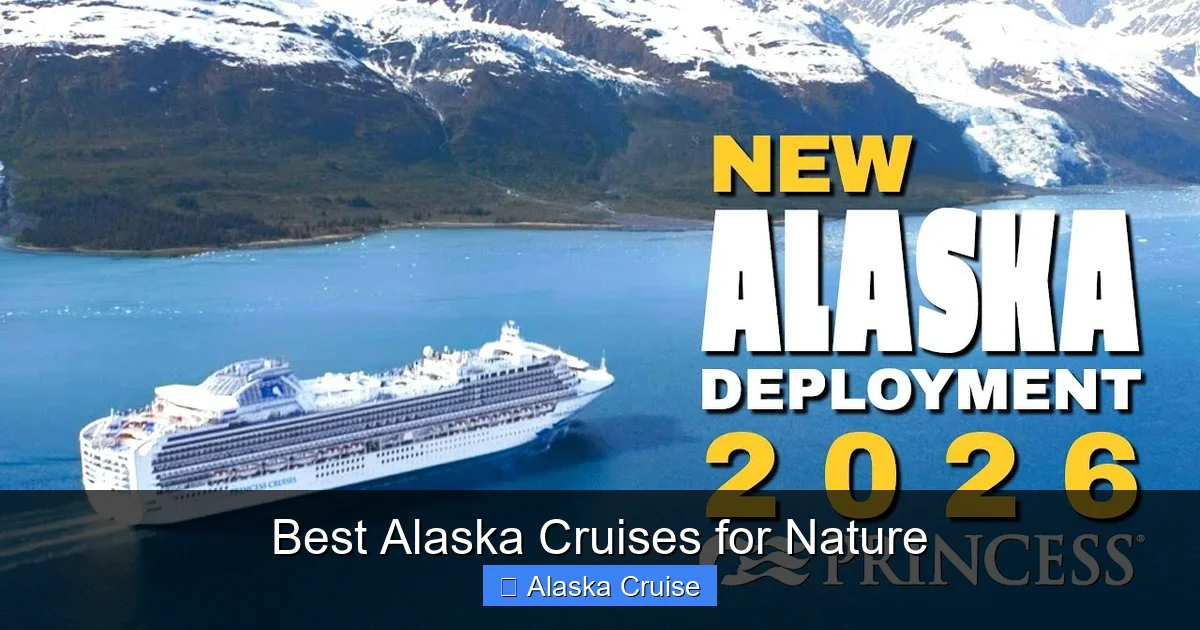
Visual guide about Best Alaska Cruises for Nature
Image source: i.ytimg.com
Not all cruise lines are equally suited for nature lovers. While major lines like Princess and Holland America offer scenic routes and comfortable amenities, smaller, expedition-focused operators provide a more immersive and educational experience.
The best Alaska cruises for nature are often run by companies that specialize in adventure travel and environmental education. These lines use smaller ships, employ expert naturalists, and design itineraries that prioritize wildlife and wilderness over nightlife and shopping.
UnCruise Adventures: Intimate and Immersive
UnCruise Adventures is a standout for travelers seeking a hands-on, nature-first experience. Their ships are small—typically carrying 22 to 88 passengers—which allows them to access remote inlets and shallow waters that larger vessels can’t reach.
On an UnCruise Alaska trip, you might kayak through a quiet fjord at sunrise, hike to a waterfall with a marine biologist, or take a Zodiac tour to observe sea lions up close. Their guides are passionate naturalists who share insights about local ecosystems, conservation efforts, and indigenous cultures.
One popular itinerary is the “Alaska’s Inside Passage” cruise, which sails from Juneau to Ketchikan. Highlights include exploring Tracy Arm Fjord, visiting the Mendenhall Glacier, and spotting humpback whales in Frederick Sound. UnCruise also emphasizes sustainability, using low-emission engines and supporting local conservation projects.
Lindblad Expeditions: Science Meets Adventure
Lindblad Expeditions, in partnership with National Geographic, offers some of the most educational and awe-inspiring Alaska cruises for nature. Their ships are equipped with tools for citizen science, including microscopes for plankton studies and hydrophones for listening to whale songs.
Guests on a Lindblad cruise benefit from a team of experts—marine biologists, photographers, and historians—who lead daily excursions and presentations. You might spend the morning snorkeling with sea lions in Ketchikan, then attend a lecture on glacier retreat in the afternoon.
Their “Alaska’s Coastal Wilderness” itinerary is a favorite among nature lovers. It includes visits to Glacier Bay, the Tongass National Forest, and the remote wilderness of Icy Strait. With a focus on exploration and discovery, Lindblad turns every day into a learning adventure.
Hurtigruten: Sustainable Arctic Exploration
Hurtigruten, a Norwegian company with a long history of Arctic travel, brings a strong commitment to sustainability to its Alaska cruises. Their ships are designed to minimize environmental impact, with hybrid engines and strict waste management policies.
Hurtigruten’s “Alaska and the Inside Passage” cruise combines natural wonders with cultural immersion. You’ll explore Glacier Bay, go whale watching in Sitka, and learn about Tlingit traditions from local guides. Their expedition team includes ornithologists, geologists, and marine biologists who enhance every stop with expert commentary.
One unique feature of Hurtigruten is their “Science Center,” where guests can participate in real-time research projects, such as tracking marine debris or monitoring bird populations. It’s a great way to contribute to conservation while deepening your understanding of Alaska’s ecosystems.
Best Itineraries for Nature Lovers
Choosing the right itinerary is key to maximizing your nature experience in Alaska. The best Alaska cruises for nature balance iconic sights with hidden gems, offering a mix of wildlife viewing, glacier exploration, and cultural learning.
7-Day Inside Passage Classic
This classic route, offered by lines like Princess and Holland America, typically runs between Seattle or Vancouver and Juneau. It includes stops in Ketchikan, Skagway, and Glacier Bay National Park.
While these larger ships can’t access the most remote areas, they offer excellent views of glaciers and wildlife from the deck. Shore excursions like dog sledding on a glacier (via helicopter) or a scenic train ride through the White Pass are popular, but for nature purists, the real magic happens on the water.
Look for itineraries that spend full days in Glacier Bay—this is where you’ll have the best chance to see calving glaciers and marine wildlife. Early morning and late afternoon are prime times for spotting whales and sea lions.
10-Day Wilderness Explorer
For a deeper dive into Alaska’s wild side, consider a longer expedition cruise like UnCruise’s “Wild Alaska Escape” or Lindblad’s “Alaska’s Coastal Wilderness.” These 10-day journeys venture beyond the typical tourist trail, visiting remote fjords, uninhabited islands, and protected marine reserves.
You might spend a day exploring the Beardslee Islands, a cluster of small islets teeming with seabirds and sea otters. Or take a guided hike through the rainforest of Chichagof Island, where brown bears forage for salmon in summer.
These itineraries often include multiple opportunities for kayaking, paddleboarding, and Zodiac tours. The slower pace allows for more time in nature and fewer crowds—perfect for photographers and wildlife enthusiasts.
Round-Trip from Anchorage: The Gulf Coast Adventure
Some cruises depart from Anchorage and sail through the Gulf of Alaska, offering a different perspective on the state’s natural wonders. This route includes visits to Seward, Hubbard Glacier, and the Kenai Fjords.
One of the highlights is Kenai Fjords National Park, where you can see glaciers flowing directly into the ocean. Boat tours from Seward often include sightings of sea otters, puffins, and even orcas. The park’s rugged coastline and dramatic cliffs make it a favorite among nature photographers.
This itinerary is ideal for travelers who want to combine a cruise with time on land. You can extend your trip with a visit to Denali National Park or a floatplane tour over the glaciers of Prince William Sound.
Wildlife Encounters: What to Expect and When
One of the biggest draws of Alaska cruises for nature is the chance to see wildlife in its natural habitat. But knowing when and where to look can make all the difference.
Whales: The Ocean’s Giants
Alaska is one of the best places in the world to see whales. Humpback whales are the most common, often seen breaching, tail-slapping, or feeding in groups. Orcas (killer whales) are also frequently spotted, especially in the waters around Juneau and Sitka.
The best time for whale watching is July and August, when humpbacks migrate north to feed on krill and small fish. Many cruises include dedicated whale-watching excursions, often led by marine biologists who explain the animals’ behavior and migration patterns.
Keep your camera ready—whales can appear unexpectedly, and a breaching humpback is a once-in-a-lifetime sight.
Bears: Coastal Giants
Alaska is home to both black bears and brown bears (including grizzlies), and seeing one in the wild is a highlight for many travelers. The best places to spot bears are along salmon streams in July and August, when the fish are running.
Katmai National Park and McNeil River State Game Sanctuary are famous for bear viewing, but you don’t need to go that far. In places like Ketchikan and Hoonah, guided tours take you to safe viewing platforms where bears fish for salmon in rivers and estuaries.
Remember: always view bears from a distance and follow your guide’s instructions. These are wild animals, and safety is paramount.
Birds and Marine Life
Alaska’s coastal waters and forests are a birdwatcher’s paradise. Bald eagles are everywhere—perched on treetops, soaring overhead, or diving for fish. Puffins, cormorants, and murres nest on sea cliffs, while sandpipers and plovers scurry along the shore.
Sea otters are another common sight, often seen floating on their backs, using rocks to crack open shellfish. Harbor seals and Steller sea lions haul out on rocky islands, especially in areas like Glacier Bay and Icy Strait.
Bring binoculars and a field guide—you’ll be amazed at how much life you can spot with a little patience.
Practical Tips for Nature-Focused Cruises
To get the most out of your Alaska cruise for nature, a little preparation goes a long way.
Pack Smart for the Elements
Alaska’s weather can be unpredictable, even in summer. Temperatures range from 40°F to 70°F, and rain is common. Layering is key—start with a moisture-wicking base layer, add a fleece or sweater, and top it off with a waterproof jacket.
Don’t forget:
– Waterproof pants and boots
– Hat and gloves (even in summer)
– Sunglasses and sunscreen (glare off the water is intense)
– Binoculars (essential for wildlife spotting)
– Camera with extra batteries (cold drains them fast)
Choose the Right Time to Go
The Alaska cruise season runs from May to September. Each month offers something different:
– May: Fewer crowds, lower prices, and early wildlife activity. Glaciers are still impressive, but some shore excursions may be limited.
– June: Long days, blooming wildflowers, and active wildlife. Ideal for photographers.
– July: Peak season—warmest weather, best whale and bear sightings. Book early!
– August: Still great for wildlife, with fewer tourists than July. Fall colors begin in late August.
– September: Crisp air, stunning fall foliage, and a chance to see the northern lights (in northern regions). Some ships end their season in early September.
Maximize Your Shore Excursions
Shore excursions are where the real adventure happens. Look for small-group tours led by naturalists or local guides. Activities like kayaking, hiking, and wildlife cruises offer the closest encounters with nature.
Popular nature-focused excursions include:
– Glacier Bay naturalist cruise
– Bear-watching tours in Ketchikan or Hoonah
– Kayaking in Tracy Arm or Misty Fjords
– Whale-watching boat trips from Juneau or Sitka
– Rainforest hikes in Tongass National Forest
Book early—many excursions fill up quickly, especially on smaller ships.
Support Sustainable Tourism
Alaska’s ecosystems are fragile, and tourism can have an impact. Choose cruise lines that follow sustainable practices, such as:
– Limiting ship emissions
– Reducing single-use plastics
– Supporting local communities and conservation projects
– Following wildlife viewing guidelines (e.g., keeping a safe distance from animals)
You can also do your part by:
– Staying on marked trails
– Not feeding wildlife
– Packing out all trash
– Respecting local cultures and traditions
Conclusion: Nature Awaits in Alaska
The best Alaska cruises for nature aren’t just vacations—they’re transformative experiences. They remind us of the power and beauty of the natural world, and our place within it.
Whether you’re watching a glacier calve into the sea, hearing the haunting song of a humpback whale, or standing in silence as a bear crosses a river, these moments stay with you long after the trip ends. Alaska doesn’t just show you nature—it lets you feel it.
So if you’re ready to trade city lights for star-filled skies, and shopping malls for wild coastlines, it’s time to book your Alaska cruise. With the right ship, itinerary, and mindset, you’ll discover why this rugged, remote corner of the world is nature’s greatest masterpiece.
Frequently Asked Questions
What is the best time of year for an Alaska cruise focused on nature?
The best time for nature-focused Alaska cruises is July and August, when wildlife is most active and weather is mild. However, May and September offer fewer crowds and unique seasonal beauty, like spring blooms or fall colors.
Can I see whales and bears on an Alaska cruise?
Yes! Humpback whales, orcas, and sea otters are commonly seen from the ship, especially in July and August. Bears can be spotted on guided shore excursions in places like Ketchikan and Hoonah during salmon season.
Are small ships better for nature cruises in Alaska?
Absolutely. Smaller ships can access remote fjords, shallow waters, and protected areas that larger vessels can’t reach, offering more intimate and immersive nature experiences.
What should I pack for an Alaska nature cruise?
Pack layers, waterproof clothing, sturdy shoes, binoculars, a camera, and sun protection. Even in summer, weather can change quickly, so be prepared for rain and cool temperatures.
Do I need to book shore excursions in advance?
Yes, especially for popular nature activities like bear watching, kayaking, and whale watching. These excursions often fill up quickly, particularly on smaller expedition ships.
Are Alaska cruises environmentally friendly?
Many cruise lines now prioritize sustainability with low-emission engines, waste reduction, and partnerships with conservation groups. Look for eco-certifications and responsible tourism practices when choosing a cruise.