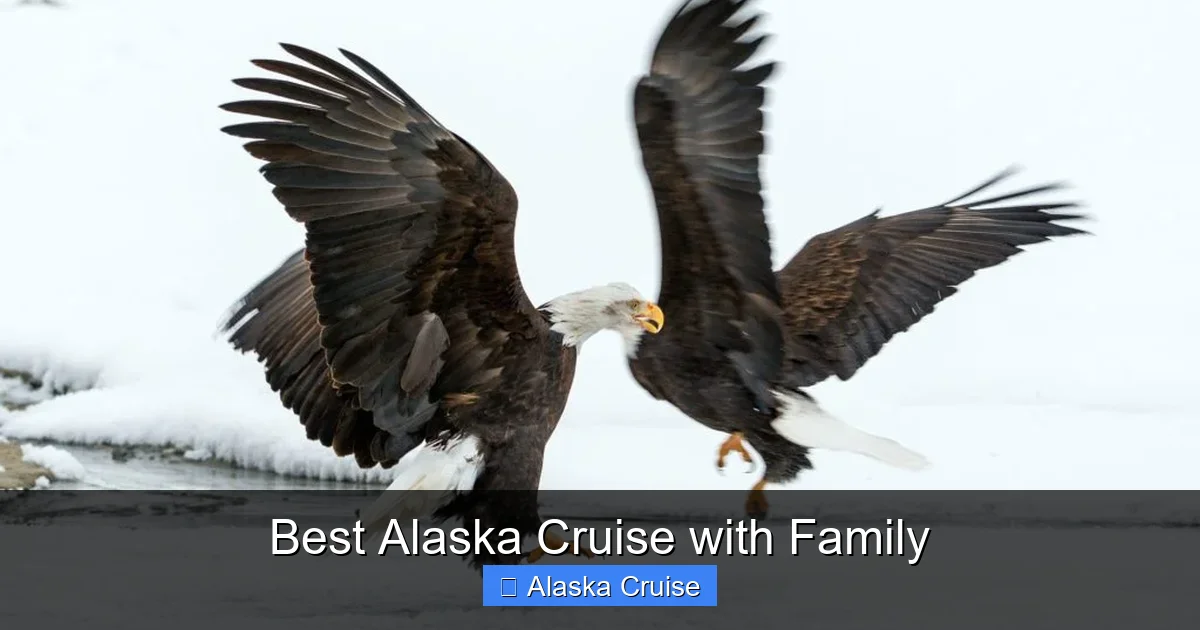
Choosing the best Alaska cruise with family means balancing fun, comfort, and value. From kid-friendly activities to jaw-dropping scenery, the right itinerary makes all the difference.
Key Takeaways
- Family-friendly ships offer kids’ clubs, pools, and entertainment for all ages. Look for cruise lines with dedicated youth programs and flexible dining.
- Summer months (June–August) are ideal for weather and wildlife sightings. This is peak season, so book early for the best cabins and deals.
- Glacier Bay and Tracy Arm Fjord are must-see natural wonders. These stops offer close-up views of icebergs and marine life.
- Shore excursions enhance the experience for families. Choose age-appropriate activities like dog sledding, kayaking, or wildlife tours.
- Inside cabins are budget-friendly, but balcony rooms offer scenic views. Weigh cost against comfort, especially for longer cruises.
- Pack layers and rain gear—Alaska weather changes quickly. Comfortable shoes and binoculars are also essential.
- Book through a travel agent for perks and support. They can help navigate options and secure onboard credits or upgrades.
📑 Table of Contents
Why an Alaska Cruise is Perfect for Families
Imagine standing on the deck of a cruise ship, wrapped in a cozy jacket, as a massive glacier calves into the sea with a thunderous splash. Or watching a humpback whale breach just yards away while your kids cheer in excitement. These aren’t just scenes from a nature documentary—they’re real moments you can experience on the best Alaska cruise with family.
Alaska offers a unique blend of adventure, education, and natural beauty that appeals to travelers of all ages. Unlike theme parks or crowded resorts, an Alaska cruise lets families disconnect from screens and reconnect with each other—and with nature. The rhythm of life slows down. Meals are shared. Stories are told. And every day brings a new wonder, from towering snow-capped peaks to playful sea otters.
What makes Alaska especially family-friendly is the variety of experiences packed into one trip. You can explore historic gold rush towns, hike through lush rainforests, and learn about Indigenous cultures—all while traveling in comfort. Plus, cruise ships act as floating hotels, so you unpack once and wake up in a new destination each morning. No stressful drives or hotel check-ins. Just smooth sailing and stunning views.
Benefits of Cruising Over Other Travel Styles
Families often wonder whether to drive, fly, or cruise to Alaska. While road trips and flights have their perks, a cruise offers unmatched convenience and value. You get lodging, meals, entertainment, and transportation all rolled into one price. That means fewer decisions and less stress—especially with young kids in tow.
Another advantage? Cruise ships are designed with families in mind. Most major lines offer kids’ clubs, teen lounges, family pools, and even babysitting services. Parents can enjoy a quiet dinner or a spa treatment while their children are safely entertained. And because the ship docks in port cities, you can easily explore without worrying about logistics.
Let’s not forget the scenery. Alaska’s coastline is rugged and remote, with many stunning spots accessible only by boat. A cruise lets you glide past fjords, ice fields, and wildlife-rich waters—something you simply can’t replicate on land. It’s like having a front-row seat to one of the world’s greatest natural shows.
Top Cruise Lines for Families in Alaska
Not all cruise lines are created equal when it comes to family travel. Some cater to luxury seekers, while others focus on adventure or adults-only experiences. For families, the best Alaska cruise options are those that balance fun, safety, and flexibility.

Visual guide about Best Alaska Cruise with Family
Image source: i.etsystatic.com
Disney Cruise Line
Disney is a top pick for families with young children. Their Alaska itineraries are filled with character meet-and-greets, themed activities, and immersive entertainment. Kids can join the Oceaneer Club, where counselors lead games, crafts, and science experiments. Teens have their own space with video games and social events.
Disney’s ships also feature multiple pools, water slides, and family-friendly dining. The rotational dining system means you eat in different themed restaurants each night while keeping the same waitstaff—great for building rapport. Plus, Disney’s attention to detail and customer service is unmatched.
One downside? Disney cruises tend to be pricier, and their Alaska season is shorter (typically May to September). But for families seeking magic and reliability, it’s worth the investment.
Royal Caribbean International
Royal Caribbean is known for its innovative ships and action-packed activities. Their Alaska cruises often feature rock climbing walls, surf simulators, ice skating rinks, and even zip lines. These attractions keep older kids and teens engaged, while younger ones enjoy the Adventure Ocean youth program.
The line offers a range of cabin types, from interior rooms to luxurious suites with balconies. Dining options are plentiful, with everything from casual buffets to specialty restaurants. Royal Caribbean also partners with local guides for high-quality shore excursions, like whale watching and glacier hikes.
One standout feature is their “Perfect Day at CocoCay” private island—though not on Alaska routes, it shows their commitment to family fun. On Alaska cruises, they focus on immersive experiences, like onboard naturalist talks and cultural performances.
Norwegian Cruise Line (NCL)
NCL’s “Freestyle Cruising” concept is a hit with families who value flexibility. There’s no fixed dining time or dress code, so you can eat when you want and wear what’s comfortable. This is especially helpful with picky eaters or tired kids.
Their ships feature water parks, arcade games, and supervised kids’ clubs. The Splash Academy offers age-specific activities, while Entourage is designed for teens. NCL also offers family suites and connecting rooms, making it easier to travel with extended family.
NCL’s Alaska itineraries often include stops in Juneau, Skagway, and Ketchikan—classic ports with rich history and outdoor adventures. Their shore excursions range from mild (scenic train rides) to wild (helicopter glacier landings).
Celebrity Cruises
Celebrity is a great middle-ground option: upscale but still family-friendly. Their ships are sleek and modern, with spacious cabins and excellent dining. While not as activity-heavy as Royal Caribbean, they offer enriching experiences like cooking classes, art workshops, and live music.
Their “Camp at Sea” program provides structured activities for kids, including science experiments and nature crafts. Teens can join the “X-Club” for movies, games, and social events. Celebrity also emphasizes sustainability and local culture, which can be a great teaching moment for kids.
One bonus? Celebrity often sails on smaller ships, which can access narrower fjords and offer a more intimate experience. Their Alaska cruises typically run from May to September, with routes departing from Seattle or Vancouver.
Best Itineraries for Families
Alaska cruises vary in length, route, and focus. For families, the ideal itinerary balances port time, scenic cruising, and onboard fun. Most cruises last 7 to 10 days and follow one of two main routes: round-trip from Seattle or Vancouver, or one-way between Seattle and Seward (near Anchorage).
7-Day Round-Trip from Seattle
This is one of the most popular options for families. You fly into Seattle, board the ship, and return a week later—no need to arrange separate transportation to Anchorage. The route typically includes stops in Ketchikan, Juneau, Skagway, and a glacier day in Tracy Arm or Glacier Bay.
Why it works for families? The schedule is predictable, and you avoid the hassle of a one-way trip. Plus, Seattle is a major hub with plenty of family-friendly hotels and attractions before or after your cruise. Many ships also offer special events on sea days, like pirate parties or movie nights under the stars.
One-Way Cruise from Seattle to Seward
This itinerary is ideal for families who want to combine a cruise with a land adventure. After disembarking in Seward, you can explore Denali National Park, take a scenic train ride, or visit wildlife refuges. Some families even extend their trip with a stay in Anchorage.
The one-way route often includes more time in Glacier Bay National Park, a UNESCO World Heritage Site. It’s a highlight for many travelers, with towering glaciers, calving ice, and abundant wildlife. Just be prepared for extra planning—you’ll need to book flights home from Anchorage and possibly arrange a pre- or post-cruise hotel stay.
Extended 10- to 14-Day Cruises
For families with more time and budget, longer cruises offer deeper exploration. These itineraries may include remote stops like Haines, Wrangell, or even Russian-influenced Sitka. They also allow more sea days, which can be a chance to relax or enjoy onboard amenities.
Longer cruises are great for multi-generational trips or families with teens who want more independence. However, they require more planning and can be tiring for younger children. Consider your family’s stamina and interests before booking.
Must-See Ports and Shore Excursions
Alaska’s ports are more than just pit stops—they’re gateways to adventure. Each offers a unique flavor of history, culture, and nature. Choosing the right shore excursions can make or break your family’s experience.
Ketchikan: The Gateway to the Tongass
Ketchikan is known as the “Salmon Capital of the World” and the gateway to the largest temperate rainforest in the U.S. Families can visit the Totem Heritage Center, watch a traditional dance performance, or take a floatplane tour over Misty Fjords.
For active families, a guided kayak trip through calm waters offers close encounters with eagles, seals, and maybe even a black bear along the shore. There’s also a scenic railway ride that climbs into the forest, perfect for younger kids who might not be ready for a long hike.
Juneau: Whales, Glaciers, and Gold
Juneau is Alaska’s capital—and one of the few cities not accessible by road. Most excursions start with a boat ride, which is an adventure in itself. Whale watching tours are a must, with chances to see humpbacks, orcas, and sea lions.
For a thrilling experience, take a helicopter tour to the Mendenhall Glacier. You’ll land on the ice for a short walk—kids love the surreal blue ice and snow. There’s also a dog sledding camp on the glacier, where you can meet real sled dogs and even take a short ride.
Skagway: Gold Rush History and Scenic Rails
Skagway feels like stepping back in time. Wooden boardwalks, historic saloons, and costumed interpreters bring the gold rush era to life. The White Pass & Yukon Route Railway is a family favorite—a narrow-gauge train that climbs steep mountains with breathtaking views.
For outdoor enthusiasts, a guided hike to the summit of the pass offers panoramic vistas and a sense of accomplishment. There are also gold panning experiences where kids can try their hand at finding flakes—just like the prospectors of old.
Glacier Bay and Tracy Arm Fjord
These are not ports but natural wonders best experienced during scenic cruising days. Glacier Bay is a protected park where rangers come aboard to share insights about glaciers, wildlife, and conservation. Keep binoculars handy—you might spot bears, moose, or even a rare glacier bear.
Tracy Arm Fjord is narrower and more dramatic, with sheer cliffs and waterfalls cascading down the sides. The ship slows to a crawl as you pass icebergs and maybe even a calving glacier. It’s a magical, almost surreal experience that kids will talk about for years.
Packing Tips and What to Expect
Packing for an Alaska cruise is different from a tropical getaway. The weather can shift from sunny and mild to cold and rainy in minutes. Layering is key.
Clothing Essentials
Start with a base layer of moisture-wicking fabric, add a fleece or sweater, and top it off with a waterproof jacket. Bring a warm hat, gloves, and a scarf—even in summer, it can be chilly on deck. Waterproof boots are a must for shore excursions, especially in wet or muddy areas.
Don’t forget swimsuits! Most ships have heated pools and hot tubs. And pack a few nicer outfits for formal nights or specialty dining. Comfortable walking shoes are essential for exploring ports.
Gear and Gadgets
Binoculars are a game-changer for spotting wildlife from a distance. A compact camera or smartphone with a good zoom helps capture those moments. Bring power strips—cabins often have limited outlets.
For kids, consider bringing small toys, books, or tablets for downtime. Many ships offer free Wi-Fi, but it can be slow. Download movies or games in advance. And don’t forget sunscreen and lip balm—the sun reflects off the water and ice.
Onboard Expectations
Life on a cruise ship is structured but flexible. Most ships have set times for meals, shows, and activities, but you’re free to come and go. Families should review the daily newsletter (or app) to plan their day.
Expect some motion on sea days, especially in rougher waters. If anyone is prone to seasickness, bring medication or wristbands. Most ships also have medical staff on board.
Finally, be prepared for limited cell service in remote areas. Embrace the digital detox—it’s part of the Alaska experience.
How to Choose the Best Alaska Cruise for Your Family
With so many options, selecting the right cruise can feel overwhelming. Start by asking key questions: What’s your budget? How old are your kids? Do you prefer action or relaxation?
Budget Considerations
Cruise prices vary widely based on line, cabin type, and season. Inside cabins are the most affordable, while balconies offer scenic views—and higher prices. Look for promotions like “kids sail free” or onboard credits.
Don’t forget extras: shore excursions, drinks, gratuities, and specialty dining can add up. Some lines include more in the base price, so compare carefully.
Age-Appropriate Activities
Younger kids thrive on structured programs and hands-on fun. Teens may prefer independence and social spaces. Check each cruise line’s youth offerings and age ranges.
Also consider the pace. Some families want non-stop action; others prefer quiet time. Look for ships with quiet lounges, outdoor spaces, and flexible schedules.
Booking Tips
Book early—especially for summer sailings. Popular itineraries and cabin categories sell out fast. Consider using a travel agent who specializes in cruises. They can help you navigate options, secure upgrades, and handle changes.
Read reviews from other families. Websites like Cruise Critic and family travel blogs offer honest insights. And always check the cancellation policy—Alaska weather can be unpredictable.
Final Thoughts: Making Memories That Last
An Alaska cruise isn’t just a vacation—it’s a shared adventure that strengthens family bonds. From the first glimpse of a glacier to the final sunset over the Pacific, every moment is infused with wonder.
The best Alaska cruise with family is one that matches your interests, budget, and travel style. Whether you choose Disney’s magic, Royal Caribbean’s thrills, or Norwegian’s flexibility, you’re in for an unforgettable journey.
So pack your bags, charge your camera, and get ready to explore one of the last great frontiers. Alaska awaits.
Frequently Asked Questions
What is the best time of year for an Alaska cruise with kids?
The best time is summer, from June to August. The weather is milder, wildlife is active, and daylight lasts nearly 20 hours. This is also peak season, so book early for the best cabins and prices.
Are Alaska cruises suitable for toddlers and babies?
Yes, many cruise lines welcome infants and offer baby-friendly amenities like cribs, high chairs, and baby food. However, medical facilities are limited, so consult your pediatrician before traveling with very young children.
Do I need to book shore excursions in advance?
It’s highly recommended, especially for popular tours like whale watching or glacier hikes. These can sell out weeks ahead. You can book through the cruise line or reputable third-party providers.
Can my family see bears on an Alaska cruise?
Yes, but usually from a distance. Bears are often spotted in Glacier Bay or along shorelines during excursions. Always follow guide instructions and never approach wildlife.
What should we do if someone gets seasick?
Most ships have over-the-counter remedies and medical staff. Wristbands, ginger supplements, and staying on deck can also help. Choose a mid-ship cabin for less motion.
Is Wi-Fi available on Alaska cruises?
Yes, but it’s often slow and expensive, especially in remote areas. Many families use this as a chance to unplug. Download entertainment and maps before sailing.