Experience the magic of Alaska’s marine wildlife on a whale watching cruise that delivers awe-inspiring encounters with humpback whales, orcas, and more. From Glacier Bay to Juneau, these expertly guided tours combine comfort, education, and unforgettable moments in one of nature’s most dramatic settings.
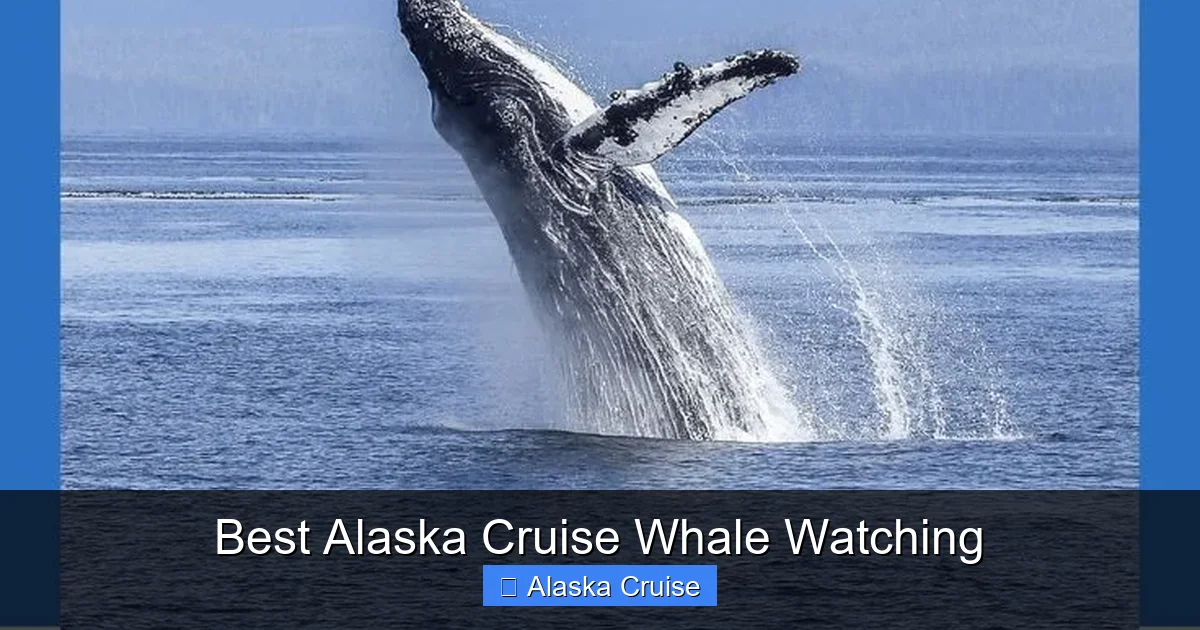
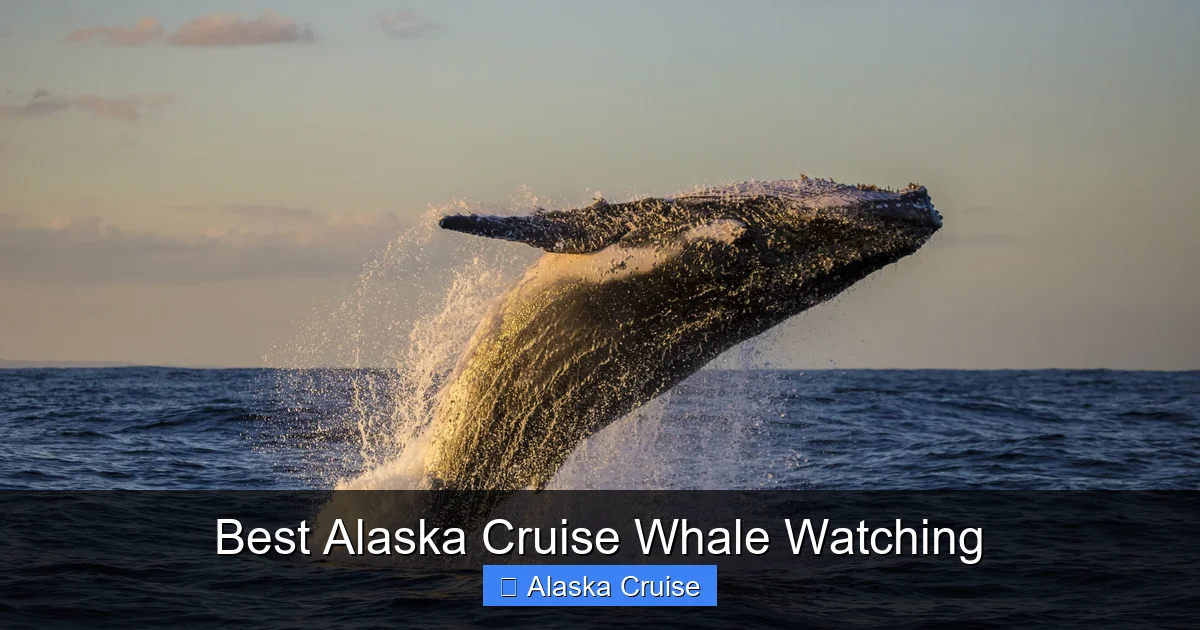
Imagine standing on the deck of a ship, the crisp Alaskan breeze brushing your face, the scent of salt and pine in the air. Suddenly, a massive spout erupts from the water—then another. A humpback whale breaches, its powerful body arcing gracefully before crashing back into the deep blue. This isn’t a scene from a documentary. This is real. And it could be your reality on the best Alaska cruise whale watching adventure.
Alaska is one of the world’s premier destinations for whale watching, offering some of the most reliable and dramatic marine wildlife encounters on the planet. From the icy fjords of Glacier Bay to the lush rainforests of Icy Strait Point, the state’s coastline is a thriving habitat for a variety of whale species. Whether you’re a seasoned traveler or a first-time cruiser, witnessing these majestic creatures in their natural environment is a life-changing experience. The combination of stunning scenery, expert guidance, and the raw power of nature makes Alaska cruise whale watching a must-do for wildlife enthusiasts.
But not all whale watching cruises are created equal. The best experiences blend comfort, education, and access to prime whale hotspots. With so many cruise lines and itineraries to choose from, it’s important to know what to look for. This guide will walk you through everything you need to know—from the best times and places to go, to top cruise recommendations, photography tips, and how to travel responsibly. By the end, you’ll be ready to book the Alaska cruise whale watching trip of a lifetime.
Key Takeaways
- Prime Whale Watching Locations: Key spots include Juneau, Icy Strait Point, and Glacier Bay National Park, where humpback and orca sightings are frequent.
- Best Time to Go: Late May through early September offers the highest chances of whale encounters due to abundant food and calmer seas.
- Top Cruise Lines: Holland America, Princess Cruises, and small expedition ships like those from UnCruise Adventures offer excellent whale-focused itineraries.
- Expert Naturalist Guides: Many cruises include onboard marine biologists or naturalists who enhance the experience with real-time commentary.
- Photography Tips: Bring a zoom lens, use burst mode, and dress in layers for stable shots in changing weather.
- Sustainable Tourism: Choose eco-conscious operators that follow responsible wildlife viewing guidelines to protect marine habitats.
- Onboard Amenities: Look for ships with outdoor decks, binoculars, heated lounges, and educational programs to maximize comfort and learning.
📑 Table of Contents
- Why Alaska Is the Ultimate Whale Watching Destination
- Best Time for Alaska Cruise Whale Watching
- Top Cruise Lines for Whale Watching in Alaska
- What to Expect on a Whale Watching Cruise
- Photography Tips for Capturing the Perfect Shot
- Responsible Whale Watching and Conservation
- Planning Your Alaska Cruise Whale Watching Adventure
- Conclusion
Why Alaska Is the Ultimate Whale Watching Destination
Alaska’s unique geography and rich marine ecosystem make it a hotspot for whale activity. The cold, nutrient-rich waters of the North Pacific support an abundance of krill, plankton, and small fish—the primary food sources for many whale species. This abundance draws whales from across the Pacific to feed during the summer months, creating prime conditions for sightings.
One of the key reasons Alaska stands out is the predictability of whale encounters. Unlike tropical destinations where sightings can be hit-or-miss, Alaska’s coastal routes are frequented by whales on a seasonal basis. Humpback whales, in particular, migrate thousands of miles each year to feast in Alaskan waters. They’re known for their acrobatic breaches, tail slaps, and haunting songs—behaviors that make them a favorite among whale watchers.
Orcas, or killer whales, are also common in Alaskan waters, especially in regions like the Inside Passage and around the Kenai Fjords. These intelligent predators travel in pods and are often seen hunting seals or playing near the surface. Gray whales, minke whales, and even the occasional blue whale have been spotted, though less frequently.
Another advantage of Alaska cruise whale watching is the backdrop. You’re not just watching whales—you’re surrounded by towering glaciers, snow-capped mountains, and dense temperate rainforests. The dramatic scenery enhances the experience, turning every sighting into a postcard-worthy moment. Whether you’re gliding past a calving glacier or watching a whale surface beneath a rainbow, the setting is as unforgettable as the wildlife.
Prime Whale Habitats Along the Alaskan Coast
Several regions along Alaska’s coastline are particularly rich in whale activity. These areas are often included in major cruise itineraries, making them accessible to travelers.
Juneau, the state capital, is one of the most popular whale watching destinations. Located in the heart of the Inside Passage, Juneau offers consistent sightings of humpback whales, especially near the Auke Bay and Point Adolphus areas. Many cruise ships offer shore excursions here, including guided boat tours that get you up close to feeding whales.
Icy Strait Point, near Hoonah, is another hotspot. This remote area is known for its high concentration of humpbacks and orcas. The waters here are shallow and rich in herring, attracting large numbers of whales during the summer. Smaller expedition ships often anchor here for extended whale watching sessions.
Glacier Bay National Park, a UNESCO World Heritage Site, is not only famous for its glaciers but also for its marine life. The park’s protected waters are home to humpbacks, orcas, and harbor porpoises. Cruises that pass through Glacier Bay often include naturalist-led commentary, helping passengers identify species and understand their behaviors.
The Kenai Fjords, near Seward, are another excellent location. While not always on standard cruise routes, some extended itineraries or independent excursions visit this area. The fjords are teeming with marine life, and whale watching here often includes sightings of orcas hunting in coordinated pods.
Best Time for Alaska Cruise Whale Watching
Visual guide about Best Alaska Cruise Whale Watching
Image source: kodiakcompasssuites.com
Timing is everything when it comes to whale watching in Alaska. The state’s short summer season—roughly from late May to early September—offers the best conditions for both weather and wildlife activity.
The peak whale watching season runs from mid-June to mid-August. During this time, daylight hours are long—up to 18 hours of sun in some areas—and the weather is generally mild. This is when humpback whales are most active, feeding heavily to build up fat reserves for their winter migration.
Early summer (late May to early June) can also be rewarding. Whales are arriving in Alaska and are often seen in large groups. The crowds are smaller, and cruise fares may be lower. However, weather can be more unpredictable, and some ports may still be affected by lingering ice.
Late summer (August to early September) offers a different experience. While whale numbers begin to decline as they prepare to migrate south, the chances of seeing orcas increase. Orcas are more active in the fall, and some pods are known to follow salmon runs into coastal waters. Additionally, the fall colors begin to appear, adding a new layer of beauty to the landscape.
It’s important to note that weather plays a big role in whale watching success. Calm seas and clear skies improve visibility and make for smoother rides. Storms or heavy fog can limit sightings, so flexibility in your schedule is helpful. Most cruise lines build in buffer days or alternative activities in case of poor conditions.
Weather and Sea Conditions
Alaska’s weather can be unpredictable, even in summer. Coastal areas like Juneau and Ketchikan are known for rain, while interior regions can be sunny and dry. However, the maritime climate along the cruise routes means you should always be prepared for change.
Layering is key. Even on warm days, sea breezes can make it feel cooler on the water. A waterproof jacket, warm layers, and non-slip footwear are essential. Binoculars are also a must—many whales are spotted at a distance, and a good pair can make all the difference.
Sea conditions vary by region. The Inside Passage is generally sheltered, with calm waters ideal for whale watching. Open ocean routes, such as those near the Gulf of Alaska, can be rougher. If you’re prone to motion sickness, consider choosing a cruise that stays within protected waters or opt for a larger ship, which tends to be more stable.
Top Cruise Lines for Whale Watching in Alaska
Not all cruise lines are equally suited for whale watching. Some prioritize speed and luxury over wildlife experiences, while others are designed specifically for nature enthusiasts. Here are some of the best options for Alaska cruise whale watching.
Holland America Line
Holland America is a favorite among travelers seeking a balance of comfort and adventure. Their ships, such as the ms Nieuw Amsterdam and ms Koningsdam, offer spacious outdoor decks, multiple viewing areas, and expert-led naturalist programs. Many itineraries include stops in Juneau, Ketchikan, and Glacier Bay—prime whale watching locations.
One standout feature is their “Explorations Central” program, which includes daily wildlife talks, guided shore excursions, and onboard lectures by marine biologists. Passengers often report high satisfaction with whale sightings, thanks to the line’s focus on scenic cruising and slower speeds that allow for better observation.
Princess Cruises
Princess Cruises is another top choice, known for its “North to Alaska” program that emphasizes local culture and wildlife. Their ships, like the Grand Princess and Ruby Princess, feature large observation lounges with floor-to-ceiling windows—perfect for whale watching without braving the cold.
Princess also offers “Wildlife Viewing Guarantees” on select itineraries. If no whales are spotted during the cruise, passengers receive a voucher for a future voyage. While not foolproof, this policy reflects the company’s confidence in their routes and timing.
UnCruise Adventures
For a more intimate and immersive experience, UnCruise Adventures offers small-ship expeditions that focus on wildlife and adventure. Their vessels, such as the Safari Quest and Wilderness Explorer, carry fewer than 100 passengers, allowing for flexible itineraries and closer access to remote areas.
UnCruise itineraries often include kayaking, hiking, and Zodiac excursions, giving passengers multiple ways to experience Alaska’s wilderness. Their naturalist guides are highly knowledgeable, and many trips include guaranteed whale watching excursions in Icy Strait Point or Glacier Bay.
Other Notable Options
Other cruise lines worth considering include Norwegian Cruise Line, which offers flexible “freestyle cruising” and extended Alaska itineraries, and Celebrity Cruises, which combines luxury with eco-friendly practices and wildlife-focused programming.
Expedition lines like Lindblad Expeditions (in partnership with National Geographic) offer high-end, educational cruises with top-tier naturalists and photographers on board. These trips are ideal for serious wildlife enthusiasts willing to pay a premium for an expert-led experience.
What to Expect on a Whale Watching Cruise
So, what does a typical whale watching day look like on an Alaska cruise? While each itinerary varies, most follow a similar pattern designed to maximize wildlife sightings and passenger comfort.
The day usually begins with an early breakfast, followed by a briefing from the onboard naturalist or expedition leader. They’ll share information about the day’s route, expected wildlife, and viewing etiquette. This is also a good time to ask questions and get tips on photography or spotting techniques.
As the ship approaches a known whale hotspot, passengers gather on the outer decks. Crew members often use hydrophones to listen for whale calls, which can help locate pods before they’re visible. Binoculars and cameras come out, and the excitement builds.
When a whale is spotted, the ship slows or stops to allow for observation. Passengers are encouraged to stay quiet and respectful, as loud noises can disturb the animals. Most ships follow strict guidelines to maintain a safe distance—usually 100 yards or more—to avoid harassment.
Sightings can last anywhere from a few minutes to over an hour, depending on the whale’s behavior. Humpbacks often feed in groups, creating “bubble nets” to trap fish, while orcas may travel quickly in search of prey. Each encounter is unique, and even experienced watchers are amazed by the variety of behaviors.
Onboard Amenities and Comfort
Comfort is key during long days at sea. The best whale watching cruises offer heated indoor lounges with large windows, so you can stay warm while still enjoying the view. Some ships have outdoor heated areas or windbreaks to protect against sea spray.
Many cruises provide complimentary binoculars or loaner cameras with zoom lenses. Onboard gift shops often sell wildlife guides, books, and souvenirs. Dining options typically include Alaskan seafood—think fresh salmon and crab—adding to the authentic experience.
For families, look for ships with kids’ programs that include wildlife education and hands-on activities. Some lines offer “Junior Naturalist” badges for children who participate in guided tours and lectures.
Photography Tips for Capturing the Perfect Shot
Capturing a whale in action is every photographer’s dream—but it takes preparation and skill. Here are some practical tips to help you get the best shots on your Alaska cruise whale watching adventure.
First, invest in a good zoom lens. A 70-200mm or 100-400mm lens is ideal for capturing distant whales without disturbing them. If you’re using a smartphone, consider a clip-on telephoto lens for better reach.
Use burst mode to increase your chances of catching a breach or tail slap. These moments happen quickly, and burst mode lets you take multiple shots in rapid succession. Set your camera to continuous autofocus to keep moving subjects sharp.
Stability is crucial. Use a tripod or monopod if allowed, or brace yourself against the ship’s railing. Image stabilization features on cameras and lenses can also help reduce blur from boat movement.
Lighting can be tricky. Early morning and late afternoon offer the best natural light, with softer shadows and golden tones. Avoid shooting directly into the sun, which can cause lens flare. Overcast days are actually great for photography, as the diffused light reduces harsh contrasts.
Don’t forget to enjoy the moment. While it’s tempting to constantly look through the viewfinder, take time to simply watch the whales. Some of the most memorable experiences come from being fully present.
Ethical Wildlife Photography
Always prioritize the animals’ well-being over getting the perfect shot. Avoid using drones or flash photography, which can stress or disorient whales. Follow your guide’s instructions and maintain a respectful distance.
Share your photos responsibly. Avoid geotagging exact locations on social media, as this can lead to overcrowding and disturbance. Instead, focus on storytelling—share what you learned, how it felt, and why conservation matters.
Responsible Whale Watching and Conservation
As whale watching grows in popularity, so does the need for responsible practices. Alaska has some of the strictest wildlife viewing regulations in the world, and reputable cruise lines adhere to them closely.
The National Oceanic and Atmospheric Administration (NOAA) sets guidelines for whale watching, including maintaining a minimum distance of 100 yards from humpbacks and 200 yards from orcas. Ships must avoid sudden changes in speed or direction that could disrupt feeding or resting behaviors.
Many cruise lines go beyond compliance by supporting conservation efforts. For example, some donate a portion of ticket sales to marine research or partner with organizations like the Alaska Whale Foundation. Passengers can often participate in citizen science projects, such as reporting sightings or helping with data collection.
Choosing eco-conscious operators is one of the best ways to support sustainable tourism. Look for certifications like Green Globe or membership in the Alaska SeaTrec program, which promotes responsible travel.
How You Can Help
As a passenger, you can make a difference by following guidelines, reducing waste, and spreading awareness. Use reef-safe sunscreen, avoid single-use plastics, and support local businesses that prioritize sustainability.
Share your experience responsibly. Educate others about the importance of marine conservation and the threats facing whale populations, such as ship strikes, entanglement, and climate change.
Planning Your Alaska Cruise Whale Watching Adventure
Ready to book your trip? Here are some final tips to ensure a smooth and rewarding experience.
Start by deciding on your travel style. Do you prefer a large, luxurious ship with multiple amenities, or a small, intimate vessel focused on adventure? Consider your budget, group size, and activity preferences.
Book early—especially for peak season. Popular itineraries and cabins fill up quickly, and early bookings often come with discounts or perks like onboard credit.
Pack wisely. Bring layers, waterproof gear, motion sickness remedies, and a good camera. Don’t forget chargers, memory cards, and a dry bag to protect your electronics.
Stay flexible. Weather and wildlife are unpredictable. Embrace the journey, not just the destination. Some of the best moments happen when plans change.
Finally, go with an open mind. Alaska cruise whale watching isn’t just about seeing whales—it’s about connecting with nature, learning from experts, and creating memories that last a lifetime.
Conclusion
Alaska cruise whale watching is more than a tourist activity—it’s a profound encounter with the wild heart of nature. From the thunderous breach of a humpback to the silent glide of an orca, these moments remind us of the beauty and power of the natural world. With the right cruise, timing, and preparation, you can experience the best that Alaska has to offer.
Whether you’re sailing through Glacier Bay, exploring Icy Strait Point, or simply standing on deck with the wind in your hair, the magic of whale watching in Alaska is unmatched. It’s an adventure that feeds the soul, sparks curiosity, and leaves you with stories to tell for years to come.
So pack your bags, charge your camera, and set sail for one of the greatest wildlife experiences on Earth. The whales are waiting.
Frequently Asked Questions
What is the best time of year for whale watching in Alaska?
The best time for Alaska cruise whale watching is from mid-June to mid-August. During this period, humpback whales are most active, feeding heavily in the nutrient-rich waters. Weather is also more stable, and daylight hours are long, maximizing your chances of sightings.
Which cruise line is best for whale watching in Alaska?
Holland America, Princess Cruises, and UnCruise Adventures are among the top choices for whale watching. They offer expert naturalists, prime itineraries, and a strong focus on wildlife experiences. Smaller expedition ships like those from UnCruise provide more intimate and flexible encounters.
How close can cruise ships get to whales?
Cruise ships must maintain a minimum distance of 100 yards from humpback whales and 200 yards from orcas, as per NOAA guidelines. This ensures the safety and well-being of the animals while still allowing for excellent viewing opportunities.
What should I bring for whale watching on a cruise?
Bring layered clothing, a waterproof jacket, non-slip shoes, binoculars, and a camera with a zoom lens. Don’t forget sunscreen, motion sickness remedies, and a dry bag to protect your gear from sea spray.
Are whale sightings guaranteed on Alaska cruises?
While no sightings are 100% guaranteed, Alaska offers some of the highest success rates for whale watching in the world. Some cruise lines, like Princess, offer wildlife viewing guarantees with compensation if no whales are seen.
Can children participate in whale watching excursions?
Yes, most cruise lines welcome children and offer family-friendly programs. Look for ships with junior naturalist activities, educational talks, and safe viewing areas. Always supervise kids near railings and follow safety guidelines.