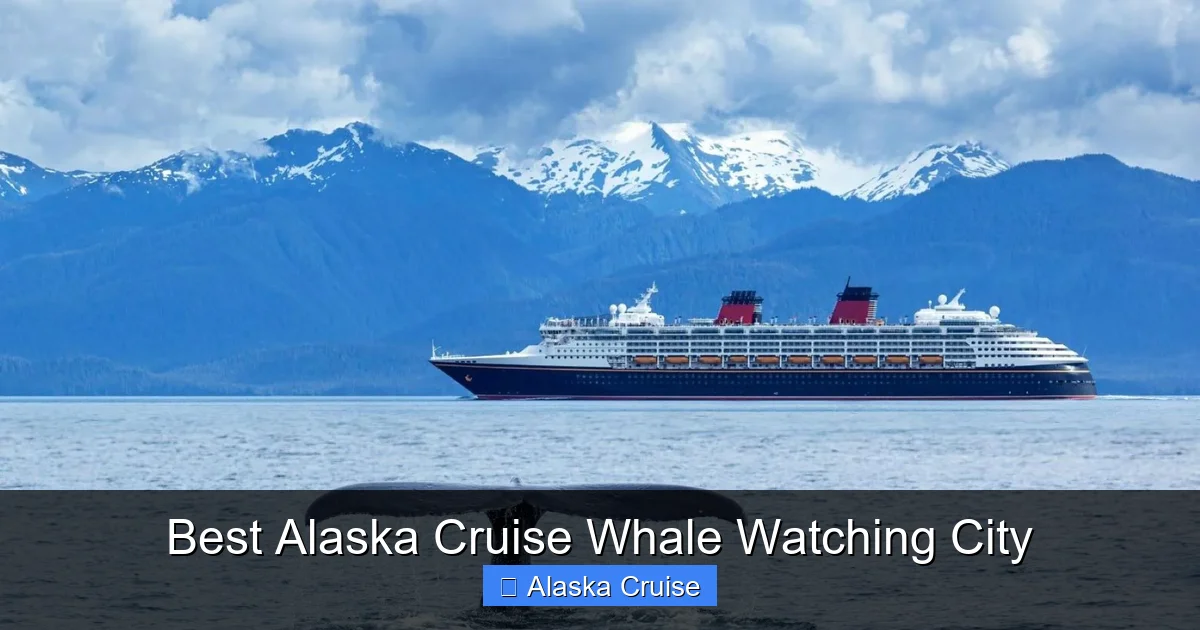
If you’re dreaming of seeing whales breach just feet from your cruise ship, Alaska is the ultimate destination—and one city stands above the rest for whale watching: Juneau. With its prime location, rich marine life, and frequent humpback sightings, Juneau offers the most reliable and thrilling whale-watching experiences along the Inside Passage.
Key Takeaways
- Juneau is the top Alaska cruise whale watching city: Its proximity to nutrient-rich waters and protected fjords makes it a hotspot for humpback whales, orcas, and minke whales.
- Peak whale season runs from May to September: July and August offer the highest chances of sightings due to abundant food and calm seas.
- Whale watching tours enhance the experience: Local operators in Juneau provide expert guides, small boats, and eco-friendly practices for close, respectful encounters.
- Cruise ships often include Juneau as a port stop: Most major cruise lines dock here, making it easy to combine whale watching with glacier tours and cultural experiences.
- Photography tips matter: Bring a zoom lens, use burst mode, and dress warmly for optimal whale-watching photos.
- Sustainable tourism is key: Choose operators that follow NOAA guidelines to protect whale habitats and ensure long-term wildlife viewing.
- Combine whale watching with other adventures: Pair your trip with Mendenhall Glacier, salmon runs, or Tlingit cultural tours for a full Alaskan experience.
📑 Table of Contents
- Why Alaska Is the Ultimate Whale Watching Destination
- Juneau: The Crown Jewel of Alaska Whale Watching
- Best Time to See Whales in Alaska
- What to Expect on a Whale Watching Tour
- Sustainable Whale Watching in Alaska
- Beyond Whales: Other Juneau Highlights
- Conclusion: Why Juneau Is the Best Alaska Cruise Whale Watching City
Why Alaska Is the Ultimate Whale Watching Destination
Alaska isn’t just a cruise destination—it’s a front-row seat to one of nature’s greatest shows. Every summer, thousands of whales migrate to Alaskan waters to feed, breed, and raise their young. The cold, nutrient-rich currents of the North Pacific attract a stunning variety of marine life, from massive humpback whales to sleek orcas and curious minke whales. And while several coastal cities offer whale-watching opportunities, one stands out as the undisputed champion: Juneau.
What makes Alaska so special for whale watching? It’s the combination of geography, ecology, and accessibility. The state’s rugged coastline, deep fjords, and protected marine areas create ideal feeding grounds. Humpback whales, in particular, flock to these waters to feast on schools of herring, krill, and small fish. The result? Regular sightings just a short boat ride from shore—something you simply can’t replicate in most other parts of the world.
Cruise ships sailing the Inside Passage—the scenic route along Alaska’s southeastern coast—are perfectly positioned to deliver unforgettable whale encounters. These vessels hug the coastline, passing through narrow channels where whales are known to travel. And when the ship docks, passengers can hop on local whale-watching tours that get even closer to the action. It’s a seamless blend of convenience and adventure.
The Science Behind the Migration
Whales don’t just show up by chance. Their migration is driven by a complex interplay of food availability, water temperature, and breeding cycles. In the summer months, Alaska’s waters become a buffet for marine mammals. Phytoplankton blooms fuel the food chain, drawing in fish and, in turn, hungry whales.
Humpback whales, for example, travel over 3,000 miles from Hawaii and Mexico to feed in Alaskan waters. They can consume up to 3,000 pounds of food per day during peak season. This abundance of prey means whales are active, visible, and often playful—breaching, tail-slapping, and even “bubble-net feeding,” a coordinated technique where a group of whales blows bubbles to trap fish.
Orcas, or killer whales, are also common in these waters. While they’re apex predators and don’t rely on the same food sources, they follow the salmon runs and sometimes even hunt seals near the shore. Minke whales, though smaller and more elusive, are frequently spotted near Juneau’s coastline, especially in the early morning hours.
Why Cruise Ships Are Perfect for Whale Watching
One of the biggest advantages of an Alaska cruise is the mobility it offers. Unlike land-based trips, where you’re limited to one location, a cruise ship lets you experience multiple whale-watching hotspots in a single trip. You might see humpbacks near Ketchikan one day and orcas near Glacier Bay the next.
But even more importantly, cruise ships often position themselves in prime viewing areas. Many lines offer “whale watches at sea,” where naturalists on board scan the horizon with binoculars and announce sightings over the ship’s intercom. These onboard experts can identify species, explain behaviors, and share fascinating facts about marine life.
Some cruise lines even partner with local conservation groups to offer educational programs. For example, Holland America and Princess Cruises feature marine biologists on select sailings, giving passengers a deeper understanding of whale behavior and conservation efforts.
Juneau: The Crown Jewel of Alaska Whale Watching
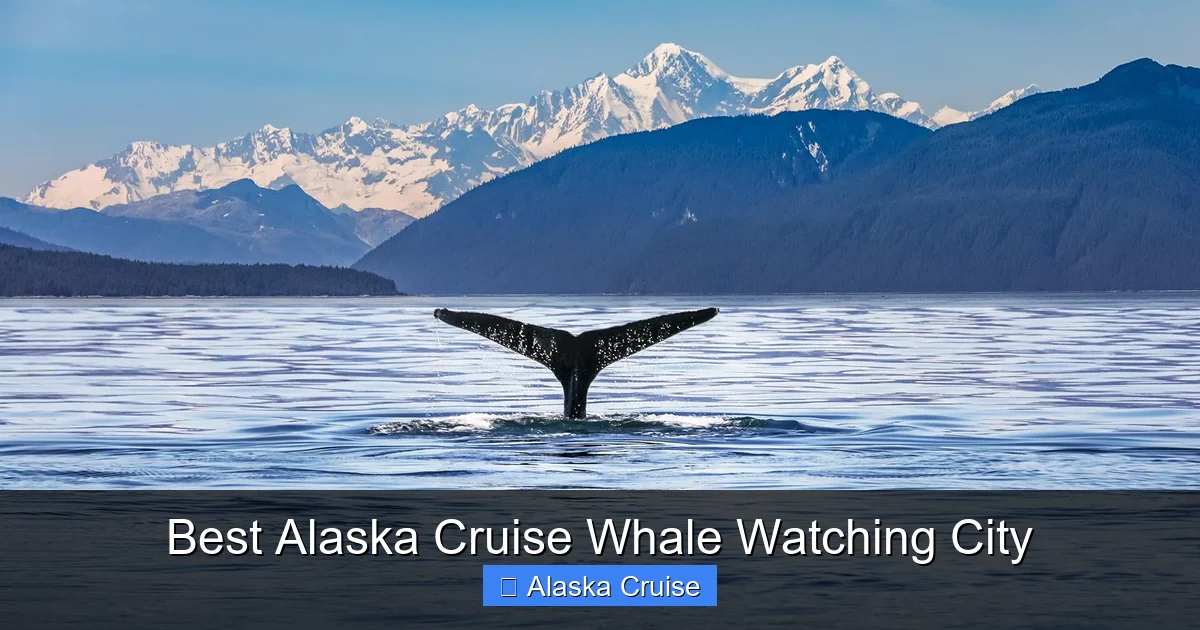
Visual guide about Best Alaska Cruise Whale Watching City
Image source: shoreexcursionsgroup.com
When it comes to the best Alaska cruise whale watching city, Juneau takes the top spot—and for good reason. As the state capital and a major cruise port, Juneau offers the perfect blend of accessibility, wildlife density, and local expertise.
Located on the Gastineau Channel, Juneau is surrounded by deep, cold waters that attract a wide range of marine life. The nearby Stephens Passage and Auke Bay are particularly rich feeding grounds for humpback whales. In fact, Juneau is often called the “whale watching capital of Alaska” due to the frequency and reliability of sightings.
Unlike some remote Alaskan towns, Juneau is well-equipped for tourists. It has a full-service airport, a bustling downtown, and a wide range of tour operators. Most importantly, it’s a regular stop on nearly every major Alaska cruise itinerary. That means you don’t have to plan a separate trip—you can experience world-class whale watching as part of your cruise.
Prime Whale Watching Locations Near Juneau
Several key areas around Juneau are known for consistent whale activity:
– **Stephens Passage:** A deep, protected channel that serves as a major migration route. Humpbacks are often seen here, especially in July and August.
– **Auke Bay:** Just a 15-minute drive from downtown, this bay is a launch point for many whale-watching tours. It’s also a hotspot for orcas and sea lions.
– **Mendenhall Glacier Area:** While the glacier itself is a draw, the waters nearby are frequented by whales feeding on salmon runs.
– **Douglas Island:** Across the channel from Juneau, this area offers quieter waters and excellent viewing opportunities, especially in the early morning.
Many tours depart from Auke Bay and head north into Stephens Passage, where the chances of spotting multiple whales increase dramatically. Some operators even guarantee a sighting—or offer a free return trip.
Top Whale Watching Tours in Juneau
Choosing the right tour can make all the difference. Here are a few standout options:
– **Alaska Sea Adventures:** Known for small-group tours and knowledgeable naturalist guides. Their 3.5-hour excursions often include sightings of humpbacks, orcas, and sea otters.
– **Juneau Whale Watch:** Offers both shared and private tours with hydrophones to listen to whale songs underwater. Their boats are equipped with heated cabins and large viewing windows.
– **Harv & Marv’s Outback:** A family-run operation with a focus on sustainability and education. Their tours emphasize responsible wildlife viewing and often include cultural insights from local Tlingit guides.
Most tours last between 3 and 4 hours and cost between $120 and $200 per person. Booking in advance is recommended, especially during peak season.
Best Time to See Whales in Alaska
Timing is everything when it comes to whale watching. While Alaska’s cruise season runs from May to September, not all months are created equal.
Monthly Breakdown of Whale Activity
– **May:** The season kicks off with the arrival of humpback whales. Sightings are less frequent, but you might catch early migrators. Water is still cold, and daylight hours are increasing.
– **June:** Whale numbers grow steadily. Humpbacks are actively feeding, and orcas begin to appear. This is a great time for fewer crowds and lower prices.
– **July:** Peak season. Humpbacks are everywhere, often traveling in pods. Bubble-net feeding is common. This is also when salmon runs attract orcas and sea lions.
– **August:** Still excellent for whale watching, though some humpbacks begin their southward migration. Orcas remain active, and minke whales are frequently spotted.
– **September:** Fewer whales, but still possible sightings. The weather can be unpredictable, but the scenery is stunning with fall colors.
For the highest chance of seeing multiple species and active behaviors, July and August are ideal. However, June offers a great balance of good weather, fewer tourists, and strong whale activity.
Weather and Sea Conditions
Alaska’s weather can be unpredictable, even in summer. July and August typically offer the calmest seas and clearest skies, making for smoother rides and better visibility. May and September can be windier, with a higher chance of rain.
Dressing in layers is essential. Even on sunny days, it can be chilly on the water. Waterproof jackets, warm hats, and gloves are recommended. Don’t forget sunscreen and sunglasses—glare off the water can be intense.
What to Expect on a Whale Watching Tour
So, what’s it really like to go whale watching in Juneau? Let’s walk through a typical experience.
You’ll arrive at the marina early in the morning, greeted by the salty breeze and the sound of seagulls. After a quick safety briefing, you’ll board a stable, well-equipped boat—usually 40 to 60 feet long—with plenty of outdoor deck space and indoor seating.
As the boat heads out, your guide will point out landmarks: the towering peaks of the Coast Mountains, the distant Mendenhall Glacier, and maybe even a black bear foraging along the shore. Then, the search begins.
Most tours use a combination of local knowledge, whale tracking reports, and onboard hydrophones to locate whales. When a sighting is confirmed, the captain will approach slowly and respectfully, maintaining a safe distance (at least 100 yards, as required by law).
And then—there it is. A massive humpback whale breaches, sending a wall of water into the air. Or maybe a pod of orcas glides silently past, their dorsal fins cutting through the waves. The excitement is contagious. Cameras click, kids cheer, and even the most seasoned travelers are awestruck.
Common Whale Behaviors to Watch For
Understanding whale behavior can enhance your experience. Here are a few things to look for:
– **Breaching:** When a whale leaps completely out of the water. Scientists believe this may be for communication, play, or removing parasites.
– **Spyhopping:** The whale rises vertically, poking its head above water to look around. It’s a curious and photogenic behavior.
– **Tail Slapping:** The whale slaps its fluke on the surface, possibly to communicate or stun fish.
– **Lobtailing:** Similar to tail slapping, but with more force. Often seen in feeding areas.
– **Bubble Netting:** A group of humpbacks blow bubbles in a circle to trap fish, then lunge upward through the center with mouths open.
These behaviors are not only thrilling to watch but also indicate healthy, active whale populations.
Photography Tips for Whale Watching
Capturing the perfect whale photo takes preparation. Here are some tips:
– **Use a telephoto lens (200mm or longer):** Whales are often far away, even on close approaches.
– **Shoot in burst mode:** Whale movements are unpredictable. Burst mode increases your chances of getting a sharp image.
– **Set a fast shutter speed (1/1000 or faster):** This freezes motion, especially during breaches.
– **Use a polarizing filter:** Reduces glare off the water and enhances contrast.
– **Bring extra batteries and memory cards:** Cold weather drains batteries quickly.
– **Be patient:** Wait for the right moment. Sometimes the best shots come after several minutes of waiting.
And remember: never chase or disturb the whales. Respectful viewing ensures they’ll be here for future generations.
Sustainable Whale Watching in Alaska
With great wildlife comes great responsibility. Alaska’s whale populations are thriving, but they face threats from climate change, ship strikes, and pollution. That’s why sustainable tourism is more important than ever.
NOAA Guidelines for Responsible Viewing
The National Oceanic and Atmospheric Administration (NOAA) sets strict rules for whale watching to protect marine mammals. These include:
– Staying at least 100 yards away from humpback whales.
– Approaching from the side, not head-on or from behind.
– Limiting time near whales to 30 minutes.
– Avoiding sudden changes in speed or direction.
– Not encircling or separating whales from their pods.
Reputable tour operators in Juneau follow these guidelines rigorously. Many are certified by organizations like the Alaska Marine Stewardship Foundation or the Whale Sense program, which promotes responsible wildlife viewing.
How Tourists Can Help
As a visitor, you can make a difference:
– Choose eco-certified tour companies.
– Avoid single-use plastics on tours.
– Support local conservation efforts through donations or volunteer programs.
– Share your experience responsibly on social media—avoid geotagging exact locations to prevent overcrowding.
By traveling mindfully, you help ensure that Alaska’s whales continue to thrive.
Beyond Whales: Other Juneau Highlights
While whale watching is the star attraction, Juneau offers so much more. Make the most of your port day with these top experiences:
Mendenhall Glacier
Just 12 miles from downtown, this 13-mile-long glacier is one of Alaska’s most accessible. Walk the trails, take a guided tour, or even go ice climbing. The Nugget Falls, which cascades down beside the glacier, is a must-see.
Tlingit Cultural Experiences
The Tlingit people have lived in this region for over 10,000 years. Visit the Alaska State Museum or join a cultural tour to learn about traditional art, storytelling, and totem carving.
Salmon Viewing
In July and August, salmon return to local streams to spawn. The Macaulay Salmon Hatchery and the fish ladder at Fish Creek offer incredible viewing opportunities. You might even see bears catching salmon!
Adventure Activities
For thrill-seekers, Juneau offers ziplining, kayaking, and flightseeing tours. A helicopter ride over the glaciers is a once-in-a-lifetime experience.
Conclusion: Why Juneau Is the Best Alaska Cruise Whale Watching City
If you’re planning an Alaska cruise with whale watching in mind, Juneau should be at the top of your list. It’s not just about the whales—it’s about the whole experience. The combination of reliable sightings, expert guides, and breathtaking scenery makes it the ultimate destination for marine wildlife lovers.
From the moment your cruise ship glides into the Gastineau Channel, you’ll feel the magic of Alaska. And when that first humpback breaches just yards from your boat, you’ll understand why so many travelers call it a life-changing moment.
So pack your camera, dress in layers, and get ready for an adventure you’ll never forget. Whether you’re a first-time cruiser or a seasoned traveler, Juneau delivers the best Alaska cruise whale watching experience—hands down.
Frequently Asked Questions
What is the best month for whale watching in Alaska?
The best months are July and August, when humpback whales are most active and numerous. June also offers great sightings with fewer crowds, while September can still yield sightings but with less predictable weather.
Can you see whales from a cruise ship without a tour?
Yes, many cruise ships offer onboard whale watching with naturalist guides who scan the horizon. However, local tours in Juneau provide closer, more intimate encounters and often include hydrophones to hear whale sounds.
Are whale watching tours safe?
Absolutely. Reputable operators follow strict safety and wildlife protection guidelines. Boats are stable, guides are trained, and distances from whales are maintained to ensure both passenger and animal safety.
What should I bring on a whale watching tour?
Bring layers, a waterproof jacket, sunscreen, sunglasses, a camera with a zoom lens, and motion sickness medication if needed. Binoculars are helpful, but most tours provide them.
Do I need to book a whale watching tour in advance?
Yes, especially during peak season (July–August). Popular tours fill up quickly, and booking ahead ensures you get your preferred time and operator.
What other wildlife might I see besides whales?
In addition to whales, you may spot sea lions, harbor seals, sea otters, bald eagles, and even black bears along the shoreline. Orcas and porpoises are also common in Juneau’s waters.