Alaska’s cruise ports offer breathtaking scenery, wildlife encounters, and rich cultural experiences. From Glacier Bay’s icy wonders to Skagway’s gold rush history, each stop delivers unforgettable moments. Whether you’re a nature lover or history buff, these ports promise adventure and awe at every turn.
Key Takeaways
- Juneau offers glacier hikes and whale watching: As Alaska’s capital, Juneau blends urban charm with wild beauty, featuring Mendenhall Glacier and abundant marine life.
- Ketchikan is a gateway to Indigenous culture: Known as the “Salmon Capital of the World,” it’s home to totem parks and vibrant Tlingit heritage.
- Skagway brings the Gold Rush to life: This historic port offers scenic train rides and immersive frontier experiences.
- Glacier Bay is a UNESCO World Heritage Site: A must-see for nature lovers, with massive glaciers calving into icy waters.
- Hubbard Glacier delivers dramatic ice views: One of the largest tidewater glaciers, it’s a highlight for photographers and adventurers.
- Icy Strait Point offers adventure and wildlife: A private cruise port with zip-lining, bear viewing, and humpback whale tours.
- Plan excursions in advance: Popular activities fill up fast, so book early to secure your top picks.
📑 Table of Contents
- Why Alaska Cruise Vacation Ports Are a Must-Visit
- Juneau: Alaska’s Capital with Wild Heart
- Ketchikan: The Salmon Capital of the World
- Skagway: Where the Gold Rush Lives On
- Glacier Bay National Park: A Natural Wonder
- Hubbard Glacier: The Ice Giant
- Icy Strait Point: Adventure and Wildlife
- Tips for Making the Most of Your Alaska Cruise Ports
- Conclusion
Why Alaska Cruise Vacation Ports Are a Must-Visit
Imagine standing on the deck of a cruise ship, the crisp Alaskan air filling your lungs as snow-capped mountains rise from the sea. Below, turquoise waters ripple with icebergs, and above, eagles soar across endless skies. This is the magic of an Alaska cruise vacation—a journey through one of the world’s last great wildernesses, where every port tells a story of nature, history, and adventure.
Alaska’s cruise ports aren’t just stops along the way—they’re destinations in their own right. Each one offers a unique blend of natural beauty, cultural heritage, and outdoor excitement. Whether you’re gazing at a calving glacier, learning about Indigenous traditions, or spotting a humpback whale breaching in the distance, these ports deliver experiences that stay with you long after the voyage ends.
From the bustling streets of Juneau to the quiet charm of Icy Strait Point, Alaska’s cruise ports cater to every kind of traveler. Nature enthusiasts will revel in the raw landscapes, history buffs will be captivated by gold rush tales, and families will find fun in every activity. With so much to see and do, planning your Alaska cruise vacation ports can feel overwhelming—but it doesn’t have to. This guide will walk you through the best stops, what to expect, and how to make the most of your time ashore.
Juneau: Alaska’s Capital with Wild Heart

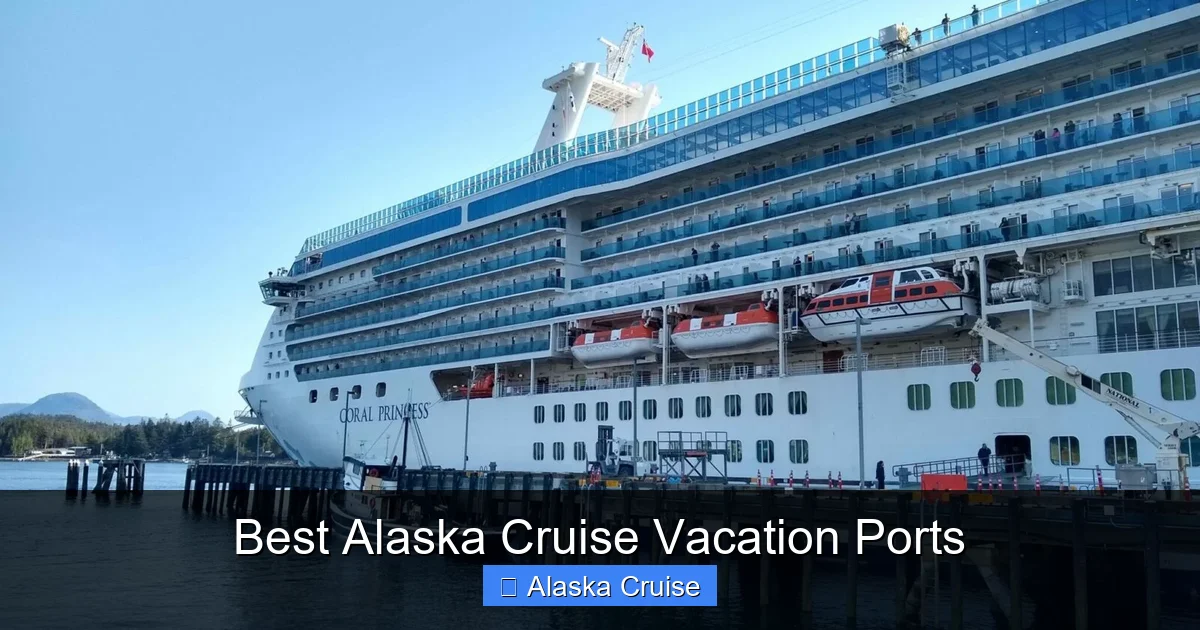
Visual guide about Best Alaska Cruise Vacation Ports
Image source: i.pinimg.com
Nestled between towering peaks and the Gastineau Channel, Juneau is Alaska’s only state capital that can’t be reached by road. This isolation has preserved its rugged charm and made it a favorite among cruise travelers. As your ship docks, you’ll be greeted by a mix of colorful storefronts, historic buildings, and the ever-present backdrop of snow-dusted mountains.
Top Attractions in Juneau
One of Juneau’s crown jewels is the Mendenhall Glacier, a 13-mile-long river of ice that flows from the Juneau Icefield. Just a short shuttle ride from the cruise terminal, the glacier offers boardwalk trails, viewing platforms, and even a visitor center with interactive exhibits. For the adventurous, guided glacier hikes and ice climbing tours let you walk on ancient ice—just be sure to go with a certified guide for safety.
Another must-see is the Alaska State Museum, which showcases the state’s natural history, Indigenous cultures, and Russian colonial past. It’s a great way to dive deeper into Alaska’s story, especially if the weather turns rainy.
Wildlife and Outdoor Adventures
Juneau is a hotspot for wildlife. Take a whale-watching tour and you might spot humpback whales feeding, sea lions lounging on rocks, or even orcas slicing through the waves. Many tours include a naturalist guide who shares fascinating facts about the local ecosystem.
For those who love the water, kayaking in the calm waters near Auke Bay offers a peaceful way to explore the coastline. Paddle past bald eagles, harbor seals, and maybe even a curious sea otter. If you’re feeling bold, try a zipline canopy tour through the rainforest—just a few miles from downtown.
Local Eats and Shopping
Don’t leave Juneau without trying some fresh Alaskan seafood. Local favorites include king crab legs, halibut tacos, and smoked salmon. Restaurants like The Hangar on the Wharf and Tracy’s King Crab Shack are cruise passenger favorites.
For souvenirs, check out the shops along Franklin Street. You’ll find handmade Native art, local jams, and Alaskan-made crafts. Just remember: Juneau has limited hours for alcohol sales, so plan accordingly if you’re picking up a bottle of local spirits.
Ketchikan: The Salmon Capital of the World
Known as the “Gateway to the Tongass National Forest,” Ketchikan is Alaska’s fourth-largest city by population but feels more like a quaint fishing village. With its steep streets, colorful buildings, and iconic Creek Street—built over the water on stilts—Ketchikan offers a charming mix of history and natural beauty.
Exploring Indigenous Culture
Ketchikan is deeply rooted in Tlingit, Haida, and Tsimshian cultures. One of the best ways to experience this heritage is at the Totem Heritage Center, which houses one of the largest collections of original 19th-century totem poles in the world. The center also offers cultural demonstrations, including traditional dancing and storytelling.
Another cultural highlight is the Ketchikan Creek Indian Village, where you can walk among restored totem poles and learn about the significance of these towering carvings. Many cruise lines offer guided cultural tours that include visits to Native art studios and performances.
Outdoor Adventures and Wildlife
Ketchikan is surrounded by lush rainforest and pristine waterways, making it a paradise for outdoor lovers. Take a floatplane tour to Misty Fjords National Monument, where dramatic cliffs rise 3,000 feet from the water and waterfalls cascade down moss-covered slopes. It’s one of the most photographed landscapes in Alaska.
For a more grounded adventure, try a guided rainforest hike. Trails like the Deer Mountain Trail offer panoramic views of the city and surrounding islands. Keep an eye out for black bears, Sitka deer, and a variety of birds.
Fishing and Seafood
As the self-proclaimed “Salmon Capital of the World,” Ketchikan is a dream destination for anglers. Many cruise passengers book fishing charters to try their hand at catching king, coho, or sockeye salmon. Even if you’re not fishing, you can watch local boats unload their catch at the docks and sample fresh seafood at waterfront restaurants.
Don’t miss the chance to try a “fish bomb” at a local eatery—deep-fried salmon stuffed with cream cheese and spices. It’s a local specialty that’s as fun to eat as it is delicious.
Skagway: Where the Gold Rush Lives On
Stepping off the ship in Skagway feels like traveling back in time. This historic port town was the main gateway for prospectors during the Klondike Gold Rush of the late 1800s. Today, its wooden boardwalks, false-front buildings, and period costumes keep that era alive.
Historic Sites and Museums
Start your visit at the Klondike Gold Rush National Historical Park Visitor Center, where exhibits and ranger talks bring the gold rush to life. You’ll learn about the treacherous journey over the Chilkoot Trail and the hardships faced by stampeders.
Walk down Broadway Street and you’ll see restored buildings like the Arctic Brotherhood Hall, famous for its driftwood facade. The Red Onion Saloon, once a brothel, now serves up cocktails and bawdy tales from the past.
The White Pass and Yukon Route Railway
No visit to Skagway is complete without a ride on the White Pass and Yukon Route Railway. This narrow-gauge railroad climbs 2,865 feet in just 20 miles, offering breathtaking views of waterfalls, canyons, and alpine scenery. The train follows the same route used by gold seekers, and the journey is narrated with stories of courage and survival.
For a different perspective, take a scenic helicopter tour that soars over the mountains and glaciers. It’s a splurge, but the views are unforgettable.
Adventure Activities
Skagway is also a hub for outdoor adventure. Try a dog sledding tour on a glacier—yes, you can actually mush across the ice! Or take a guided ATV tour through the backcountry, exploring old mining trails and hidden valleys.
If you’re visiting in summer, don’t miss the daily performance of “The Days of ’98 Show,” a humorous and lively reenactment of gold rush life. It’s cheesy, but in the best way possible.
Glacier Bay National Park: A Natural Wonder
While not a traditional “port” with shops and restaurants, Glacier Bay is one of the most awe-inspiring stops on any Alaska cruise. This UNESCO World Heritage Site spans over 3.3 million acres and is home to some of the most active glaciers in North America.
Witnessing Glacier Calving
As your ship navigates the bay, you’ll pass massive glaciers like Margerie and Lamplugh. The real show begins when a chunk of ice breaks off—a process called calving. The sound is thunderous, and the splash can send waves across the water. It’s a reminder of nature’s raw power.
Park rangers often come aboard to give presentations and answer questions. They’ll point out wildlife like harbor seals, sea otters, and even the occasional brown bear along the shoreline.
Wildlife Viewing
Glacier Bay is a haven for marine life. Humpback whales are common, often feeding in the nutrient-rich waters. You might also spot orcas, porpoises, and Dall’s sheep on the cliffs. Birdwatchers will love the chance to see puffins, bald eagles, and kittiwakes.
Respect the Environment
Because Glacier Bay is a protected wilderness area, ships follow strict guidelines to minimize impact. There are no landings allowed, and ships move slowly to reduce noise. This ensures that future generations can experience the same wonder.
Hubbard Glacier: The Ice Giant
At over 76 miles long and up to 700 feet tall, Hubbard Glacier is one of the largest tidewater glaciers in North America. When your ship approaches, you’ll see a wall of ice stretching across the bay, glowing blue in the sunlight.
The Calving Spectacle
Hubbard Glacier is known for its dramatic calving events. Large sections of ice break off and crash into the water, creating icebergs that float away. These events can happen without warning, so keep your camera ready.
Photography Tips
For the best photos, head to the ship’s upper decks early in the morning when the light is soft. Use a polarizing filter to reduce glare off the water and enhance the glacier’s blue hues. A telephoto lens will help you capture details from a distance.
Weather Considerations
Temperatures near the glacier can be chilly, even in summer. Dress in layers and bring a waterproof jacket. The air near the ice can feel much colder due to the wind chill.
Icy Strait Point: Adventure and Wildlife
Owned by the Huna Totem Corporation, Icy Strait Point is a private cruise port designed to showcase Alaska’s natural beauty and Indigenous culture. Located on Chichagof Island, it’s a favorite for families and adventure seekers.
Zip-lining and Bear Viewing
One of the most popular activities is the Great Alaskan Zip Line, which sends you soaring over the Tongass rainforest. It’s thrilling but safe, with trained guides and top-notch equipment.
For wildlife lovers, the bear viewing tours are a must. Guides take you to prime spots along the river where brown bears come to fish for salmon. It’s a rare chance to see these majestic animals in their natural habitat.
Whale Watching and Kayaking
Icy Strait Point is one of the best places in Alaska to see humpback whales. Many tours guarantee a sighting—or your next tour is free. Kayaking tours let you paddle through calm waters and explore hidden coves.
Cultural Experiences
The port also features a cultural center with Tlingit art, storytelling, and traditional dance performances. You can even try your hand at carving a small totem pole to take home.
Tips for Making the Most of Your Alaska Cruise Ports
Book Excursions Early
Popular tours—like glacier hikes, whale watching, and train rides—sell out quickly. Book through your cruise line or a trusted third-party provider as soon as your itinerary is confirmed.
Dress in Layers
Alaska’s weather can change fast. Even in summer, temperatures can range from 40°F to 70°F. Pack a waterproof jacket, warm layers, and sturdy shoes.
Bring Binoculars
Wildlife is often spotted at a distance. A good pair of binoculars will enhance your experience, especially during glacier viewing and whale watching.
Respect Local Cultures
When visiting Indigenous communities, be respectful. Ask before taking photos of people, and support local artisans by purchasing authentic crafts.
Stay Flexible
Weather and sea conditions can affect port arrivals. Be prepared for changes in your itinerary, and focus on enjoying the journey.
Conclusion
An Alaska cruise vacation is more than a trip—it’s a journey into the heart of the wild. Each port offers a unique window into Alaska’s natural wonders, rich history, and vibrant cultures. From the icy grandeur of Glacier Bay to the gold rush charm of Skagway, these stops create memories that last a lifetime.
Whether you’re hiking on a glacier, learning about Tlingit traditions, or simply soaking in the views from your ship’s deck, Alaska’s cruise ports deliver experiences that are both awe-inspiring and deeply personal. With thoughtful planning and an open mind, your Alaska adventure will be nothing short of extraordinary.
So pack your bags, grab your camera, and get ready to explore the best Alaska cruise vacation ports. The Last Frontier is waiting.
Frequently Asked Questions
What is the best time to visit Alaska cruise vacation ports?
The best time for an Alaska cruise is from late May to early September. During this period, the weather is milder, wildlife is active, and daylight hours are long—up to 18 hours in June. July and August are peak months, so book early to secure your preferred itinerary.
Are Alaska cruise ports wheelchair accessible?
Many ports have made efforts to improve accessibility, but terrain can be challenging. Juneau and Ketchikan offer some accessible paths and tours, while Skagway’s historic boardwalks may be difficult. Check with your cruise line for accessible excursion options and port facilities.
Can I see the Northern Lights on an Alaska cruise?
The Northern Lights are rarely visible during the summer cruise season due to nearly constant daylight. For aurora viewing, consider a fall or winter cruise, though these are less common and may not visit the same ports.
Do I need a passport for an Alaska cruise?
If your cruise begins and ends in the same U.S. port (like Seattle or Vancouver), a passport is not required—but it’s highly recommended. If your itinerary includes foreign ports (like Victoria, BC), a passport is mandatory.
What wildlife can I expect to see at Alaska cruise ports?
You may spot humpback whales, orcas, sea lions, bald eagles, brown bears, and Dall’s sheep. Wildlife sightings vary by season and location, but most passengers see several species during their trip.
Are there shopping opportunities at Alaska cruise ports?
Yes, each port offers unique shopping. Look for Native art, local seafood, Alaskan-made crafts, and souvenirs. Juneau and Ketchikan have the most variety, while Skagway focuses on gold rush-themed items.