Choosing the best Alaska cruise small ship means trading crowded decks for up-close wildlife encounters, expert-led excursions, and access to remote ports big ships can’t reach. These intimate voyages offer a more personal, immersive Alaskan experience with fewer passengers and greater flexibility.
Dreaming of glaciers calving into icy waters, bald eagles soaring above misty fjords, and humpback whales breaching just feet from your deck? An Alaska cruise is one of the most breathtaking ways to experience the Last Frontier—but not all cruises are created equal. While mega-ships offer flashy entertainment and endless dining options, they often miss the soul of Alaska: its raw, untamed wilderness and intimate connection with nature.
That’s where the best Alaska cruise small ship experiences shine. These nimble vessels, typically carrying fewer than 200 passengers, glide through narrow channels, anchor in secluded bays, and bring you face-to-face with Alaska’s wonders in ways larger ships simply can’t match. Think of it as the difference between watching a nature documentary and stepping into the film itself. With fewer people, more personalized service, and itineraries designed for discovery, small ship Alaska cruises offer a deeper, more meaningful adventure.
Whether you’re a wildlife enthusiast, a photography buff, or simply someone who values quiet moments in stunning landscapes, a small ship cruise delivers. You’ll wake up to views of snow-capped peaks reflected in glassy waters, enjoy gourmet meals featuring local seafood, and learn from onboard naturalists who bring Alaska’s ecosystems to life. It’s not just a vacation—it’s a journey into the heart of one of the world’s last great wildernesses.
Key Takeaways
- Intimate Experience: Small ships carry 50–200 passengers, allowing for personalized service and quieter, more relaxed onboard atmosphere.
- Access to Remote Areas: Navigate narrow fjords, hidden coves, and lesser-known ports like Wrangell or Hoonah that large cruise liners can’t access.
- Wildlife Viewing: Get closer to whales, sea lions, bears, and eagles with expert naturalists on board and Zodiac excursions.
- Expert-Led Shore Excursions: Enjoy guided hikes, kayaking, and cultural tours led by local guides and marine biologists.
- Flexible Itineraries: Small ships can adjust routes based on weather and wildlife sightings, maximizing your chances of unforgettable moments.
- Higher Price Point, Greater Value: While more expensive per day, small ship cruises often include premium amenities, all meals, and most excursions.
- Eco-Friendly Options: Many small ship operators prioritize sustainability and low environmental impact, appealing to conscious travelers.
📑 Table of Contents
Why Choose a Small Ship for Your Alaska Cruise?
When most people think of Alaska cruises, they picture massive floating cities with Broadway-style shows, multiple pools, and thousands of passengers. And while those ships have their appeal, they often feel disconnected from the very nature they’re showcasing. Small ship cruises, on the other hand, are built for immersion.
One of the biggest advantages is access. Large cruise ships are limited to major ports like Juneau, Ketchikan, and Skagway. But small ships can sail into smaller, less-visited communities such as Petersburg, Wrangell, and Hoonah. These towns offer a more authentic glimpse into Alaskan life, with local artisans, native cultures, and fewer crowds. You might dock in a quiet harbor, step off the gangway, and be greeted by a local fisherman offering fresh salmon—something you’d never experience on a mega-ship.
Another key benefit is flexibility. Weather in Alaska can be unpredictable, and wildlife doesn’t follow a schedule. Small ships can alter their routes in real time to chase whale sightings, avoid storms, or linger near a calving glacier. This adaptability means you’re more likely to see the highlights—and experience them up close.
And let’s talk about space. On a small ship, you won’t be jostling for a spot at the rail or waiting in line for the buffet. With fewer passengers, there’s more room to breathe, relax, and truly soak in the scenery. Whether you’re sipping coffee on your private balcony or chatting with the captain on the bridge, the experience feels personal and unhurried.
The Intimacy Factor
There’s something magical about being one of only 100 people on a ship gliding through Tracy Arm Fjord. You’re not just a passenger—you’re part of a small community sharing an extraordinary journey. Crew members learn your name, the chef remembers your dietary preferences, and the naturalists share stories that make the landscape come alive.
This intimacy extends to shore excursions. Instead of joining a group of 50 on a crowded bus, you might paddle a kayak in a quiet cove with just a guide and a few fellow travelers. Or join a small hiking group to explore a moss-covered rainforest trail with a local Tlingit elder sharing ancestral stories.
It’s this sense of connection—to nature, to culture, and to each other—that makes small ship Alaska cruises so special. You’re not just passing through Alaska; you’re experiencing it.
Top Small Ship Cruise Lines in Alaska
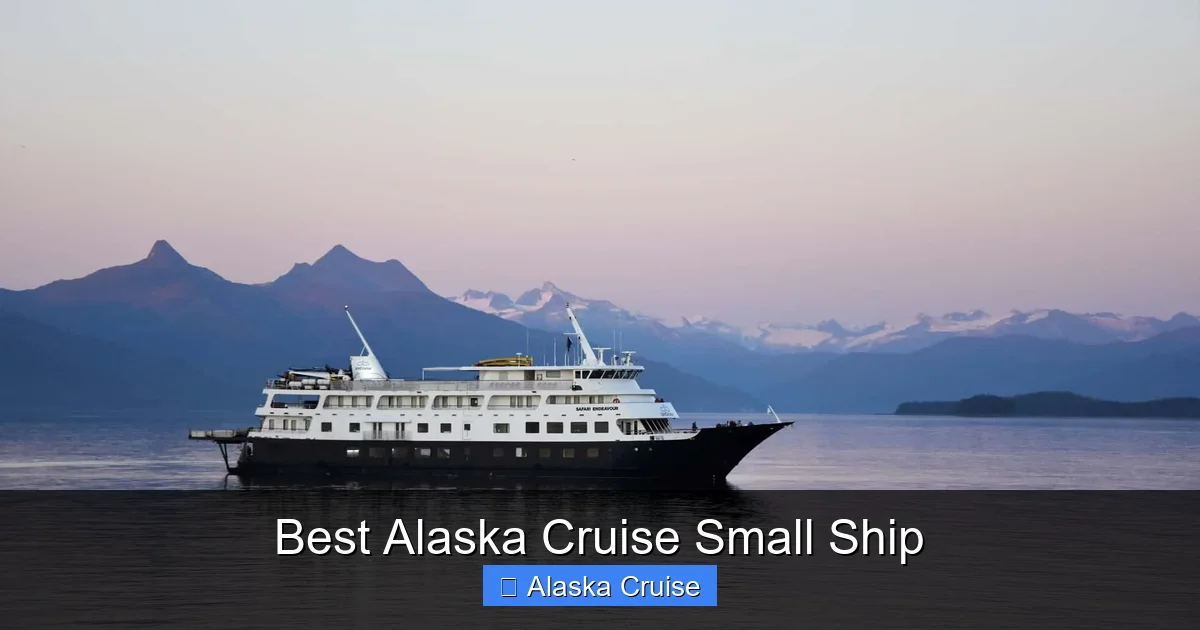
Visual guide about Best Alaska Cruise Small Ship
Image source: alaskauncharted.com
Not all small ship cruise lines are the same. Some focus on luxury, others on adventure, and a few on cultural immersion. Here are some of the best operators offering unforgettable Alaska small ship experiences.
UnCruise Adventures
UnCruise is a favorite among adventure seekers. Their fleet of small ships—ranging from 22 to 86 passengers—specializes in active, nature-focused itineraries. Think kayaking among icebergs, hiking to alpine meadows, and snorkeling in cold-water kelp forests (yes, really!).
What sets UnCruise apart is their commitment to fun and flexibility. Their “adventure guides” are often former park rangers or marine biologists who lead excursions with enthusiasm and expertise. They also offer unique experiences like beach bonfires, polar plunges, and stargazing sessions.
One popular route is the “Alaska’s Inside Passage” itinerary, which explores Glacier Bay, Tracy Arm, and the Tongass National Forest. With a focus on wildlife and outdoor activities, UnCruise is perfect for travelers who want to do more than just look at Alaska—they want to experience it.
Lindblad Expeditions–National Geographic
In partnership with National Geographic, Lindblad offers some of the most educational and visually stunning Alaska cruises available. Their ships, like the National Geographic Quest and Venture, carry around 100 passengers and are equipped with tools for exploration: hydrophones to listen to whale songs, video microscopes to examine plankton, and Zodiacs for up-close wildlife encounters.
Lindblad’s strength lies in their expert team. Naturalists, photographers, and even National Geographic photographers join voyages to share insights and help guests capture the perfect shot. Their itineraries often include visits to remote research stations and opportunities to meet with scientists studying climate change in the Arctic.
If you’re passionate about learning and photography, Lindblad is a top choice. Their “Alaska’s Coastal Wilderness” cruise, for example, combines glacier viewing, bear watching in Admiralty Island, and cultural exchanges with native communities.
American Queen Voyages (formerly Victory Cruise Lines)
American Queen Voyages offers a more traditional small ship experience with a touch of elegance. Their ships, like the MV Victory I and II, carry around 185 passengers and feature spacious staterooms, fine dining, and live entertainment.
What makes them stand out is their focus on history and culture. Their Alaska itineraries often include visits to historic gold rush towns, museums, and native heritage centers. They also offer unique shore excursions like dog sledding on a glacier or flying over the Juneau Icefield in a bush plane.
While not as adventure-heavy as UnCruise or as science-focused as Lindblad, American Queen Voyages provides a well-rounded, comfortable experience for travelers who appreciate a blend of relaxation and discovery.
Alaska Dream Cruises
For a truly local experience, Alaska Dream Cruises is hard to beat. This Alaska-based company operates small ships that feel more like floating bed-and-breakfasts than cruise liners. Their vessels, such as the Admiralty Dream and the Alaskan Dream, carry fewer than 100 passengers and are designed for comfort and connection.
What sets them apart is their deep ties to Alaskan communities. Many of their crew members are locals who share personal stories and insider knowledge. Their itineraries often include visits to small fishing villages, native cultural centers, and family-owned lodges.
One standout feature is their “Alaska Lifestyle” program, which offers hands-on experiences like salmon fishing, berry picking, and traditional Tlingit craft workshops. It’s a great option for travelers who want to go beyond sightseeing and truly engage with Alaskan culture.
What to Expect Onboard a Small Ship Alaska Cruise
So, what’s life like on one of these intimate vessels? While each cruise line has its own style, there are some common elements that define the small ship Alaska experience.
Cabin Comfort and Amenities
Don’t expect sprawling suites with private butlers—small ship cabins are cozy but well-designed. Most offer ocean views, comfortable beds, and en-suite bathrooms. Some higher-end lines include balconies, though space is often limited.
What you will find is thoughtful design. Cabins are typically quiet, with soundproofing to minimize engine noise. Storage is smartly organized, and many ships offer complimentary robes, toiletries, and even binoculars for wildlife watching.
One tip: book early for the best cabin locations. Midship cabins tend to be the most stable, while forward cabins offer the best views—but also the most motion in rough seas.
Dining and Cuisine
Small ship dining is a highlight. With fewer passengers, chefs can focus on quality over quantity. Menus often feature locally sourced ingredients—think fresh halibut, Dungeness crab, and wild berries—prepared with creativity and care.
Many ships offer open seating, so you can dine with different people each night and make new friends. Some even host themed dinners, like a “Taste of Alaska” night with regional dishes and live music.
Dietary restrictions? No problem. Most small ship lines accommodate vegetarian, gluten-free, and other special diets with advance notice.
Onboard Activities and Entertainment
Forget rock climbing walls and ice skating rinks. Small ship entertainment is low-key and nature-focused. Evenings might include a lecture by the onboard naturalist, a stargazing session on deck, or a live folk music performance.
During the day, you’ll have plenty to do: wildlife watching from the bow, attending a photography workshop, or relaxing in the library with a book about Alaskan history. Some ships even offer yoga classes or wellness seminars.
The real entertainment, of course, is outside. Whether it’s watching a glacier calve or spotting a pod of orcas, the scenery is the star of the show.
Best Itineraries for Small Ship Alaska Cruises
Alaska’s coastline is vast and varied, and the best itinerary for you depends on your interests. Here are a few standout routes that showcase the diversity of the region.
The Inside Passage: Classic and Scenic
This is the most popular route, stretching from Seattle or Vancouver up through British Columbia and into Alaska. It’s ideal for first-time visitors who want to see glaciers, wildlife, and charming coastal towns.
Highlights include:
– Glacier Bay National Park: A UNESCO World Heritage Site with towering ice walls and abundant marine life.
– Tracy Arm or Endicott Arm: Narrow fjords where you can get close to active glaciers.
– Juneau: Alaska’s capital, accessible only by boat or plane, with opportunities for whale watching and hiking.
– Ketchikan: Known as the “Salmon Capital of the World,” with totem poles and native culture.
Small ships can navigate these waters with ease, often anchoring in quieter spots than large cruise liners.
The Gulf of Alaska: Wild and Remote
For a more rugged experience, consider a Gulf of Alaska itinerary. These cruises often start in Seward or Whittier and head west toward Kodiak or the Kenai Fjords.
Highlights include:
– Kenai Fjords National Park: Home to massive tidewater glaciers and sea otters.
– Kodiak Island: Known for its brown bears and remote wilderness.
– Prince William Sound: A pristine area with calving glaciers and abundant marine life.
This route is perfect for travelers who want to explore less-visited areas and enjoy outdoor adventures like kayaking and hiking.
The Arctic Circle: Extreme and Unforgettable
For the ultimate adventure, some small ships venture north of the Arctic Circle. These expeditions are longer (10–14 days) and more expensive, but the rewards are unparalleled.
Highlights include:
– Point Barrow: The northernmost point in the U.S.
– Arctic wildlife: Polar bears, walruses, and migratory birds.
– Indigenous communities: Learn about Iñupiat culture and traditions.
These cruises are operated by specialized expedition companies and require a higher level of physical fitness and preparation.
Tips for Choosing the Best Alaska Cruise Small Ship
With so many options, how do you pick the right one? Here are some practical tips to help you decide.
Consider Your Travel Style
Are you an adventurer who wants to kayak among icebergs? A culture lover eager to meet native elders? Or a relaxation seeker who wants to sip tea while watching whales?
Match your personality to the cruise line. UnCruise is great for active travelers, Lindblad for learners, and Alaska Dream for cultural immersion.
Check the Season
Alaska’s cruise season runs from May to September. Each month offers something different:
– May–June: Fewer crowds, blooming wildflowers, and active wildlife.
– July–August: Peak season with long days and warm weather—but also more tourists.
– September: Cooler temperatures, fall colors, and higher chances of seeing the northern lights.
Choose based on your preferences for weather and crowd levels.
Read Reviews and Ask Questions
Look for recent passenger reviews on sites like Cruise Critic or TripAdvisor. Pay attention to comments about food, service, and wildlife sightings.
Don’t hesitate to call the cruise line and ask questions. How many Zodiacs do they have? Are excursions included? What’s the crew-to-passenger ratio?
Book Early and Consider Travel Insurance
Small ship cabins fill up fast, especially on popular itineraries. Book at least 6–12 months in advance for the best selection.
Also, consider travel insurance. Alaska weather can be unpredictable, and flights to remote ports can be delayed. Insurance can protect your investment.
Pack Smart
Alaska weather is famously changeable. Pack layers, waterproof gear, and sturdy shoes. Don’t forget binoculars, a good camera, and motion sickness remedies if needed.
Many ships provide rain gear and boots, but it’s smart to bring your own just in case.
Conclusion
An Alaska cruise on a small ship isn’t just a trip—it’s a transformation. It’s the kind of journey that stays with you long after you’ve returned home, etched into your memory like the jagged peaks of a glacier.
You’ll trade crowded decks for quiet moments on a Zodiac, buffet lines for gourmet meals featuring local catch, and generic tours for personal encounters with nature and culture. Whether you’re watching a humpback whale breach in Glacier Bay, hiking through a mossy rainforest with a Tlingit guide, or sipping coffee as the sun rises over a frozen fjord, you’ll feel a deep connection to this wild, beautiful land.
The best Alaska cruise small ship experience is about more than sightseeing. It’s about slowing down, opening your senses, and letting Alaska reveal itself to you—one breathtaking moment at a time.
So if you’re ready to trade the ordinary for the extraordinary, set sail on a small ship and discover Alaska the way it was meant to be seen: up close, personal, and unforgettable.
Frequently Asked Questions
What is the best time of year for a small ship Alaska cruise?
The best time depends on your preferences. May and June offer fewer crowds and active wildlife, July and August have the warmest weather and longest days, and September brings fall colors and a chance to see the northern lights.
Are small ship Alaska cruises more expensive than large ship cruises?
Yes, small ship cruices typically cost more per day due to their intimate size, personalized service, and included amenities. However, many travelers find the value—through expert guides, unique excursions, and premium experiences—well worth the price.
Do small ships get seasick in Alaska’s waters?
Alaska’s Inside Passage is generally calm, but weather can change quickly. Small ships may feel more motion in rough conditions. If you’re prone to seasickness, choose a midship cabin and consider medication or natural remedies.
Are shore excursions included in small ship Alaska cruises?
Many small ship lines include most or all shore excursions in the fare, especially Zodiac tours, kayaking, and guided hikes. Always check the cruise details to confirm what’s included.
Can I see wildlife on a small ship Alaska cruise?
Absolutely. Small ships often get closer to wildlife due to their size and flexible itineraries. With expert naturalists on board, your chances of seeing whales, bears, eagles, and sea lions are very high.
Are small ship Alaska cruises family-friendly?
Some are, but it depends on the cruise line. UnCruise and Lindblad offer family programs with activities for kids, while others cater more to adults. Check age policies and onboard amenities before booking.