Planning an Alaska cruise? A detailed best Alaska cruise ports map is your key to unlocking the state’s most stunning destinations. From glaciers and wildlife to charming towns and native culture, this guide highlights the must-see ports and insider tips to make your journey unforgettable.
Key Takeaways
- Juneau offers glacier hikes and whale watching: As Alaska’s capital, Juneau is accessible only by air or sea and features iconic attractions like Mendenhall Glacier and Mount Roberts Tramway.
- Ketchikan is the gateway to Tongass National Forest: Known as the “Salmon Capital of the World,” Ketchikan blends rich Indigenous culture with lush rainforests and historic Creek Street.
- Skagway brings Gold Rush history to life: This well-preserved frontier town offers scenic train rides on the White Pass & Yukon Route and access to the Chilkoot Trail.
- Glacier Bay National Park is a UNESCO site: A highlight for many cruises, this protected area showcases massive glaciers, marine wildlife, and dramatic fjords.
- Hubbard Glacier is one of the largest tidewater glaciers: Cruises often sail close to this active glacier, where calving events create thunderous splashes and icebergs.
- Customize your experience with shore excursions: From dog sledding on glaciers to kayaking among icebergs, each port offers unique adventures tailored to different interests.
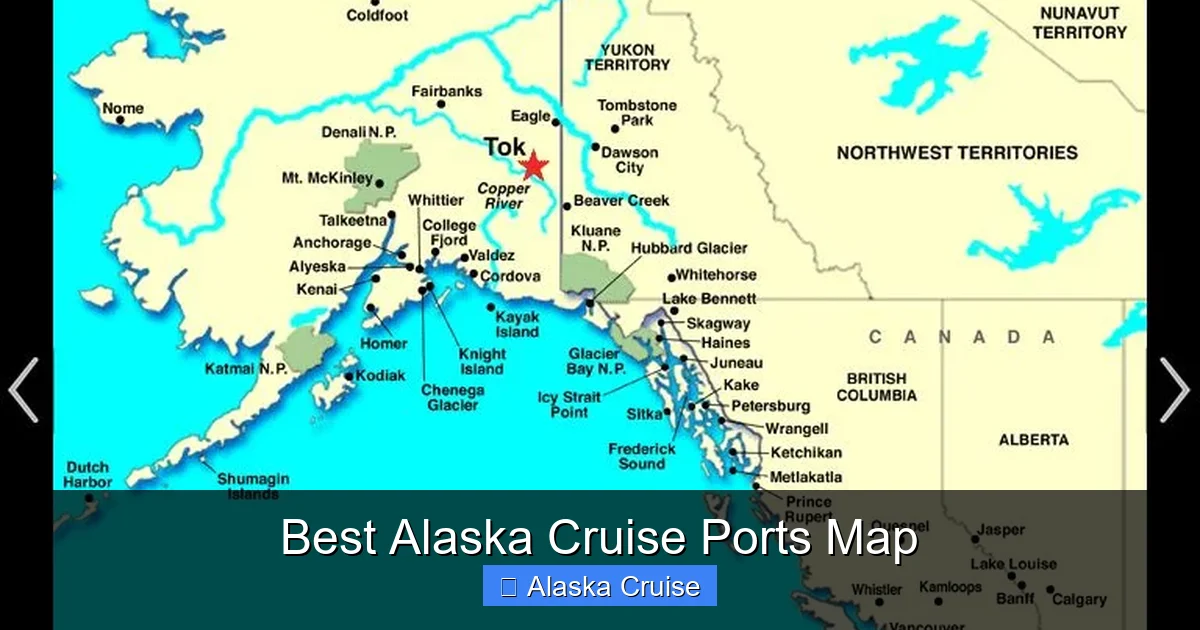
- A cruise ports map enhances trip planning: Visualizing your route helps you understand distances, timing, and what to expect at each stop.
📑 Table of Contents
Why a Best Alaska Cruise Ports Map Matters
So, you’ve decided to take an Alaska cruise—congratulations! You’re in for one of the most breathtaking journeys on Earth. But with so many stunning destinations along the Inside Passage and beyond, it’s easy to feel overwhelmed. That’s where a detailed best Alaska cruise ports map comes in. Think of it as your visual travel companion, helping you understand the geography, plan your excursions, and set realistic expectations for each stop.
Alaska’s coastline is rugged, remote, and wildly beautiful. Unlike cruising in the Caribbean or Mediterranean, Alaska’s ports are often small towns nestled between towering mountains and icy waters. Many are accessible only by boat or plane, which adds to their charm—and their logistical complexity. A good map doesn’t just show you where you’re going; it helps you appreciate the scale of the journey. You’ll see how far apart ports are, how long it takes to travel between them, and which natural wonders lie just off the ship’s path.
Whether you’re a first-time cruiser or a seasoned traveler, having a clear understanding of the route enhances your experience. You’ll know when to grab your camera for a glacier sighting, when to bundle up for a rainforest hike, or when to relax with a warm drink as the ship glides through serene fjords. Plus, a map helps you compare different cruise itineraries. Some lines focus on the classic Inside Passage loop, while others venture further north to Hubbard Glacier or even cross the Gulf of Alaska. Knowing the layout helps you choose the right cruise for your interests.
Top Alaska Cruise Ports You Can’t Miss
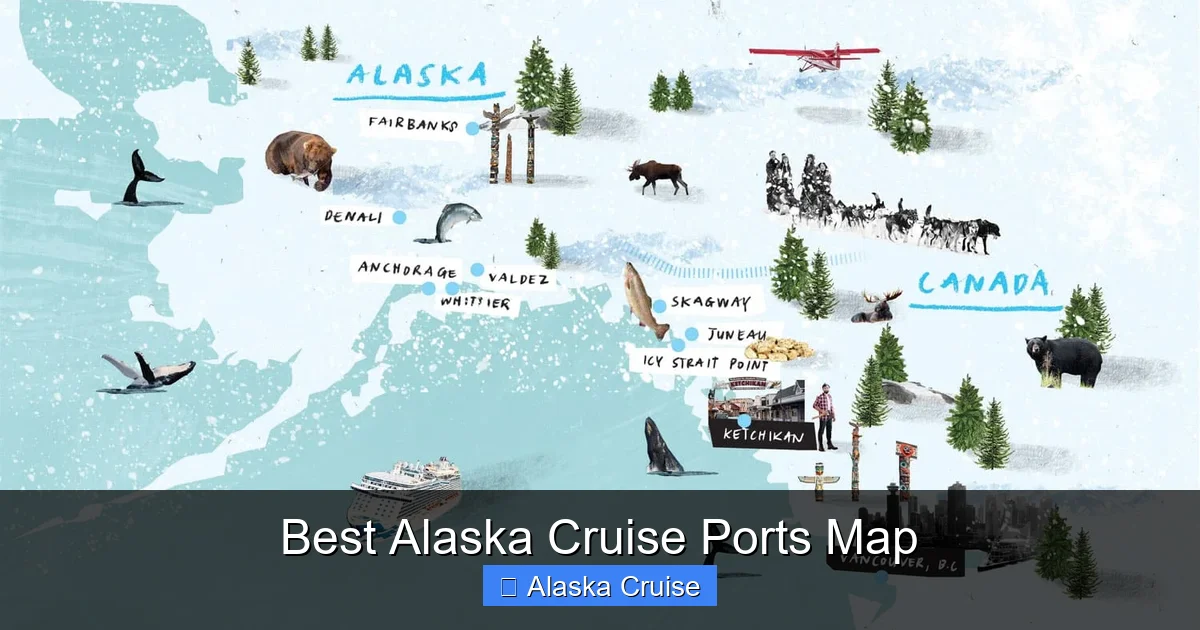
Visual guide about Best Alaska Cruise Ports Map
Image source: cruisepassenger.com.au
Alaska’s cruise ports are as diverse as the state itself. Each stop offers a unique blend of natural beauty, cultural heritage, and adventure. Let’s dive into the most popular ports you’ll likely encounter on a typical Alaska cruise itinerary.
Juneau: The Capital City with Wild Heart
Tucked away in the heart of the Inside Passage, Juneau is Alaska’s capital—and one of its most captivating ports. What makes Juneau special? For starters, it’s one of the few state capitals in the U.S. that you can’t reach by road. You have to fly in or arrive by boat, which instantly sets a tone of adventure.
Once you dock, you’re greeted by the sight of snow-capped peaks and the sound of rushing water. The city itself is compact and walkable, with colorful buildings climbing the hillsides. But the real magic lies just beyond the town limits.
One of Juneau’s crown jewels is the Mendenhall Glacier, a massive river of ice that flows from the Juneau Icefield. It’s only about 12 miles from downtown, making it one of the most accessible glaciers in Alaska. Visitors can walk along well-maintained trails, cross a suspension bridge over Nugget Falls, and even take a guided glacier hike or ice climbing tour. For a bird’s-eye view, hop on the Mount Roberts Tramway, which whisks you up 1,800 feet to a nature center with panoramic views of the city and surrounding wilderness.
Whale watching is another Juneau highlight. Humpback whales, orcas, and even gray whales frequent these waters, especially from May to September. Many tours launch from the harbor, offering close encounters with these majestic creatures. If you’re lucky, you might even see a whale breach right beside the boat!
For culture lovers, the Alaska State Museum and the Juneau-Douglas City Museum offer insights into the region’s Indigenous Tlingit heritage, Russian influence, and Gold Rush past. Don’t miss the chance to try local seafood—Juneau is famous for its fresh king salmon and Dungeness crab.
Ketchikan: Rainforest, Salmon, and Native Culture
Welcome to Ketchikan, the self-proclaimed “Salmon Capital of the World.” Located on Revillagigedo Island, this charming port is surrounded by the Tongass National Forest—the largest national forest in the U.S. If you love lush greenery, misty skies, and the scent of pine, Ketchikan will feel like a dream.
The town’s most iconic landmark is Creek Street, a historic boardwalk built over Ketchikan Creek in the early 1900s. Once a rowdy red-light district during the fishing boom, it’s now lined with quaint shops, art galleries, and cafes. You can walk the entire length of the creek, spotting salmon swimming upstream during spawning season.
Ketchikan is also a hub for Indigenous culture. The Tlingit, Haida, and Tsimshian peoples have lived in this region for thousands of years, and their art, language, and traditions are proudly showcased. Visit the Totem Heritage Center to see restored 19th-century totem poles, or take a guided tour to the Potlatch Totem Park, where master carvers demonstrate their craft.
For outdoor enthusiasts, Ketchikan offers endless opportunities. Kayak through Misty Fjords National Monument, where sheer cliffs rise 3,000 feet from the water. Take a floatplane tour to remote lakes and waterfalls. Or go on a fishing charter—whether you’re a seasoned angler or a beginner, catching your own salmon is an unforgettable experience.
And yes, you should definitely try the seafood. From fish tacos to cedar-plank salmon, Ketchikan’s restaurants serve up some of the freshest catches in Alaska.
Skagway: Step Back into the Gold Rush Era
If you’ve ever dreamed of stepping into a Wild West movie, Skagway is the place to do it. This tiny town, with a population of just over 1,000, was once a bustling hub during the Klondike Gold Rush of the late 1800s. Today, it’s a beautifully preserved National Historic Landmark, with wooden sidewalks, false-front buildings, and costumed interpreters bringing history to life.
One of Skagway’s biggest draws is the White Pass & Yukon Route Railway. This narrow-gauge steam train climbs 2,865 feet in just 20 miles, winding through steep cliffs, cascading waterfalls, and tunnels carved into solid rock. The journey takes about 3.5 hours round-trip and offers jaw-dropping views of the surrounding mountains. It’s often called the “Gateway to the Klondike” and is a must-do for any visitor.
For hikers, the Chilkoot Trail is legendary. This 33-mile historic trail was used by prospectors during the Gold Rush, and today, you can hike a portion of it with a guide. The trail follows the path of the “Golden Stairs,” a steep section where stampeders hauled thousands of pounds of supplies over the mountains. Even a short hike gives you a sense of the hardship and determination of those early miners.
Skagway also offers dog sledding experiences, gold panning lessons, and visits to the Klondike Gold Rush National Historical Park. And if you’re feeling adventurous, take a zipline tour through the forest canopy or go on a helicopter ride over the glaciers.
Despite its small size, Skagway packs a big punch. It’s a place where history, adventure, and stunning scenery come together in perfect harmony.
Glacier Bay National Park: A UNESCO World Heritage Site
Not all Alaska cruise ports are towns—some are natural wonders. Glacier Bay National Park and Preserve is one of the most spectacular stops on any Alaska cruise. This UNESCO World Heritage Site spans over 3.3 million acres and is home to some of the world’s most active glaciers.
As your ship enters the bay, you’ll be greeted by towering ice walls, deep blue waters, and the occasional thunderous crack as chunks of glacier calve into the sea. The park is a living laboratory of glacial activity, with glaciers advancing and retreating in response to climate changes.
Wildlife is abundant here. Keep your eyes peeled for humpback whales, sea otters, harbor seals, and even brown bears along the shoreline. Birdwatchers will love spotting bald eagles, puffins, and marbled murrelets.
Because the park is protected, cruise ships must travel slowly and quietly to minimize environmental impact. Naturalists from the National Park Service often come aboard to provide commentary, sharing insights about the geology, ecology, and history of the area.
There are no roads or towns in Glacier Bay—just raw, untamed nature. It’s a humbling reminder of the power and beauty of the natural world.
Hubbard Glacier: One of the World’s Largest Tidewater Glaciers
If you’re lucky enough to cruise near the Gulf of Alaska, you might visit Hubbard Glacier, one of the largest and most active tidewater glaciers on the planet. Stretching over 7 miles wide and rising up to 400 feet above the water, this glacier is a force of nature.
Unlike many glaciers that are retreating, Hubbard has been advancing for decades. In fact, it’s so active that it occasionally blocks the entrance to Russell Fjord, creating a temporary lake. When the ice eventually breaks through, it causes a dramatic “glacial dam outburst flood.”
Cruise ships typically anchor a safe distance away, allowing passengers to observe the glacier from the deck. The experience is both serene and awe-inspiring. You’ll hear the constant cracking and groaning of the ice, and if you’re patient, you might witness a calving event—where a massive chunk of ice breaks off and crashes into the water, sending up a plume of spray.
The surrounding waters are rich with marine life. Look for seals lounging on icebergs, seabirds diving for fish, and possibly even a whale passing by.
Hubbard Glacier is a reminder that Alaska is still a wild, evolving landscape. It’s not just a sight to see—it’s a phenomenon to experience.
How to Use a Best Alaska Cruise Ports Map for Planning
Now that you know the top ports, let’s talk about how to use a best Alaska cruise ports map to plan your trip. A good map isn’t just a pretty picture—it’s a practical tool that can help you make the most of your cruise.
First, use the map to understand the geography of your route. Alaska’s coastline is long and winding, and ports can be hundreds of miles apart. A visual map helps you see the flow of your itinerary. Are you cruising the classic Inside Passage loop (Seattle or Vancouver to Juneau, Ketchikan, Skagway)? Or are you heading further north to Seward, Whittier, or even Anchorage?
Next, use the map to compare cruise lines and itineraries. Different companies offer different routes. Some focus on wildlife and glaciers, while others emphasize cultural experiences or luxury amenities. By mapping out the ports, you can see which cruise aligns with your interests.
The map also helps you plan shore excursions. Each port offers a range of activities, from gentle walks to extreme adventures. Knowing what’s available at each stop—and how much time you’ll have—helps you prioritize. For example, if you only have four hours in Ketchikan, you might choose a quick totem pole tour over a full-day kayaking trip.
Another benefit is managing expectations. Some ports, like Skagway, are small and walkable. Others, like Juneau, require transportation to reach major attractions. A map shows you the layout, so you’re not surprised when you need to take a shuttle or tram.
Finally, a map can help you prepare for weather and packing. Coastal Alaska is known for its rain and cool temperatures, even in summer. But conditions can vary by region. A map helps you see which areas are more exposed or mountainous, so you can pack accordingly.
Insider Tips for Making the Most of Your Alaska Cruise
An Alaska cruise is more than just a vacation—it’s an adventure. To get the most out of your trip, here are some insider tips from seasoned cruisers and locals.
Pack Smart: Layers Are Key
Alaska’s weather is unpredictable. It can be sunny and 70°F one moment, then foggy and 50°F the next. The golden rule? Layer up. Bring a waterproof jacket, warm fleece, moisture-wicking base layers, and sturdy walking shoes. Don’t forget gloves, a hat, and sunglasses—even on cloudy days, the reflection off the water and ice can be intense.
Book Shore Excursions Early
Popular tours—like dog sledding on a glacier or a helicopter tour—sell out quickly. Many cruise lines allow you to book excursions online before your trip. Do your research and reserve your top picks as soon as possible.
Bring Binoculars and a Good Camera
Wildlife and scenery are front and center in Alaska. Binoculars help you spot whales, bears, and eagles from a distance. And while your phone camera might work in good light, a DSLR or mirrorless camera with a zoom lens will capture the details of glaciers and mountains.
Try the Local Food
Alaska’s cuisine is all about fresh, local ingredients. Don’t leave without trying king salmon, halibut, or reindeer sausage. Many ports have food tours or farmers’ markets where you can sample regional specialties.
Respect the Environment
Alaska is a pristine wilderness. Follow the principles of Leave No Trace: pack out what you pack in, stay on marked trails, and observe wildlife from a distance. Remember, you’re a guest in their home.
Talk to the Crew and Naturalists
Cruise ships often have onboard naturalists or guest speakers who share fascinating insights about Alaska’s geology, wildlife, and culture. Attend their presentations—they’re usually free and incredibly informative.
Choosing the Right Cruise for Your Alaska Adventure
With so many cruise lines and itineraries, how do you choose the right one? Start by thinking about your travel style.
If you love luxury and fine dining, consider lines like Holland America, Princess, or Regent Seven Seas. They offer spacious cabins, gourmet meals, and personalized service.
For adventure and active excursions, look at UnCruise Adventures or Lindblad Expeditions. These smaller ships focus on immersive experiences, like kayaking, hiking, and wildlife photography.
Families might prefer Carnival or Disney Cruise Line, which offer kid-friendly activities and entertainment.
And if you’re on a budget, Norwegian Cruise Line or Royal Caribbean often have competitive pricing and longer itineraries.
No matter which line you choose, make sure to read reviews and check the specific ports and days in port. Some cruises spend only a few hours in each location, while others offer full-day stops.
Conclusion: Your Alaska Cruise Awaits
An Alaska cruise is more than a trip—it’s a journey into one of the last great wildernesses on Earth. From the icy grandeur of glaciers to the vibrant cultures of Indigenous communities, every port tells a story. And with a detailed best Alaska cruise ports map in hand, you’ll be ready to explore it all.
Whether you’re marveling at the Mendenhall Glacier, riding the White Pass Railway, or spotting a whale in Glacier Bay, these moments will stay with you long after the cruise ends. So pack your bags, grab your camera, and get ready for the adventure of a lifetime. Alaska is waiting.
Frequently Asked Questions
What is the best time to take an Alaska cruise?
The best time for an Alaska cruise is from late May to early September. During these months, the weather is milder, daylight hours are long, and wildlife is most active. Peak season is July and August, but June and September offer fewer crowds and lower prices.
Do I need a passport for an Alaska cruise?
If your cruise begins and ends in the same U.S. port (like Seattle or Vancouver), you typically don’t need a passport. However, if your itinerary includes foreign ports (like Victoria, Canada), a passport is required. Always check with your cruise line for specific requirements.
How far in advance should I book my Alaska cruise?
It’s best to book your Alaska cruise 6 to 12 months in advance, especially if you want specific cabins or popular shore excursions. Early booking also gives you more itinerary options and often better pricing.
Are Alaska cruises family-friendly?
Yes, many Alaska cruises are family-friendly, with activities for kids and teens. Lines like Disney Cruise Line and Carnival offer youth clubs, entertainment, and family excursions. However, some smaller expedition ships may be better suited for adults.
What should I wear on an Alaska cruise?
Dress in layers and bring a waterproof jacket. Casual wear is fine for most dinners, but some cruise lines have formal nights. Comfortable walking shoes are essential for shore excursions, and don’t forget warm clothes for glacier viewing.
Can I see the Northern Lights on an Alaska cruise?
The Northern Lights (Aurora Borealis) are rarely visible during the summer cruise season due to nearly 24-hour daylight. For the best chance to see them, consider a fall or winter cruise, though these are less common and may have different itineraries.