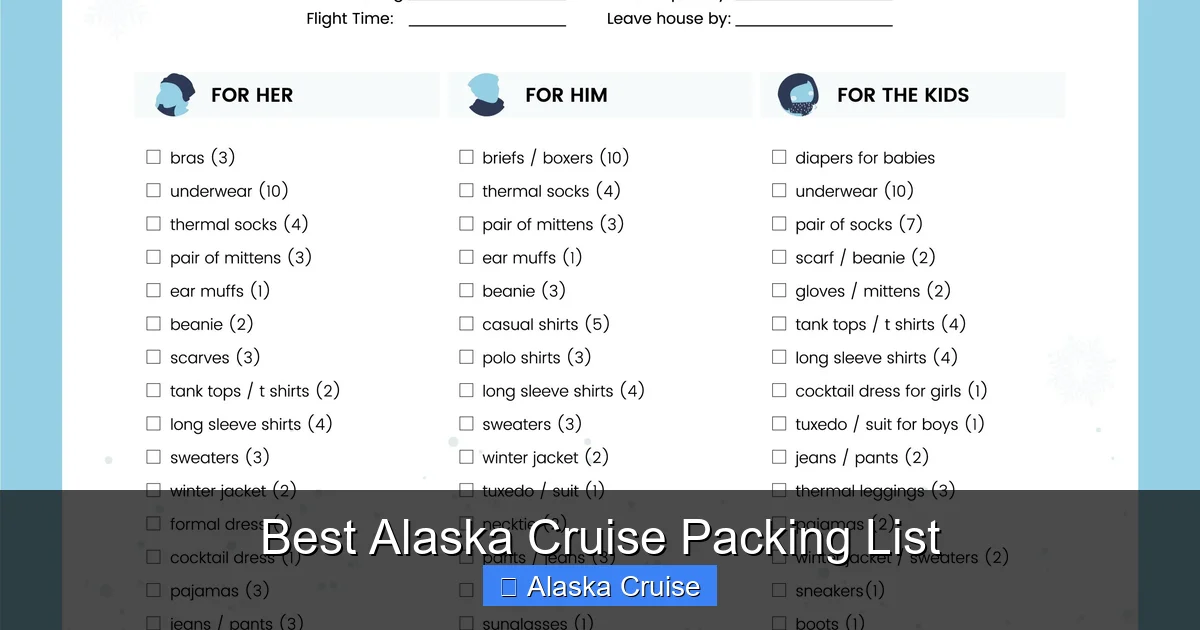
An Alaska cruise is a once-in-a-lifetime adventure, but packing the right gear is key to enjoying every moment. From sudden weather changes to wildlife excursions and formal nights, this guide covers everything you need—and what to leave behind—for a comfortable, stress-free voyage.
Key Takeaways
- Layering is essential: Alaska’s weather changes fast. Pack base, mid, and outer layers to stay comfortable in temperatures ranging from 40°F to 70°F.
- Waterproof outerwear is a must: Rain and mist are common. A high-quality rain jacket and waterproof pants will keep you dry during shore excursions.
- Don’t forget binoculars and a camera: You’ll want to capture whales, glaciers, and mountain peaks up close. Binoculars enhance wildlife viewing.
- Comfortable, non-slip shoes are critical: Deck surfaces can be wet and slippery. Choose sturdy walking shoes with good grip.
- Pack for both casual and formal nights: Most cruise lines have themed evenings. Bring at least one dressy outfit for dining or shows.
- Bring motion sickness remedies: Even in calm waters, some passengers feel queasy. Pack wristbands, medication, or natural remedies.
- Limit luggage and avoid checked bags: Cabin space is tight. Use soft-sided bags and pack only what you truly need.
📑 Table of Contents
- Why Packing Smart Matters for Your Alaska Cruise
- Clothing: Dressing for Alaska’s Changing Weather
- Footwear: Traction, Comfort, and Dry Feet
- Essential Gear: Binoculars, Cameras, and More
- Health and Personal Items: Stay Safe and Comfortable
- Packing Tips: Maximize Space and Minimize Stress
- What NOT to Pack: Avoid Common Mistakes
- Final Thoughts: Enjoy Every Moment
Why Packing Smart Matters for Your Alaska Cruise
An Alaska cruise isn’t just a vacation—it’s an immersive journey through one of the world’s most stunning natural landscapes. From towering glaciers and misty fjords to grizzly bears and humpback whales, every day brings a new wonder. But unlike a beach getaway, Alaska demands preparation. The weather can shift from sunny and mild to rainy and chilly in minutes. Shore excursions often involve hiking, kayaking, or zodiac boat rides. And with limited cabin space and strict luggage policies, overpacking can quickly become a headache.
That’s why having the right Alaska cruise packing list is so important. It’s not just about comfort—it’s about safety, enjoyment, and making the most of every moment. Whether you’re cruising with Holland America, Princess, Norwegian, or Royal Caribbean, the essentials remain the same. This guide will walk you through every category, from clothing and footwear to electronics and personal items, so you’re ready for anything Alaska throws your way.
Think of this packing list as your travel toolkit. It’s designed to help you pack light, stay warm, and stay dry—without sacrificing style or convenience. We’ll cover what to bring, what to skip, and insider tips from seasoned cruisers. By the end, you’ll feel confident, prepared, and excited to set sail.
Clothing: Dressing for Alaska’s Changing Weather
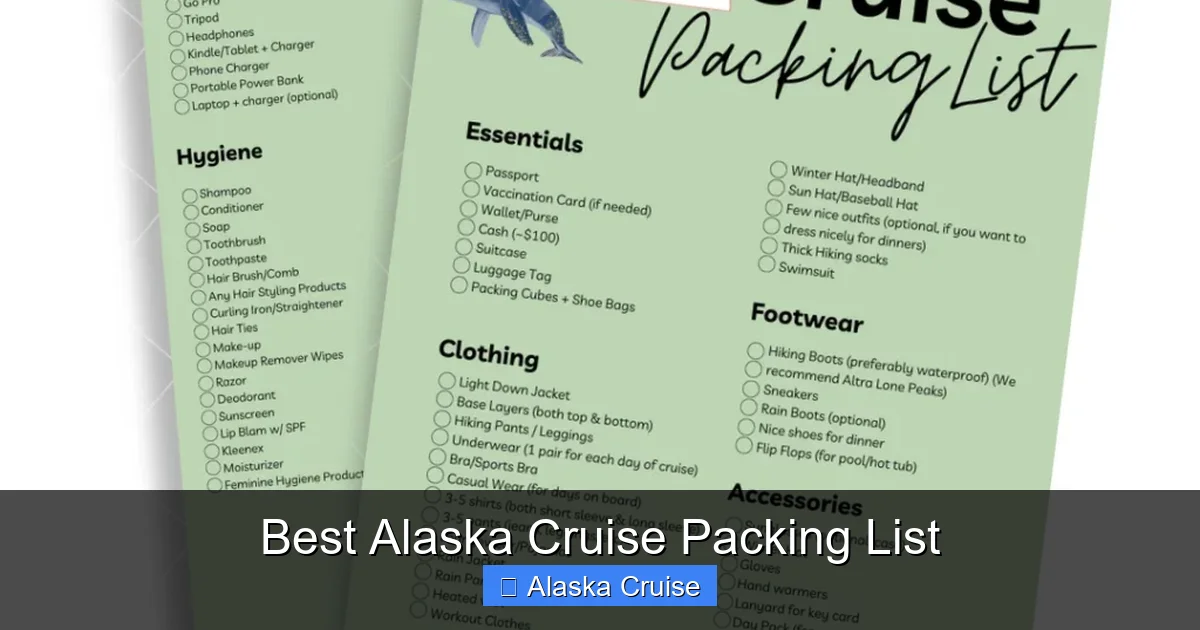
Visual guide about Best Alaska Cruise Packing List
Image source: tworoamingsouls.com
Alaska’s weather is famously unpredictable. One moment you’re basking in sunshine at 65°F, the next you’re wrapped in mist with a chill in the air. The key to staying comfortable? Layering. This simple strategy allows you to add or remove clothing as conditions change—without overheating or freezing.
Base Layers: Stay Dry and Warm
Start with moisture-wicking base layers. These are your first line of defense against sweat and cold. Avoid cotton, which traps moisture and takes forever to dry. Instead, opt for synthetic fabrics like polyester or merino wool. These materials pull sweat away from your skin, keeping you dry and insulated.
For women, thermal tops and leggings work well under regular clothing. Men can wear long-sleeve thermal shirts and lightweight thermal pants. If you run cold, consider a lightweight fleece or thermal underwear set. Brands like Smartwool, Columbia, and REI Co-op offer excellent options.
Mid Layers: Insulation When You Need It
Mid layers provide warmth without bulk. A fleece pullover, down vest, or lightweight sweater is perfect for cooler mornings or evenings on deck. Fleece is especially useful because it’s warm, lightweight, and dries quickly. A packable down jacket is also a great choice—it compresses small and delivers serious warmth.
If you’re cruising in late spring or early fall, when temperatures can dip below 50°F, consider bringing a mid-weight insulated jacket. Look for one with a water-resistant shell to handle light rain. Avoid heavy parkas unless you’re planning winter excursions—most cruise days don’t require extreme cold gear.
Outer Layers: Waterproof and Windproof Protection
This is where many cruisers go wrong. A stylish raincoat might look good in photos, but it won’t keep you dry during a sudden downpour or a zodiac ride through glacier mist. You need a high-quality waterproof and windproof jacket with a hood.
Look for jackets with sealed seams and a durable water repellent (DWR) finish. Features like pit zips, adjustable cuffs, and a drawcord hem add comfort and functionality. Pair your jacket with waterproof pants—especially if you’re doing active excursions like hiking or kayaking. Many cruisers rent these locally, but bringing your own ensures a better fit and saves time.
Casual and Formal Wear: Balancing Comfort and Style
Most Alaska cruises include a mix of casual and formal evenings. Check your cruise line’s dress code, but generally, expect at least one or two “formal nights” where passengers dress up for dinner or shows.
For men, a collared shirt, dress pants, and dress shoes are usually sufficient. A blazer or sport coat adds polish. For women, a cocktail dress, elegant skirt and top, or dressy pantsuit works well. Avoid overly flashy outfits—Alaska is more about natural beauty than glamour.
On casual days, pack comfortable clothes for lounging, dining, and exploring. Think jeans, khakis, t-shirts, and sweaters. Don’t forget sleepwear and loungewear—cruise cabins can get chilly at night.
Footwear: Traction, Comfort, and Dry Feet
Your shoes can make or break your Alaska cruise. Wet, slippery decks and uneven terrain demand footwear that’s both comfortable and safe. The wrong shoes can lead to slips, blisters, or cold feet—none of which are fun on vacation.
Walking Shoes: Support for Shore Excursions
Sturdy, closed-toe walking shoes are a must. Look for ones with good arch support, cushioning, and a non-slip sole. Trail runners or hiking shoes work well, especially if you’re planning to explore ports like Juneau, Ketchikan, or Skagway, where trails can be muddy or rocky.
Avoid brand-new shoes—break them in before your trip to prevent blisters. If you’re prone to foot pain, consider orthotic inserts. Brands like Merrell, Keen, and Salomon are popular among cruisers for their durability and comfort.
Waterproof Boots: For Rain and Wet Conditions
Even if the forecast looks clear, rain is always a possibility in Alaska. Waterproof boots keep your feet dry during shore excursions or unexpected showers. Look for boots with a grippy sole and a comfortable fit.
If you don’t own waterproof boots, consider renting or buying a pair locally. Many ports have outdoor gear shops where you can pick up affordable, high-quality options. Just make sure to test them before heading out.
Casual and Dress Shoes: For Onboard Comfort
You’ll also want a pair of comfortable casual shoes for lounging around the ship—think sneakers or slip-ons. For formal nights, pack dress shoes that match your outfit. Women can bring flats or low heels for comfort, especially if you’ll be walking on deck.
Avoid high heels on the ship—they’re impractical on moving decks and can be dangerous in rough seas. If you must bring them, keep them for indoor events only.
Essential Gear: Binoculars, Cameras, and More
Alaska is a visual feast. From breaching whales to snow-capped peaks, there’s always something incredible to see. But to truly appreciate the scenery, you’ll need the right gear.
Binoculars: Get Closer to Wildlife
Binoculars are one of the most overlooked items on an Alaska cruise packing list—but they’re one of the most valuable. A good pair lets you spot eagles, sea lions, and even bears from a safe distance. They’re especially useful during glacier viewing or whale-watching excursions.
Look for compact, waterproof binoculars with 8x or 10x magnification. Brands like Nikon, Vortex, and Bushnell offer excellent travel-friendly models. If you don’t own a pair, consider renting or borrowing one. Many cruise lines also offer loaner binoculars, but availability can be limited.
Camera and Accessories: Capture the Moment
A camera is essential for preserving memories. While smartphones take great photos, a dedicated camera with zoom capabilities will help you capture distant wildlife and dramatic landscapes.
Bring extra batteries and memory cards—cold weather drains batteries faster. A waterproof camera case or dry bag protects your gear during wet excursions. If you’re serious about photography, consider a lightweight tripod for stable shots on deck.
Don’t forget a portable charger. With long days and limited outlets in cabins, keeping your devices powered can be a challenge.
Daypack or Dry Bag: Carry Your Essentials
A small daypack or dry bag is perfect for shore excursions. Use it to carry water, snacks, extra layers, sunscreen, and your camera. Look for one with padded straps and multiple compartments for organization.
Waterproof dry bags are ideal for boat rides or rainy hikes. They keep your belongings dry even if you get splashed. Many cruisers use 10-20 liter bags—big enough for essentials, small enough to carry comfortably.
Health and Personal Items: Stay Safe and Comfortable
Your health and comfort are just as important as your clothing and gear. Alaska’s remote locations mean medical help may not be immediately available, so it’s wise to come prepared.
Medications and First Aid
Bring a travel-sized first aid kit with bandages, antiseptic wipes, pain relievers, and any prescription medications. Include motion sickness remedies like Dramamine, Bonine, or natural options like ginger capsules or acupressure wristbands.
If you wear glasses or contacts, pack an extra pair and lens solution. Sunglasses with UV protection are also important—glare off water and snow can be intense.
Sun Protection and Insect Repellent
Yes, even in Alaska, the sun can be strong—especially at higher latitudes. Bring sunscreen with SPF 30 or higher, lip balm with SPF, and a wide-brimmed hat. Reapply sunscreen often, especially after sweating or swimming.
Insect repellent is essential during summer months. Mosquitoes and black flies can be aggressive in certain areas, particularly in forested regions. Use a repellent with DEET or picaridin for best results.
Hydration and Snacks
Staying hydrated is important, especially during active excursions. Bring a reusable water bottle—most cruise ships have refill stations. Avoid sugary drinks, which can dehydrate you.
Pack non-perishable snacks like granola bars, nuts, or dried fruit. While meals are included, having snacks on hand can help during long days in port or unexpected delays.
Packing Tips: Maximize Space and Minimize Stress
Cruise cabins are notoriously small. With limited closet space and no extra storage, efficient packing is crucial. Here’s how to make the most of what you have.
Use Packing Cubes and Compression Bags
Packing cubes help organize your clothes and maximize space. Group items by category—underwear, tops, bottoms—and compress them to fit more in your suitcase. Compression bags are especially useful for bulky items like jackets and sweaters.
Soft-sided luggage is easier to store under beds or in closets. Avoid hard-shell suitcases if possible—they’re harder to squeeze into tight spaces.
Roll, Don’t Fold
Rolling clothes instead of folding saves space and reduces wrinkles. It also makes it easier to see what you’ve packed. For dressier items, use tissue paper or garment folders to prevent creasing.
Limit Shoes and Accessories
You don’t need five pairs of shoes. Stick to three: walking shoes, casual shoes, and dress shoes. Wear your bulkiest pair (like boots) on travel days to save space.
Accessories like belts, scarves, and jewelry should be minimal. Choose versatile pieces that match multiple outfits.
Check Cruise Line Policies
Before you pack, review your cruise line’s luggage policy. Most allow two checked bags and one carry-on per person. Some restrict certain items—like irons, candles, or extension cords—for safety reasons.
Also, check if your ship has laundry facilities. Many mid-sized and large ships offer self-service or paid laundry, so you can pack fewer clothes and wash as needed.
What NOT to Pack: Avoid Common Mistakes
Even experienced travelers make packing mistakes. Here’s what to leave at home to save space and avoid hassle.
Heavy Winter Coats
Unless you’re cruising in winter (which is rare), you don’t need a heavy parka. Most days are mild, and layering provides enough warmth. Save the bulk and weight for lighter options.
Excessive Electronics
Avoid bringing laptops, gaming consoles, or multiple tablets. Cruise ships have limited Wi-Fi, and outlets are scarce. Stick to essentials: phone, camera, and maybe an e-reader.
Glass Bottles and Aerosols
Many cruise lines prohibit glass bottles and aerosol cans due to safety concerns. Use plastic containers for toiletries and avoid spray sunscreens or deodorants.
Too Many “Just in Case” Items
It’s tempting to pack for every possible scenario, but “just in case” items often go unused. Be realistic about what you’ll actually need. If you forget something, most ports have stores where you can buy basics.
Final Thoughts: Enjoy Every Moment
An Alaska cruise is more than a trip—it’s an adventure that stays with you forever. With the right Alaska cruise packing list, you’ll be ready for anything: from glacier calving to bald eagle sightings, from formal dinners to muddy hikes.
Remember, the goal isn’t to pack everything—it’s to pack smart. Focus on versatility, comfort, and preparedness. Layer your clothes, protect yourself from the elements, and bring the tools to capture and enjoy the experience.
When you step onto that ship, you’re not just a passenger—you’re an explorer. And with the right gear, you’ll be ready to embrace every moment of your Alaskan journey.
Frequently Asked Questions
What should I wear on an Alaska cruise?
Wear layers, including a moisture-wicking base layer, a warm mid-layer like a fleece, and a waterproof outer layer. Bring casual clothes for daily wear and at least one formal outfit for special dinners.
Do I need waterproof pants on an Alaska cruise?
Yes, especially if you plan to do active shore excursions like hiking or kayaking. Waterproof pants keep you dry during rain or boat rides near glaciers.
Can I bring a drone on an Alaska cruise?
Most cruise lines prohibit drones due to safety and privacy concerns. Check your cruise line’s policy, but it’s best to leave it at home.
What kind of shoes are best for an Alaska cruise?
Sturdy, non-slip walking shoes with good grip are essential. Waterproof boots are recommended for wet conditions, and bring casual and dress shoes for onboard comfort.
Should I pack motion sickness medication?
Yes, even if you’ve never had motion sickness. Alaska’s waters can be choppy, and remedies like wristbands or medication can help prevent discomfort.
How much luggage can I bring on an Alaska cruise?
Most cruise lines allow two checked bags and one carry-on per person. Soft-sided luggage is easier to store in small cabins.