Looking for the best Alaska cruise itinerary 7 days has to offer? This guide breaks down top routes, must-see ports, and insider tips to help you choose the perfect week-long Alaskan adventure. Whether you’re chasing glaciers, wildlife, or charming coastal towns, a 7-day cruise delivers an unforgettable experience with the right planning.
Key Takeaways
- Glacier Bay National Park is a must-see: Most top 7-day Alaska cruises include a full day in this UNESCO World Heritage Site, offering jaw-dropping glacier views and rich wildlife.
- Inside Passage routes offer scenic beauty: Cruises traveling through the Inside Passage provide calm waters, lush forests, and frequent wildlife sightings like whales and bears.
- Port stops vary by cruise line: Popular ports include Juneau, Skagway, Ketchikan, and Haines—each offering unique excursions and cultural experiences.
- Summer is the best time to go: Peak season runs from May to September, with mild weather, long daylight hours, and active wildlife.
- Choose your cruise line wisely: Lines like Holland America, Princess, and Norwegian offer different styles—luxury, adventure, or family-friendly—so pick one that fits your travel vibe.
- Book excursions early: Popular tours like whale watching, dog sledding, and helicopter rides sell out fast, so reserve in advance.
- Packing smart is essential: Layers, waterproof gear, and binoculars are key for comfort and maximizing your Alaska cruise experience.
📑 Table of Contents
- Why a 7-Day Alaska Cruise Is the Perfect Length
- Top 7-Day Alaska Cruise Itineraries to Consider
- Must-See Ports on a 7-Day Alaska Cruise
- Best Time to Take a 7-Day Alaska Cruise
- Choosing the Right Cruise Line for Your 7-Day Alaska Adventure
- Packing Tips and What to Bring
- Maximizing Your Experience: Tips from seasoned cruisers
- Conclusion: Why a 7-Day Alaska Cruise Is Worth It
Why a 7-Day Alaska Cruise Is the Perfect Length
If you’re dreaming of snow-capped mountains, towering glaciers, and wild coastlines, a 7-day Alaska cruise is the sweet spot. It’s long enough to see the highlights without feeling rushed, yet short enough to fit into most vacation schedules. Unlike longer voyages that can stretch to 10 or 14 days, a week-long trip gives you a rich taste of Alaska’s natural wonders and cultural gems—without overextending your time or budget.
Most 7-day Alaska cruises follow one of two main routes: the **Inside Passage** or the **Gulf of Alaska**. The Inside Passage itineraries typically depart from Seattle or Vancouver and wind through narrow channels lined with old-growth forests and fishing villages. Gulf of Alaska routes often start in Seattle or San Francisco and include a mix of coastal towns and glacier days, sometimes crossing into the open ocean. Both offer incredible scenery, but the choice depends on your travel style and what you want to see.
One of the biggest advantages of a 7-day cruise is the balance between sea days and port stops. You’ll typically have two to three days at sea, giving you time to relax on deck, enjoy ship amenities, and soak in the views. The remaining days are spent exploring ports like Juneau, Skagway, and Ketchikan—each offering unique excursions, local culture, and unforgettable photo ops. Whether you’re a first-time cruiser or a seasoned traveler, a week in Alaska feels just right.
Top 7-Day Alaska Cruise Itineraries to Consider

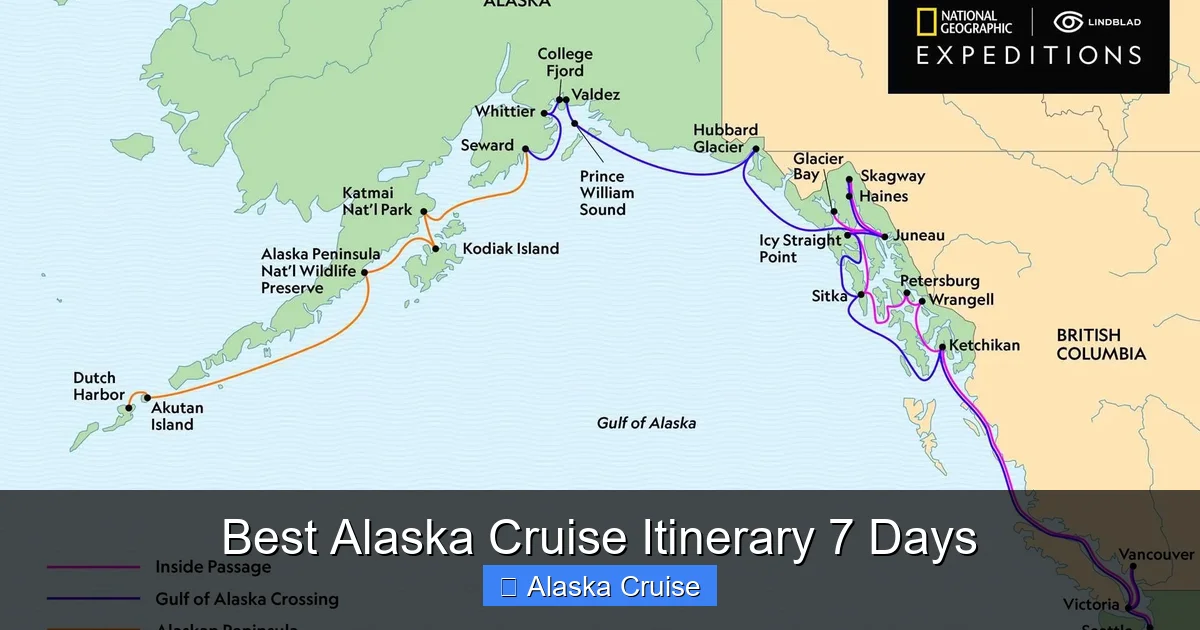
Visual guide about Best Alaska Cruise Itinerary 7 Days
Image source: i.ytimg.com
When it comes to the best Alaska cruise itinerary 7 days has to offer, a few standout routes consistently earn rave reviews. These itineraries are designed to maximize your time in port while delivering stunning scenery and authentic Alaskan experiences. Let’s break down the most popular options.
Inside Passage: Seattle Round-Trip
This classic route starts and ends in Seattle, making it convenient for U.S. travelers. Over seven days, you’ll sail north through the Inside Passage, stopping at Ketchikan, Juneau, and Skagway before returning south. Many cruises also include a scenic cruising day through Tracy Arm or Endicott Arm, where you’ll glide past active glaciers and waterfalls.
Why it’s great: You get a full taste of Southeast Alaska’s coastal towns, each with its own character. Ketchikan is known for its Native art and totem poles, Juneau for its accessibility to Mendenhall Glacier, and Skagway for its Gold Rush history and scenic railway. Plus, no international flights are needed—just fly into Seattle and board your ship.
Vancouver Round-Trip
Similar to the Seattle route, this itinerary begins and ends in Vancouver, Canada. It follows the same general path but often includes an extra stop in Victoria, BC, on the return leg. This adds a charming Canadian twist with gardens, afternoon tea, and British colonial architecture.
Why it’s great: Victoria is a delightful bonus, and Vancouver offers excellent pre- or post-cruise exploration. The scenery is equally stunning, and the route avoids backtracking, making it feel more efficient.
Gulf of Alaska: One-Way Between Seattle and Whittier (or Seward)
This one-way itinerary is perfect for travelers who want to see more of Alaska’s dramatic coastline. You’ll sail from Seattle to Whittier (near Anchorage) or vice versa, with stops in Ketchikan, Juneau, Skagway, and often Glacier Bay National Park. Some cruises also include a stop in Haines or Icy Strait Point.
Why it’s great: This route includes Glacier Bay, one of the most iconic natural parks in the world. You’ll also get a longer stretch of open-water cruising, which can mean bigger waves—but also bigger views. The one-way nature means you can explore Anchorage or Denali National Park before or after your cruise.
Round-Trip from San Francisco
Offered mainly by Princess and Holland America, these longer 7-day cruises sail from San Francisco up the Pacific coast, through the Inside Passage, and back. They often include a stop in Astoria, Oregon, and sometimes Victoria or Seattle.
Why it’s great: Ideal for West Coast travelers who want to avoid flying. The journey up the coast offers beautiful ocean views and a slower pace, perfect for relaxation. However, these cruises may spend less time in Alaska proper compared to Seattle or Vancouver departures.
Must-See Ports on a 7-Day Alaska Cruise
No matter which itinerary you choose, certain ports consistently deliver unforgettable experiences. Here’s what to expect in Alaska’s top cruise destinations.
Ketchikan: The Gateway to the Tongass
Ketchikan is usually the first stop on most Inside Passage cruises, and it’s a favorite for good reason. Nestled in the heart of the Tongass National Forest—the largest national forest in the U.S.—Ketchikan offers lush rainforests, salmon-rich rivers, and a strong Native Alaskan culture.
Must-do experiences include visiting Creek Street, a historic boardwalk built over a creek where salmon once swam upstream. Don’t miss the Totem Heritage Center or a guided tour to Totem Bight State Park. For adventure seekers, try a zipline tour through the rainforest or a kayak trip into nearby Misty Fjords.
Pro tip: Book a Native cultural performance or craft workshop to learn about Tlingit, Haida, and Tsimshian traditions. Many tours include storytelling, dancing, and handmade souvenirs.
Juneau: Alaska’s Capital City
Juneau is unique—it’s the only U.S. state capital inaccessible by road. That means your cruise ship is the main way in and out, adding to its remote charm. Nestled between mountains and sea, Juneau offers a mix of urban amenities and wild beauty.
The star attraction is the Mendenhall Glacier, just 12 miles from downtown. A short bus or shuttle ride takes you to the visitor center, where you can walk trails, spot ice caves (seasonally), and watch ice calving into the lake. For a bird’s-eye view, take a helicopter tour that lands on the glacier—many include a dog sledding experience with real sled dogs.
Other highlights include whale watching tours (humpbacks are common in summer), gold panning at the Last Chance Mining Museum, and a visit to the Alaska State Museum. If you’re a foodie, try local seafood at a waterfront restaurant—fresh halibut and king crab are staples.
Skagway: Gold Rush Glamour
Step back in time in Skagway, a preserved Gold Rush town that feels like a living museum. With wooden boardwalks, false-front buildings, and costumed interpreters, it’s easy to imagine the chaos of the 1898 Klondike Gold Rush.
The main event is the White Pass & Yukon Route Railway, a narrow-gauge train that climbs 2,865 feet in just 20 miles. The ride offers breathtaking views of waterfalls, canyons, and snow-capped peaks. It’s one of the most scenic train journeys in North America.
Other top activities include panning for gold, visiting the Red Onion Saloon (a former brothel turned museum), and hiking the Chilkoot Trail—the same path stampeders took over a century ago. For wildlife lovers, a guided bear viewing tour to nearby Dyea or a flightseeing trip over the Coast Mountains is unforgettable.
Glacier Bay National Park: A Natural Wonder
While not a traditional port, Glacier Bay is a highlight of many 7-day Alaska cruises. This UNESCO World Heritage Site spans over 3.3 million acres and is home to massive tidewater glaciers, humpback whales, sea otters, and bald eagles.
Your ship will spend a full day cruising slowly through the park, often accompanied by a National Park Service ranger who provides commentary over the ship’s speakers. You’ll pass by glaciers like Margerie and Lamplugh, where you might witness “calving”—the dramatic collapse of ice into the water.
There are no landings in Glacier Bay, but the views from the deck are spectacular. Bring binoculars and a zoom lens for photos. The silence, broken only by the crack of ice and the call of seabirds, is truly magical.
Haines and Icy Strait Point: Hidden Gems
Some cruises include stops in Haines or Icy Strait Point, two lesser-known but equally stunning destinations.
Haines is a quiet, artsy town surrounded by fjords and mountains. It’s a great spot for kayaking, bear viewing, or visiting the American Bald Eagle Preserve. The Chilkat River is one of the best places in the world to see eagles in winter, but summer offers excellent birdwatching too.
Icy Strait Point, located on Chichagof Island, is owned by the local Huna Tlingit people and offers authentic cultural experiences. You can watch traditional dancing, try a zip line over the forest, or take a boat tour to see sea lions, otters, and whales. The highlight is often a visit to the world’s largest zip line over water—thrilling and scenic.
Best Time to Take a 7-Day Alaska Cruise
Timing is everything when it comes to Alaska cruises. The season runs from **mid-May to mid-September**, with each month offering a slightly different experience.
May and June: Early Season Magic
These months are ideal for travelers who want fewer crowds and lower prices. The weather is mild, and the landscapes are lush and green. Wildlife is active, and you’ll have long daylight hours—up to 18 hours of sun in June.
Pros: Lower fares, fewer tourists, active wildlife, blooming wildflowers.
Cons: Some excursions may be limited, and glacier calving is less frequent.
July and August: Peak Season
This is the busiest time, with the warmest weather and the most tour options. Families flock to Alaska during summer break, so ports can be crowded. However, the long days and stable weather make it perfect for outdoor adventures.
Pros: Best weather, full excursion availability, vibrant towns.
Cons: Higher prices, more crowds, booked-out tours.
September: Fall Colors and Quiet Beauty
As summer fades, September offers a quieter, more reflective Alaska experience. The crowds thin out, and the landscapes begin to turn golden and red. Wildlife is still active, and you might spot bears feeding before hibernation.
Pros: Lower prices, fewer people, stunning fall foliage, great wildlife viewing.
Cons: Cooler weather, shorter days, some tours may end by mid-September.
No matter when you go, pack layers. Alaska’s weather can change quickly, and even in summer, temperatures rarely exceed 70°F (21°C).
Choosing the Right Cruise Line for Your 7-Day Alaska Adventure
Not all cruise lines are created equal—especially in Alaska. Each offers a different vibe, level of service, and range of excursions. Here’s how to pick the best fit for your travel style.
Princess Cruises: The Alaska Experts
Princess is often called the “Queen of Alaska” for good reason. They’ve been sailing there for decades and offer some of the most comprehensive itineraries. Their ships feature “Northwest-inspired” décor, local Alaskan cuisine, and expert naturalist programs.
Best for: Travelers who want a balanced mix of relaxation and enrichment. Princess excels in Glacier Bay cruises and often includes overnight stays in ports for extended exploration.
Holland America Line: Classic Elegance
Known for its refined service and traditional cruising style, Holland America appeals to travelers who appreciate a more formal, relaxed pace. Their ships are smaller than some competitors, which allows access to narrower channels and more intimate experiences.
Best for: Couples and older travelers seeking comfort, excellent dining, and cultural enrichment. Their “Museums of the Sea” program brings Alaskan history to life onboard.
Norwegian Cruise Line: Freestyle Cruising
NCL offers a more casual, flexible experience with no fixed dining times or dress codes. This makes it great for families and younger travelers who want freedom and variety.
Best for: Those who want to explore on their own terms. NCL’s “Freestyle Cruising” means you can eat when you want, dress how you like, and choose from a wide range of excursions.
Celebrity Cruises: Modern Luxury
Celebrity combines upscale amenities with a focus on wellness and design. Their ships feature modern décor, specialty restaurants, and a strong emphasis on sustainability.
Best for: Travelers who want a premium experience without the ultra-luxury price tag. Celebrity often partners with local Alaskan guides for unique excursions.
Royal Caribbean: Family Fun
With rock climbing walls, ice skating rinks, and Broadway-style shows, Royal Caribbean is all about entertainment. Their ships are large and lively, perfect for families with kids.
Best for: Families and multigenerational groups. While not as Alaska-focused as Princess or Holland America, they still offer solid itineraries and great onboard activities.
Packing Tips and What to Bring
Packing for an Alaska cruise is different from a Caribbean trip. You’ll need to prepare for cool, wet weather—even in summer. Here’s a checklist to help you pack smart.
- Layers are key: Bring a base layer (thermal underwear), mid-layer (fleece or sweater), and outer layer (waterproof jacket). Avoid cotton—it stays wet.
- Waterproof gear: A high-quality rain jacket and rain pants are essential. Waterproof shoes or boots with good grip are a must for wet docks and trails.
- Binoculars: You’ll want these for spotting whales, bears, and distant glaciers. Compact, waterproof binoculars are ideal.
- Camera with zoom lens: Glaciers and wildlife are often far away. A telephoto lens helps capture the details.
- Sunscreen and sunglasses: The sun reflects off snow and water, increasing UV exposure.
- Motion sickness remedies: Even in calm waters, some people feel queasy. Bring patches, wristbands, or medication.
- Reusable water bottle: Stay hydrated, especially on active excursions.
- Daypack: Useful for carrying snacks, water, and extra layers during port visits.
Pro tip: Many cruise lines offer “cruise casual” dress codes, but formal nights are still common. Pack at least one nice outfit for dinner.
Maximizing Your Experience: Tips from seasoned cruisers
A little planning goes a long way in making your 7-day Alaska cruise unforgettable. Here are insider tips from travelers who’ve been there.
Book Excursions Early
Popular tours—like helicopter glacier landings, whale watching, and dog sledding—sell out months in advance. Book through your cruise line or a trusted third-party provider as soon as you can. Cruise lines often offer “priority booking” for early reservations.
Arrive a Day Early
Flights to Seattle, Vancouver, or San Francisco can be delayed. Arriving a day early gives you buffer time and lets you explore the departure city. Many hotels offer cruise passenger packages with shuttle service to the port.
Bring Cash for Tips and Souvenirs
While most expenses are covered, you’ll want cash for gratuities, local vendors, and small purchases in ports. U.S. dollars are widely accepted, but Canadian currency is needed in Vancouver and Victoria.
Stay Flexible
Weather can impact schedules. A foggy day might delay departure, or high winds could cancel a tender ride to shore. Embrace the unexpected—it’s part of the adventure.
Talk to the Crew
Ship staff, especially naturalists and guest lecturers, are full of knowledge. Ask questions, attend enrichment programs, and learn about the ecosystems you’re passing through.
Respect the Environment
Alaska’s wilderness is fragile. Follow Leave No Trace principles: stay on trails, don’t feed wildlife, and dispose of waste properly. Many cruise lines are committed to sustainability—support their efforts.
Conclusion: Why a 7-Day Alaska Cruise Is Worth It
A 7-day Alaska cruise offers the perfect blend of adventure, relaxation, and natural beauty. Whether you’re marveling at a glacier calving into the sea, spotting a humpback whale breach, or sipping coffee in a quiet fishing village, every moment feels magical. With the right itinerary, cruise line, and preparation, your week in Alaska will be one of the most memorable trips of your life.
From the Inside Passage to Glacier Bay, the best Alaska cruise itinerary 7 days delivers an immersive experience that’s hard to match. It’s not just a vacation—it’s a journey into one of the last great wildernesses on Earth. So pack your bags, bring your sense of wonder, and get ready to fall in love with Alaska.
Frequently Asked Questions
What is the best month for a 7-day Alaska cruise?
July and August offer the warmest weather and most excursion options, making them ideal for first-time visitors. However, May, June, and September provide fewer crowds and lower prices, with excellent wildlife viewing.
Do I need a passport for an Alaska cruise?
It depends on your itinerary. Closed-loop cruises (starting and ending in the same U.S. port) don’t require a passport, but it’s highly recommended in case of emergencies. Cruises departing from or visiting Canada require a passport.
Can I see the Northern Lights on an Alaska cruise?
It’s unlikely on a summer cruise, as the Northern Lights are best seen in winter months with long, dark nights. Most 7-day Alaska cruises run from May to September, when daylight lasts up to 18 hours.
Are Alaska cruises family-friendly?
Yes, many cruise lines like Royal Caribbean and Norwegian offer kids’ clubs, family activities, and excursions suitable for all ages. However, some lines like Holland America cater more to adults.
How much should I budget for excursions?
Excursions typically range from $50 to $300 per person, depending on the activity. Budget at least $200–$400 per person for a mix of tours. Booking early can save money and guarantee availability.
What wildlife can I expect to see on an Alaska cruise?
Common sightings include humpback whales, orcas, sea lions, sea otters, bald eagles, and black bears. Glacier Bay and Icy Strait Point are especially rich in wildlife. Bring binoculars for the best views.