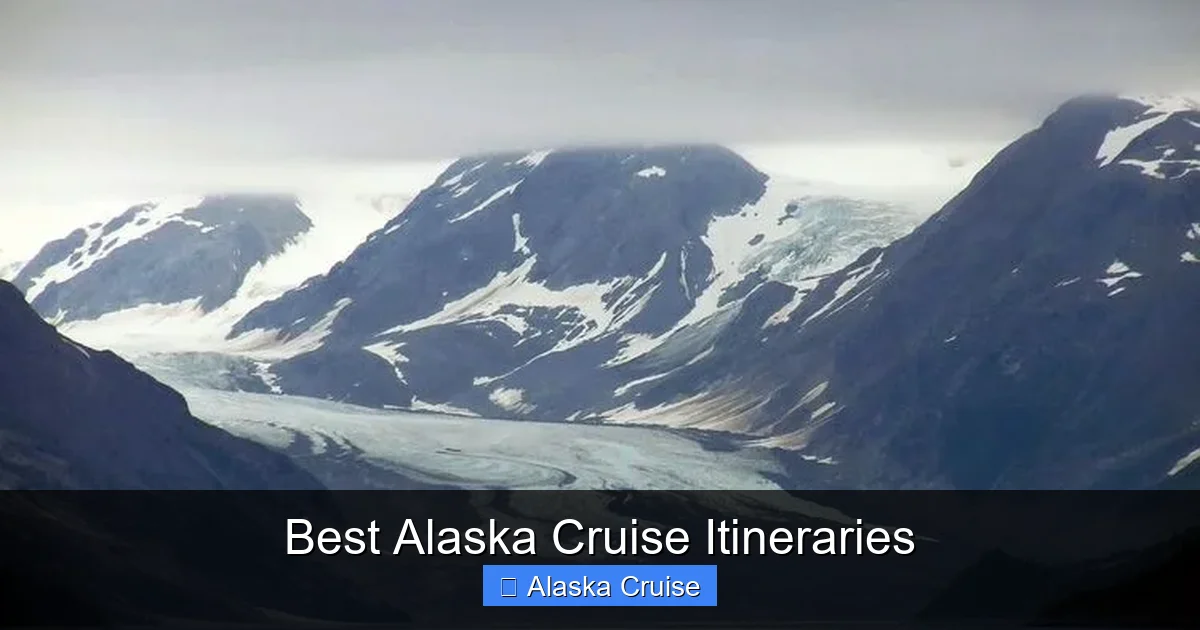
Alaska cruises offer unforgettable adventures through pristine wilderness, towering glaciers, and charming coastal towns. Choosing the right itinerary is key to maximizing your experience—whether you’re after wildlife sightings, glacier views, or cultural immersion. This guide breaks down the best Alaska cruise itineraries to help you pick the perfect voyage.
Dreaming of icy fjords, breaching humpback whales, and snow-capped peaks? A cruise through Alaska might just be the adventure of a lifetime. With its dramatic landscapes, rich Indigenous culture, and abundant wildlife, Alaska is a bucket-list destination that’s best explored by sea. But with so many cruise lines, ships, and routes to choose from, how do you pick the best Alaska cruise itinerary for your travel style?
The good news? There’s no shortage of incredible options. Whether you’re a first-time cruiser or a seasoned traveler, Alaska’s diverse itineraries cater to every preference—from relaxed scenic sails to action-packed expeditions. The key is knowing what to look for: the length of the cruise, the ports of call, the type of ship, and the time of year. In this guide, we’ll walk you through the top Alaska cruise itineraries, highlight must-see destinations, and share insider tips to help you plan the perfect voyage.
So grab your parka, pack your camera, and get ready to explore the Last Frontier—one breathtaking shoreline at a time.
Key Takeaways
- Inside Passage routes are ideal for first-time cruisers, offering calm waters, lush forests, and frequent wildlife sightings.
- Gulf of Alaska itineraries include glacier-heavy ports like Hubbard Glacier and Glacier Bay, perfect for nature lovers.
- Round-trip cruises from Seattle or Vancouver offer convenience and often better pricing compared to one-way sailings.
- One-way cruises between Seattle and Seward allow deeper exploration but require extra planning for flights and transfers.
- Smaller ships access remote ports like Hoonah or Icy Strait Point, offering more intimate and authentic experiences.
- Peak season is May to September, with July and August offering the best weather and longest daylight hours.
- Shore excursions enhance the experience—book early for popular activities like dog sledding or whale watching.
📑 Table of Contents
Why Choose an Alaska Cruise?
Alaska is one of the few places on Earth where nature still reigns supreme. From the towering walls of Glacier Bay to the playful antics of sea otters in Ketchikan, the state offers a front-row seat to some of the planet’s most awe-inspiring scenery. A cruise is one of the most comfortable and scenic ways to experience it all.
Unlike land-based tours, a cruise allows you to wake up in a new port each morning without the hassle of constant packing and unpacking. You’ll enjoy gourmet meals, live entertainment, and luxurious amenities while gliding past icebergs and coastal rainforests. Plus, many ships offer expert naturalists and onboard lectures that deepen your understanding of Alaska’s ecosystems and history.
Another major perk? Access. Some of Alaska’s most stunning natural wonders—like Hubbard Glacier or Tracy Arm Fjord—are only reachable by boat. A cruise gives you front-row seats to these remote marvels, often with guided commentary and photo opportunities you simply can’t get on land.
What Makes Alaska Cruises Unique?
Alaska cruises stand out for their blend of adventure and relaxation. You’re not just sightseeing—you’re immersed in a living, breathing wilderness. The rhythm of the trip is slower, more reflective, allowing you to truly absorb the grandeur around you.
Wildlife encounters are frequent and unforgettable. Imagine spotting a pod of orcas slicing through the water, a brown bear foraging along the shore, or a bald eagle soaring overhead. These moments are common on Alaska cruises, especially in areas like Icy Strait Point or Juneau.
The cultural aspect is equally compelling. Many itineraries include visits to Native Alaskan villages, where you can learn about traditional crafts, dances, and storytelling. Towns like Sitka and Hoonah offer a rich blend of Russian, Tlingit, and modern American influences.
And let’s not forget the glaciers. Alaska is home to over 100,000 glaciers, and a cruise brings you within whispering distance of these ancient ice formations. Whether it’s the thunderous calving of a glacier in Glacier Bay or the serene beauty of a tidewater glacier in Tracy Arm, the experience is nothing short of magical.
Top Alaska Cruise Itineraries to Consider
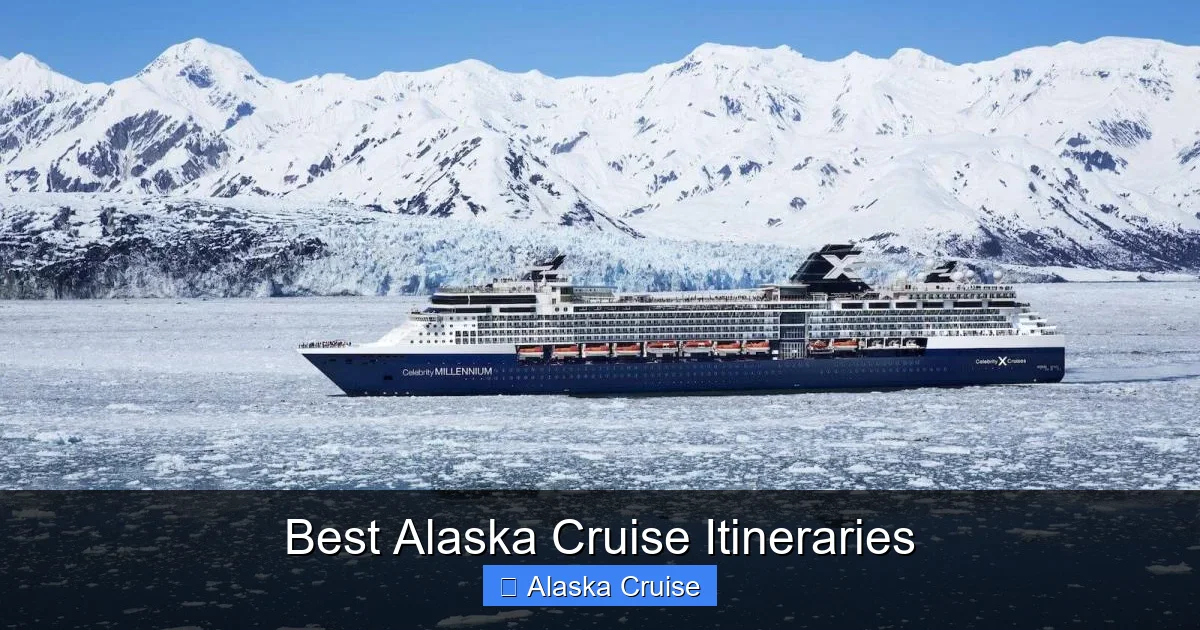
Visual guide about Best Alaska Cruise Itineraries
Image source: cruise.blog
With so many options, narrowing down the best Alaska cruise itineraries can feel overwhelming. To help, we’ve categorized the most popular and rewarding routes based on geography, duration, and traveler preferences. Whether you’re looking for a classic Inside Passage journey or a rugged Gulf of Alaska adventure, there’s an itinerary that fits.
1. Classic Inside Passage Route
The Inside Passage is the most popular Alaska cruise route, and for good reason. This scenic corridor hugs the Pacific coastline, winding through narrow channels lined with dense temperate rainforests, snow-dusted mountains, and charming coastal towns. It’s ideal for first-time cruisers and families, offering calm waters, frequent wildlife sightings, and a relaxed pace.
Most Inside Passage cruises depart from Seattle or Vancouver and last 7 to 10 days. They typically include stops in Ketchikan, Juneau, Skagway, and often Victoria, British Columbia. Some extended itineraries may also visit Haines or Icy Strait Point.
Ketchikan is known as the “Salmon Capital of the World” and offers a mix of Native culture, rainforest hikes, and totem pole parks. Juneau, the state capital, is accessible only by boat or plane and serves as a gateway to Mendenhall Glacier and whale-watching tours. Skagway brings the Gold Rush era to life with historic boardwalks and the famous White Pass & Yukon Route railway.
One of the biggest advantages of this route is its accessibility. Round-trip cruises from Seattle or Vancouver mean you don’t have to worry about one-way flights or复杂的 logistics. Plus, many major cruise lines—including Princess, Holland America, and Norwegian—offer this itinerary, giving you plenty of options for ships and price points.
2. Gulf of Alaska Itinerary
For travelers seeking a more dramatic, nature-heavy experience, the Gulf of Alaska itinerary is a top choice. These cruises typically run one-way between Seattle/Vancouver and Seward (near Anchorage) or Whittier, offering a deeper dive into Alaska’s wild heart.
This route includes iconic glacier destinations like Hubbard Glacier—one of the most active tidewater glaciers in North America—and Glacier Bay National Park, a UNESCO World Heritage Site. Ships often spend full days cruising these icy realms, giving passengers ample time to witness calving events and soak in the silence of the wilderness.
Ports of call may include Ketchikan, Juneau, Skagway, and Icy Strait Point, but the real stars are the natural wonders. The Gulf of Alaska route is longer—usually 7 to 10 days—and often includes a scenic cruise through College Fjord or Tracy Arm, where towering cliffs and cascading waterfalls frame the ship.
Because this is a one-way cruise, you’ll need to arrange flights home from Anchorage or Whittier, which can add to the cost and complexity. However, the payoff is a more immersive, less touristy experience. You’ll travel further north, encounter fewer crowds, and have more time to connect with Alaska’s raw beauty.
3. Round-Trip from Seattle
Cruising round-trip from Seattle has become increasingly popular, thanks to its convenience and value. These 7-day itineraries offer a balanced mix of port time and scenic cruising, with departures typically occurring Thursday through Sunday.
The route usually includes stops in Ketchikan, Juneau, Skagway, and Victoria, BC. Some ships may also visit Icy Strait Point or Haines, depending on the cruise line and season. The inclusion of Victoria adds a touch of European charm, with its British colonial architecture, gardens, and afternoon tea culture.
One of the biggest perks of a Seattle departure is the ease of travel. You can fly into Seattle, board your ship the same day, and return home without worrying about one-way transfers. Plus, Seattle-based cruises often offer competitive pricing and special promotions, especially during shoulder seasons.
The downside? You’ll miss out on the Gulf of Alaska’s glacier-heavy ports, as most Seattle round-trips stick to the Inside Passage. But for travelers who prioritize convenience and a well-rounded experience, this itinerary is hard to beat.
4. One-Way Cruises: Seattle to Seward (or Vice Versa)
For the ultimate Alaska adventure, consider a one-way cruise from Seattle to Seward (or the reverse). These 7- to 10-day voyages combine the best of the Inside Passage with the dramatic landscapes of the Gulf of Alaska.
You’ll start in the bustling city of Seattle, then sail north through the Inside Passage, visiting Ketchikan, Juneau, and Skagway. As you enter the Gulf of Alaska, the scenery shifts dramatically—glaciers dominate the horizon, and wildlife sightings become more frequent.
The cruise typically ends in Seward, a small port town at the head of Resurrection Bay. From there, you can take a train or bus to Anchorage for your return flight. Some itineraries may also end in Whittier, which offers direct access to Denali National Park via the Alaska Railroad.
One-way cruises are ideal for travelers who want a more immersive experience and don’t mind the extra planning. They allow you to see more of Alaska in a single trip and often include longer port stays. However, they do require arranging one-way flights and ground transportation, which can add $200–$500 to your total cost.
5. Small Ship & Expedition Cruises
If you’re looking for a more intimate, off-the-beaten-path experience, consider a small ship or expedition cruise. These vessels—often carrying fewer than 200 passengers—can access remote ports and narrow fjords that larger ships can’t reach.
Companies like UnCruise Adventures, Lindblad Expeditions, and Hurtigruten offer expedition-style itineraries that emphasize wildlife, culture, and adventure. You might kayak among icebergs in Tracy Arm, hike through old-growth forests in Tongass National Forest, or attend a traditional Tlingit dance performance in Hoonah.
Small ships often include expert naturalists, marine biologists, and local guides who provide in-depth commentary and lead shore excursions. Many also offer flexible itineraries that can change based on weather, wildlife activity, or passenger interests.
While these cruises tend to be more expensive—often $5,000–$10,000 per person—they offer unparalleled access and authenticity. If you’re a nature lover or photography enthusiast, the extra cost may be well worth it.
Best Time to Cruise Alaska
Timing is everything when it comes to Alaska cruises. The cruising season runs from late April to early October, but each month offers a different experience.
May and early June are ideal for travelers seeking fewer crowds and lower prices. The weather is mild, wildflowers are blooming, and wildlife is active. However, some ports may have limited services, and daylight hours are shorter than in peak summer.
July and August are the peak months, with the warmest weather, longest days (up to 18 hours of daylight), and full access to all ports and excursions. This is also the busiest time, so expect higher prices and more fellow travelers.
September offers a quieter experience with stunning fall colors, especially in the interior regions. Wildlife is still active, and the chance of seeing the northern lights increases as the nights grow longer. Some cruise lines begin winding down operations in late September, so options may be limited.
Avoid cruising in October unless you’re on a repositioning cruise—most ships have left Alaska by then, and many ports are closed.
Weather and Packing Tips
Alaska’s weather can be unpredictable, even in summer. Temperatures typically range from 50°F to 70°F (10°C to 21°C), but it can feel cooler on the water or in shaded areas.
Layering is key. Pack a waterproof jacket, fleece or sweater, long pants, and comfortable walking shoes. Don’t forget binoculars, sunscreen, and a good camera with extra batteries—charging opportunities may be limited in remote areas.
Even in summer, it can rain. A compact umbrella or rain poncho is a smart addition. And while Alaska isn’t known for mosquitoes, they can be prevalent in certain areas—bring insect repellent just in case.
Must-See Ports and Shore Excursions
Each port on an Alaska cruise offers something unique. Here are some of the top stops and recommended activities:
Ketchikan
Known for its vibrant arts scene and rich Native heritage, Ketchikan is a favorite among cruisers. Don’t miss the Totem Heritage Center or a guided walk through Creek Street, a historic boardwalk built over a salmon stream.
Popular excursions include a floatplane tour to Misty Fjords National Monument, a rainforest zipline adventure, or a visit to a Native Alaskan village to learn about totem carving and traditional dances.
Juneau
As the state capital, Juneau blends urban charm with wild beauty. The Mendenhall Glacier is a must-see—just a short drive from the port. Take a guided hike or rent a bike to explore the surrounding trails.
Whale watching is another top activity. Several companies offer tours that often spot humpback whales, orcas, and sea lions. For a cultural experience, visit the Alaska State Museum or attend a performance by the Alaska Indian Arts group.
Skagway
Step back in time in Skagway, a Gold Rush-era town frozen in history. The White Pass & Yukon Route Railway is a highlight—a narrow-gauge train that climbs 2,800 feet through steep mountain passes.
Other options include a dog sledding demonstration (using wheeled carts in summer), a gold panning lesson, or a scenic helicopter tour over the glaciers.
Icy Strait Point
Owned by the Huna Totem Corporation, Icy Strait Point offers an authentic Native Alaskan experience. The port features a cultural center, traditional performances, and local crafts.
Adventure seekers can try the world’s largest zip line, go bear viewing by boat, or take a guided kayak tour through the surrounding waters.
Glacier Bay National Park
While not a port, Glacier Bay is a highlight of many Alaska cruises. Ships spend a full day cruising the park, with park rangers coming aboard to provide commentary.
Keep your camera ready—you’ll likely see calving glaciers, harbor seals on ice floes, and possibly even a black bear along the shoreline.
Choosing the Right Cruise Line
With so many cruise lines offering Alaska itineraries, it’s important to choose one that matches your travel style.
Family-Friendly Options
Norwegian Cruise Line and Royal Caribbean are great for families, offering kids’ clubs, water slides, and Broadway-style shows. Their ships are large and lively, with plenty of dining and entertainment options.
Traditional and Refined
Princess Cruises and Holland America are known for their elegant ships, excellent service, and focus on destination immersion. They often include more port time and educational programming.
Adventure and Intimacy
UnCruise Adventures and Lindblad Expeditions cater to active travelers who want a more hands-on experience. Their small ships emphasize wildlife, culture, and outdoor activities.
Luxury Experience
For a high-end voyage, consider Crystal Cruises or Seabourn. These lines offer spacious suites, gourmet dining, and personalized service, often with included shore excursions.
Tips for Booking Your Alaska Cruise
Booking early is crucial—especially for popular itineraries and peak-season dates. Here are some tips to get the best value:
– Book 6–12 months in advance for the best cabin selection and pricing.
– Consider shoulder seasons (May, June, September) for lower prices and fewer crowds.
– Look for package deals that include airfare, transfers, or excursions.
– Read reviews on sites like Cruise Critic to compare ships and itineraries.
– Check visa requirements if visiting Canada (Victoria), as some nationalities need an eTA.
Conclusion
An Alaska cruise is more than a vacation—it’s a journey into one of the world’s last great wildernesses. Whether you’re marveling at a calving glacier, spotting a whale breach, or learning about Native culture, every moment feels like a gift.
The best Alaska cruise itinerary for you depends on your interests, budget, and travel style. The Inside Passage offers a classic, family-friendly experience, while the Gulf of Alaska delivers raw, untamed beauty. Round-trip cruises from Seattle provide convenience, and one-way voyages allow for deeper exploration.
No matter which route you choose, you’re in for an unforgettable adventure. So start planning, pack your layers, and get ready to fall in love with Alaska—one breathtaking mile at a time.
Frequently Asked Questions
What is the best time of year to take an Alaska cruise?
The best time is typically July and August, when the weather is warmest, daylight is longest, and all ports and excursions are fully operational. However, May, June, and September offer fewer crowds and lower prices.
Do I need a passport for an Alaska cruise?
If your cruise visits Canada (like Victoria, BC), you’ll need a passport or other approved travel document. Closed-loop cruises (departing and returning to the same U.S. port) may allow passport cards, but a full passport is recommended.
Are Alaska cruises suitable for families?
Yes! Many cruise lines offer family-friendly amenities like kids’ clubs, water parks, and supervised activities. The scenic beauty and wildlife sightings appeal to all ages.
Can I see the northern lights on an Alaska cruise?
It’s possible, especially on late-season cruises in September or October, when nights are longer. However, sightings are not guaranteed and depend on solar activity and weather conditions.
How much should I budget for shore excursions?
Shore excursions typically range from $50 to $300 per person, depending on the activity. Popular options like whale watching, dog sledding, or helicopter tours tend to be on the higher end.
What should I pack for an Alaska cruise?
Pack layers, including a waterproof jacket, fleece, long pants, and sturdy shoes. Don’t forget binoculars, sunscreen, a camera, and insect repellent. Even in summer, it can be cool and rainy.