Planning the best Alaska cruise itinerary means choosing the right route, duration, and ports to maximize your experience. From Glacier Bay to Juneau and Ketchikan, this guide helps you explore Alaska’s top destinations with expert tips on timing, excursions, and what to pack.
Key Takeaways
- Choose a 7-day itinerary for the best balance of ports and sea days: Most top-rated Alaska cruises last 7 days, offering a mix of scenic cruising and port stops without feeling rushed.
- Glacier Bay National Park is a must-see: A UNESCO World Heritage Site, this park offers jaw-dropping glacier views and wildlife sightings—only accessible by ship.
- Book excursions early for the best experiences: Popular tours like whale watching in Juneau or dog sledding on a glacier fill up fast, so reserve ahead.
- Travel between May and September for optimal weather: Summer months offer longer days, milder temperatures, and peak wildlife activity.
- Inside Passage vs. Gulf Coast routes offer different experiences: Inside Passage cruises focus on lush forests and coastal towns, while Gulf Coast routes include more glaciers and remote wilderness.
- Pack layers and waterproof gear: Alaska’s weather can change quickly, so being prepared ensures comfort on deck and during shore excursions.
- Consider a cruise with a naturalist or expedition team: These experts enhance your journey with insights on wildlife, geology, and local culture.
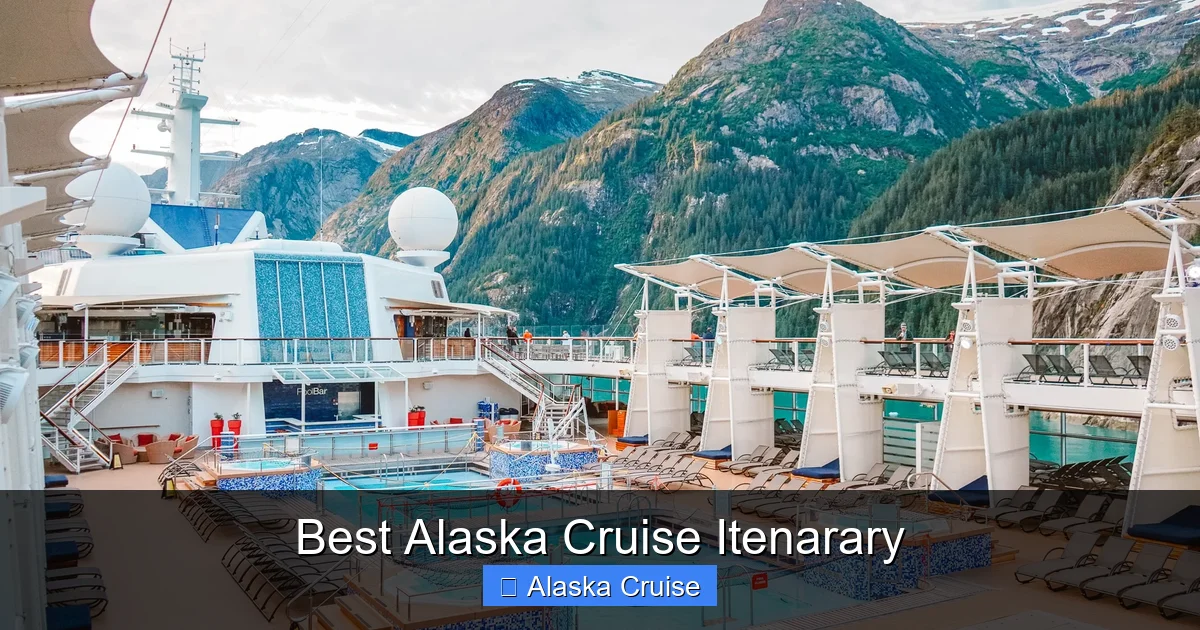
[FEATURED_IMAGE_PLACEHOLDER]
Why Alaska Should Be on Your Travel Bucket List
Imagine standing on the deck of a ship, the crisp mountain air filling your lungs, as a massive glacier calves into the sea with a thunderous crack. Or picture yourself spotting a humpback whale breaching just feet from the boat, its spray catching the golden morning light. This is Alaska—raw, untamed, and breathtakingly beautiful. It’s no wonder that cruising Alaska consistently ranks as one of the world’s top travel experiences.
Unlike other destinations, Alaska offers a rare combination of natural wonders, cultural richness, and adventure. From towering ice fields and dense temperate rainforests to charming coastal towns and Indigenous heritage sites, every moment feels like a postcard come to life. And the best way to experience it? By sea. Cruising allows you to glide through fjords, witness glaciers up close, and visit remote communities—all while enjoying the comfort and convenience of a floating hotel.
But with so many cruise lines, ships, and routes to choose from, finding the best Alaska cruise itinerary can feel overwhelming. Should you go for a 5-day trip or stretch it to 10? Is the Inside Passage better than the Gulf Coast? Which ports are worth the hype? This guide will walk you through everything you need to know to plan the perfect Alaskan voyage, whether you’re a first-time cruiser or a seasoned traveler.
Understanding Alaska Cruise Routes: Inside Passage vs. Gulf Coast
When planning your Alaska cruise, the first decision is choosing your route. Most itineraries fall into two main categories: the Inside Passage and the Gulf Coast. Each offers a unique perspective on Alaska’s stunning landscapes and wildlife, so understanding the differences is key to picking the right trip.
Inside Passage Cruises: Lush Forests and Coastal Towns
The Inside Passage is the most popular route for Alaska cruises, especially for first-time visitors. This scenic waterway winds through narrow channels lined with emerald-green forests, snow-capped peaks, and charming seaside towns. Cruises typically depart from Seattle or Vancouver and make stops in ports like Ketchikan, Juneau, and Skagway.
One of the biggest draws of the Inside Passage is its accessibility. The calm waters make for smooth sailing, and the route is packed with wildlife viewing opportunities. You’ll likely spot bald eagles, sea lions, and even black bears along the shoreline. Plus, the towns along the way offer a mix of history, culture, and adventure. In Ketchikan, for example, you can explore totem pole parks or take a floatplane to a remote wilderness lodge. Juneau, Alaska’s capital, is only reachable by boat or plane, giving it a unique, off-the-grid charm.
Gulf Coast Cruises: Glaciers and Remote Wilderness
If you’re looking for a more rugged, dramatic experience, a Gulf Coast itinerary might be your best bet. These cruises often depart from cities like Seattle, San Francisco, or even farther south, and venture into the Gulf of Alaska. They typically include stops in Seward or Whittier (gateway to Kenai Fjords National Park), Hubbard Glacier, and sometimes even Sitka or Valdez.
Gulf Coast cruises are ideal for travelers who want to see massive glaciers and remote wilderness. Hubbard Glacier, one of the few advancing glaciers in the world, is a highlight—some ships even do a “glacier face-off,” where the vessel inches close enough for passengers to hear the ice crack and see calving events. These itineraries also offer more time at sea, which means longer stretches of scenic cruising through icy fjords and open water.
While Gulf Coast cruises can be more expensive and less frequent, they offer a deeper dive into Alaska’s wild side. Just be prepared for rougher seas and cooler temperatures, especially if you’re sailing in early spring or late fall.
Top Ports of Call on the Best Alaska Cruise Itinerary
No Alaska cruise is complete without visiting its iconic ports. Each stop offers something unique—whether it’s wildlife, history, or jaw-dropping scenery. Here are the must-see destinations that should be on your radar when planning the best Alaska cruise itinerary.
Juneau: Alaska’s Capital and Whale Watching Capital
Juneau is the only U.S. state capital that can’t be reached by road—making it a true Alaskan adventure. Nestled between the mountains and the sea, this vibrant town is a hub for outdoor enthusiasts and culture lovers alike. One of the top reasons to visit Juneau is whale watching. The waters around the city are prime feeding grounds for humpback whales, and many cruise lines offer guided tours that get you up close to these majestic creatures.
But Juneau isn’t just about whales. You can also hike the Mendenhall Glacier Trail, take a helicopter tour over the ice field, or visit the Alaska State Museum to learn about Indigenous Tlingit culture. For a unique experience, try a zipline tour through the rainforest or sample fresh salmon at a local seafood shack. Just remember: Juneau is rainy, so pack a good rain jacket!
Ketchikan: The Salmon Capital of the World
Known as the “Salmon Capital of the World,” Ketchikan is a colorful town built on stilts over the water. It’s famous for its totem poles, Native American heritage, and abundant wildlife. One of the best ways to experience Ketchikan is by taking a guided tour to Totem Bight State Historical Park, where you can see restored totem poles and learn about Tlingit and Haida traditions.
Ketchikan is also a great spot for outdoor adventures. Try a kayaking tour through the Tongass National Forest, go fishing for salmon, or take a scenic flight over Misty Fjords National Monument. And don’t miss Creek Street, a historic boardwalk lined with shops, galleries, and the famous Dolly’s House, a former brothel turned museum.
Skagway: Gateway to the Klondike Gold Rush
Step back in time in Skagway, a Gold Rush-era town frozen in the late 1800s. This charming port is packed with historic buildings, wooden boardwalks, and stories of prospectors seeking their fortune. One of the most popular excursions is the White Pass and Yukon Route Railway, a narrow-gauge train that climbs steeply into the mountains, offering stunning views of waterfalls, glaciers, and rugged peaks.
For a more active adventure, hike the Chilkoot Trail or take a dog sledding tour on a glacier. Skagway is also a great place to try local cuisine—think reindeer sausage, sourdough pancakes, and fresh seafood. And if you’re a history buff, don’t miss the Gold Rush Cemetery and the Moore House Museum.
Seward and Whittier: Doorways to Kenai Fjords
If your cruise includes a stop in Seward or Whittier, you’re in for a treat. These ports serve as gateways to Kenai Fjords National Park, home to over 40 glaciers and some of the best wildlife viewing in Alaska. A full-day boat tour through the fjords is a must—you’ll see sea otters, puffins, sea lions, and possibly even orcas or humpback whales.
In Seward, you can also visit the Alaska SeaLife Center, a world-class marine research facility, or hike the Exit Glacier Trail. Whittier, on the other hand, is a small, quirky town accessible via a one-way tunnel—perfect for a quick stop before heading into the wilderness.
Best Time to Cruise Alaska: Timing Your Trip Right
Timing is everything when it comes to Alaska cruises. The cruising season runs from May to September, but each month offers a different experience. Choosing the right time can mean the difference between calm seas and rough waters, peak wildlife sightings and quieter moments, and even better prices.
May and June: Early Season Advantages
May and early June mark the beginning of the cruise season, and they come with some major perks. The weather is cooler, but the crowds are smaller, and you’ll have a better chance of spotting bears along the shoreline as they emerge from hibernation. Glaciers are also at their most active during this time, with more calving events due to warmer spring temperatures.
Another advantage? Lower prices. Early-season cruises often come with discounts, and you’ll have more flexibility when booking excursions. Just be prepared for unpredictable weather—rain and wind are common, so pack accordingly.
July and August: Peak Season for a Reason
July and August are the most popular months to cruise Alaska—and for good reason. The weather is at its best, with long daylight hours (up to 18 hours of sunlight in some areas), mild temperatures, and calm seas. This is also prime time for wildlife. Whales are abundant, bears are fishing for salmon, and migratory birds fill the skies.
But popularity comes with a price. Expect higher fares, fully booked excursions, and more crowds at ports. If you’re traveling during this time, book your cruise and tours as early as possible—ideally 6 to 12 months in advance.
September: A Quiet, Golden Finale
September is the final month of the cruise season, and it offers a unique blend of beauty and tranquility. The summer crowds have thinned, but the weather is still pleasant, and the fall colors are starting to appear in the forests. This is also a great time for wildlife viewing—salmon runs are in full swing, and bears are actively feeding before winter.
One thing to note: some excursions and attractions may start to close in late September, so check ahead. But if you’re looking for a more peaceful, reflective Alaska experience, September could be your perfect window.
Choosing the Right Cruise Line and Ship
With so many cruise lines offering Alaska itineraries, picking the right one can feel like a daunting task. Each company has its own style, amenities, and target audience. Here’s what to consider when choosing the best Alaska cruise for you.
Family-Friendly Options: Carnival, Disney, and Royal Caribbean
If you’re traveling with kids, look for cruise lines that offer family-friendly activities and entertainment. Carnival Cruise Line is known for its fun, casual vibe and affordable prices, with water parks, comedy shows, and kid’s clubs. Disney Cruise Line takes it up a notch with themed dining, character meet-and-greets, and Broadway-style shows—perfect for families who want a magical experience.
Royal Caribbean also excels in family cruising, with rock climbing walls, ice skating rinks, and surf simulators. Their ships are large and packed with activities, making them ideal for multi-generational trips.
Luxury and Expedition Cruises: Seabourn, Silversea, and Lindblad
For a more refined experience, consider a luxury or expedition cruise. Lines like Seabourn and Silversea offer smaller ships, personalized service, and high-end amenities like spa treatments and gourmet dining. These cruises often include expert naturalists and lecturers who enhance your journey with in-depth insights.
If you’re seeking adventure and intimacy, an expedition cruise with Lindblad Expeditions or UnCruise Adventures might be the way to go. These smaller vessels can access remote areas and offer activities like kayaking, hiking, and Zodiac tours. They’re perfect for travelers who want to get off the beaten path and immerse themselves in Alaska’s wild beauty.
Budget-Friendly Choices: Norwegian and Princess
If you’re looking for value without sacrificing quality, Norwegian Cruise Line and Princess Cruises are solid choices. Norwegian offers “freestyle cruising,” meaning you can dine whenever and wherever you like, with a wide range of restaurants and entertainment options. Their ships are modern and spacious, with plenty of outdoor deck space for enjoying the views.
Princess Cruises is known for its “MedallionClass” technology, which streamlines everything from boarding to ordering drinks. They also offer excellent enrichment programs, including lectures by National Geographic experts and wildlife spotting guides.
Packing Tips for Your Alaska Cruise
Packing for an Alaska cruise is all about layers, versatility, and preparedness. The weather can change in an instant, and you’ll want to be ready for everything from sunny deck days to rainy shore excursions.
Essential Clothing: Layer Like a Pro
The golden rule for Alaska packing? Layer up. Start with a moisture-wicking base layer, add a fleece or sweater for insulation, and top it off with a waterproof and windproof outer shell. This way, you can adjust as temperatures shift throughout the day.
Don’t forget a warm hat, gloves, and a scarf—even in summer, it can get chilly on deck, especially during glacier viewing. And always pack a good pair of waterproof hiking boots or sturdy walking shoes for shore excursions.
Must-Have Gear: Binoculars, Camera, and More
Binoculars are a must for spotting wildlife from a distance—think whales, bears, and eagles. A good camera with a zoom lens will help you capture those once-in-a-lifetime moments. And don’t forget extra batteries and memory cards—chances are, you’ll be taking a lot of photos!
Other essentials include sunscreen (yes, even in Alaska!), sunglasses, a reusable water bottle, and a small daypack for excursions. If you’re prone to motion sickness, pack seasickness remedies just in case.
What Not to Bring
Avoid overpacking formal wear—most Alaska cruises are casual, and you’ll likely spend more time in outdoor gear than evening gowns. Also, check your cruise line’s policy on drones—many prohibit them due to wildlife and safety concerns.
Making the Most of Your Shore Excursions
Shore excursions are one of the highlights of any Alaska cruise, offering unique ways to explore the ports and connect with the local culture and environment. But with so many options, it’s important to choose wisely.
Book Early for the Best Selection
Popular tours—like whale watching in Juneau, dog sledding on a glacier, or flightseeing over Denali—sell out quickly. To avoid disappointment, book your excursions as soon as your cruise is confirmed. Most cruise lines allow you to reserve tours online before departure.
Consider Your Interests and Fitness Level
Excursions range from gentle city tours to strenuous hikes. Be honest about your fitness level and interests. If you love photography, a scenic flight or guided wildlife tour might be perfect. If you prefer history, look for cultural tours or museum visits.
And don’t forget to budget—excursions can add up, so prioritize the ones that matter most to you. Some cruise lines offer excursion packages that can save you money if you plan to do multiple tours.
Conclusion: Crafting Your Perfect Alaska Cruise Experience
Choosing the best Alaska cruise itinerary is about more than just picking a route—it’s about creating an experience that matches your travel style, interests, and pace. Whether you’re drawn to the lush forests of the Inside Passage, the icy grandeur of the Gulf Coast, or the cultural richness of Alaska’s coastal towns, there’s a cruise out there that’s perfect for you.
Start by deciding on your ideal duration—7 days is the sweet spot for most travelers—and then choose a route that highlights the sights you care about most. Book early, pack smart, and don’t forget to leave room for spontaneity. After all, some of the best moments on an Alaska cruise happen when you least expect them: a sudden whale breach, a rainbow over a glacier, or a quiet conversation with a local fisherman.
Alaska isn’t just a destination—it’s a journey into the heart of wild, untamed nature. And with the right itinerary, it can be the adventure of a lifetime.
FAQs
What is the best time of year to take an Alaska cruise?
The best time to cruise Alaska is between May and September. July and August offer the best weather and wildlife, while May and September are less crowded and more affordable.
How many days should an Alaska cruise be?
A 7-day cruise is ideal for most travelers, offering a good balance of port stops and scenic cruising without feeling rushed.
Do I need a passport for an Alaska cruise?
If your cruise departs and returns to the same U.S. port (like Seattle), a passport is not required—but it’s highly recommended in case of emergencies.
Can you see the Northern Lights on an Alaska cruise?
The Northern Lights are rarely visible during the summer cruise season due to nearly 24-hour daylight. For aurora viewing, consider a fall or winter land tour.
Are Alaska cruises expensive?
Prices vary, but expect to pay $1,000–$3,000 per person for a 7-day cruise, depending on the line, cabin type, and season. Budget early and look for deals.
What wildlife can I see on an Alaska cruise?
Common sightings include humpback whales, orcas, sea lions, bald eagles, black bears, and puffins. Glacier Bay and Kenai Fjords are prime wildlife areas.
This is a comprehensive guide about best alaska cruise itenarary.
Key Takeaways
- Understanding best alaska cruise itenarary: Provides essential knowledge
Frequently Asked Questions
What is best alaska cruise itenarary?
best alaska cruise itenarary is an important topic with many practical applications.