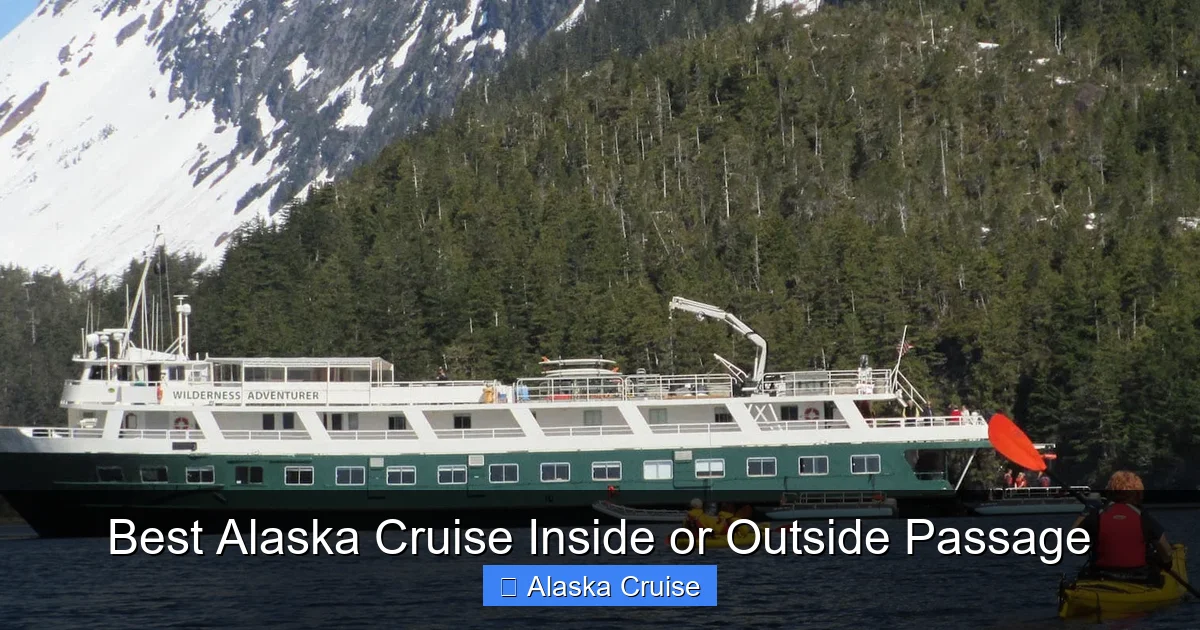
Choosing between an inside or outside passage Alaska cruise depends on your travel style and what you want to see. Inside passage cruises offer calm waters and frequent port stops, while outside passage routes venture into the open Pacific for dramatic scenery and remote wilderness.
Key Takeaways
- Inside Passage cruises are ideal for first-time cruisers: These routes stay within protected waters, offering smoother sailing, frequent port calls, and easy access to towns like Juneau, Ketchikan, and Skagway.
- Outside Passage cruises deliver raw, remote beauty: These longer, more adventurous itineraries sail into the Gulf of Alaska, reaching places like Glacier Bay and Hubbard Glacier with fewer crowds and more wildlife.
- Wildlife viewing varies by route: Inside passage offers orcas, humpback whales, and sea lions near shore, while outside passage increases chances of spotting brown bears, sea otters, and puffins in wilder settings.
- Weather and sea conditions differ significantly: Inside passage has milder weather and calmer seas, making it better for those prone to motion sickness. Outside passage can be rougher but offers more dramatic coastal views.
- Port experiences contrast greatly: Inside passage ports are more developed with shops and tours, while outside passage stops are often remote, with fewer amenities but greater natural immersion.
- Best time to cruise is May through September: Summer months offer the most stable weather, peak wildlife activity, and full access to national parks and glaciers.
- Choose your cruise line based on experience: Luxury lines like Seabourn and Silversea offer intimate outside passage journeys, while mainstream lines like Princess and Holland America balance both routes with family-friendly amenities.
[FEATURED_IMAGE_PLACEHOLDER]
Introduction: Why Alaska Cruises Are a Bucket-List Adventure
Imagine standing on the deck of a ship, binoculars in hand, as a massive glacier calves into the sea with a thunderous crack. Or picture yourself sipping coffee at sunrise, watching a pod of humpback whales breach just off the starboard side. This is the magic of an Alaska cruise—a journey through one of the world’s last true wildernesses, where nature takes center stage.
Alaska cruises are more than just vacations; they’re immersive experiences that blend adventure, education, and awe-inspiring scenery. Whether you’re a nature lover, photography enthusiast, or simply seeking a break from the daily grind, Alaska offers something unforgettable. But with so many cruise options available, one of the first decisions you’ll face is whether to sail the inside passage or venture into the outside passage. Each route offers a unique flavor of Alaska, and understanding the differences can help you choose the perfect voyage.
What Is the Inside Passage?
The Inside Passage is a protected waterway that winds along the Pacific coast of British Columbia and southeastern Alaska. It’s a network of fjords, inlets, and islands sheltered by the Coast Mountains, creating calm waters ideal for cruising. This route is the most popular for Alaska cruises, especially for first-time visitors, because it offers a balance of natural beauty, cultural experiences, and accessibility.
Geography and Route Overview
The Inside Passage stretches from Seattle or Vancouver up through British Columbia, entering Alaska near the border at the Dixon Entrance. From there, ships sail northward through narrow channels like Stephens Passage and Chatham Strait, eventually reaching major ports such as Ketchikan, Juneau, and Skagway. Some itineraries continue to Glacier Bay National Park before turning back south.
Because the waters are sheltered, the Inside Passage is known for its smooth sailing. Waves are minimal, and the risk of rough seas is low—making it a great choice for travelers who are sensitive to motion sickness. The route also allows ships to stay relatively close to shore, offering constant views of lush rainforests, snow-capped peaks, and coastal communities.
Port Stops and Shore Experiences
One of the biggest advantages of the Inside Passage is the variety of port stops. Each town offers a unique glimpse into Alaska’s history, culture, and natural wonders.
- Ketchikan: Known as the “Salmon Capital of the World,” Ketchikan is your first real taste of Alaska. Walk the historic Creek Street, visit the Totem Heritage Center, or take a floatplane tour to Misty Fjords National Monument.
- Juneau: Alaska’s capital city is only accessible by boat or plane. Here, you can hike the Mendenhall Glacier Trail, go whale watching in Auke Bay, or take a dog sledding tour on a glacier (weather permitting).
- Skagway: Step back in time in this Gold Rush-era town. Ride the White Pass & Yukon Route Railway, pan for gold, or explore the historic downtown district.
- Glacier Bay National Park: A UNESCO World Heritage Site, this park is a highlight for many cruisers. Ships slow to a crawl as rangers come aboard to share insights about the glaciers, wildlife, and ecosystem.
These ports are well-developed for tourism, with shops, restaurants, and organized tours. This makes the Inside Passage ideal for travelers who want a mix of relaxation and structured activities.
What Is the Outside Passage?
The Outside Passage refers to cruise routes that venture beyond the sheltered waters of the Inside Passage and into the open Pacific Ocean or the Gulf of Alaska. These itineraries are less common and typically longer, often starting or ending in cities like Seward or Whittier (near Anchorage) rather than Seattle or Vancouver.
Geography and Route Overview
Outside Passage cruises often follow the Glacier Route, which includes destinations like Hubbard Glacier, College Fjord, and the Kenai Fjords. These areas are more remote and less developed, offering a raw, untamed version of Alaska. Ships may sail through the open waters of the Gulf of Alaska, where the coastline is rugged, windswept, and dotted with small fishing villages.
Because these routes are exposed to open ocean, sea conditions can be rougher—especially in early summer or late fall. However, this also means fewer ships and more solitude. You’ll often have the fjords and glaciers almost to yourself, especially on smaller expedition-style vessels.
Port Stops and Shore Experiences
Port options on the Outside Passage are more limited and often less touristy. Instead of bustling towns, you might visit remote communities or natural landmarks with minimal infrastructure.
- Seward: A gateway to Kenai Fjords National Park, Seward offers access to Exit Glacier and boat tours that explore the fjords for sea otters, puffins, and whales.
- Whittier: A small port town accessible via the Anton Anderson Memorial Tunnel (the only vehicle tunnel in North America that also carries a railroad). From here, you can take a train or boat into Prince William Sound.
- Hubbard Glacier: One of the largest tidewater glaciers in North America, Hubbard Glacier is a must-see. Ships often stop for hours as chunks of ice calve into the water—a truly unforgettable sight.
- College Fjord: Located in Prince William Sound, this fjord is home to dozens of glaciers named after Ivy League colleges. It’s a photographer’s dream, with towering ice walls and pristine waters.
These stops are more about nature than shopping. You’ll find fewer souvenir shops and more opportunities for hiking, kayaking, and wildlife viewing. It’s a great choice for travelers who want to disconnect and immerse themselves in Alaska’s wild side.
Inside vs. Outside Passage: Key Differences
Now that you understand both routes, let’s break down the key differences to help you decide which is right for you.
Scenery and Wildlife
Both routes offer stunning scenery, but the type of beauty differs. The Inside Passage is lush and green, with dense temperate rainforests, waterfalls, and sheltered coves. Wildlife is abundant, but often seen from a distance—think orcas breaching near shore or sea lions lounging on rocks.
The Outside Passage, by contrast, is raw and dramatic. You’ll see towering glaciers, rugged coastlines, and vast open waters. Wildlife here is often more diverse and accessible—brown bears fishing for salmon in rivers, sea otters floating on kelp beds, and puffins nesting on cliffs. The sense of wilderness is stronger, and the views are often more expansive.
Weather and Sea Conditions
Weather is a major factor. The Inside Passage enjoys milder temperatures and calmer seas, especially in July and August. Rain is common, but storms are rare. This makes it ideal for families, seniors, or anyone concerned about seasickness.
The Outside Passage can be windier and wetter, with cooler temperatures and rougher seas—particularly in May, June, and September. If you’re prone to motion sickness, consider taking medication or choosing a mid-ship cabin on a larger vessel. That said, the payoff is often clearer skies and more dramatic lighting for photography.
Cruise Duration and Itinerary Length
Inside Passage cruises are typically 7 days, sailing round-trip from Seattle or Vancouver. Some extended itineraries add a stop in Victoria, BC, or continue to Glacier Bay. These are perfect for a week-long vacation with minimal travel time.
Outside Passage cruises are often longer—10 to 14 days—and may start or end in Seward or Whittier. This requires flying into or out of Anchorage, which adds travel time and cost. However, the longer duration allows for deeper exploration and more time in remote areas.
Ship Size and Cruise Style
Inside Passage routes are served by large mainstream cruise lines like Carnival, Norwegian, and Royal Caribbean. These ships offer extensive amenities—multiple dining options, theaters, pools, and kids’ clubs. They’re great for families and those who want a full-service vacation.
Outside Passage cruises are often operated by smaller, expedition-focused lines like Lindblad Expeditions, UnCruise Adventures, or Silversea. These ships carry fewer passengers and emphasize education, wildlife viewing, and adventure. You’ll have naturalists on board, Zodiac landings, and more intimate experiences. It’s a more immersive, less commercialized way to see Alaska.
Best Time to Cruise: Timing Your Alaska Adventure
Alaska’s cruise season runs from mid-May to mid-September, with each month offering a different experience.
May and Early June: Spring Awakening
The season kicks off in May, when snow is still melting and waterfalls are at their peak. Wildlife is active, and the landscape is lush and green. However, some tours and parks may not be fully open, and weather can be unpredictable. This is a great time for budget travelers, as prices are lower and crowds are smaller.
July and August: Peak Season
These are the most popular months, with the best weather, longest daylight hours, and full access to all ports and attractions. Wildlife is abundant—whales, bears, and birds are all active. However, expect higher prices and more crowds, especially in Glacier Bay and popular towns like Skagway.
September: Fall Colors and Fewer Crowds
As summer ends, the landscape transforms with golden aspens and red fireweed. Wildlife is still active, and the weather remains mild in early September. By late September, some ports may close, and sea conditions can become rougher. But for those seeking solitude and stunning fall scenery, this is a magical time to cruise.
Choosing the Right Cruise Line and Ship
Your cruise line choice can dramatically affect your Alaska experience. Here’s a quick guide to help you pick the best fit.
Mainstream Cruise Lines (Inside Passage Focus)
- Princess Cruises: Known for their “North to Alaska” program, Princess offers excellent shore excursions and comfortable ships. Their itineraries often include Glacier Bay and multiple Inside Passage ports.
- Holland America Line: Offers a more refined experience with enrichment programs, cooking demos, and expert naturalists. Great for travelers who want a balance of comfort and education.
- Norwegian Cruise Line: Offers flexible dining and entertainment, with a focus on fun and relaxation. Ideal for families and those who want a lively atmosphere.
Expedition and Luxury Lines (Outside Passage Focus)
- Lindblad Expeditions (in partnership with National Geographic): Small ships, expert guides, and immersive wildlife experiences. Perfect for photographers and nature lovers.
- UnCruise Adventures: Adventure-focused with kayaking, hiking, and Zodiac tours. Ships are small and intimate, with a focus on active exploration.
- Silversea and Seabourn: Luxury all-suite ships with personalized service. Ideal for travelers who want comfort without sacrificing access to remote areas.
Tips for First-Time Alaska Cruisers
Whether you choose the Inside or Outside Passage, here are some practical tips to make your trip unforgettable.
Pack Smart for Variable Weather
Alaska’s weather can change quickly. Layering is key—bring a waterproof jacket, warm fleece, gloves, and a hat. Don’t forget binoculars, a good camera, and motion sickness remedies if needed.
Book Shore Excursions Early
Popular tours like whale watching, glacier hikes, and dog sledding fill up fast—especially in peak season. Book in advance through your cruise line or a trusted local operator.
Respect Wildlife and the Environment
Keep a safe distance from animals, never feed wildlife, and follow park guidelines. Alaska’s ecosystems are fragile, and responsible tourism helps preserve them for future generations.
Stay Flexible
Weather can impact itineraries. Glaciers may be obscured by fog, or ports may be skipped due to storms. Embrace the unpredictability—it’s part of the adventure.
Conclusion: Which Route Is Right for You?
So, which is the best Alaska cruise—inside or outside passage? The answer depends on your travel style, interests, and priorities.
If you’re looking for a classic Alaska experience with comfortable sailing, frequent port stops, and a mix of culture and nature, the Inside Passage is your best bet. It’s perfect for families, first-time cruisers, and those who want a well-rounded vacation with plenty of activities.
If you crave adventure, solitude, and raw natural beauty, the Outside Passage offers a more immersive and rugged journey. It’s ideal for nature enthusiasts, photographers, and travelers who want to explore Alaska’s wildest corners.
No matter which route you choose, an Alaska cruise is a journey you’ll remember for a lifetime. From the thunder of calving glaciers to the quiet beauty of a misty fjord, Alaska’s magic is in its ability to inspire awe. So pack your bags, bring your sense of wonder, and get ready to sail into one of the most breathtaking places on Earth.
FAQs
What’s the difference between inside and outside passage Alaska cruises?
The inside passage stays within protected waters, offering calm sailing and frequent port stops. The outside passage ventures into the open Pacific, providing more remote scenery, rougher seas, and fewer crowds.
Which route is better for wildlife viewing?
Both routes offer great wildlife, but the outside passage increases chances of seeing brown bears, sea otters, and puffins in wilder settings. The inside passage is better for whales and sea lions near shore.
Is the inside passage better for first-time cruisers?
Yes. The inside passage has calmer waters, more amenities, and easier access to towns and tours, making it ideal for beginners.
Can I see glaciers on both routes?
Absolutely. The inside passage includes Glacier Bay, while the outside passage features Hubbard Glacier and College Fjord—some of the most impressive ice formations in Alaska.
What’s the best time of year for an Alaska cruise?
July and August offer the best weather and full access to attractions. May and September are quieter and more affordable, with unique seasonal beauty.
Do I need to fly into a different city for an outside passage cruise?
Often yes. Outside passage cruises may start or end in Seward or Whittier, requiring a flight to or from Anchorage. Inside passage cruises typically depart from Seattle or Vancouver.
This is a comprehensive guide about best alaska cruise inside or outside passage.
Key Takeaways
- Understanding best alaska cruise inside or outside passage: Provides essential knowledge
Frequently Asked Questions
What is best alaska cruise inside or outside passage?
best alaska cruise inside or outside passage is an important topic with many practical applications.