Planning an Alaska cruise? This best Alaska cruise guide covers everything you need—from top cruise lines and ideal travel times to must-see wildlife and shore excursions. Whether you’re a first-timer or a seasoned cruiser, our expert tips ensure a smooth, scenic, and unforgettable journey through America’s last frontier.
Key Takeaways
- Best Time to Cruise: May through September offers mild weather, long daylight hours, and peak wildlife activity.
- Top Cruise Lines: Holland America, Princess, and Norwegian offer reliable service, scenic routes, and enriching onboard experiences.
- Must-Visit Ports: Juneau, Ketchikan, Skagway, and Glacier Bay National Park are iconic stops with rich history and natural beauty.
- Wildlife Viewing: Expect to see humpback whales, sea otters, bears, and eagles—bring binoculars and a good camera.
- Shore Excursions: Book ahead for glacier hikes, dog sledding, and whale-watching tours to maximize your time ashore.
- Packing Tips: Layered clothing, waterproof gear, and sturdy shoes are essential for Alaska’s unpredictable weather.
- Budgeting Smart: Factor in airfare, excursions, gratuities, and onboard expenses to avoid surprises.
📑 Table of Contents
- Why an Alaska Cruise Should Be on Your Bucket List
- When to Go: Choosing the Best Time for Your Alaska Cruise
- Top Cruise Lines for an Unforgettable Alaska Experience
- Must-See Ports and Scenic Cruising Highlights
- Wildlife and Nature: What to Expect and How to Spot It
- Packing Essentials and Practical Tips for Your Cruise
- Conclusion: Your Alaska Adventure Awaits
Why an Alaska Cruise Should Be on Your Bucket List
Imagine standing on the deck of a ship, the crisp mountain air filling your lungs, as a massive glacier calves into the sea with a thunderous crack. Or picture yourself spotting a humpback whale breaching just yards from the ship, its spout glistening in the morning sun. This isn’t a scene from a movie—it’s the reality of an Alaska cruise, one of the most awe-inspiring travel experiences on Earth.
Alaska is a land of extremes: towering snow-capped peaks, ancient glaciers that stretch for miles, and vast wilderness teeming with wildlife. A cruise is the perfect way to explore this rugged, remote region. Unlike road trips or flights, a cruise lets you glide through pristine fjords, dock in charming coastal towns, and enjoy panoramic views from the comfort of a well-appointed ship. You’ll wake up each morning to a new postcard-perfect landscape, all without changing hotels or packing and unpacking.
But an Alaska cruise isn’t just about scenery. It’s a chance to connect with nature, learn about Indigenous cultures, and experience adventure in a safe, accessible way. Whether you’re sipping hot cocoa while watching icebergs float by or hiking through a temperate rainforest, every moment feels like a discovery. And with so many cruise lines, itineraries, and activities to choose from, there’s an Alaska cruise for every traveler—whether you’re seeking luxury, family fun, or rugged exploration.
When to Go: Choosing the Best Time for Your Alaska Cruise

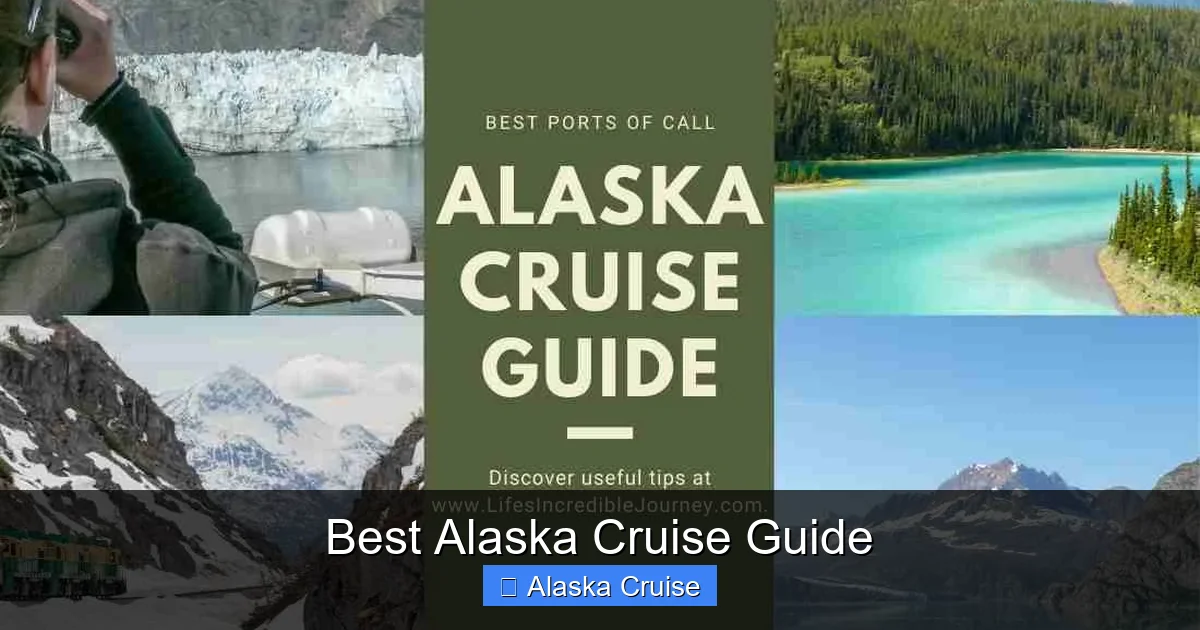
Visual guide about Best Alaska Cruise Guide
Image source: i.pinimg.com
Timing is everything when it comes to an Alaska cruise. The cruising season runs from May to September, but each month offers a unique experience. Choosing the right time depends on your priorities—whether it’s weather, wildlife, or fewer crowds.
May: The Quiet Start
May marks the beginning of the cruise season. The weather is cooler, with daytime temperatures ranging from the 40s to low 60s°F. Snow may still be present in higher elevations, but the landscapes are lush and green. One major advantage? Fewer tourists. You’ll have more space on the ship and at ports, and excursions are often less crowded. Wildlife is active, especially bears emerging from hibernation and migratory birds returning. However, some attractions and restaurants in port towns may still be closed, so check ahead.
June and July: Peak Season
These are the most popular months for Alaska cruises—and for good reason. The weather is at its best, with long daylight hours (up to 18 hours of sunlight in Juneau) and mild temperatures in the 50s to 70s°F. This is prime time for wildlife viewing: whales are abundant, bears are fishing for salmon, and wildflowers are in full bloom. It’s also the best time for outdoor activities like hiking, kayaking, and flightseeing. The downside? Crowds. Ships are full, ports are busy, and popular excursions book up fast. If you’re traveling during this time, book your cruise and shore excursions well in advance.
August: A Balanced Choice
August offers a great middle ground. The weather is still pleasant, though slightly cooler than July, and the crowds begin to thin. Wildlife remains active, especially during the salmon runs, which attract bears and eagles. You’ll also find better availability for last-minute bookings and potentially lower prices. Some travelers even report seeing the first hints of fall colors in the mountains by late August.
September: The Quiet Farewell
September is the final month of the cruise season. The weather can be unpredictable—cooler temperatures, more rain, and the possibility of early snow. But for those who don’t mind a bit of chill, September offers stunning scenery. The mountains begin to turn golden, and the wildlife is still active. Plus, you’ll enjoy fewer crowds and often discounted cruise fares. Some ships even offer special “shoulder season” deals. Just be prepared for shorter daylight hours and the possibility that some attractions may close early.
Top Cruise Lines for an Unforgettable Alaska Experience
Not all cruise lines are created equal—especially when it comes to Alaska. Some specialize in luxury, others in adventure, and a few in family-friendly fun. Choosing the right cruise line can make or break your trip. Here are the top options for a memorable Alaska cruise.
Holland America Line: Classic Elegance and Expertise
Holland America has been cruising Alaska for over 70 years, and it shows. Known for its refined service, spacious staterooms, and enriching onboard programming, Holland America offers a classic cruise experience with a focus on destination immersion. Their ships, like the ms Nieuw Amsterdam and ms Volendam, are mid-sized, which means better access to narrow fjords and smaller ports. They also partner with the Glacier Bay National Park Service, offering ranger-led talks and enhanced wildlife viewing. If you appreciate a slower pace, cultural enrichment, and top-notch dining, Holland America is a solid choice.
Princess Cruises: Scenic Views and Onboard Comfort
Princess Cruises is another Alaska veteran, with a fleet designed specifically for the region. Their ships feature the iconic “Movies Under the Stars” outdoor theater and the “North to Alaska” programming, which includes cooking demos, local music, and storytelling. Princess also offers the “Concierge Class” for added perks like priority boarding and reserved seating. Their itineraries often include Glacier Bay, and they have a strong reputation for excellent service and comfortable accommodations. Families and couples alike enjoy the balance of relaxation and activity.
Norwegian Cruise Line: Freestyle Cruising and Flexibility
If you prefer a more casual, flexible experience, Norwegian Cruise Line (NCL) might be your best bet. Known for “Freestyle Cruising,” NCL allows you to dine when and where you want, with no fixed seating times. This is great for travelers who want to maximize shore time or enjoy a late-night snack after an excursion. Their ships, like the Norwegian Bliss and Norwegian Encore, are larger and offer a wide range of dining, entertainment, and activity options. NCL also offers unique Alaska itineraries, including round-trip voyages from Seattle and extended 10- to 14-day cruises.
Celebrity Cruises: Modern Luxury and Scenic Focus
Celebrity Cruises combines modern design with a strong emphasis on Alaska’s natural beauty. Their ships feature floor-to-ceiling windows, spacious balconies, and upscale dining options. The “Celebrity Edge” class ships, like the Celebrity Edge and Celebrity Apex, offer innovative features like the Magic Carpet—a moving platform that serves as a restaurant, bar, and embarkation station. Celebrity’s Alaska itineraries often include scenic cruising through Tracy Arm Fjord and Hubbard Glacier, with expert naturalists onboard to enhance the experience.
Small Ship and Expedition Cruises: For the Adventurous
For travelers seeking a more intimate, immersive experience, small ship and expedition cruises are worth considering. Lines like UnCruise Adventures, Lindblad Expeditions (in partnership with National Geographic), and Alaskan Dream Cruises operate smaller vessels that can navigate remote waterways and offer up-close wildlife encounters. These cruises often include guided hikes, Zodiac tours, and visits to Indigenous communities. While they may lack the amenities of larger ships, they offer unparalleled access and authenticity.
Must-See Ports and Scenic Cruising Highlights
One of the biggest draws of an Alaska cruise is the variety of ports and natural wonders you’ll encounter. Each stop offers something unique—from gold rush history to glacier views. Here are the top destinations you shouldn’t miss.
Juneau: The Capital City with Wild Surroundings
Juneau, Alaska’s capital, is accessible only by boat or plane—making it a special stop on any cruise. Nestled between mountains and the sea, Juneau offers a mix of urban charm and wild adventure. Don’t miss the Mendenhall Glacier, a 13-mile-long glacier just 12 miles from downtown. You can hike the trails, take a guided tour, or even kayak near its face. For wildlife lovers, a whale-watching tour is a must—humpback whales are frequently spotted in the surrounding waters. Juneau also has a rich Gold Rush history, with museums and historic sites to explore.
Ketchikan: The Salmon Capital of the World
Known as the “Salmon Capital of the World,” Ketchikan is a colorful town built on stilts over the water. It’s a great place to learn about Alaska’s fishing industry and Indigenous cultures. Visit the Totem Heritage Center to see restored totem poles, or take a guided tour of a Native village. The nearby Misty Fjords National Monument is a breathtaking wilderness area with towering cliffs, waterfalls, and pristine lakes—best explored by flightseeing tour. Don’t forget to try fresh salmon at one of the local restaurants.
Skagway: A Step Back in Time
Step into the Gold Rush era in Skagway, a historic town that once boomed with prospectors heading to the Klondike. The White Pass and Yukon Route Railway offers a scenic train ride through steep mountain passes—one of the most popular excursions in Alaska. You can also visit the Klondike Gold Rush National Historical Park, pan for gold, or take a dog sledding tour. Skagway’s wooden boardwalks and false-front buildings make it feel like a living museum.
Glacier Bay National Park: A UNESCO World Heritage Site
One of the most awe-inspiring parts of any Alaska cruise is the day spent in Glacier Bay National Park. This UNESCO World Heritage Site is home to over a dozen active glaciers, including the massive Margerie and Lamplugh Glaciers. As your ship slowly navigates the bay, you’ll witness calving events—when chunks of ice break off and crash into the water. Park rangers come aboard to share insights about the ecosystem and wildlife. Keep your camera ready for sea otters, harbor seals, and possibly even brown bears on the shore.
Hubbard Glacier: North America’s Largest Tidewater Glacier
Another highlight is Hubbard Glacier, a 7-mile-wide river of ice that stretches over 70 miles. It’s one of the few glaciers in the world that’s actually advancing. Ships typically spend several hours cruising near the glacier, giving you plenty of time to take photos and feel the chill of the ice. On clear days, you might even hear the glacier “sing” as it shifts and cracks. This is a truly unforgettable experience—one that captures the raw power of nature.
Scenic Cruising: Tracy Arm and Misty Fjords
In addition to port stops, many cruises include scenic cruising through narrow fjords and waterways. Tracy Arm, near Juneau, is a fjord so deep and narrow that ships must turn around inside it. It’s home to the twin Sawyer Glaciers and frequent sightings of black bears and mountain goats. Misty Fjords, near Ketchikan, offers dramatic cliffs rising thousands of feet from the water—best viewed from a small boat or plane.
Wildlife and Nature: What to Expect and How to Spot It
Alaska is a wildlife paradise, and a cruise offers some of the best viewing opportunities. From marine mammals to birds and land animals, the region is teeming with life. Knowing what to look for—and when—can enhance your experience.
Marine Wildlife
Humpback whales are the stars of the show. These majestic creatures are commonly seen feeding in Alaska’s nutrient-rich waters, especially in summer. Look for their distinctive flukes as they dive. Orcas (killer whales) are also present, though less frequently spotted. Sea otters are a common sight, often floating on their backs in kelp beds. Harbor seals and Steller sea lions can be seen lounging on ice floes near glaciers.
Land Animals
While on shore, keep an eye out for black and brown bears, especially near salmon streams in July and August. Mountain goats and Dall sheep are often seen on steep cliffs, particularly in areas like Tracy Arm and Glacier Bay. Moose and Sitka black-tailed deer may be spotted in forested areas near towns.
Birds
Alaska is a birdwatcher’s dream. Bald eagles are everywhere—perched on trees, soaring overhead, or diving for fish. Puffins, cormorants, and a variety of seabirds nest along the coast. During migration seasons (spring and fall), you might see thousands of birds in flight.
Tips for Wildlife Viewing
Bring binoculars and a zoom lens for your camera. Dress warmly—even in summer, it can be chilly on deck. Be patient and quiet when spotting animals. And always respect wildlife by keeping a safe distance. Many ships have naturalists or guest speakers who can help identify species and share fascinating facts.
Packing Essentials and Practical Tips for Your Cruise
Packing for an Alaska cruise is different from a tropical getaway. The weather can change quickly, and you’ll need gear for both onboard comfort and shore adventures.
Clothing
Layering is key. Start with a moisture-wicking base layer, add a fleece or sweater, and top it off with a waterproof jacket. Pack long pants, warm socks, and a hat and gloves—even in summer. Waterproof shoes with good grip are essential for slippery decks and wet shore excursions. Don’t forget a swimsuit for the hot tub and casual clothes for dining.
Gear and Accessories
A good pair of binoculars is a must for wildlife and glacier viewing. A compact camera or smartphone with a zoom lens will help capture distant sights. Bring a reusable water bottle, sunscreen, and sunglasses—yes, even in Alaska, the sun can be strong. A small backpack is useful for day trips.
Health and Safety
Pack any prescription medications in your carry-on. Motion sickness remedies can be helpful, especially in rough seas. Travel insurance is highly recommended, as weather delays and cancellations can happen. Check your cruise line’s vaccination and health requirements before departure.
Onboard Tips
Arrive a day early to avoid travel stress. Take advantage of onboard lectures and enrichment programs. Book popular shore excursions as soon as booking opens—they fill up fast. Tip your crew at the end of the cruise (typically $14–$18 per day per person). And don’t forget to enjoy the small moments: a hot drink on the deck at sunrise, a local musician playing in the lounge, or a quiet evening under the northern lights (if you’re lucky).
Conclusion: Your Alaska Adventure Awaits
An Alaska cruise is more than a vacation—it’s a journey into one of the world’s last great wildernesses. From the thunder of calving glaciers to the quiet beauty of a misty fjord, every moment is a reminder of nature’s power and wonder. With the right planning, the right cruise line, and the right mindset, your trip can be everything you’ve dreamed of and more.
Whether you’re drawn by the wildlife, the history, or the sheer scale of the landscapes, Alaska delivers. So pack your layers, charge your camera, and get ready for an adventure of a lifetime. The best Alaska cruise guide is just the beginning—your unforgettable journey starts now.
Frequently Asked Questions
What is the best month to take an Alaska cruise?
June and July offer the best weather, longest daylight hours, and peak wildlife activity, making them the most popular months. However, May and September provide fewer crowds and lower prices, with still-good conditions for sightseeing.
Do I need a passport for an Alaska cruise?
If your cruise departs and returns to the same U.S. port (like Seattle or Vancouver), a passport is not required—but it’s highly recommended in case of emergencies. If your itinerary includes foreign ports like Victoria, Canada, a passport is mandatory.
Are Alaska cruises family-friendly?
Yes! Many cruise lines offer kids’ clubs, family excursions, and educational programs. Ships like Norwegian and Princess have activities for all ages, making them great choices for families.
How much should I budget for shore excursions?
Shore excursions typically range from $50 to $300 per person, depending on the activity. Whale watching, glacier hikes, and flightseeing tours are on the higher end. Book early for the best selection and prices.
Can I see the northern lights on an Alaska cruise?
The northern lights (aurora borealis) are most visible in late fall and winter, outside the cruise season. However, if you’re on a late September cruise and have clear, dark skies, you might get lucky—though it’s not guaranteed.
What should I wear on an Alaska cruise?
Pack layered clothing, including a waterproof jacket, warm layers, and sturdy shoes. Even in summer, temperatures can be cool, especially on deck or during excursions. Don’t forget a hat, gloves, and binoculars.