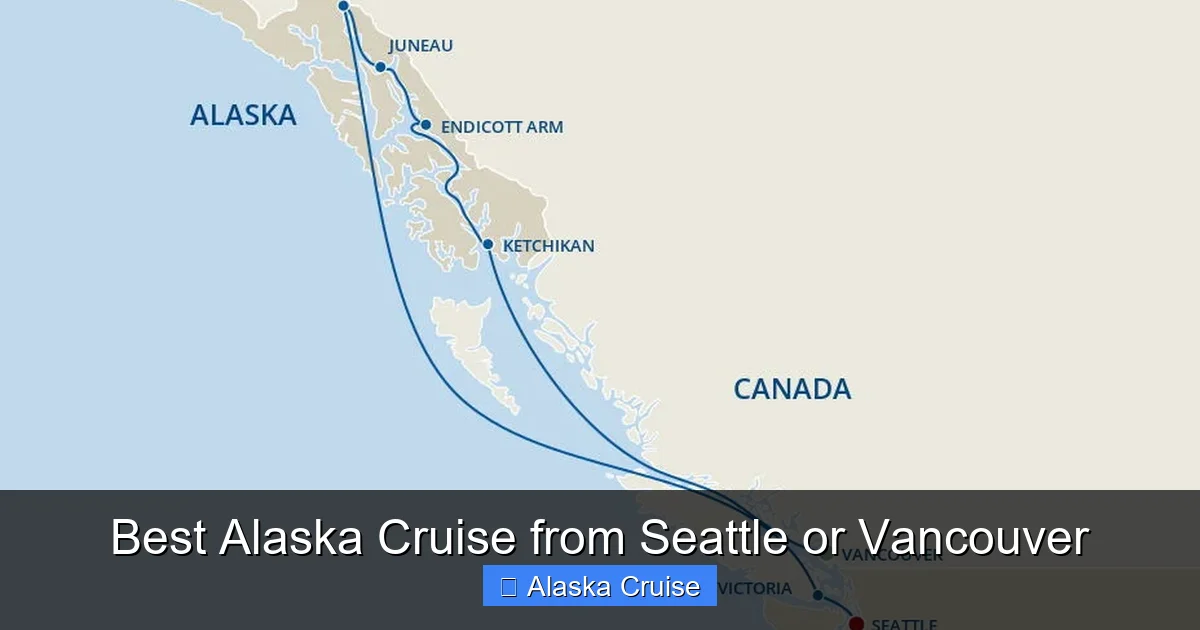
Choosing the best Alaska cruise from Seattle or Vancouver can transform your summer getaway into a once-in-a-lifetime journey. Whether you’re drawn to glaciers, wildlife, or charming coastal towns, both departure cities offer unique advantages and unforgettable itineraries.
Dreaming of icy fjords, towering glaciers, and rugged coastlines? An Alaska cruise from Seattle or Vancouver might just be the adventure you’ve been waiting for. These two vibrant Pacific Northwest cities serve as the primary gateways to one of the world’s most spectacular cruise destinations. Whether you’re a first-time cruiser or a seasoned traveler, the journey through Alaska’s Inside Passage offers a mix of natural wonders, cultural experiences, and unforgettable moments that few other vacations can match.
Alaska’s dramatic landscapes—carved by glaciers over millennia—come alive as your ship glides past snow-capped peaks, lush rainforests, and remote fishing villages. From the comfort of your balcony or the open decks, you’ll witness calving glaciers, breaching whales, and eagles soaring above emerald waters. And the best part? You can start this incredible journey from either Seattle, Washington, or Vancouver, British Columbia—each offering its own unique flavor and logistical advantages.
So, how do you choose between these two departure cities? And which cruise line and itinerary will give you the most bang for your buck? In this guide, we’ll break down everything you need to know to plan the best Alaska cruise from Seattle or Vancouver, including top routes, must-see ports, cruise line comparisons, and insider tips to make your trip seamless and unforgettable.
Key Takeaways
- Seattle and Vancouver offer distinct cruise experiences: Seattle cruises often include round-trip itineraries with more time in port, while Vancouver departures frequently feature one-way routes through the Inside Passage.
- Best time to cruise Alaska is May through September: Peak season (June–August) offers warm weather and long daylight hours, but shoulder months provide fewer crowds and better deals.
- Top cruise lines include Holland America, Princess, and Norwegian: Each offers unique onboard experiences, from luxury dining to family-friendly activities and expedition-style adventures.
- Glacier viewing is a highlight on every itinerary: Expect stops at Hubbard Glacier, Glacier Bay, and Tracy Arm Fjord—don’t forget your camera and warm layers.
- Wildlife sightings are common and thrilling: Look for humpback whales, sea otters, bald eagles, and brown bears during shore excursions and scenic cruising.
- Shore excursions enhance your Alaska experience: Book whale watching, dog sledding on glaciers, or cultural tours in towns like Juneau and Ketchikan.
- Packing smart is essential: Layered clothing, waterproof gear, and binoculars are must-haves for unpredictable weather and optimal wildlife viewing.
📑 Table of Contents
Why Choose an Alaska Cruise from Seattle or Vancouver?
Alaska cruises departing from Seattle or Vancouver are among the most popular ways to explore the Last Frontier. Both cities offer excellent infrastructure, international airports, and a range of cruise options that cater to different budgets and travel styles. But what sets them apart?
Seattle, known for its coffee culture, tech scene, and iconic Space Needle, provides a convenient U.S. departure point for American travelers. Most Seattle-based cruises are round-trip, meaning you’ll leave and return to the same port—ideal if you want to avoid the hassle of one-way flights. These itineraries typically last 7 to 10 days and often include stops in Juneau, Skagway, Ketchikan, and Glacier Bay National Park. Because you’re not crossing international borders, the process is simpler, and you can enjoy a more relaxed boarding experience.
Vancouver, on the other hand, offers a more international flair. As Canada’s largest coastal city, it’s a major cruise hub with stunning mountain and ocean views. Vancouver-based cruises frequently feature one-way itineraries that begin in Vancouver and end in Seward (near Anchorage) or Whittier, Alaska—or vice versa. This “open-jaw” routing allows you to experience the full length of the Inside Passage and even venture into the Gulf of Alaska. While it requires a bit more planning (you’ll need to book a return flight from a different city), many travelers find the extended journey and varied scenery well worth the effort.
Convenience and Accessibility
Both Seattle and Vancouver are easily accessible by air, car, or train. Seattle-Tacoma International Airport (SEA) and Vancouver International Airport (YVR) serve major airlines and offer direct flights from across North America. If you’re driving, Seattle is a straightforward road trip from cities like Portland, San Francisco, or even Denver. Vancouver is a scenic drive from Seattle (about a 3-hour trip) and offers stunning coastal views along the way.
For international travelers, Vancouver may be the more appealing option due to its proximity to Asia and Europe. Plus, Canadian ports often feel a bit more cosmopolitan, with a blend of Pacific Rim influences and British heritage.
Itinerary Differences
One of the biggest differences between Seattle and Vancouver cruises is the route. Seattle round-trip cruises tend to focus on the southern Inside Passage, with multiple stops in Alaska’s most popular ports. These itineraries are great for first-time cruisers who want a taste of Alaska without committing to a longer journey.
Vancouver one-way cruises, by contrast, often include more remote destinations like Icy Strait Point, Haines, or even Sitka. They also frequently feature scenic cruising in Glacier Bay or Hubbard Glacier, which are harder to reach on round-trip routes. If you’re looking for a more immersive, less-traveled experience, a Vancouver departure might be the better fit.
Top Cruise Lines for Alaska: Which One Is Right for You?
Not all cruise lines are created equal—especially when it comes to Alaska. Some focus on luxury and gourmet dining, while others emphasize adventure and expedition-style experiences. Here’s a look at the top cruise lines offering Alaska cruises from Seattle or Vancouver, and what makes each one stand out.
Holland America Line
Holland America is a longtime favorite among Alaska cruisers, known for its elegant ships, knowledgeable naturalists, and strong focus on destination immersion. Their 7-day “Alaska Inside Passage” cruises from Seattle are particularly popular, offering a balanced mix of scenic cruising, port stops, and onboard enrichment programs.
What sets Holland America apart is their partnership with the Glacier Bay National Park Service. Their ships often receive priority access to Glacier Bay, allowing for extended viewing time. Plus, their onboard “Explorations Central” (EXC) program features local experts who share insights on Alaskan history, wildlife, and culture.
Princess Cruises
Princess Cruises is another Alaska veteran, with a fleet of ships designed specifically for northern waters. Their “Connoisseur Collection” itineraries from Vancouver are highly regarded, offering longer stays in port and more time for scenic cruising.
Princess is also known for its “North to Alaska” program, which brings local Alaskan culture onboard—think live music, regional cuisine, and storytelling sessions. Their ships feature spacious balconies and panoramic lounges, perfect for soaking in the views of Tracy Arm Fjord or the Inside Passage.
Norwegian Cruise Line (NCL)
If you’re looking for a more casual, freestyle cruising experience, Norwegian Cruise Line might be your best bet. NCL offers flexible dining, entertainment, and activity options, making it ideal for families and younger travelers.
Their 7-day “Alaska from Seattle” itineraries include stops in Juneau, Skagway, and Ketchikan, with optional excursions like whale watching and ziplining. NCL’s ships are larger and more vibrant, with multiple pools, water slides, and Broadway-style shows—great if you want a mix of adventure and onboard fun.
Celebrity Cruises
For a more upscale experience, Celebrity Cruises offers modern luxury with a focus on fine dining and wellness. Their “Alaska from Vancouver” itineraries often include longer days at sea for maximum glacier viewing, plus gourmet meals crafted by award-winning chefs.
Celebrity’s Edge-class ships feature innovative design elements like the Magic Carpet—a moving platform that serves as a restaurant, bar, and embarkation station. While pricier, these cruises are perfect for travelers who want comfort and sophistication without sacrificing adventure.
Expedition Cruise Lines: UnCruise and Lindblad Expeditions
If you’re seeking a truly immersive, small-ship experience, consider an expedition cruise. Companies like UnCruise Adventures and Lindblad Expeditions (in partnership with National Geographic) offer intimate voyages with expert naturalists, kayaking excursions, and Zodiac landings in remote areas.
These cruises typically depart from Seattle or Vancouver and focus on wildlife, photography, and cultural encounters. With fewer than 100 passengers, you’ll enjoy personalized service and access to places larger ships can’t reach. While more expensive, they offer a deeper connection to Alaska’s wild heart.
Must-See Ports and Scenic Highlights
No Alaska cruise is complete without visiting its iconic ports and witnessing its natural wonders. Here are the top destinations you’re likely to encounter on a cruise from Seattle or Vancouver—and what makes each one special.
Juneau: The Capital City with Wild Charm
As Alaska’s capital, Juneau is accessible only by boat or plane—making it a unique and memorable stop. Nestled between mountains and sea, this town offers a mix of history, culture, and outdoor adventure.
Don’t miss the Mendenhall Glacier, a 13-mile-long river of ice just 12 miles from downtown. You can hike the trails, take a guided glacier walk, or even kayak near its face. For wildlife lovers, a whale-watching tour is a must—humpbacks are frequently spotted in the surrounding waters.
Juneau is also home to the Alaska State Museum and the historic Red Dog Saloon, where you can enjoy live music and local brews. If you’re feeling adventurous, consider a flightseeing tour over the Juneau Icefield or a dog sledding experience on a glacier.
Skagway: A Step Back in Time
Step into the Gold Rush era in Skagway, a well-preserved frontier town that once buzzed with prospectors heading to the Klondike. Today, it’s a charming port with wooden boardwalks, historic saloons, and the famous White Pass & Yukon Route Railway.
The railway is a highlight—ride the vintage steam train up the steep mountain pass for breathtaking views of waterfalls, cliffs, and valleys. It’s one of the most scenic train rides in North America.
For outdoor enthusiasts, Skagway offers hiking, biking, and even heli-hiking tours. And if you’re lucky, you might spot brown bears fishing for salmon in the nearby rivers.
Ketchikan: The Salmon Capital of the World
Known as the “Salmon Capital of the World,” Ketchikan is a colorful fishing town with a rich Native Alaskan heritage. Stroll along Creek Street, a historic boardwalk built over the water, and visit the Totem Heritage Center to see intricately carved totem poles.
Ketchikan is also a prime spot for wildlife viewing. Take a boat tour to see sea lions, otters, and—if you’re lucky—bald eagles. The Misty Fjords National Monument, just a short flight away, offers dramatic cliffs, waterfalls, and pristine wilderness.
Don’t forget to try some fresh salmon at a local restaurant or food truck. Whether it’s grilled, smoked, or in chowder, it’s a taste of Alaska you won’t forget.
Glacier Bay National Park: A UNESCO World Heritage Site
One of the most awe-inspiring experiences on any Alaska cruise is sailing through Glacier Bay National Park. This UNESCO World Heritage Site is home to over a dozen active glaciers, including the massive Margerie and Lamplugh Glaciers.
As your ship glides silently through the bay, you’ll witness calving events—where chunks of ice break off and crash into the water. It’s a powerful reminder of nature’s force and beauty.
Park rangers often come aboard to share insights about the ecosystem, wildlife, and glacial history. Keep your binoculars handy for spotting humpback whales, sea otters, and harbor seals.
Hubbard Glacier: The Largest Tidewater Glacier in North America
If your itinerary includes a stop at Hubbard Glacier, prepare to be amazed. At over 7 miles wide and 300 feet high, it’s one of the most impressive natural sights in Alaska.
Unlike Glacier Bay, Hubbard Glacier is not a national park, so ships can get closer—sometimes within a few hundred yards. The sheer scale of the ice wall is humbling, and the sound of calving can be heard from miles away.
Many cruises offer extended viewing time here, so you can fully appreciate the glacier’s power and beauty. It’s also a great spot for photography, especially at sunrise or sunset when the ice glows in soft pink and orange hues.
Best Time to Cruise Alaska: Timing Your Trip
Timing is everything when it comes to an Alaska cruise. The cruising season runs from May to September, but each month offers a different experience.
May and Early June: Shoulder Season Advantages
Traveling in May or early June means fewer crowds, lower prices, and a more intimate experience. The weather is cooler, but the landscapes are lush and green, and wildlife is active as animals emerge from winter.
You’ll also have a good chance of seeing bears fishing for salmon in places like Pack Creek on Admiralty Island. However, some shore excursions may be limited due to lingering snow or ice.
July and August: Peak Season
These are the most popular months for Alaska cruises, and for good reason. The weather is warmest (average highs in the 60s°F), daylight lasts up to 18 hours, and all excursions are fully operational.
This is also the best time for whale watching, as humpbacks and orcas are frequently spotted. However, expect higher prices and more crowded ports. Booking early is essential.
September: Fall Colors and Fewer Crowds
September offers a unique blend of summer activities and autumn beauty. The leaves begin to change, creating stunning contrasts against the mountains and water. Wildlife is still active, and you may even catch the northern lights on clear nights.
Prices drop significantly in September, and the cruise ships are less crowded. Just be prepared for cooler temperatures and the possibility of rain.
Packing Tips and What to Bring
Packing for an Alaska cruise requires a bit of strategy. The weather can change quickly, and you’ll want to be prepared for everything from sunny deck days to chilly glacier viewing.
Layered Clothing
The key to staying comfortable is layering. Bring a base layer (moisture-wicking fabric), a mid-layer (fleece or sweater), and a waterproof outer shell. Even in summer, temperatures can dip into the 40s°F, especially on the water.
Waterproof Gear
A good rain jacket and waterproof pants are essential. Many shore excursions involve boats, kayaks, or hiking in damp conditions. Don’t forget waterproof shoes or boots with good grip.
Binoculars and Camera
Wildlife and scenic views are best enjoyed up close. Bring binoculars for spotting whales, eagles, and bears from a distance. A camera with a zoom lens will help you capture those once-in-a-lifetime moments.
Other Essentials
Sunscreen, sunglasses, and a hat are important—even on cloudy days, UV rays can be strong. Motion sickness medication is also wise, especially if you’re prone to seasickness. And don’t forget a reusable water bottle and a small daypack for excursions.
Conclusion: Making the Most of Your Alaska Cruise
An Alaska cruise from Seattle or Vancouver is more than just a vacation—it’s an immersion into one of the world’s last great wildernesses. Whether you choose the convenience of a round-trip Seattle departure or the adventure of a one-way Vancouver journey, you’ll be rewarded with stunning scenery, incredible wildlife, and memories that last a lifetime.
Take the time to research your options, compare cruise lines, and book excursions in advance. Pack smart, dress in layers, and keep your camera ready. And most importantly, slow down and savor the moments—whether it’s the silence of a glacier calving or the call of a whale in the distance.
Alaska doesn’t just show you nature at its most powerful—it reminds you of your place within it. And that’s a journey worth taking.
Frequently Asked Questions
Which is better: a cruise from Seattle or Vancouver?
It depends on your travel style. Seattle offers convenient round-trip itineraries with simpler logistics, while Vancouver provides one-way routes that cover more of Alaska’s coastline. Choose Seattle for ease, Vancouver for a longer, more varied adventure.
What is the best time of year to cruise Alaska?
The best time is typically June through August for warm weather and full excursion availability. May and September offer fewer crowds and lower prices, with unique seasonal beauty.
Do I need a passport for an Alaska cruise from Seattle?
If your cruise is round-trip and doesn’t leave U.S. waters, a passport is not required—though it’s highly recommended. For Vancouver departures or international ports, a passport is mandatory.
Can I see whales on an Alaska cruise?
Yes! Humpback whales, orcas, and gray whales are commonly spotted, especially during whale-watching excursions in Juneau, Icy Strait Point, and other coastal areas.
Are Alaska cruises family-friendly?
Absolutely. Many cruise lines, like Norwegian and Princess, offer kids’ clubs, family excursions, and activities for all ages. Just choose a ship with amenities that match your family’s interests.
How far in advance should I book my Alaska cruise?
Book at least 6 to 12 months in advance, especially for peak season (June–August). Early booking ensures better cabin selection, lower prices, and availability for popular shore excursions.