Looking for the best Alaska cruise for sightseeing? These top-rated voyages offer unparalleled views of glaciers, wildlife, and rugged coastlines. From luxury liners to small expedition ships, we’ve rounded up the best options to help you see Alaska’s natural wonders up close.
Key Takeaways
- Choose smaller ships for better access: Expedition-style vessels can navigate narrow fjords and get closer to glaciers and wildlife.
- May to September is peak sightseeing season: Longer days, milder weather, and active wildlife make these months ideal for viewing.
- Glacier Bay and Hubbard Glacier are must-sees: These iconic ice formations are best viewed from ships with forward-facing observation decks.
- Wildlife sightings depend on timing and location: Look for humpback whales in Juneau, sea otters in Ketchikan, and bears in Sitka.
- Onshore excursions enhance the experience: Guided hikes, kayaking, and dog sledding add depth to your sightseeing adventure.
- Opt for a northbound or southbound itinerary: These routes offer more scenic cruising time compared to round-trip voyages from Seattle.
- Pack layers and binoculars: Weather changes fast, and binoculars help you spot wildlife from a distance.
📑 Table of Contents
Why Alaska Is a Top Destination for Sightseeing Cruises
Alaska isn’t just a destination—it’s a natural wonderland that feels like stepping into a postcard. With towering glaciers, snow-capped mountains, lush rainforests, and abundant wildlife, it’s no surprise that Alaska consistently ranks as one of the world’s best cruise destinations for sightseeing. Whether you’re gazing at a calving glacier, spotting a breaching humpback whale, or hiking through a temperate rainforest, every moment feels like a scene from a nature documentary.
What makes Alaska truly special is its raw, untouched beauty. Unlike many cruise destinations where ports are bustling with urban energy, Alaska’s ports are gateways to wilderness. Towns like Juneau, Ketchikan, and Skagway offer charming historic districts, but the real magic lies beyond the docks—where glaciers meet the sea, and eagles soar above misty fjords. A cruise is the perfect way to experience this vast landscape, as ships glide silently through icy waters, offering panoramic views that are impossible to replicate on land.
The Unique Advantages of a Cruise for Alaska Sightseeing
Cruising in Alaska offers a front-row seat to some of the planet’s most dramatic scenery. Unlike road trips or flights, a cruise allows you to cover vast distances while sleeping comfortably each night. You’ll wake up in a new port or scenic waterway, often with a glacier already in view. Ships are designed with large windows, outdoor decks, and even glass-enclosed lounges, ensuring you never miss a sight.
Another advantage is the variety of experiences packed into one trip. One day you might be zipping through a fjord on a kayak, and the next you’re watching a glacier calve from the ship’s bow. Cruises also provide expert naturalists and guides who share insights about the ecosystem, wildlife, and indigenous cultures. This educational layer enriches the sightseeing experience, helping you appreciate the deeper significance of what you’re seeing.
Top Alaska Cruise Lines for Sightseeing
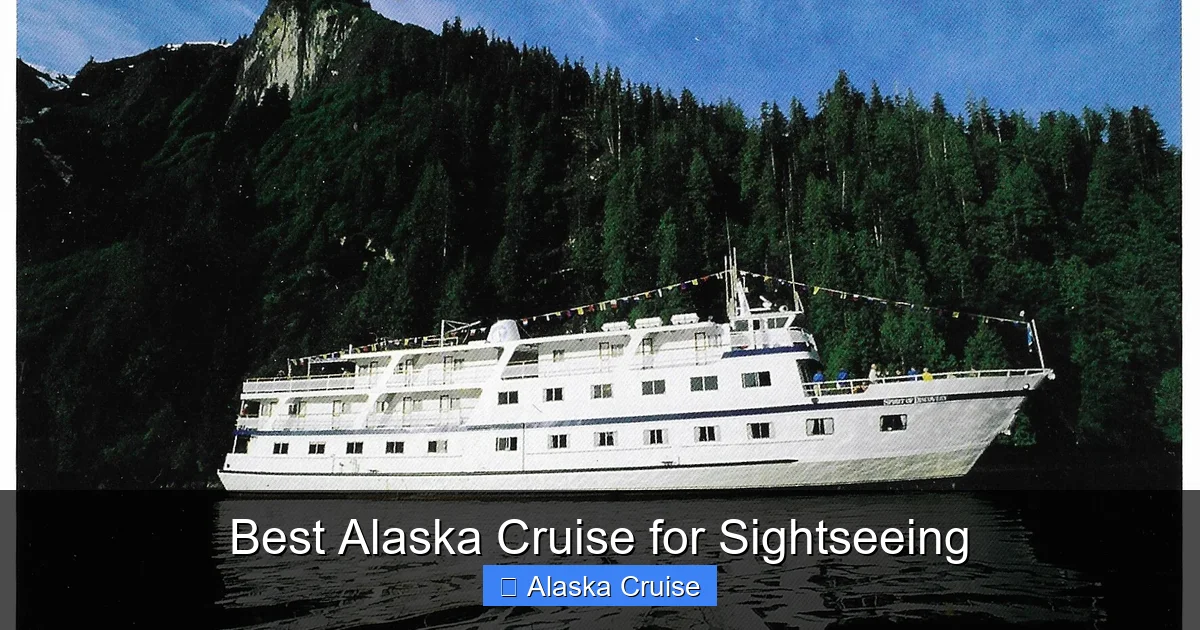
Visual guide about Best Alaska Cruise for Sightseeing
Image source: storage.googleapis.com
Not all cruise lines are created equal when it comes to Alaska sightseeing. Some prioritize luxury, while others focus on adventure and access to remote areas. Here are the top cruise lines that consistently deliver exceptional sightseeing experiences.
Holland America Line: Classic Comfort with Scenic Focus
Holland America has been cruising Alaska for over 70 years, and their expertise shows. Their ships, like the *Nieuw Amsterdam* and *Koningsdam*, are mid-sized, offering a balance between comfort and maneuverability. They spend full days in Glacier Bay National Park—a rare privilege granted only to a few cruise lines—and their itineraries often include lesser-known ports like Haines and Icy Strait Point.
What sets Holland America apart is their emphasis on enrichment. Onboard naturalists from the Glacier Bay National Park Service give daily lectures, and the ship’s observation lounges are perfect for quiet contemplation. Their “Dine with Purpose” program also highlights local Alaskan cuisine, adding a cultural layer to the sightseeing experience.
Princess Cruises: Iconic Itineraries and Glacier Viewing
Princess Cruises is another Alaska veteran, known for their “North to Alaska” program that brings Hollywood flair to the Last Frontier. Their ships, such as the *Emerald Princess* and *Ruby Princess*, feature large viewing areas and outdoor movie screens that play nature documentaries as you cruise past glaciers.
Princess offers a variety of itineraries, including one-way voyages between Vancouver and Whittier (near Anchorage), which maximize scenic cruising time. Their “Cruise Personalizer” app lets you book excursions in advance, ensuring you don’t miss popular activities like the Mendenhall Glacier hike or a whale-watching tour in Juneau.
UnCruise Adventures: Intimate and Immersive
For travelers who want to get off the beaten path, UnCruise Adventures is a standout. Their small ships—some as tiny as 22 passengers—can access narrow inlets and remote bays that larger vessels can’t reach. This means you’ll get closer to wildlife, kayak among icebergs, and even go on guided skiff tours into glacial fjords.
UnCruise focuses on active adventure and sustainability. Their guides are often marine biologists or naturalists, and their itineraries include hiking, paddleboarding, and cultural visits to Tlingit villages. If your idea of sightseeing includes getting your hands dirty and your heart racing, UnCruise is the way to go.
Lindblad Expeditions – National Geographic: Science Meets Adventure
In partnership with National Geographic, Lindblad Expeditions offers a premium, educational experience. Their ships, like the *National Geographic Quest*, are equipped with tools for exploration—underwater cameras, hydrophones, and Zodiacs for up-close encounters.
What makes Lindblad unique is their team of experts: photographers, marine biologists, and cultural historians who lead excursions and give onboard presentations. You might spend the morning photographing sea lions, then attend a lecture on glacial retreat in the afternoon. It’s sightseeing with a purpose—perfect for curious travelers who want to learn as much as they see.
Best Itineraries for Alaska Sightseeing
Choosing the right itinerary can make or break your Alaska cruise. While most cruises follow a similar route, subtle differences in timing, ports, and scenic cruising can greatly impact your experience.
Inside Passage: The Classic Route
The Inside Passage is the most popular Alaska cruise route, stretching from Seattle or Vancouver up through British Columbia and into southeastern Alaska. This itinerary typically includes stops in Ketchikan, Juneau, Skagway, and Glacier Bay, with scenic cruising through Tracy Arm or Endicott Fjord.
Why it’s great for sightseeing: The Inside Passage is rich in wildlife and lush scenery. You’ll pass towering cliffs, cascading waterfalls, and dense forests. Ketchikan offers a glimpse into Native Alaskan culture, while Skagway is a gateway to the Klondike Gold Rush history. Juneau provides access to the Mendenhall Glacier and whale-watching tours.
Tip: Book a port-side cabin on the starboard (right) side of the ship when heading north—you’ll have the best views of the coastline and glaciers.
Gulf of Alaska: The Scenic Detour
The Gulf of Alaska itinerary is less common but offers some of the most dramatic scenery. These cruises often start in Vancouver and end in Whittier or Seward (near Anchorage), or vice versa. They include a full day cruising Hubbard Glacier—one of the most active and impressive glaciers in North America.
Why it’s great for sightseeing: Hubbard Glacier is a showstopper. At over 7 miles wide and 300 feet high, it calves massive icebergs into the bay. The surrounding landscape is rugged and remote, with snow-capped peaks and pristine waters. This route also offers more time in scenic waterways, with fewer port stops but more natural beauty.
Tip: Bring a good camera with a zoom lens—Hubbard Glacier is best viewed from a distance, and you’ll want to capture the icefalls and icebergs.
Round-Trip from Seattle: Convenience with Compromises
Round-trip cruises from Seattle are popular for their convenience—no need to fly into or out of Alaska. However, they often spend less time in scenic areas and more time at sea. Most include stops in Ketchikan, Juneau, and Victoria, BC, with a partial day in Glacier Bay.
Why it’s great for sightseeing: These cruises are ideal for first-timers who want a taste of Alaska without the hassle of one-way travel. Victoria, though not in Alaska, offers a charming contrast with its British colonial architecture and gardens.
Tip: Choose a longer itinerary (7+ days) to maximize scenic cruising time and reduce sea days.
Must-See Natural Wonders on an Alaska Cruise
Alaska is home to some of the world’s most breathtaking natural attractions. Here are the top sights you won’t want to miss.
Glacier Bay National Park
A UNESCO World Heritage Site, Glacier Bay is a living laboratory of glacial retreat and ecological succession. The park spans over 3.3 million acres and is home to over a dozen tidewater glaciers. As your ship glides through the bay, you’ll witness massive ice walls calving into the sea—a thunderous event that sends icebergs bobbing in the water.
Best time to visit: July and August, when the weather is mildest and wildlife is most active. Look for sea otters, harbor seals, and bald eagles along the shores.
Hubbard Glacier
Known as the “Galloping Glacier,” Hubbard is one of the few glaciers in the world that’s advancing. It’s also one of the most accessible, with cruise ships able to get within a mile of its face. The sheer scale is awe-inspiring—imagine a wall of ice taller than a 20-story building.
Best time to visit: Late May to early September. The glacier is most active in summer, with frequent calving events.
Tracy Arm and Endicott Fjord
These narrow, glacier-carved fjords are often described as Alaska’s “Grand Canyon.” Towering granite cliffs rise over 3,000 feet on either side, with waterfalls cascading down their faces. At the head of Tracy Arm lies the Sawyer Glaciers, where icebergs float like scattered diamonds.
Best time to visit: June to August. Smaller ships can navigate these tight spaces, offering intimate views of the glaciers and wildlife.
Wildlife Hotspots
Alaska is a wildlife lover’s paradise. Here’s where to spot the most iconic species:
– **Humpback Whales**: Juneau and Icy Strait Point are prime spots for whale watching. Look for breaching, tail slapping, and bubble-net feeding.
– **Sea Otters**: Common in Ketchikan and Glacier Bay, often seen floating on their backs with pups on their chests.
– **Bears**: Katmai National Park and Admiralty Island (near Sitka) are known for brown bear sightings, especially during salmon runs.
– **Bald Eagles**: Alaska has the largest population of bald eagles in the U.S. Look for them perched in tall trees near water.
Tips for Maximizing Your Alaska Sightseeing Experience
To make the most of your Alaska cruise, a little planning goes a long way. Here are practical tips to enhance your sightseeing adventure.
Pack Smart for Changing Conditions
Alaska’s weather can shift from sunny to rainy in minutes. Pack layers: a waterproof jacket, warm fleece, gloves, and a hat. Waterproof boots are essential for shore excursions. Don’t forget sunscreen and sunglasses—glare off the water and ice can be intense.
Bring the Right Gear
A good pair of binoculars is a must for spotting wildlife from the deck. A camera with a zoom lens will help you capture distant glaciers and animals. Consider a dry bag for kayaking or Zodiac tours.
Book Shore Excursions Early
Popular excursions—like dog sledding on a glacier or a flightseeing tour over Denali—sell out quickly. Book through your cruise line or a trusted local operator as soon as possible. Look for small-group tours for a more personal experience.
Be Flexible and Present
Weather and wildlife are unpredictable. A cloudy day might mean fewer photos, but it could also lead to a surprise whale sighting. Stay flexible, and don’t let a missed tour ruin your trip. Some of the best moments happen spontaneously—like spotting a bear from the deck or hearing a glacier calve in the distance.
Respect the Environment
Alaska’s ecosystems are fragile. Follow guidelines for wildlife viewing—stay at least 100 yards from bears and marine mammals. Take only photos, leave only footprints.
Conclusion: Choosing the Best Alaska Cruise for Sightseeing
The best Alaska cruise for sightseeing is one that aligns with your travel style, interests, and budget. Whether you prefer the comfort of a large ship, the intimacy of a small expedition vessel, or the educational depth of a National Geographic partnership, Alaska offers something for every kind of explorer.
Focus on itineraries that maximize scenic cruising time, include key natural wonders like Glacier Bay and Hubbard Glacier, and offer enriching excursions. Pack appropriately, book early, and stay open to the unexpected. With its glaciers, wildlife, and wild landscapes, Alaska isn’t just a destination—it’s a once-in-a-lifetime experience that will leave you in awe.
So set sail, keep your eyes peeled, and let Alaska’s natural beauty unfold before you. The Last Frontier is waiting.
Frequently Asked Questions
What is the best time of year for an Alaska cruise focused on sightseeing?
The best time for sightseeing is from late May to early September. During these months, the weather is milder, daylight hours are longer, and wildlife is most active. Glaciers are also more accessible, and calving events are more frequent.
Do I need to book shore excursions in advance?
Yes, it’s highly recommended. Popular excursions like whale watching, glacier hikes, and dog sledding often sell out weeks or months in advance. Booking early ensures you get your top choices and often at better prices.
Can I see whales and bears on an Alaska cruise?
Absolutely. Humpback whales are commonly seen in Juneau and Icy Strait Point, especially in July and August. Brown bears can be spotted in areas like Katmai and Admiralty Island, particularly during salmon runs in late summer.
Are small ships better for Alaska sightseeing?
Small ships offer advantages like access to narrow fjords, closer wildlife encounters, and more personalized service. However, larger ships provide more amenities and stability in rough seas. Choose based on your priorities.
What should I wear on an Alaska cruise?
Dress in layers and bring waterproof gear. Mornings and evenings can be chilly, even in summer. Comfortable, non-slip shoes are essential for deck walks and shore excursions.
Is Glacier Bay National Park included on all Alaska cruises?
No, only select cruise lines and itineraries include a full day in Glacier Bay. Holland America and Princess Cruises are among the few that regularly visit. Check your itinerary carefully to ensure it’s included.