Planning the ultimate Alaskan adventure? The best Alaska cruise and land itinerary combines breathtaking coastal scenery with immersive inland exploration. From glacier hikes in Denali to whale watching in Juneau, this guide covers top routes, timing, and must-see stops for an unforgettable journey.
Dreaming of towering glaciers, snow-capped peaks, and breaching whales? Alaska delivers all that and more—but to truly experience the Last Frontier, you need more than just a cruise. The best Alaska cruise and land itinerary blends the convenience and luxury of a ship-based journey with the raw, untamed beauty of Alaska’s interior. Whether you’re a first-time visitor or a seasoned traveler, combining a coastal cruise with an overland adventure offers the most complete and unforgettable Alaskan experience.
Alaska is vast—over 660,000 square miles of wilderness, coastline, and culture. A cruise alone only scratches the surface, gliding past stunning fjords and charming ports. But to feel the crunch of gravel under your boots in Denali, hear the silence of a boreal forest, or witness a grizzly bear catching salmon in a river, you need to step off the ship. That’s where a land extension comes in. By pairing a cruise with a few days exploring Alaska’s national parks, towns, and trails, you create a journey that’s as diverse as it is awe-inspiring.
In this guide, we’ll walk you through the best Alaska cruise and land itinerary options, highlight top routes, and share insider tips to help you plan a seamless, enriching adventure. From choosing the right cruise line to timing your visit and packing smart, we’ve got you covered. Let’s dive in.
Key Takeaways
- Choose the right season: May to September offers mild weather, wildlife activity, and full access to attractions.
- Opt for a cruise-land combo: A 7–10 day cruise paired with 3–5 days on land maximizes your Alaskan experience.
- Denali National Park is a must: Spend at least two days exploring North America’s tallest peak and its wildlife.
- Book excursions early: Popular tours like glacier hikes and dog sledding fill up fast—reserve ahead.
- Pack layers and rain gear: Alaska’s weather changes quickly, so be prepared for sun, rain, and cool temps.
- Consider a one-way itinerary: Fly into Seattle or Anchorage and cruise or drive to Vancouver for a seamless journey.
- Work with a trusted travel advisor: They can help navigate logistics, upgrades, and hidden gems.
📑 Table of Contents
- Why Combine a Cruise with a Land Tour?
- Top Alaska Cruise and Land Itinerary Routes
- Best Time to Go: Timing Your Alaska Adventure
- Must-See Stops on Your Alaska Cruise and Land Itinerary
- Packing Tips for Your Alaska Cruise and Land Adventure
- Choosing the Right Cruise Line and Tour Operator
- Final Tips for a Smooth and Memorable Trip
Why Combine a Cruise with a Land Tour?
Many travelers assume a cruise is enough to see Alaska—and while ships offer incredible views and access to coastal towns, they miss the heart of what makes Alaska so special: its wild interior. A cruise gives you the “wow” moments—glaciers calving into the sea, eagles soaring above, and charming ports like Skagway and Ketchikan. But to truly connect with Alaska, you need to go deeper.
The Best of Both Worlds
A cruise-land combo lets you enjoy the comfort and convenience of a ship while also experiencing the rugged beauty of Alaska’s backcountry. Imagine waking up to a fjord at sunrise, then spending the afternoon hiking through a spruce forest or spotting caribou in the tundra. That’s the magic of a combined itinerary.
Cruises handle the logistics of moving between coastal destinations, often with gourmet meals, entertainment, and expert guides. Meanwhile, land tours let you slow down, immerse yourself in nature, and explore at your own pace. You’ll get a fuller picture of Alaska’s geography, wildlife, and indigenous cultures.
Access to Remote Wonders
Some of Alaska’s most iconic sights—like Denali, the Kenai Fjords, and the Arctic tundra—are only accessible by land. A cruise might drop you off in Seward or Whittier, but it won’t take you deep into Denali National Park or along the scenic Parks Highway. A land extension fills that gap, giving you access to experiences that ships simply can’t provide.
For example, a typical 7-day cruise might include stops in Juneau, Skagway, and Ketchikan. But without a land tour, you’ll miss Denali, Talkeetna, and the stunning landscapes between Anchorage and Fairbanks. By adding 3–5 days on land, you complete the picture.
Flexibility and Variety
Combining cruise and land travel also offers flexibility. You can choose a one-way itinerary—fly into Seattle or Anchorage, cruise north, then explore Alaska’s interior before flying home from Fairbanks or Anchorage. This avoids backtracking and maximizes your time.
Plus, land tours come in all styles: luxury lodges, rustic cabins, guided hikes, wildlife safaris, and cultural experiences. Whether you want to fly over a glacier in a bush plane or learn about Alaska Native traditions in a local village, there’s a land tour to match your interests.
Top Alaska Cruise and Land Itinerary Routes
Visual guide about Best Alaska Cruise and Land Itinerary
Image source: assets.princess.com
Not all cruise-land combos are created equal. The best Alaska cruise and land itinerary depends on your interests, budget, and travel style. Here are three of the most popular and rewarding routes.
Classic Inside Passage + Denali
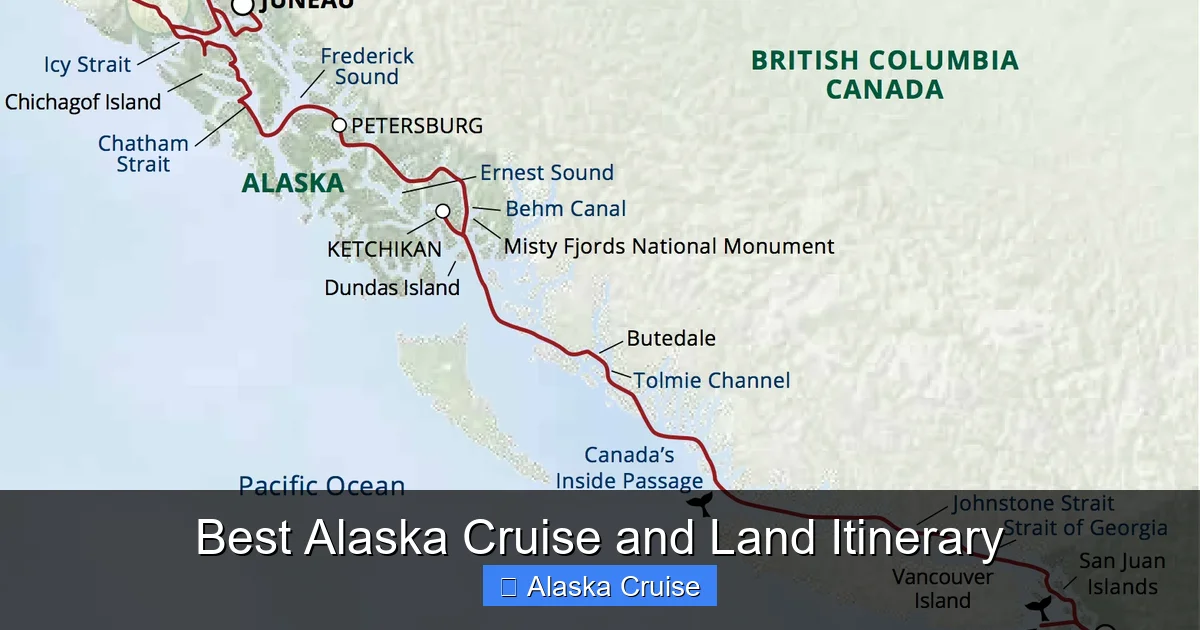
This is the gold standard for first-time visitors. Start with a 7-day round-trip cruise from Seattle or Vancouver, sailing through the Inside Passage. You’ll visit Juneau (Alaska’s capital), Skagway (a Gold Rush town), and Ketchikan (known for its totem poles and rainforests). Then, fly or take a train to Denali National Park for 2–3 days of hiking, wildlife viewing, and scenic drives.
Why it works: You get the full coastal experience plus a deep dive into Alaska’s most famous national park. The contrast between the ocean and the mountains is breathtaking.
Tip: Book a train ride on the Alaska Railroad from Seward or Anchorage to Denali. It’s one of the most scenic train journeys in the world.
Glacier Bay + Kenai Fjords + Anchorage
For nature lovers, this route focuses on glaciers and marine wildlife. Begin with a cruise that includes Glacier Bay National Park—a UNESCO World Heritage Site with massive tidewater glaciers. Then, head to Seward for a day tour of Kenai Fjords National Park, where you can kayak among icebergs or take a boat to see sea otters, puffins, and orcas.
Afterward, spend a night or two in Anchorage, Alaska’s largest city, to explore the Tony Knowles Coastal Trail, visit the Alaska Native Heritage Center, or take a day trip to Chugach State Park.
Why it works: You’ll see two of Alaska’s most spectacular national parks and enjoy a mix of coastal and urban experiences.
Tip: Combine a small ship cruise (like those offered by UnCruise or Lindblad) with a land tour for a more intimate, adventure-focused trip.
Arctic Adventure: Fairbanks + Prudhoe Bay
For the ultimate bucket-list experience, go north. Start with a cruise to Whittier or Seward, then fly to Fairbanks—the gateway to the Arctic. Spend a day exploring the Chena Hot Springs, then take a guided tour to the Arctic Circle or even Prudhoe Bay, the northernmost point in the U.S.
This route is ideal for travelers seeking remote wilderness, northern lights (in late summer or early fall), and a true sense of adventure.
Why it works: You’ll experience Alaska’s far north, a region few visitors ever see. It’s raw, wild, and unforgettable.
Tip: Visit in August or early September for the best chance to see the northern lights and avoid the harshest cold.
Best Time to Go: Timing Your Alaska Adventure
Timing is everything when planning the best Alaska cruise and land itinerary. The state’s short summer season means your window for travel is limited—but each month offers unique advantages.
May: The Quiet Start
May is the shoulder season. Crowds are smaller, prices are lower, and the landscape is waking up from winter. You’ll see wildflowers blooming and animals emerging from hibernation. However, some attractions may still be closed, and weather can be unpredictable.
Best for: Budget travelers and those who prefer quieter experiences.
June to August: Peak Season
These are the most popular months for a reason. Days are long—up to 20 hours of daylight in June—and temperatures are mild, ranging from 50°F to 70°F. Wildlife is active, and all parks, tours, and lodges are open.
July is especially busy, so book early. August offers slightly cooler weather and fewer crowds, plus the chance to see salmon runs and bears fishing.
Best for: Families, first-time visitors, and those wanting full access to activities.
September: The Golden Month
September is a hidden gem. The summer crowds have thinned, the fall colors are stunning (especially in Denali), and the weather is still pleasant. You might even catch the northern lights in the northern regions.
Some cruise lines offer late-season discounts, and land tours are easier to book. However, some attractions begin closing in mid-September.
Best for: Photographers, nature lovers, and travelers seeking value and beauty.
Must-See Stops on Your Alaska Cruise and Land Itinerary
No matter which route you choose, these destinations should be on your list.
Denali National Park
Home to North America’s tallest peak (20,310 feet), Denali is a must-see. Spend at least two days here. Take the park shuttle bus deep into the wilderness (private vehicles are restricted), hike the Savage River Loop, or join a guided wildlife tour. Look for grizzly bears, moose, caribou, and Dall sheep.
Tip: Book the Tundra Wilderness Tour for the best chance to see wildlife and learn from a naturalist guide.
Juneau
Alaska’s capital is only accessible by boat or plane. Visit the Mendenhall Glacier, take a whale-watching tour, or ride the Mount Roberts Tram for panoramic views. Don’t miss a flightseeing tour over the Juneau Icefield—it’s a once-in-a-lifetime experience.
Skagway
Step back in time in this Gold Rush town. Walk the wooden boardwalks, visit the Klondike Gold Rush National Historical Park, or ride the White Pass & Yukon Route Railway—a historic steam train that climbs 2,800 feet in 20 miles.
Ketchikan
Known as the “Salmon Capital of the World,” Ketchikan is rich in Native culture. Visit the Totem Heritage Center, watch a traditional dance performance, or take a floatplane to Misty Fjords National Monument.
Seward and Kenai Fjords
This coastal town is your gateway to Kenai Fjords National Park. Take a boat tour to see glaciers calving, sea lions basking on rocks, and puffins diving for fish. For adventure, try kayaking or a glacier hike on Exit Glacier.
Anchorage
Don’t overlook Alaska’s largest city. It’s a great base for exploring Chugach State Park, visiting the Alaska Zoo, or biking the coastal trail. The city also has excellent restaurants and museums.
Packing Tips for Your Alaska Cruise and Land Adventure
Alaska’s weather is famously unpredictable. One minute it’s sunny, the next it’s raining. Pack smart to stay comfortable and enjoy your trip.
Layer Up
The key to dressing for Alaska is layers. Start with a moisture-wicking base layer, add an insulating mid-layer (like fleece), and top it off with a waterproof, windproof outer shell. Even in summer, temperatures can drop near glaciers.
Rain Gear is Essential
A high-quality rain jacket and waterproof pants are non-negotiable. Don’t forget a hat and gloves—even in July, it can get chilly on a boat or at higher elevations.
Footwear Matters
Bring sturdy, waterproof hiking boots for land tours and comfortable walking shoes for the ship. If you plan to hike, make sure your boots are broken in.
Don’t Forget the Extras
Pack binoculars for wildlife viewing, a reusable water bottle, sunscreen (yes, even in Alaska!), and a daypack for excursions. If you’re visiting in late summer, consider a headlamp for northern lights viewing.
Choosing the Right Cruise Line and Tour Operator
Not all cruise lines are the same. Some focus on luxury, others on adventure. Here’s how to pick the best fit.
Luxury Lines: Holland America, Princess, Celebrity
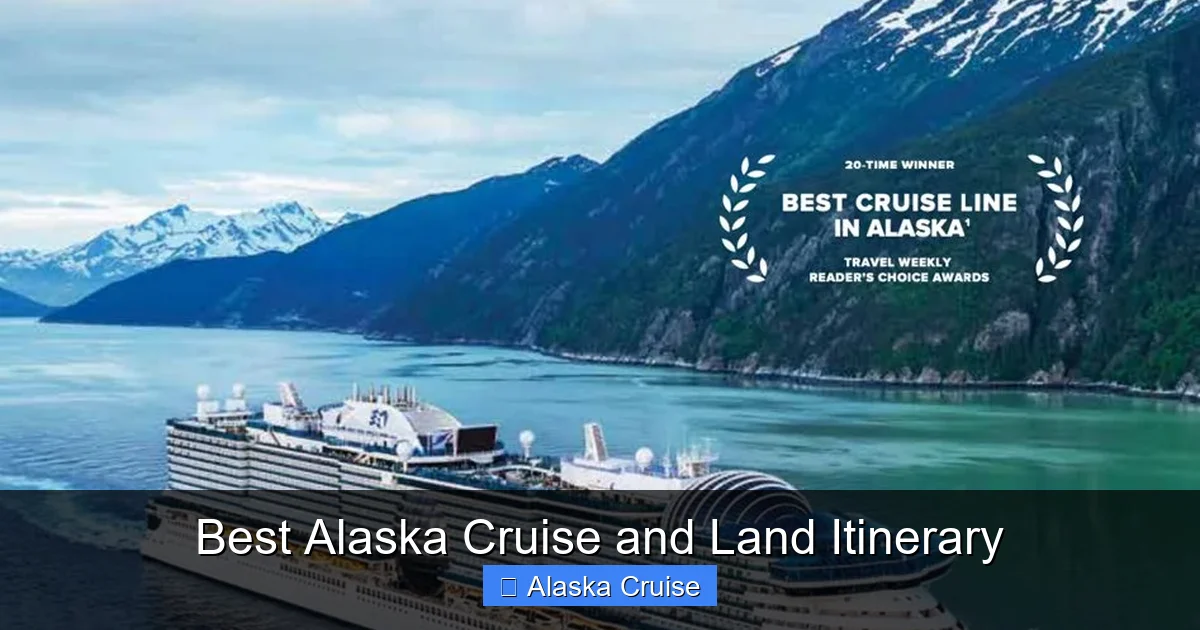
These lines offer spacious cabins, fine dining, and enrichment programs. They’re great for travelers who want comfort and convenience. Princess Cruises, in particular, has strong land tour packages that include Denali and the Kenai Peninsula.
Adventure Lines: UnCruise, Lindblad Expeditions, Alaskan Dream Cruises
Smaller ships with a focus on nature and adventure. They often include kayaking, paddleboarding, and guided hikes. Ideal for active travelers who want a more intimate experience.
Budget-Friendly Options: Norwegian, Royal Caribbean
These lines offer larger ships with more entertainment options and lower prices. However, they may spend less time in port and offer fewer included excursions.
Land Tour Operators
For your land extension, consider companies like Alaska Tour & Travel, Tauck, or Adventures by Disney (for families). They offer guided tours, transportation, and accommodations, often with expert naturalists.
Tip: Look for packages that include flights, hotels, and transfers. They’re often more convenient and cost-effective.
Final Tips for a Smooth and Memorable Trip
Planning the best Alaska cruise and land itinerary takes some effort, but the payoff is worth it. Here are a few final tips to ensure your trip goes smoothly.
Book Early
Alaska is popular, and the best cabins, tours, and lodges fill up fast—especially for July and August. Aim to book 6–12 months in advance.
Travel Insurance is a Must
Weather delays, flight cancellations, and medical emergencies can happen. A good travel insurance policy covers trip interruptions, medical expenses, and emergency evacuations.
Be Flexible
Alaska’s weather can disrupt plans. A glacier tour might be canceled due to fog, or a train ride delayed by rain. Build in extra time and have backup activities.
Respect the Environment
Alaska is pristine, but fragile. Follow Leave No Trace principles, stay on trails, and never feed wildlife. Support local businesses and indigenous-owned tours to give back to the community.
Capture the Moments
Bring a good camera, but don’t forget to put it down and just experience the moment. Some of the best memories are the ones you don’t photograph.
Alaska is more than a destination—it’s a feeling. It’s the silence of a glacier at dawn, the rush of a whale’s breath, the vastness of a mountain range stretching to the horizon. The best Alaska cruise and land itinerary doesn’t just show you these wonders—it lets you live them.
By combining the comfort of a cruise with the adventure of a land tour, you create a journey that’s as diverse as Alaska itself. Whether you’re marveling at a calving glacier, hiking through a boreal forest, or sipping coffee in a cozy lodge, every moment becomes part of a story you’ll tell for years.
So start planning, pack your bags, and get ready for the adventure of a lifetime. Alaska is waiting.
Frequently Asked Questions
What is the best time of year for an Alaska cruise and land itinerary?
The best time is from late May to early September. June through August offers the warmest weather, longest days, and full access to attractions. September provides fewer crowds and beautiful fall colors.
How many days should I spend on land after my cruise?
Spend at least 3–5 days on land to fully experience destinations like Denali, Kenai Fjords, or Anchorage. This allows time for hiking, wildlife viewing, and cultural activities without feeling rushed.
Can I do an Alaska cruise and land tour without flying?
Yes, some itineraries use trains or ferries to connect cruise ports with land destinations. For example, you can take the Alaska Railroad from Seward to Denali after your cruise.
Are Alaska cruises and land tours expensive?
Prices vary widely. Budget options start around $1,500 per person, while luxury packages can exceed $5,000. Booking early and choosing shoulder season dates can help reduce costs.
What wildlife can I expect to see on an Alaska cruise and land tour?
You may see whales, bears, moose, caribou, eagles, sea otters, and puffins. Land tours increase your chances of spotting bears and moose, especially in Denali and Kenai Fjords.
Do I need a passport for an Alaska cruise and land tour?
If your cruise departs and returns to the same U.S. port (like Seattle or Vancouver), a passport is not required—but it’s highly recommended. For international ports or flights, a passport is essential.