Choosing the right Alaska cruise can make or break your adventure, so prioritize itineraries that maximize wildlife sightings, glacier views, and port diversity. Opt for ships with expert naturalist guides, smaller passenger capacities, and flexible schedules to enhance your experience in this wild, unpredictable landscape. Booking early ensures the best cabins and deals, while traveling in late spring or early fall offers fewer crowds and prime conditions for spotting whales and bears.
Key Takeaways
- Book early for best cabins: Secure prime staterooms and lower prices by reserving 12-18 months ahead.
- Choose the right itinerary: Prioritize routes that include Glacier Bay and scenic coastal towns for maximum wildlife and views.
- Pack layers and waterproof gear: Weather changes quickly; be ready for rain, wind, and cool temperatures.
- Opt for shore excursions: Enhance your experience with expert-led hikes, kayaking, or wildlife tours in port cities.
- Travel in shoulder seasons: May and September offer fewer crowds, lower fares, and active wildlife.
- Bring binoculars and a camera: Spot whales, bears, and glaciers up close with the right gear.
📑 Table of Contents
- Best Alaska Cruise Advice: Your Complete Guide to an Unforgettable Adventure
- Choosing the Right Alaska Cruise Line and Ship
- When to Go: Timing Your Alaska Cruise for the Best Experience
- Must-See Ports and Shore Excursions
- Packing Essentials for Your Alaska Cruise
- Dining, Onboard Activities, and Cultural Experiences
- Final Tips for a Smooth and Memorable Alaska Cruise
- Conclusion: Your Alaska Adventure Awaits
Best Alaska Cruise Advice: Your Complete Guide to an Unforgettable Adventure
Imagine standing on the deck of a ship, the crisp Alaskan wind brushing your face, as a massive glacier calves into the sea with a thunderous crack. Or picture yourself spotting a humpback whale breaching just 50 yards from the bow, its tail fluke glistening in the midnight sun. These aren’t scenes from a movie—they’re real moments you can experience on an Alaska cruise. But to make the most of this once-in-a-lifetime journey, you need more than just a ticket. You need the right advice.
Alaska cruises are unlike any other vacation. They blend raw natural beauty with cultural richness, adventure with relaxation, and wildlife encounters with serene landscapes. Whether you’re a first-time cruiser or a seasoned traveler, planning an Alaska cruise can feel overwhelming. With so many cruise lines, itineraries, ports, and activities to choose from, where do you even begin? That’s where this guide comes in. I’ve sailed Alaska multiple times—both as a passenger and as a travel writer—and I’ve learned what works, what doesn’t, and how to avoid common pitfalls. This isn’t just a list of tips; it’s a roadmap to help you plan the Alaska cruise of your dreams.
Choosing the Right Alaska Cruise Line and Ship
One of the first—and most important—decisions you’ll make is which cruise line and ship to book. Not all Alaska cruises are created equal, and your choice will shape everything from the pace of your trip to the quality of your excursions. Let’s break it down.
Visual guide about Best Alaska Cruise Advice
Image source: cruisewithleo.com
Major Cruise Lines: What Sets Them Apart
When it comes to Alaska, several major cruise lines dominate the market: Holland America, Princess Cruises, Royal Caribbean, Norwegian Cruise Line (NCL), and Celebrity Cruises. Each has its own vibe, target audience, and strengths.
- Holland America: Known for its classic, refined experience. Think elegant dining, enrichment lectures, and a focus on port time. Their ships are mid-sized, which means better access to smaller ports like Ketchikan and Sitka. If you enjoy a more traditional cruise with a strong emphasis on Alaskan culture and history, Holland America is a solid choice.
- Princess Cruises: A favorite among Alaska cruisers. Princess offers a great balance of onboard amenities and shore excursions. Their “North to Alaska” program includes local chefs, regional dishes, and cultural performances. They also have a strong partnership with the Denali National Park, offering seamless land-and-cruise packages.
- Royal Caribbean: If you’re looking for non-stop entertainment, rock climbing walls, and Broadway-style shows, Royal Caribbean delivers. Their ships are larger, which means more activities but also bigger crowds. Great for families or travelers who want a resort-style experience at sea.
- Norwegian Cruise Line (NCL): Known for “Freestyle Cruising,” NCL gives you flexibility with dining times, dress codes, and activities. Their ships are modern and lively, with a younger crowd. If you prefer a relaxed, casual vibe with plenty of options, NCL might be your match.
- Celebrity Cruises: A premium line with a focus on luxury, gourmet dining, and stylish interiors. Celebrity ships are sleek and modern, with a more adult-oriented atmosphere. Ideal for travelers who want a high-end experience without the ultra-luxury price tag.
Ship Size Matters: Big vs. Small
Ship size plays a huge role in your Alaska cruise experience. Larger ships (like those from Royal Caribbean or NCL) offer more dining options, entertainment, and activities, but they can feel crowded and may not be able to dock in smaller ports. Smaller ships (like those from UnCruise Adventures or Lindblad Expeditions) offer a more intimate experience, with access to remote areas and wildlife-rich waters.
For example, during one of my trips, I sailed on a 300-passenger expedition ship with UnCruise. We anchored in Tracy Arm Fjord, far from the usual cruise routes, and took Zodiac boats to explore glacial caves. The next day, we kayaked among icebergs while a naturalist pointed out harbor seals and bald eagles. It was magical—and something a mega-ship simply couldn’t offer.
On the flip side, if you’re traveling with kids or enjoy a full schedule of onboard activities, a larger ship might be more your speed. Just be prepared for longer lines at the buffet and less personalized service.
Inside Passage vs. Gulf of Alaska Itineraries
Most Alaska cruises fall into one of two categories: Inside Passage or Gulf of Alaska. Understanding the difference is key to choosing the right trip.
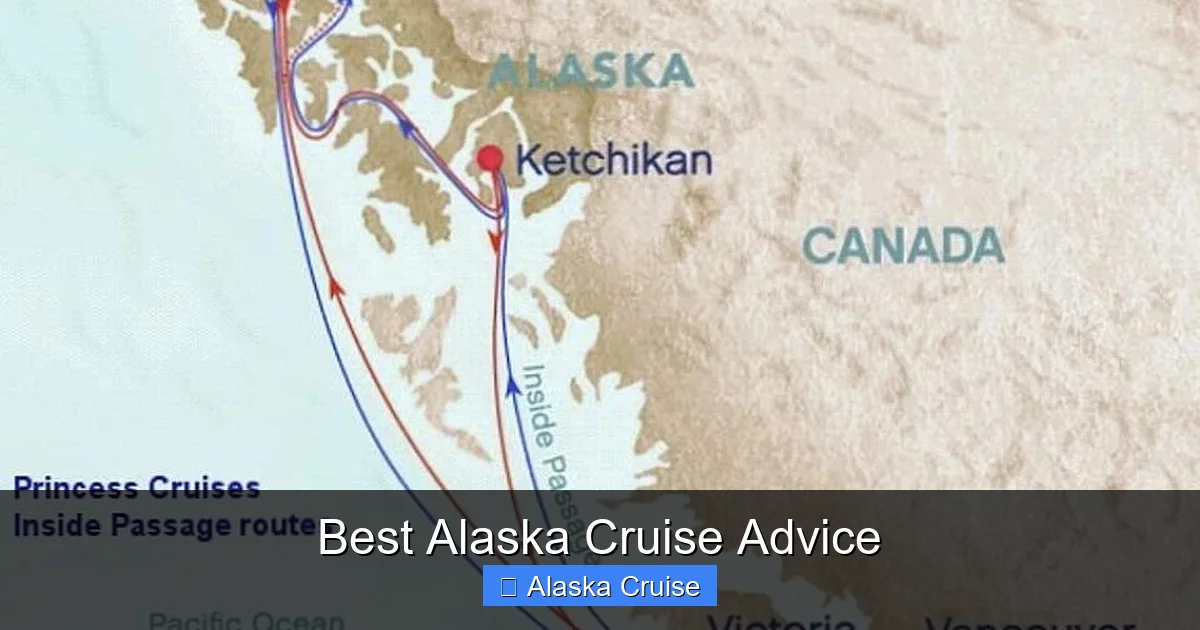
- Inside Passage: These cruises typically depart from Seattle or Vancouver and travel north along the protected waterways of southeastern Alaska. Ports include Juneau, Skagway, Ketchikan, and sometimes Haines or Sitka. The scenery is lush and green, with dense forests, waterfalls, and frequent wildlife sightings. These itineraries are great for first-time cruisers and those who prefer milder weather.
- Gulf of Alaska: These cruises often start in Seattle or Vancouver and sail north to Seward or Whittier (near Anchorage), then cross the Gulf of Alaska. They include glacier-heavy destinations like Hubbard Glacier and Glacier Bay National Park. These trips are longer (7–10 days) and offer more dramatic, rugged scenery. They’re ideal for travelers who want to see massive glaciers and experience the “wild” side of Alaska.
Personally, I recommend a Gulf of Alaska itinerary if you can swing it. The glaciers are awe-inspiring, and the wildlife is more abundant. But if you’re short on time or prefer a more relaxed pace, the Inside Passage is still a fantastic choice.
When to Go: Timing Your Alaska Cruise for the Best Experience
Alaska’s cruise season runs from May to September, but not all months are created equal. Timing your trip can mean the difference between calm seas and rough waters, clear skies and rain, or abundant wildlife and quiet shores.
Early Season (May–June): Pros and Cons
May and early June are the shoulder months of the Alaska cruise season. The weather is cooler, and some excursions may not be fully operational, but you’ll enjoy lower prices and fewer crowds. Wildlife is active—bears are emerging from hibernation, and migratory birds are arriving.
One of my favorite trips was in late May. We saw a mother brown bear and her two cubs foraging along the shoreline near Ketchikan. The air was crisp, the water was calm, and we had the fjords almost to ourselves. The downside? Some hiking trails were still muddy, and a few lodges hadn’t opened yet.
Peak Season (July–August): The Sweet Spot
July and August are the most popular months to cruise Alaska—and for good reason. The weather is warmest (average highs in the 60s°F), daylight lasts up to 18 hours, and all excursions are running. This is also the best time for whale watching, with humpbacks, orcas, and gray whales frequently spotted.
However, peak season means peak prices and peak crowds. Popular excursions like the Mendenhall Glacier hike or the White Pass Railroad can sell out weeks in advance. If you’re traveling during this time, book your shore excursions early—ideally when you book your cruise.
Late Season (September): Hidden Gems
September is a hidden gem for Alaska cruisers. The summer crowds have thinned, the fall colors are starting to appear, and the wildlife is still active. You might even catch the northern lights if you’re lucky. The downside? The weather is cooler and wetter, and some ports may begin closing for the season.
I once sailed in mid-September and was rewarded with a stunning display of autumn foliage in Haines and a rare sighting of a moose swimming across a river near Skagway. It was peaceful, beautiful, and far less crowded than July.
Weather and Sea Conditions: What to Expect
Alaska’s weather is famously unpredictable. Even in summer, you should pack layers, a waterproof jacket, and sturdy shoes. Rain is common, especially in the Inside Passage. Seas can be rough in the Gulf of Alaska, so if you’re prone to motion sickness, consider medication or a cabin in the middle of the ship (where there’s less motion).
One tip I always share: bring a good pair of binoculars. Wildlife sightings are often distant, and binoculars make all the difference. I once spotted a pod of orcas from the deck—without binoculars, they would’ve looked like tiny black dots.
Must-See Ports and Shore Excursions
Alaska’s ports are the heart of the cruise experience. Each one offers a unique blend of culture, history, and natural beauty. Here’s what not to miss—and how to make the most of your time on land.
Juneau: The Capital with a Wild Side
Juneau is Alaska’s capital, but it’s unlike any other city in the U.S. There’s no road access—you can only reach it by plane or boat. This isolation has preserved its rugged charm. Must-do excursions include:
- Mendenhall Glacier: A short drive from the port, this 13-mile-long glacier is one of the most accessible in Alaska. Walk the trails, take a guided glacier hike, or kayak near the ice.
- Whale Watching: Juneau is one of the best places in the world to see humpback whales. I once watched a whale breach three times in a row—just 30 yards from our boat. It was unforgettable.
- Dog Sledding on a Glacier: Yes, you can actually mush on a glacier! Several companies offer helicopter rides to a remote glacier where you’ll meet sled dogs and learn about mushing history.
Skagway: Gold Rush History and Mountain Adventures
Skagway feels like stepping back in time. This historic gold rush town is filled with wooden boardwalks, saloons, and museums. Don’t miss:
- White Pass & Yukon Route Railroad: Known as the “Gateway to the Klondike,” this narrow-gauge railway climbs 2,865 feet in just 20 miles. The views are breathtaking, and the history is fascinating.
- Hiking the Chilkoot Trail: For the adventurous, this trail follows the route of gold prospectors. It’s challenging but rewarding, with stunning alpine scenery.
- Gold Panning: Try your hand at finding gold in a real creek. It’s fun, educational, and you get to keep what you find (even if it’s just a few flakes).
Ketchikan: The Salmon Capital of the World
Ketchikan is known for its Native Alaskan culture, totem poles, and abundant wildlife. Highlights include:
- Totem Bight State Historical Park: See restored totem poles and learn about Tlingit, Haida, and Tsimshian cultures.
- Rainforest Wildlife Flightseeing: Take a small plane over the Tongass National Forest. You’ll see eagles, bears, and maybe even a whale from above.
- Salmon Bake: Many tours include a traditional Alaskan salmon feast cooked over an open fire. It’s delicious and a great way to experience local food.
Glacier Bay and Hubbard Glacier: Nature’s Masterpieces
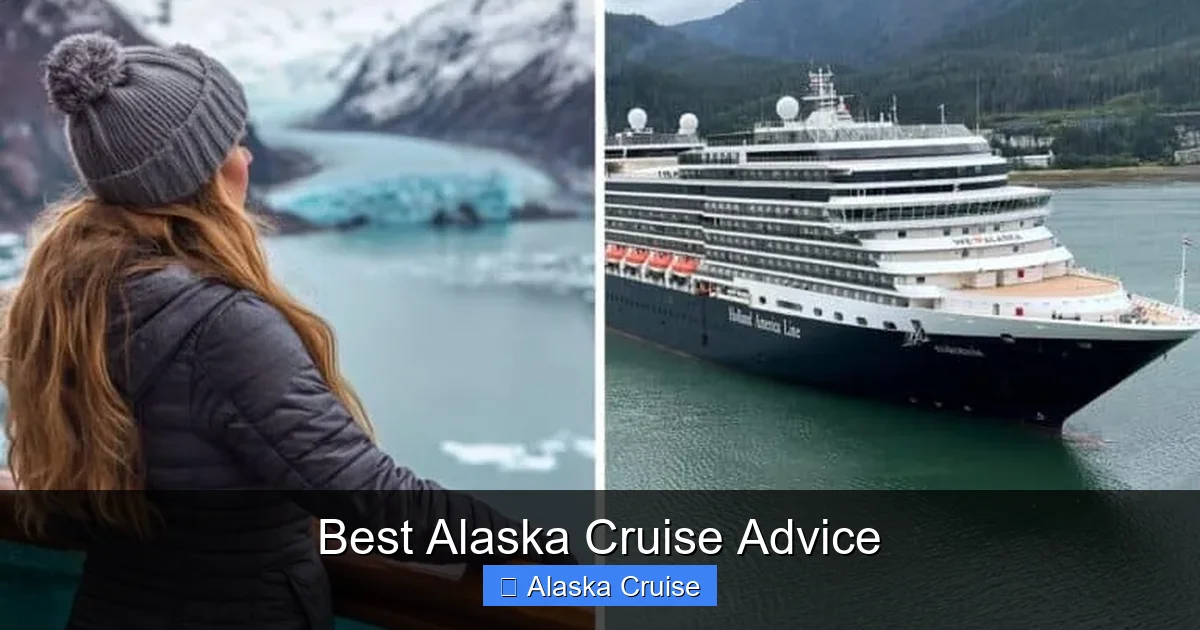
These aren’t ports, but they’re must-see highlights of any Alaska cruise. Glacier Bay National Park is a UNESCO World Heritage Site, home to over a dozen active glaciers. Your ship will slow to a crawl as you glide past towering ice walls. Rangers come aboard to share stories and answer questions.
Hubbard Glacier is even bigger—over 7 miles wide and 700 feet high. It’s one of the few glaciers in Alaska that’s advancing, not retreating. The sound of calving ice is like thunder. Bring a camera, a warm jacket, and a sense of wonder.
Booking Shore Excursions: Tips for Success
Shore excursions can make or break your Alaska cruise. Here’s how to get the most out of them:
- Book Early: Popular tours sell out fast. Book when you book your cruise, or as soon as the excursion list is released.
- Read Reviews: Not all tours are equal. Check reviews on Cruise Critic or TripAdvisor to find the best operators.
- Consider Independent Tours: Sometimes, booking directly with a local company is cheaper and more flexible than going through the cruise line.
- Pack Smart: Wear layers, bring rain gear, and wear comfortable shoes. Many excursions involve walking on uneven terrain.
Packing Essentials for Your Alaska Cruise
Packing for Alaska is all about layers, waterproofing, and preparedness. The weather can change in minutes, and you’ll want to be ready for anything.
Clothing: Layer Like a Pro
The key to staying comfortable in Alaska is layering. Start with a moisture-wicking base layer, add an insulating mid-layer (like fleece or wool), and top it off with a waterproof, windproof outer shell. Don’t forget:
- Warm hat and gloves (even in summer)
- Sturdy, waterproof hiking shoes
- Swimwear (for the hot tub or heated pool)
- Casual and semi-formal outfits for dinner
Gear and Gadgets
Beyond clothing, bring these essentials:
- Binoculars: For wildlife and glacier viewing
- Reusable water bottle: Stay hydrated and reduce plastic waste
- Power bank: Keep your phone charged during long excursions
- Sunscreen and sunglasses: The sun reflects off snow and water, increasing UV exposure
- Motion sickness remedies: Just in case
What Not to Bring
Avoid bringing expensive jewelry, unnecessary electronics, or anything you can’t afford to lose. Also, check your cruise line’s alcohol policy—many allow you to bring a bottle of wine onboard, but not hard liquor.
Dining, Onboard Activities, and Cultural Experiences
Your Alaska cruise isn’t just about the ports—it’s also about what happens onboard. From gourmet meals to cultural performances, there’s plenty to enjoy between destinations.
Dining: Taste of Alaska
Many cruise lines now feature regional Alaskan cuisine. Look for dishes like king crab, fresh salmon, reindeer sausage, and wild blueberries. Princess Cruises’ “North to Alaska” program brings in local chefs and ingredients, offering a true taste of the region.
Don’t miss the seafood buffet—it’s often the highlight of the cruise. I once had grilled halibut with a blueberry glaze that tasted like summer in a bite.
Onboard Activities and Entertainment
Evenings on an Alaska cruise are lively. Enjoy live music, comedy shows, cooking demonstrations, and enrichment lectures about Alaskan wildlife, geology, and history. Some ships even offer Native Alaskan cultural performances, with traditional dancing and storytelling.
Connecting with Local Culture
Take advantage of cultural opportunities. Attend a talk on Tlingit art, visit a local museum in port, or chat with a park ranger during a glacier viewing. These moments deepen your understanding of Alaska and make the trip more meaningful.
Final Tips for a Smooth and Memorable Alaska Cruise
Before you set sail, here are a few final pieces of advice to ensure your trip goes smoothly:
- Arrive a Day Early: Flights to Seattle or Vancouver can be delayed. Arriving early reduces stress and gives you time to explore the departure city.
- Check Visa Requirements: If your cruise stops in Canada, make sure you have the proper documentation.
- Download Offline Maps: Cell service is spotty in Alaska. Download maps and excursion info ahead of time.
- Respect Wildlife: Keep a safe distance from animals. Never feed them or approach too closely.
- Leave No Trace: Help preserve Alaska’s beauty by packing out what you pack in.
Conclusion: Your Alaska Adventure Awaits
An Alaska cruise is more than a vacation—it’s a journey into one of the last great wildernesses on Earth. With the right planning, you can experience glaciers that glow blue under the midnight sun, hear the haunting song of a humpback whale, and walk in the footsteps of gold prospectors. It’s a trip that stays with you long after you’ve unpacked your suitcase.
Use this guide as your compass. Choose the right cruise line, time your trip wisely, pack smart, and embrace every moment—whether you’re sipping coffee on the deck at sunrise or sharing stories with fellow travelers at dinner. Alaska doesn’t just show you nature at its most powerful; it reminds you of your own smallness in the best possible way.
So go ahead—book that cruise. The mountains are calling, the glaciers are waiting, and your adventure of a lifetime is just around the bend.
Frequently Asked Questions
What is the best time to go on an Alaska cruise?
The best time for an Alaska cruise is typically from late May to early September, when weather is milder and wildlife is most active. Peak months like June and July offer longer daylight hours and more shore excursions.
Which cruise line offers the best Alaska cruise experience?
Popular lines like Holland America, Princess, and Celebrity Cruises are known for their excellent Alaska itineraries and onboard amenities. Choosing the best Alaska cruise depends on your preferences for luxury, adventure, or family-friendly activities.
What should I pack for an Alaska cruise?
Pack layers, including waterproof jackets, warm sweaters, and comfortable walking shoes, as weather can change quickly. Don’t forget binoculars for wildlife viewing and a good camera to capture the stunning scenery.
Are Alaska cruises worth it for first-time cruisers?
Yes, Alaska cruises are ideal for first-timers due to their scenic beauty, port stops in charming towns, and structured itineraries. Many travelers consider it one of the best Alaska cruise adventures for beginners.
How many days should an Alaska cruise be?
Most Alaska cruises last between 7 and 10 days, allowing time to explore key destinations like Juneau, Ketchikan, and Glacier Bay. Longer itineraries often include more inland excursions and scenic cruising.
Can I see glaciers on an Alaska cruise?
Yes, most Alaska cruises include visits to famous glaciers like Hubbard Glacier or Glacier Bay, often with close-up views from the ship. Some itineraries even offer kayaking or helicopter tours for a more immersive experience.