Looking for the best Alaska cruise? You’re in the right place. From glacier views to whale sightings, Alaska offers unforgettable adventures on the water. We’ll help you pick the perfect cruise line, itinerary, and season for an epic voyage.
Key Takeaways
- Best Time to Cruise: May through September offers mild weather, long daylight hours, and peak wildlife activity.
- Top Cruise Lines: Holland America, Princess, and Norwegian lead with scenic routes, expert guides, and onboard comfort.
- Must-See Ports: Juneau, Ketchikan, Skagway, and Glacier Bay offer glaciers, culture, and outdoor adventures.
- Shore Excursions: Book whale watching, dog sledding, and glacier hikes early—they sell out fast.
- Cabin Choice Matters: Balcony cabins offer front-row views of glaciers and wildlife—worth the upgrade.
- Packing Tips: Layers, waterproof gear, and binoculars are essential for comfort and sightseeing.
- Wildlife Viewing: Bring patience and a zoom lens—bears, whales, and eagles are common but unpredictable.
📑 Table of Contents
- Why Alaska Is the Ultimate Cruise Destination
- Best Time to Take an Alaska Cruise
- Top Cruise Lines for Alaska
- Must-See Ports and Scenic Stops
- Shore Excursions: What to Book and When
- Packing Tips for an Alaska Cruise
- Wildlife Viewing: What to Expect
- Final Tips for the Best Alaska Cruise Experience
- Conclusion
Why Alaska Is the Ultimate Cruise Destination
Imagine standing on the deck of a ship, wrapped in a cozy jacket, as a massive glacier calves into the sea with a thunderous splash. Or spotting a humpback whale breaching just 50 feet from the railing. That’s the magic of an Alaska cruise—nature on full display, raw and untamed.
Alaska isn’t just a destination; it’s an experience. While other cruises offer beaches and nightlife, Alaska delivers awe. Towering snow-capped peaks, deep fjords, and endless wilderness stretch as far as the eye can see. It’s a place where the air feels cleaner, the silence deeper, and every sunrise feels like a gift.
What makes Alaska truly special is its balance of adventure and serenity. You can hike through old-growth forests in the morning, sip hot cocoa while watching icebergs float by in the afternoon, and enjoy a gourmet dinner with panoramic views at night. Whether you’re a nature lover, photography enthusiast, or simply seeking a break from the ordinary, Alaska delivers.
What Makes Alaska Cruises Unique?
Unlike tropical cruises, Alaska focuses on scenery and wildlife. There are no crowded beaches or all-inclusive buffets—instead, you’ll find educational talks, naturalist-led excursions, and immersive cultural experiences. Ships often sail through narrow channels like the Inside Passage, where the coastline is so close you can almost touch the trees.
Another standout feature is the sheer scale of nature. Glaciers like Hubbard and Mendenhall are not just sights—they’re forces of nature. Watching a wall of ice crack and collapse into the ocean is humbling and unforgettable. And because Alaska is so vast, no two days feel the same. One morning you might be in a misty rainforest, the next in a sunlit fjord surrounded by eagles.
Who Should Take an Alaska Cruise?
An Alaska cruise suits a wide range of travelers. Families love the educational value and kid-friendly activities. Couples appreciate the romantic scenery and quiet moments on deck. Solo travelers enjoy the structured itineraries and easy socializing. Even seniors find the pace relaxing, with plenty of onboard comfort and accessible excursions.
If you enjoy photography, hiking, or learning about indigenous cultures, Alaska is a dream. But even if you prefer lounging with a book, the views will keep you engaged. The key is choosing the right cruise line and itinerary for your interests and energy level.
Best Time to Take an Alaska Cruise
Visual guide about Best Alask Cruise
Image source: blogger.googleusercontent.com
Timing is everything when it comes to Alaska cruises. The season runs from May to September, but each month offers a different vibe.
May and Early June: The Quiet Season
May is ideal for travelers who want fewer crowds and lower prices. The weather is cool but pleasant, with daytime temperatures in the 50s (°F). Wildlife is active, and the landscape is lush with spring blooms. You’ll also have long daylight hours—up to 18 hours of sun by late May.
One downside? Some shore excursions may not be fully operational yet, and mountain passes can still have snow. But if you don’t mind a bit of chill and want a more intimate experience, May is a great choice.
July and August: Peak Season
These are the most popular months for a reason. The weather is warmest, with temperatures in the 60s and 70s. All excursions are running, and wildlife is abundant. Whales are frequently spotted, and bears can often be seen fishing for salmon in rivers.
The trade-off? Crowds. Popular ports like Skagway and Ketchikan can feel busy, and shore excursions book up quickly. If you go during this time, reserve your activities as soon as you book your cruise.
September: The Golden Month
September offers a perfect balance. The weather is still mild, the crowds have thinned, and the fall colors begin to appear. It’s also a great time for wildlife—bears are active before hibernation, and whales are still migrating.
One bonus? Some cruise lines offer discounts in September, making it a budget-friendly option. Just be prepared for cooler evenings and the possibility of rain.
Top Cruise Lines for Alaska
Not all cruise lines are created equal when it comes to Alaska. Some specialize in scenic routes, others in luxury or adventure. Here are the best options for different types of travelers.
Holland America Line: The Classic Choice
Holland America is a favorite among Alaska cruisers. Their ships are mid-sized, offering a balance of comfort and intimacy. They sail deep into Glacier Bay National Park, a UNESCO World Heritage Site, with park rangers onboard to provide commentary.
Their itineraries often include extended port stays, giving you more time to explore. The MS Amsterdam and MS Zaandam are popular choices, with spacious balconies and excellent dining. Holland America also partners with local experts for cultural programs, including Native Alaskan storytelling and traditional music.
Princess Cruises: Scenic and Comfortable
Princess is known for its “MedallionClass” technology, which streamlines the cruise experience with wearable devices. But what really sets them apart in Alaska is their scenic routes. Their ships frequently sail through College Fjord and Tracy Arm, where towering waterfalls and icebergs are common.
Princess also offers “North to Alaska” programming, with local chefs, musicians, and historians onboard. Their ships, like the Grand Princess and Ruby Princess, have large observation lounges perfect for wildlife viewing. Plus, they offer a range of shore excursions, from flightseeing over glaciers to salmon bakes in Ketchikan.
Norwegian Cruise Line: Flexible and Fun
If you prefer a more casual, flexible cruise, Norwegian is a great pick. Their “Freestyle Cruising” means no fixed dining times or dress codes—perfect for travelers who want to relax on their own terms.
Norwegian’s Alaska itineraries often include longer stays in ports like Juneau and Ketchikan. Their ships, such as the Norwegian Bliss and Norwegian Encore, feature large outdoor decks and observation areas. They also offer unique excursions, like ziplining in Icy Strait Point or visiting a remote bear viewing area.
Small Ship and Luxury Options
For a more intimate experience, consider small ship lines like UnCruise Adventures or Lindblad Expeditions. These vessels carry fewer than 100 passengers and can access remote areas larger ships can’t reach.
UnCruise, for example, offers adventure-focused trips with kayaking, hiking, and wildlife photography workshops. Lindblad partners with National Geographic, providing expert naturalists and high-quality optics for wildlife viewing.
Luxury lines like Seabourn and Silversea offer all-suite accommodations, personalized service, and gourmet dining. While more expensive, they provide a premium experience with fewer crowds and exclusive excursions.
Must-See Ports and Scenic Stops
An Alaska cruise is more than just the ship—it’s the ports that make it unforgettable. Here are the top stops and what to expect.
Juneau: The Capital City
Juneau is Alaska’s capital, but it’s unlike any other city in the U.S. There’s no road access—you can only reach it by plane or boat. This isolation has preserved its natural beauty and small-town charm.
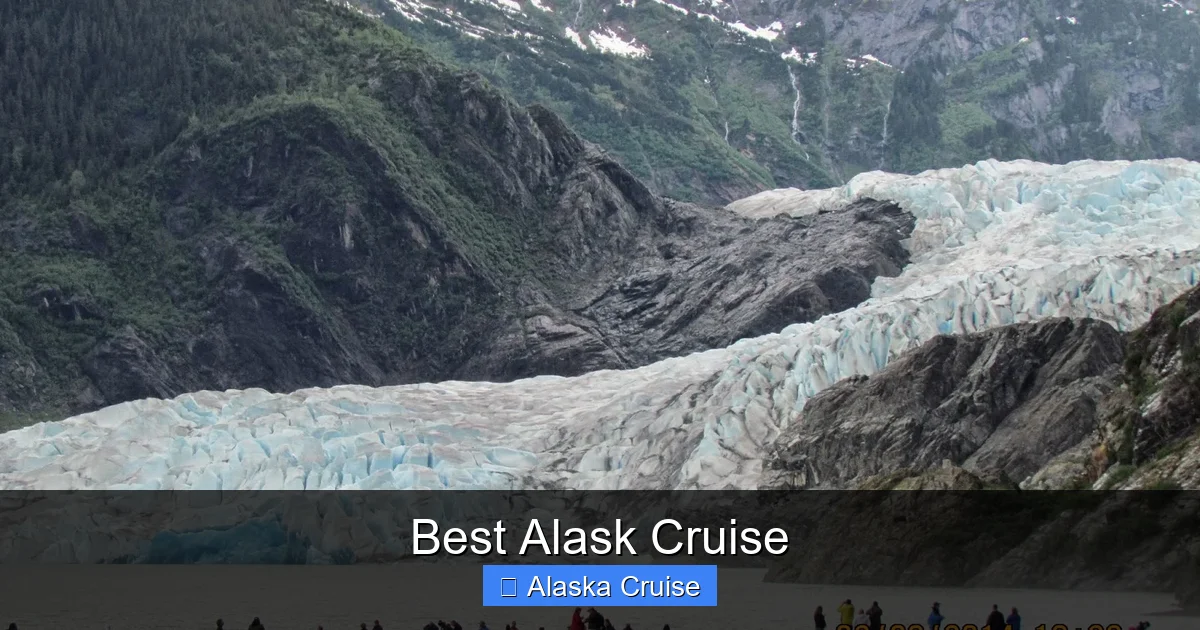
Top activities include visiting the Mendenhall Glacier, a 13-mile-long glacier just 12 miles from downtown. You can hike the trails, take a guided ice walk, or kayak near the ice face. Whale watching tours are also popular, with humpbacks and orcas frequently spotted in the surrounding waters.
Don’t miss the Alaska State Museum or a ride on the Mount Roberts Tramway for panoramic views. And if you’re feeling adventurous, try a dog sledding tour on a glacier—some companies offer helicopter rides to the ice field.
Ketchikan: The Salmon Capital
Known as the “Salmon Capital of the World,” Ketchikan is a vibrant port with a rich Native Alaskan heritage. The city is built on stilts over the water, with colorful buildings and boardwalks.
Visit Totem Bight State Park to see restored totem poles and learn about Tlingit culture. The Southeast Alaska Discovery Center offers interactive exhibits on local wildlife and ecosystems.
For adventure, try a floatplane tour over the Misty Fjords National Monument, where dramatic cliffs rise 3,000 feet from the water. Or go fishing for salmon—many tours include a cookout on the boat.
Skagway: Gold Rush History
Step back in time in Skagway, a historic town that boomed during the Klondike Gold Rush. The streets are lined with wooden boardwalks and old-fashioned saloons.
The highlight is the White Pass and Yukon Route Railway, a narrow-gauge train that climbs 2,865 feet through steep cliffs and tunnels. The ride offers stunning views and a glimpse into the challenges faced by gold seekers.
You can also hike the Chilkoot Trail, visit the Gold Rush Cemetery, or take a dog sledding tour. Many cruisers enjoy the “Liarsville” dinner show, a humorous tribute to the town’s colorful past.
Glacier Bay National Park: A Natural Wonder
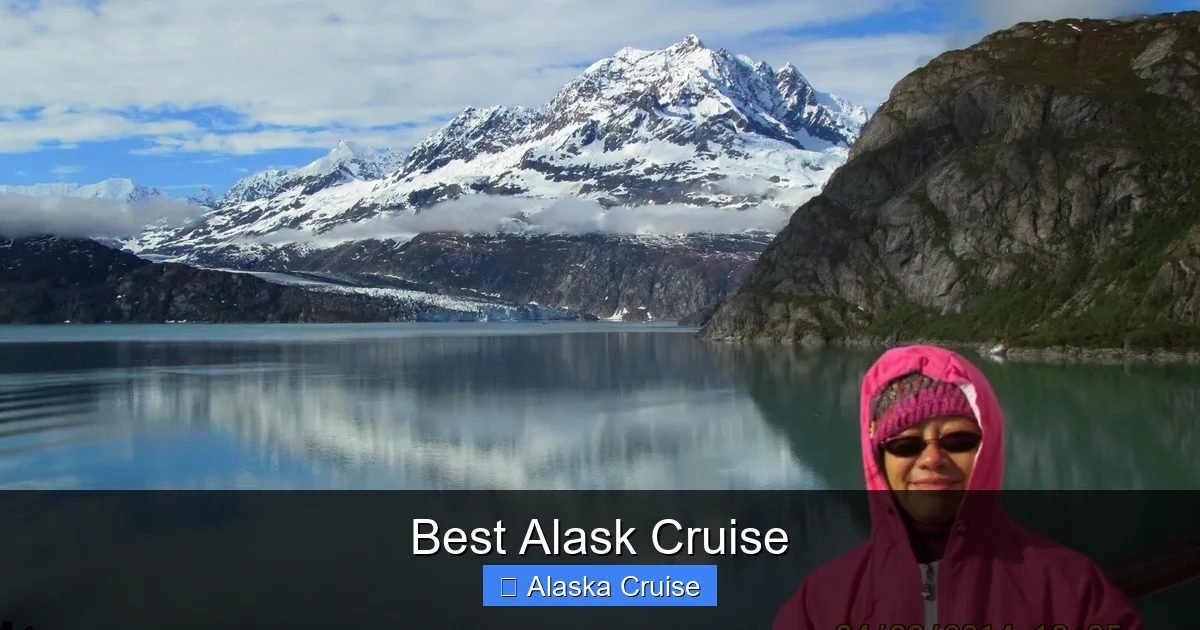
Glacier Bay is one of the most spectacular stops on any Alaska cruise. This 3.3-million-acre park is home to over a dozen active glaciers, including the famous Margerie and Lamplugh Glaciers.
Ships slow to a crawl as they enter the bay, allowing passengers to watch for calving ice and marine life. Park rangers come aboard to share insights about the ecosystem and geology.
Wildlife is abundant—look for sea lions, harbor seals, and even the rare glacier bear. The silence is profound, broken only by the crack of ice and the call of eagles.
Hubbard Glacier: The Big One
At over 7 miles wide and 700 feet tall, Hubbard Glacier is one of the largest tidewater glaciers in North America. Ships often stop for an hour or more as the glacier calves, sending icebergs crashing into the sea.
The experience is both beautiful and humbling. The air grows colder as you approach, and the ice glows with shades of blue and white. It’s a reminder of the power and fragility of nature.
Shore Excursions: What to Book and When
Shore excursions are a highlight of any Alaska cruise, but they can sell out quickly—especially during peak season. Here’s how to make the most of them.
Book Early
Most cruise lines open excursion bookings 60 to 90 days before departure. Set a reminder and book as soon as possible. Popular tours like whale watching in Juneau or flightseeing over glaciers often fill up within hours.
If you wait, you may be stuck with less desirable options or higher prices from third-party vendors.
Choose Based on Your Interests
Alaska offers something for everyone. Nature lovers should prioritize wildlife tours, glacier hikes, and kayaking. History buffs will enjoy gold rush sites and cultural centers. Families might prefer shorter, kid-friendly activities like salmon bakes or train rides.
Consider your energy level, too. Some excursions involve long hikes or rough terrain, while others are more relaxed.
Top Excursions to Consider
- Whale Watching: Juneau and Icy Strait Point offer some of the best chances to see humpbacks, orcas, and even gray whales.
- Glacier Hiking: Mendenhall Glacier and Matanuska Glacier offer guided walks on the ice.
- Dog Sledding: Experience mushing on a glacier or meet sled dogs at a kennel.
- Flightseeing: Take a small plane or helicopter over glaciers, fjords, and mountains.
- Fishing: Try your hand at catching salmon or halibut with a local guide.
- Cultural Tours: Visit Native Alaskan villages, totem parks, or museums.
Third-Party vs. Cruise Line Excursions
Cruise line excursions are convenient and reliable, but often more expensive. Third-party tours can be cheaper and more flexible, but research carefully. Check reviews, confirm pickup locations, and ensure they meet safety standards.
Some third-party operators offer unique experiences not available through the cruise line, like private bear viewing or overnight camping.
Packing Tips for an Alaska Cruise
Packing for Alaska is all about layers and practicality. The weather can change quickly, and you’ll be spending a lot of time outdoors.
Essential Clothing
- Waterproof Jacket and Pants: A must for rain and spray from glaciers.
- Fleece or Insulating Layer: For warmth on deck.
- Moisture-Wicking Base Layers: Keeps you dry during activity.
- Comfortable Hiking Shoes: With good grip for wet and uneven terrain.
- Warm Hat and Gloves: Even in summer, it can be chilly on the water.
- Swimwear: For hot tubs or a dip in a natural hot spring (like in Ketchikan).
Other Must-Haves
- Binoculars: For spotting wildlife from a distance.
- Camera with Zoom Lens: Glaciers and whales are far away.
- Reusable Water Bottle: Stay hydrated during excursions.
- Sunscreen and Sunglasses: The sun reflects off snow and water.
- Motion Sickness Remedy: Even calm waters can cause discomfort.
- Daypack: For carrying essentials during shore visits.
What Not to Bring
Avoid bulky items like heavy boots or multiple pairs of jeans. Space is limited, and you’ll want room for souvenirs. Also, don’t bring drones—many parks and protected areas ban them.
Wildlife Viewing: What to Expect
Alaska is a wildlife paradise, but sightings are never guaranteed. Here’s what you might see and how to increase your chances.
Marine Life
Whales are the stars of the show. Humpbacks are common in summer, often breaching or slapping their tails. Orcas are rarer but thrilling to spot. Keep an eye out for sea lions basking on rocks and porpoises playing in the ship’s wake.
Land Animals
On shore, look for black and brown bears, especially near salmon streams. Moose, mountain goats, and bald eagles are also frequently seen. In Glacier Bay, you might spot a rare glacier bear—a subspecies with a white coat.
Tips for Better Viewing
- Bring binoculars and a camera with a telephoto lens.
- Stay quiet and patient—wildlife is easily startled.
- Listen for announcements from the bridge—they’ll alert you to sightings.
- Join naturalist-led tours for expert guidance.
Final Tips for the Best Alaska Cruise Experience
To make your Alaska cruise truly unforgettable, keep these final tips in mind.
Choose the Right Cabin
A balcony cabin is worth the extra cost. You’ll want a front-row seat for glacier views, whale sightings, and sunrise over the fjords. If budget is tight, an ocean-view window is better than an interior room.
Stay Flexible
Weather can affect itineraries. A glacier may be shrouded in fog, or a port may be skipped due to rough seas. Embrace the changes—sometimes the unexpected moments are the most memorable.
Engage with the Experience
Attend onboard lectures, talk to the naturalists, and try local foods like fresh salmon or reindeer sausage. The more you engage, the richer your experience will be.
Respect the Environment
Alaska’s ecosystems are fragile. Follow park rules, don’t disturb wildlife, and take only photos—leave only footprints.
Capture the Moment
Take time to simply sit and soak it all in. Put the camera down. Breathe the crisp air. Listen to the silence. Some of the best memories aren’t captured—they’re felt.
Conclusion
An Alaska cruise isn’t just a vacation—it’s a journey into one of the last great wildernesses on Earth. From the thunder of calving glaciers to the grace of a whale’s breach, every moment is a reminder of nature’s power and beauty.
Whether you choose a classic line like Holland America, a flexible option like Norwegian, or a luxury experience with Seabourn, the key is to go with an open heart and a sense of wonder. Pack your layers, book your excursions early, and prepare to be amazed.
The best Alaska cruise is the one that leaves you speechless, then inspires you to tell everyone you know. So set sail, look up, and let Alaska show you what awe really feels like.
Frequently Asked Questions
When is the best time to take an Alaska cruise?
The best time is from May to September. July and August offer the warmest weather and most activities, while May and September provide fewer crowds and lower prices.
What should I pack for an Alaska cruise?
Pack layers, a waterproof jacket, hiking shoes, binoculars, and a camera. Don’t forget sunscreen, a hat, and motion sickness remedies.
Do I need a passport for an Alaska cruise?
It depends on the itinerary. Closed-loop cruises (departing and returning to the same U.S. port) don’t require a passport, but one is recommended in case of emergencies.
Are Alaska cruises family-friendly?
Yes! Many cruise lines offer kids’ clubs, family excursions, and educational programs. Just choose age-appropriate activities.
Can I see glaciers on an Alaska cruise?
Absolutely. Most itineraries include Glacier Bay or Hubbard Glacier, where you can witness calving ice and stunning icebergs.
How far in advance should I book shore excursions?
Book as soon as possible—ideally 60 to 90 days before departure. Popular tours like whale watching and flightseeing sell out quickly.