An Alaska cruise in 2026 offers breathtaking glaciers, wildlife, and rugged beauty—but only if you plan wisely. From choosing the right itinerary to packing smart and booking excursions early, this guide covers everything you need for a smooth, unforgettable voyage.
Dreaming of towering glaciers, breaching whales, and misty fjords? An Alaska cruise in 2026 might just be the adventure of a lifetime. With its dramatic landscapes, rich Indigenous cultures, and abundant wildlife, Alaska offers a cruise experience unlike any other. But to truly make the most of it, you’ll need more than just a ticket and a suitcase. The best advice for Alaska cruise success comes from travelers who’ve braved the elements, navigated tight schedules, and learned what really matters when sailing through America’s last frontier.
Unlike tropical getaways, Alaska cruises demand preparation, patience, and a sense of wonder. The weather can shift from sunny to stormy in minutes. Wildlife sightings are never guaranteed. And while the scenery is jaw-dropping, the logistics—like shore excursions and cabin selection—can make or break your trip. That’s why smart planning is key. Whether you’re a first-time cruiser or a seasoned traveler, the tips in this guide will help you avoid common pitfalls and maximize every moment aboard your 2026 Alaska voyage.
Key Takeaways
- Book early for 2026: Alaska cruises fill up fast, especially during peak summer months. Secure your cabin and preferred dates 12–18 months in advance.
- Choose the right itinerary: Decide between Inside Passage, Gulf of Alaska, or roundtrip routes based on your interests—glaciers, wildlife, or cultural stops.
- Pack layers and rain gear: Weather changes quickly in Alaska. Waterproof jackets, warm layers, and non-slip shoes are essential.
- Book shore excursions ahead: Popular tours like whale watching or glacier hikes sell out fast. Reserve online before you sail.
- Bring binoculars and a camera: Wildlife sightings are common, but often distant. A good zoom lens and binoculars enhance the experience.
- Stay flexible with weather: Fog, rain, or wind can alter plans. Embrace the unexpected—it’s part of the Alaskan adventure.
- Respect local communities: Many ports are small towns. Support local businesses and follow cultural etiquette.
📑 Table of Contents
Plan Your Itinerary Like a Pro
One of the first decisions you’ll make is choosing your cruise route. Alaska offers several distinct itineraries, each with its own highlights. The most popular options include the Inside Passage, the Gulf of Alaska, and roundtrip voyages from Seattle or Vancouver. Understanding the differences will help you pick the best fit for your interests and travel style.
Inside Passage vs. Gulf of Alaska
The Inside Passage is the classic Alaska cruise route, typically sailing roundtrip from Seattle or Vancouver. It winds through narrow channels, past lush rainforests, and stops at charming ports like Ketchikan, Juneau, and Skagway. This route is ideal for travelers who want a mix of nature, history, and small-town charm. You’ll see waterfalls, totem poles, and possibly even black bears foraging along the shore.
In contrast, the Gulf of Alaska itinerary is one-way, often starting in Vancouver and ending in Seward (or vice versa), with a stop at the iconic Hubbard Glacier. This route offers more time in open water and greater chances to see massive tidewater glaciers calving into the sea. It’s perfect for glacier lovers and those who want a more dramatic, less-traveled path.
For 2026, consider that one-way cruises may require extra planning for flights home, but they often offer better glacier viewing and fewer crowds. Roundtrip cruises are more convenient but may skip the most impressive ice fields.
Port Highlights You Can’t Miss
Each port on an Alaska cruise has its own personality. Here’s a quick rundown of what to expect:
– Ketchikan: Known as the “Salmon Capital of the World,” this town is rich in Tlingit culture. Visit the Totem Heritage Center or take a floatplane tour over Misty Fjords.
– Juneau: The state capital is accessible only by boat or plane. Don’t miss the Mendenhall Glacier or a whale-watching tour in Auke Bay.
– Skagway: A Gold Rush-era town with wooden boardwalks and historic saloons. The White Pass & Yukon Route Railway is a must-do.
– Haines: Less touristy, Haines is a haven for artists and outdoor enthusiasts. Great for kayaking and bear viewing.
– Seward: Gateway to Kenai Fjords National Park. Take a boat tour to see glaciers and marine wildlife up close.
When planning your 2026 cruise, check which ports your ship will visit and how long you’ll stay. Some ships dock for only 6–8 hours, so prioritize your must-see activities.
Book Early—Especially for 2026
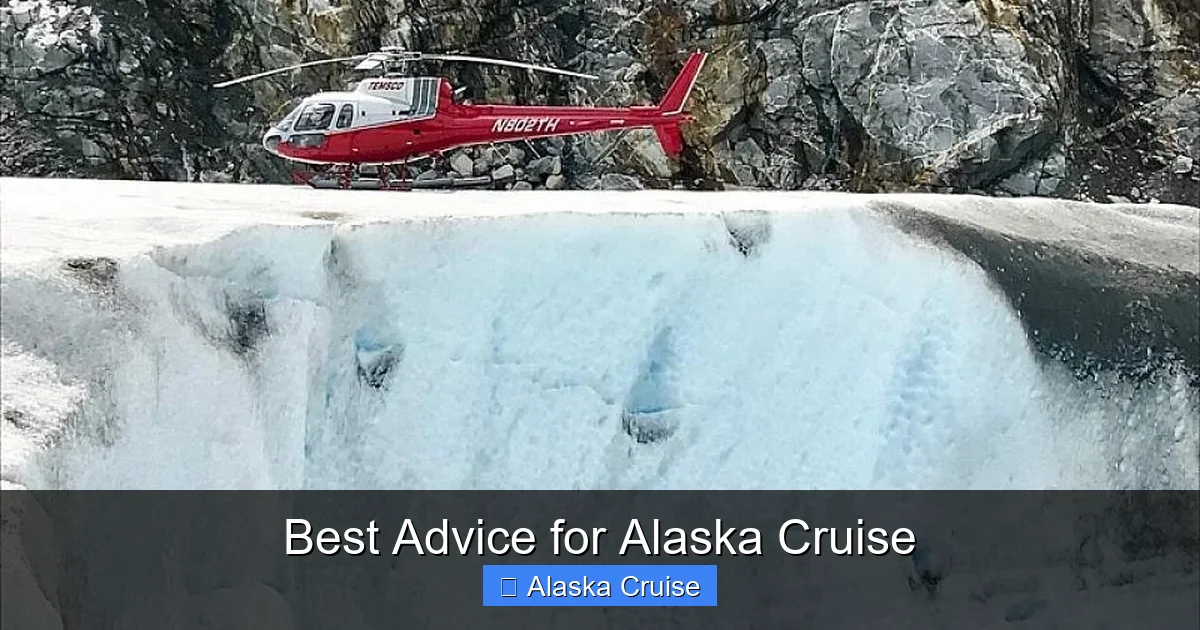
Visual guide about Best Advice for Alaska Cruise
Image source: uploads.alaska.org
Alaska cruises are in high demand, and 2026 is expected to be no different. With post-pandemic travel surges and growing interest in sustainable tourism, cabins—especially balcony rooms—are booking up faster than ever. If you’re serious about sailing in 2026, now is the time to act.
Why Early Booking Matters
Cruise lines release their 2026 itineraries in late 2024 and early 2025. Once they’re out, popular sail dates—like July 4th week or late August—fill up within weeks. Booking early gives you the best choice of cabins, itineraries, and departure cities. It also locks in current pricing, protecting you from future fare increases.
For example, a balcony cabin on a 7-day Inside Passage cruise might cost $2,500 per person today but could rise to $3,200 by 2026 if demand spikes. Plus, early bookers often get perks like onboard credit, free drink packages, or discounted airfare.
How to Secure Your Spot
Start by researching cruise lines that sail Alaska. Major players include Holland America, Princess Cruises, Norwegian Cruise Line, and smaller luxury lines like Seabourn and UnCruise Adventures. Each offers a different vibe—from family-friendly to ultra-luxury.
Once you’ve narrowed your choices, sign up for email alerts from the cruise lines. They’ll notify you the moment 2026 dates go live. You can also work with a travel agent who specializes in Alaska cruises—they often have access to exclusive deals and can help with complex itineraries.
When you book, consider adding travel insurance. Alaska weather can be unpredictable, and while cruise lines rarely cancel sailings, shore excursions might be affected. A good policy covers trip delays, medical emergencies, and missed port calls.
Pack Smart for Alaska’s Wild Weather
Alaska’s weather is famously unpredictable. You could experience sunshine, rain, fog, and wind—all in one day. That’s why packing the right gear is one of the most important pieces of advice for Alaska cruise travelers.
Layer Like a Local
The key to staying comfortable is layering. Start with a moisture-wicking base layer (like merino wool or synthetic fabric), add an insulating mid-layer (fleece or down jacket), and top it off with a waterproof, windproof outer shell. This system lets you adjust to changing conditions—whether you’re hiking in 50°F weather or watching glaciers in a chilly breeze.
Don’t forget:
– Waterproof hiking boots with good grip (many docks and trails are slippery)
– Warm hat and gloves (even in summer, it can get cold on deck)
– Quick-dry pants and long-sleeve shirts
– Sunglasses and sunscreen (glare off the water and ice is intense)
Rain Gear Is Non-Negotiable
Rain is common in Southeast Alaska, especially in Ketchikan and Juneau. A high-quality rain jacket with a hood is essential. Look for one with sealed seams and breathable fabric. Packable rain pants are also useful for shore excursions.
Many cruisers make the mistake of bringing only a light windbreaker. Don’t be that person shivering on deck while others are dry and comfortable. Invest in gear you’d use for a Pacific Northwest hike—it’ll serve you well in Alaska.
Don’t Forget the Extras
– Binoculars: Wildlife like whales, eagles, and bears are often spotted at a distance. Compact binoculars make a huge difference.
– Camera with zoom lens: Glacier calving and whale breaches happen fast. A telephoto lens helps you capture the moment.
– Reusable water bottle: Stay hydrated during excursions. Many ships offer filtered water stations.
– Daypack: For carrying layers, snacks, and souvenirs during port stops.
– Motion sickness remedies: Even calm waters can feel choppy. Bring patches, wristbands, or medication just in case.
Pro tip: Pack a small first-aid kit with band-aids, pain relievers, and any personal medications. Pharmacies in small Alaskan towns may be limited.
Maximize Shore Excursions
Shore excursions are where the real magic of an Alaska cruise happens. From dog sledding on a glacier to kayaking alongside sea lions, these experiences bring the destination to life. But they’re also competitive—popular tours sell out months in advance.
Book Ahead—Don’t Wait
The best advice for Alaska cruise excursions? Book them before you sail. Most cruise lines open excursion sales 6–12 months in advance. Once you’ve booked your cruise, log into your account and reserve your top picks early.
For example, a whale-watching tour in Juneau or a helicopter ride to the Mendenhall Glacier can fill up within days of going on sale. If you wait until you’re onboard, you might be stuck with limited options or higher prices.
Choose Experiences That Match Your Pace
Alaska offers excursions for every interest and fitness level:
– Adventure seekers: Try glacier hiking, zip-lining, or white-water rafting.
– Wildlife lovers: Opt for bear viewing, whale watching, or birding tours.
– History buffs: Explore Gold Rush sites, museums, or Indigenous cultural centers.
– Relaxed cruisers: Take a scenic train ride, visit a local market, or enjoy a salmon bake.
Be realistic about your energy level. A 6-hour hiking tour might sound exciting, but if you’re not used to long walks, it could leave you exhausted. Many ships offer “gentle” or “moderate” activity levels—choose wisely.
Consider Independent Tours
While cruise-line excursions are convenient and often include transportation, independent operators can offer better value and more personalized experiences. Websites like Viator, Shore Excursions Group, or local tour companies often have lower prices and smaller groups.
Just be sure to confirm pickup times and locations. Missing your ship is rare but possible if you’re not back on time. Always allow a buffer—ships won’t wait for late passengers.
Embrace the Wildlife—Responsibly
One of the biggest draws of an Alaska cruise is the chance to see wildlife in its natural habitat. Humpback whales, orcas, sea otters, bald eagles, and even brown bears are commonly spotted. But with great sightings comes great responsibility.
Keep a Safe Distance
Always follow guidelines from your cruise line and local authorities. Never approach wildlife, especially bears or marine mammals. Use binoculars and zoom lenses to observe without disturbing animals.
In 2026, new regulations may further restrict human interaction with wildlife to protect ecosystems. Stay informed and respect protected areas.
Best Times for Wildlife Viewing
– Whales: Peak season is May through September. Humpbacks are common in Juneau and Icy Strait Point.
– Bears: Best seen in July and August along riverbanks during salmon runs. Katmai National Park and Admiralty Island are top spots.
– Eagles: Year-round, but most active in spring and summer. Ketchikan and Haines are eagle hotspots.
Remember, wildlife is unpredictable. You might see a whale breach right next to the ship—or go days without a sighting. That’s part of the adventure.
Respect Local Cultures and Communities
Many Alaska cruise ports are small, tight-knit communities with deep Indigenous roots. Respecting local cultures enriches your experience and supports sustainable tourism.
Support Local Businesses
Instead of buying mass-produced souvenirs, look for authentic crafts made by Alaska Native artists. Visit local markets, galleries, and co-ops. Your purchase directly supports the community.
In 2026, more cruise lines are partnering with Indigenous groups to offer cultural experiences—like traditional dance performances or storytelling sessions. These are often included in excursions or onboard programming.
Learn Basic Etiquette
– Ask before taking photos of people, especially in cultural settings.
– Remove hats and sunglasses when entering sacred spaces.
– Be mindful of noise and litter—many towns have strict environmental rules.
Simple gestures go a long way. A smile, a thank you in Tlingit (“Gunalchéesh”), or buying a locally made blanket shows respect and appreciation.
Stay Flexible and Enjoy the Journey
No matter how well you plan, Alaska has a way of throwing curveballs. A glacier might be shrouded in fog. A whale-watching tour could be canceled due to high winds. Your favorite shop in Skagway might be closed for the season.
The best advice for Alaska cruise travelers? Stay flexible. Embrace the unexpected. Some of the most memorable moments happen when plans change—like spotting a pod of orcas while waiting for a delayed tender, or enjoying an impromptu chat with a local fisherman.
Make the Most of Downtime
Cruise days at sea are perfect for relaxing, reading, or enjoying the ship’s amenities. Many Alaska cruises feature guest speakers, cooking demos, or live music with Alaskan themes. Attend a lecture on glacier science or try your hand at making sourdough bread—Alaska’s unofficial state food.
Connect with Fellow Travelers
Strike up conversations at the buffet, on deck, or during excursions. You’ll meet people from all over the world, each with their own stories and tips. Some cruise lines even host meetups for solo travelers or photography enthusiasts.
Conclusion
An Alaska cruise in 2026 promises awe-inspiring scenery, unforgettable wildlife, and a deep connection to one of the world’s last wild places. But to truly enjoy it, you need more than luck—you need smart planning, the right gear, and an open mind.
From booking early and choosing the right itinerary to packing layers and respecting local cultures, the best advice for Alaska cruise success comes down to preparation and presence. Don’t just visit Alaska—experience it. Listen to the silence of a glacier, feel the mist from a whale’s blow, and let the vastness of the landscape remind you how small—and how connected—we all are.
So start planning today. Your 2026 Alaska adventure is waiting.
Frequently Asked Questions
When is the best time to book an Alaska cruise for 2026?
The best time to book is 12–18 months in advance. Cruise lines release 2026 itineraries in late 2024, and popular dates fill up quickly. Booking early secures your preferred cabin and locks in current pricing.
What should I pack for an Alaska cruise?
Pack layers, including a waterproof jacket, fleece, warm hat, gloves, and non-slip shoes. Don’t forget binoculars, a camera, sunscreen, and motion sickness remedies. Rain gear is essential, even in summer.
Are shore excursions worth it?
Yes, especially for unique experiences like glacier hikes or whale watching. Book them early—popular tours sell out fast. Consider independent operators for better value, but confirm logistics to avoid missing the ship.
Will I see wildlife on my Alaska cruise?
Wildlife sightings are common but not guaranteed. Humpback whales, bears, and eagles are frequently spotted, especially in summer. Bring binoculars and stay patient—nature operates on its own schedule.
Can I drink the water on an Alaska cruise?
Yes, tap water on cruise ships is safe to drink. Most ships use advanced filtration systems. You can also refill reusable bottles at water stations to stay hydrated during excursions.
Do I need travel insurance for an Alaska cruise?
Highly recommended. Alaska weather can disrupt excursions, and medical care in remote areas is limited. A good policy covers trip delays, cancellations, and emergency evacuation.