Planning an Alaska cruise in 2026 and need accessibility? You’re in the right place. The best accessible Alaska cruise combines breathtaking scenery, smooth onboard experiences, and inclusive shore excursions—all designed with mobility in mind. From wide doorways to adaptive wildlife tours, these cruises ensure everyone can enjoy the Last Frontier.
Dreaming of snow-capped peaks, calving glaciers, and breaching whales—but worried about mobility challenges? You don’t have to miss out. The best accessible Alaska cruise in 2026 is more than possible; it’s becoming the standard. Cruise lines are stepping up their game, investing in inclusive design, trained staff, and partnerships with accessible tour operators. Whether you use a wheelchair, have limited mobility, or travel with someone who does, Alaska’s rugged beauty is now within reach.
Alaska’s cruise season runs from May to September, with peak months in June, July, and August. While the scenery is stunning year-round, 2026 promises longer daylight hours and milder weather—ideal for travelers who want to maximize comfort and visibility. And with new ships launching and existing fleets retrofitted for accessibility, the options are better than ever. From Juneau to Ketchikan, Skagway to Glacier Bay, the journey is as smooth as the Inside Passage itself—when you choose wisely.
So how do you find the best accessible Alaska cruise? It starts with knowing what to look for: cabin design, ship layout, shore excursion options, and onboard services. This guide breaks it all down, so you can sail with confidence, comfort, and wonder.
Key Takeaways
- Choose the right cruise line: Holland America, Princess, and Norwegian offer top-tier accessibility features like wheelchair-accessible cabins, elevators, and trained staff.
- Book early for accessible cabins: Accessible staterooms are limited and sell out fast—reserve at least 12 months in advance for 2026 sailings.
- Look for inclusive shore excursions: Opt for tours labeled “accessible” or “low-mobility friendly,” such as scenic rail rides or accessible glacier viewpoints.
- Pack smart for variable weather: Layered clothing, non-slip shoes, and portable ramps can make a big difference in comfort and safety.
- Verify accessibility details directly: Cruise lines update policies—always confirm cabin specs, gangway access, and medical support before booking.
- Consider a land-and-sea package: Combining a cruise with an accessible Denali or Kenai Fjords tour offers a fuller Alaska experience.
- Travel with a companion if needed: Some activities require assistance—having a travel partner ensures smoother navigation.
📑 Table of Contents
- Why Accessibility Matters on an Alaska Cruise
- Top Cruise Lines for Accessibility in 2026
- What to Look for in an Accessible Cabin
- Accessible Shore Excursions: Making the Most of Port Stops
- Onboard Accessibility: From Dining to Entertainment
- Packing and Preparation Tips for 2026
- Conclusion: Sailing with Confidence in 2026
Why Accessibility Matters on an Alaska Cruise
Alaska isn’t your typical beach destination. It’s wild, remote, and full of uneven terrain—making accessibility a real concern. But that doesn’t mean it’s off-limits. In fact, with the right planning, an Alaska cruise can be one of the most accessible ways to experience the state. Ships are self-contained cities with elevators, wide corridors, and trained medical staff. Once you’re onboard, mobility is rarely an issue.
The real challenge comes during port stops. Towns like Skagway and Ketchikan were built on hills, with steep streets and historic boardwalks that aren’t always wheelchair-friendly. That’s why choosing a cruise line with a strong accessibility program is crucial. The best accessible Alaska cruise doesn’t just offer a ramp to the ship—it ensures that every part of the journey, from cabin to cabin, is designed with inclusion in mind.
Moreover, Alaska’s wildlife and natural wonders are best enjoyed with minimal physical strain. Imagine watching a glacier calve from the comfort of a heated lounge, or spotting a bear from a smooth-access viewing platform. These experiences are possible—and increasingly common—on modern accessible cruises.
The Rise of Inclusive Travel in Alaska
In recent years, the travel industry has made significant strides in accessibility. The Americans with Disabilities Act (ADA) has influenced cruise ship design, and consumer demand has pushed companies to do better. In 2026, expect even more innovation: voice-activated cabin controls, app-based navigation for visually impaired guests, and enhanced training for crew members.
Alaska-specific challenges—like variable weather and remote ports—have also spurred creative solutions. Some cruise lines now offer “mobility concierges” who help guests plan excursions, arrange transportation, and even provide temporary equipment like all-terrain wheelchairs for shore visits. These services aren’t just nice-to-haves—they’re essential for a truly accessible experience.
Top Cruise Lines for Accessibility in 2026
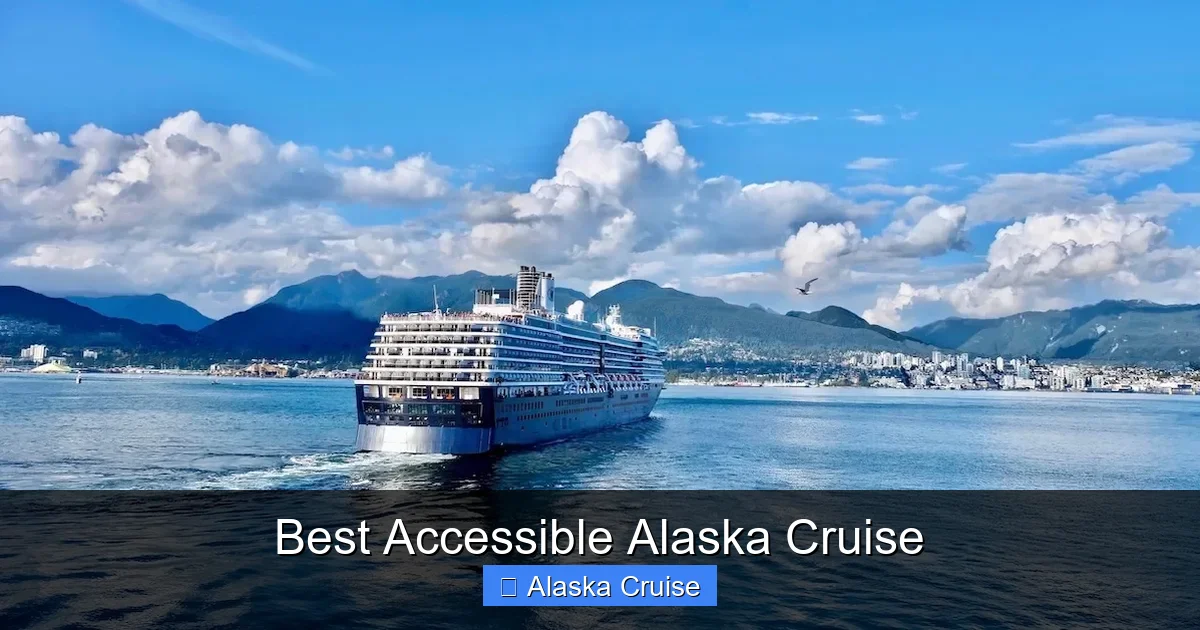
Visual guide about Best Accessible Alaska Cruise
Image source: blogger.googleusercontent.com
Not all cruise lines are created equal when it comes to accessibility. Some have made it a core part of their brand, while others offer only basic accommodations. For 2026, three lines stand out as leaders in inclusive Alaska cruising: Holland America Line, Princess Cruises, and Norwegian Cruise Line.
Each of these companies has invested heavily in accessible infrastructure, staff training, and guest support. They also offer detailed accessibility guides online, so you can preview cabin layouts, deck plans, and excursion options before booking.
Holland America Line: The Gold Standard
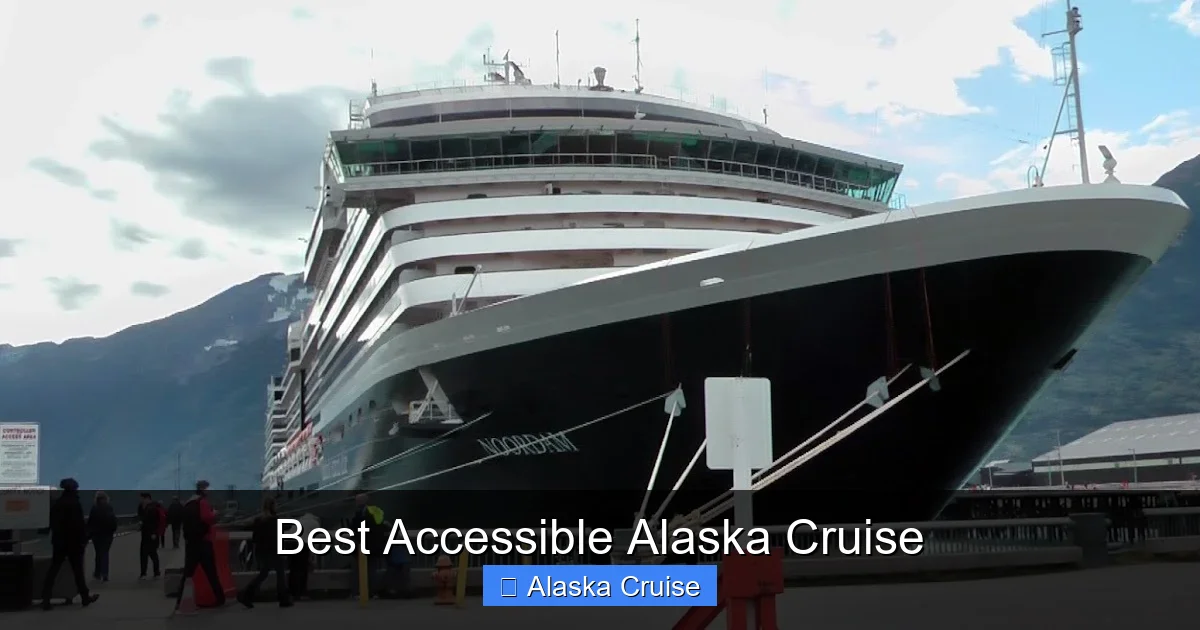
Holland America has long been praised for its commitment to accessibility. Their ships, including the ms Koningsdam and ms Nieuw Amsterdam, feature fully accessible staterooms with roll-in showers, lowered sinks, and wide doorways. Elevators serve all public decks, and gangways are equipped with ramps or lifts at most ports.
What sets Holland America apart is their “Accessible Alaska” program, which includes pre-cruise consultations, priority boarding, and dedicated staff to assist with mobility needs. They also partner with local operators to offer accessible shore excursions, such as the White Pass & Yukon Route Railway, which has low-floor cars and ramp access.
In 2026, Holland America is introducing new sensory-friendly features, including quiet lounges and noise-reducing cabin materials—ideal for travelers with sensory sensitivities.
Princess Cruises: Scenic and Supportive
Princess Cruises is another top choice for accessible Alaska travel. Their ships, like the Grand Princess and Royal Princess, are designed with wide corridors, accessible restrooms, and cabins that meet or exceed ADA standards. They also offer a “Mobility Assistance Program” that includes wheelchair storage, accessible dining, and trained personnel.
One of Princess’s standout features is their “North to Alaska” shore excursion program, which includes accessible options like the Mendenhall Glacier Visitor Center (with paved paths and viewing platforms) and the Juneau Whale Watching Tour (on stable, low-profile boats). Their Glacier Bay day is also fully accessible, with viewing areas on multiple decks and live narration for those who can’t be on the outer rails.
Norwegian Cruise Line: Flexibility and Freedom
Norwegian Cruise Line (NCL) is known for its “Freestyle Cruising” concept—and that extends to accessibility. Their newer ships, like the Norwegian Encore and Norwegian Bliss, feature modern, spacious accessible cabins and intuitive layouts. NCL also offers a “Special Needs Desk” to help guests coordinate everything from dietary needs to mobility equipment.
While NCL’s shore excursions aren’t always as consistently accessible as Holland America’s or Princess’s, they do offer a growing number of low-mobility options. For example, the “Scenic Drive to Tracy Arm Fjord” in Juneau uses accessible vans, and the “Ketchikan City Tour” includes stops at flat, paved attractions like Totem Bight State Park.
What to Look for in an Accessible Cabin
Your cabin is your home base for the week—so it needs to work for you. The best accessible Alaska cruise starts with the right stateroom. Here’s what to prioritize:
Roll-In Showers and Grab Bars
Look for cabins with roll-in showers (no curb), fold-down seats, and grab bars on all walls. Some ships even offer handheld showerheads and non-slip flooring. Avoid oceanview or interior cabins if you need natural light or easier access to elevators—balcony cabins often have wider doors and more space to maneuver.
Lowered Fixtures and Controls
Accessible cabins should have lowered sinks, mirrors, and light switches. Thermostats, closet rods, and minibar controls should also be within reach. Some newer ships feature voice-activated controls or app-based room management, which can be a game-changer for guests with limited dexterity.
Proximity to Elevators and Services
Request a cabin near an elevator—preferably one that serves all decks. This reduces walking distance and makes it easier to access dining, entertainment, and medical facilities. Avoid cabins at the very front or back of the ship, as they may experience more motion.
Verifying Accessibility Details
Don’t rely solely on cruise line websites. Call the accessibility department directly and ask for a floor plan of the cabin. Confirm the width of doorways (should be at least 32 inches), the height of the bed, and whether the bathroom door swings inward or outward. Some ships have “semi-accessible” cabins that meet only partial standards—make sure you’re booking a fully compliant room.
Accessible Shore Excursions: Making the Most of Port Stops
The magic of an Alaska cruise is in the ports—but not all excursions are created equal. The best accessible Alaska cruise includes thoughtfully designed shore tours that let everyone participate.
Glacier Viewing: Comfort and Clarity
Glaciers are a highlight of any Alaska trip, and many can be viewed from accessible locations. In Juneau, the Mendenhall Glacier Visitor Center has paved trails, ramps, and indoor viewing areas with large windows. In Skagway, the Exit Glacier area offers a flat, gravel-free path to a stunning overlook.
Some cruise lines offer “glacier cruises” on small boats with low sides and easy boarding—ideal for guests using walkers or wheelchairs. These tours often include heated cabins and accessible restrooms.
Wildlife Tours: Spotting Bears, Whales, and More
Whale watching is a must in Alaska, and many operators now use stable, low-profile boats with ramps and wide doors. In Ketchikan, look for tours that visit the Tongass National Forest via accessible boardwalks. In Seward, the Alaska SeaLife Center offers fully accessible exhibits and touch tanks.
Bear viewing can be trickier, but some lodges near Anchorage and Katmai offer accessible viewing platforms and shuttle services. Always confirm accessibility with the tour provider—don’t assume.
Rail and Road Tours: Scenic and Smooth
The White Pass & Yukon Route Railway is a historic favorite, and in 2026, it will feature even more accessible cars. Similarly, the Alaska Railroad offers accessible coaches on select routes, including the scenic Denali Star train.
Road tours, like the drive to the Kenai Fjords, often use accessible vans with ramps. These tours typically include stops at flat, paved viewpoints and rest areas with accessible facilities.
Tips for Booking Accessible Excursions
– Book through your cruise line’s accessibility desk—they vet partners for compliance.
– Ask about restroom access, seating, and walking distances.
– Avoid excursions labeled “moderate” or “strenuous.”
– Consider private tours for more flexibility.
– Always have a backup plan in case of weather or mechanical issues.
Onboard Accessibility: From Dining to Entertainment
Once you’re on the ship, the experience should be seamless. The best accessible Alaska cruise ensures that every onboard activity is within reach.
Dining and Bars
All major dining venues should be wheelchair accessible, with tables that accommodate mobility devices. Some ships offer “dining ambassadors” to assist with seating and menu navigation. Special dietary needs can usually be accommodated with advance notice.
Bars and lounges should have lowered counters or accessible seating areas. Avoid venues with steps or narrow aisles.
Entertainment and Activities
Theaters, lounges, and outdoor decks should have accessible seating with removable armrests. Many ships offer assistive listening devices or captioning for shows. Pools and hot tubs may have lifts or zero-entry access—check with the cruise line.
Fitness centers and spas often have accessible equipment, but space can be limited. Book spa treatments in advance and confirm accessibility.
Medical and Emergency Support
All major cruise lines have medical centers with trained staff and basic equipment. However, they are not hospitals—serious medical issues may require evacuation. Travel insurance with medical coverage is essential.
In an emergency, crew members are trained to assist guests with mobility needs. Make sure your cabin is registered with the accessibility desk so staff know your location and requirements.
Packing and Preparation Tips for 2026
A successful accessible Alaska cruise starts long before you board. Here’s how to prepare:
Essential Gear to Bring
– Portable ramp (for uneven gangways or thresholds)
– Non-slip shoes (for wet decks)
– Layered clothing (temperatures vary widely)
– Waterproof jacket and gloves
– Medications in original containers
– Copies of prescriptions and medical records
Travel Insurance and Documentation
Purchase comprehensive travel insurance that covers medical evacuation, trip cancellation, and mobility equipment. Carry a doctor’s note if you’re bringing medical devices or medications.
Arriving at the Port
Most major Alaska ports (Seattle, Vancouver, Seward) have accessible terminals with ramps, elevators, and assistance services. Arrive early to allow extra time for check-in and boarding. Request a wheelchair escort if needed.
Communicating Your Needs
Contact the cruise line’s accessibility department at least 60 days before departure. Provide details about your mobility needs, equipment, and any assistance required. This ensures they can prepare properly.
Conclusion: Sailing with Confidence in 2026
An Alaska cruise is a once-in-a-lifetime adventure—and it should be accessible to everyone. In 2026, the best accessible Alaska cruise combines cutting-edge ship design, inclusive shore excursions, and thoughtful guest support. With the right planning, you can experience towering glaciers, playful sea otters, and endless northern lights—without sacrificing comfort or safety.
Start by choosing a cruise line with a proven track record in accessibility. Book your cabin early, verify every detail, and pack smart. Don’t hesitate to ask questions or request assistance—cruise staff are there to help.
Alaska is wild, yes—but it’s also welcoming. And with the right cruise, you’ll find that the Last Frontier is more accessible than you ever imagined.
Frequently Asked Questions
Are Alaska cruise ships wheelchair accessible?
Yes, most major cruise lines operating in Alaska offer wheelchair-accessible ships with elevators, wide doorways, and accessible cabins. Holland America, Princess, and Norwegian are among the most accessible options in 2026.
Can I bring my own wheelchair or scooter on an Alaska cruise?
Absolutely. You can bring your own mobility device onboard. Cruise lines provide storage and charging areas, and staff can assist with boarding and disembarking.
Are shore excursions in Alaska accessible for people with mobility challenges?
Many are. Look for excursions labeled “accessible” or “low-mobility friendly.” Options include scenic rail rides, accessible glacier viewpoints, and wildlife tours on stable boats.
What should I do if I need medical assistance during the cruise?
All ships have medical centers with trained staff. For serious issues, evacuation to a mainland facility may be necessary. Travel insurance with medical coverage is strongly recommended.
How early should I book an accessible cabin for a 2026 Alaska cruise?
Book at least 12 months in advance. Accessible cabins are limited and sell out quickly, especially during peak summer months.
Do I need a travel companion for an accessible Alaska cruise?
It depends on your needs. Some guests travel independently, while others prefer a companion for assistance with excursions or daily activities. Cruise staff can help, but a travel partner offers added support.