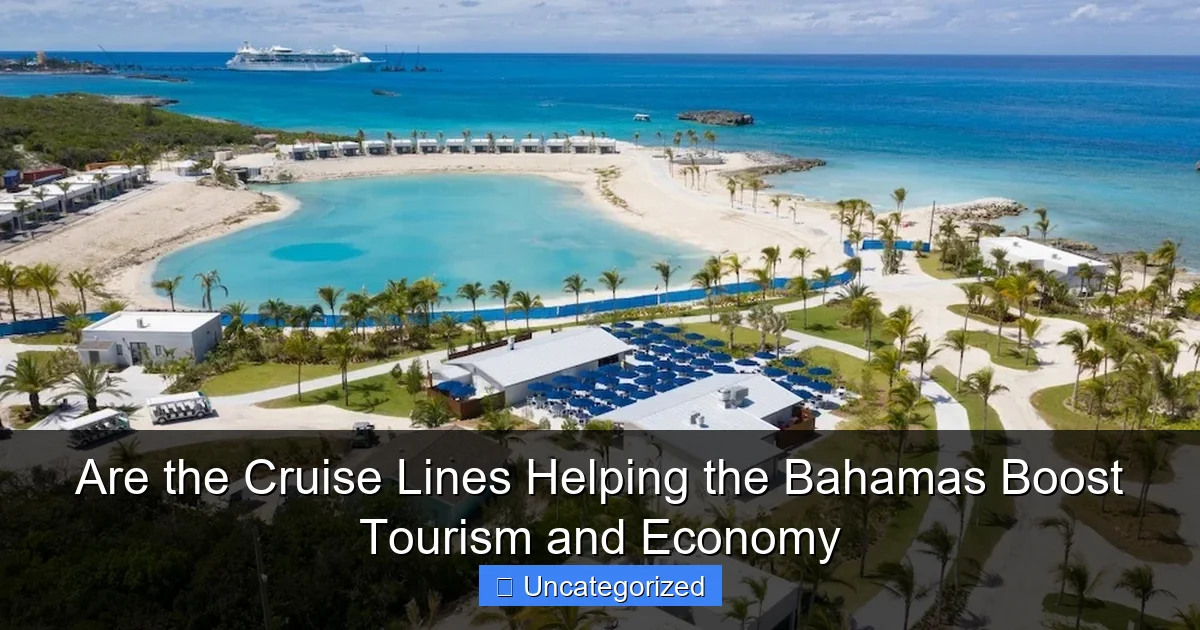
Featured image for are the cruise lines helping the bahamas
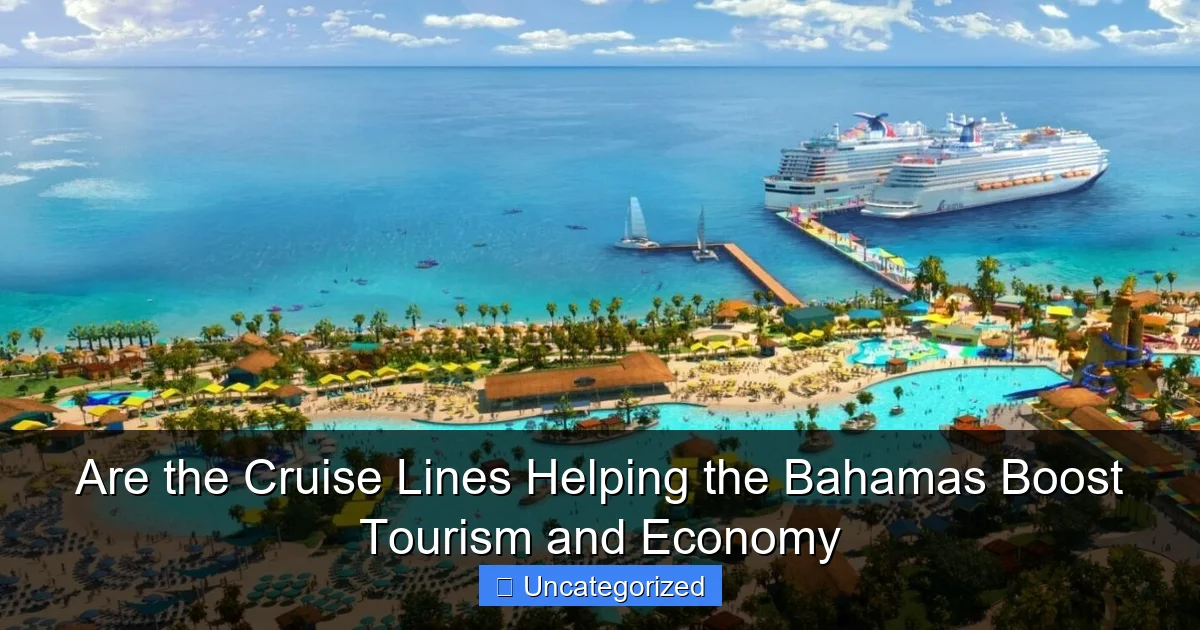
Image source: islekeys.com
Cruise lines are significantly boosting the Bahamas’ tourism and economy, injecting millions through passenger spending, port fees, and job creation. However, concerns remain about environmental impacts and whether local communities truly benefit from this influx, raising questions about sustainable growth. The balance between economic gains and long-term sustainability will define the future of this partnership.
Key Takeaways
- Cruise lines drive tourism: They bring millions of visitors, boosting local businesses and services.
- Job creation is significant: Employment rises in hospitality, retail, and transportation sectors due to cruise demand.
- Infrastructure improvements needed: Port upgrades and facilities enhance visitor experience and economic returns.
- Local partnerships matter: Collaborations with Bahamian vendors maximize revenue retention within the islands.
- Environmental impact concerns: Sustainable practices must balance growth with ecological preservation efforts.
- Economic leakage persists: Cruise profits often leave the Bahamas, requiring policy changes for better local benefits.
📑 Table of Contents
- The Bahamas and Cruise Lines: A Symbiotic Relationship?
- Economic Impact: How Cruise Tourism Fuels The Bahamas’ Economy
- Environmental Concerns: Are Cruise Lines Harming or Helping?
- Community Engagement: Do Cruise Lines Invest in Local Communities?
- Infrastructure Development: Building a Sustainable Tourism Future
- Data and Trends: The Numbers Behind Cruise Tourism
- Conclusion: A Partnership with Potential—and Pitfalls
The Bahamas and Cruise Lines: A Symbiotic Relationship?
The turquoise waters, powdery white beaches, and vibrant culture of The Bahamas have long made it a top destination for travelers worldwide. With over 700 islands and cays, this Caribbean paradise is synonymous with luxury, relaxation, and adventure. However, behind the postcard-perfect scenery lies a complex economic reality where tourism is the lifeblood of the nation, contributing nearly 50% of the country’s GDP. In recent decades, cruise tourism has emerged as a pivotal force in shaping The Bahamas’ economic landscape, with major cruise lines docking at Nassau, Freeport, and private islands like CocoCay and Great Stirrup Cay. But the big question remains: Are the cruise lines helping the Bahamas boost tourism and the economy?
On the surface, the answer seems straightforward—cruise ships bring millions of visitors annually, creating jobs, generating revenue, and supporting local businesses. However, the relationship between cruise lines and The Bahamas is nuanced. While cruise tourism has undeniably injected capital into the economy, concerns about environmental impact, economic leakage, and over-tourism have sparked debates about sustainability and long-term benefits. This blog post explores the multifaceted role of cruise lines in The Bahamas, analyzing their contributions to tourism growth, economic development, environmental stewardship, and community engagement. By examining real-world examples, data, and expert insights, we aim to answer whether cruise lines are true partners in the nation’s prosperity or merely profiting from its natural and cultural assets.
Economic Impact: How Cruise Tourism Fuels The Bahamas’ Economy
Direct Revenue and Employment
Cruise tourism is a significant driver of The Bahamas’ economy, with the sector contributing over $1 billion annually in direct spending. According to the Bahamas Ministry of Tourism, cruise passengers account for approximately 70% of total visitor arrivals, with over 4 million cruise passengers visiting in 2023 alone. These visitors spend money on excursions, dining, shopping, and transportation, creating a ripple effect across local businesses. For example:
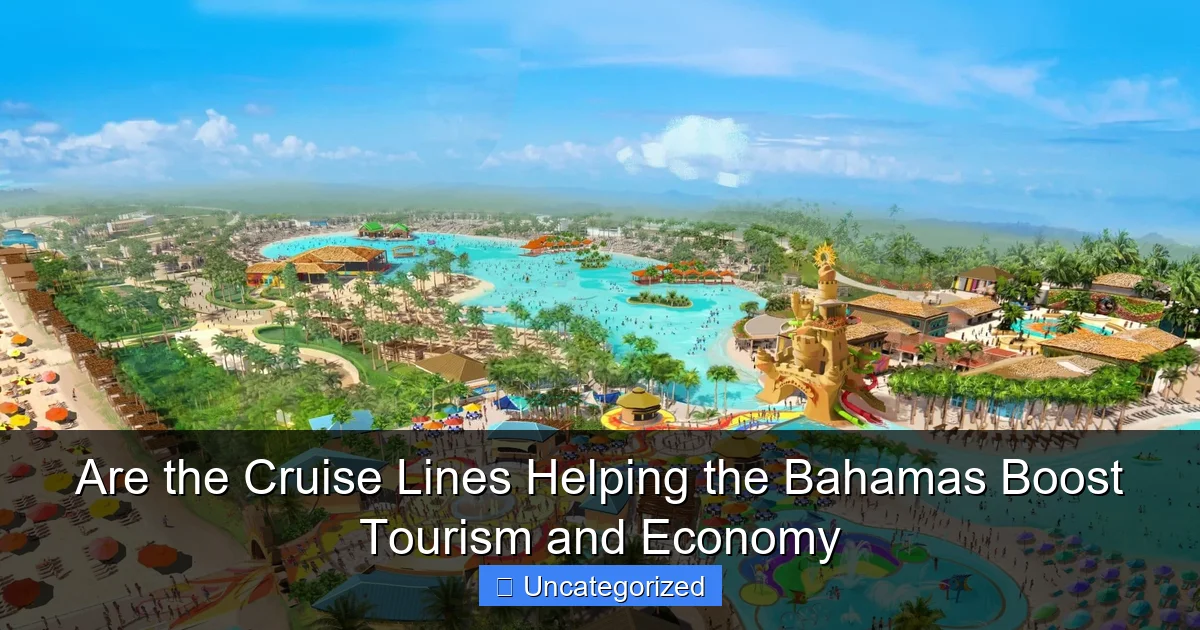
Visual guide about are the cruise lines helping the bahamas
Image source: cruisefever.net
- Port Fees and Taxes: Cruise lines pay docking fees, passenger head taxes, and environmental levies, which fund infrastructure and public services. In 2022, Nassau Cruise Port collected $35 million in fees, a 20% increase from 2019.
- Local Jobs: The cruise industry supports over 15,000 Bahamian jobs, including tour guides, taxi drivers, artisans, and hospitality workers. Companies like Bahama Divers and Island Routes offer shore excursions, employing hundreds of Bahamians.
- Small Business Growth: Vendors at Nassau’s Bay Street and Freeport’s International Bazaar rely heavily on cruise passengers for sales. Many artisans report 60-80% of their revenue comes from cruise tourists.
Private Islands: A Double-Edged Sword
Major cruise lines, including Royal Caribbean, Carnival, and Norwegian, have invested in private Bahamian islands, such as CocoCay, Half Moon Cay, and Great Stirrup Cay. These developments generate substantial revenue through:
- Land Leases: Carnival pays $10 million annually to lease Half Moon Cay, while Royal Caribbean’s $250 million investment in CocoCay includes a $5 million upfront payment and ongoing royalties.
- On-Island Spending: Passengers spend on water sports, dining, and retail, with Royal Caribbean reporting $50 per passenger spent at CocoCay in 2023.
However, critics argue that private islands divert revenue away from local communities. For instance, only 10-15% of CocoCay’s workforce are Bahamians, and most food supplies are imported, limiting local economic benefits. Tip: To maximize local impact, travelers should book excursions through Bahamian-owned companies or visit public islands like Harbour Island or Exuma.
Economic Leakage and Challenges
Despite the revenue, economic leakage remains a concern. Studies show that only 30-40% of cruise spending stays in The Bahamas, with the rest going to foreign-owned cruise lines, international suppliers, and imported goods. For example:
- Over 80% of food served on cruise ships is sourced from the U.S., bypassing local farmers.
- Most high-end retail on private islands is operated by multinational brands (e.g., Starbucks, Hard Rock Café).
<
To address this, the Bahamian government has launched initiatives like the “Buy Bahamian” campaign, encouraging cruise lines to source locally. In 2023, Royal Caribbean partnered with Bahamian farmers to supply produce for CocoCay, a step toward reducing leakage.
Environmental Concerns: Are Cruise Lines Harming or Helping?
Pollution and Ecosystem Damage
The environmental footprint of cruise tourism is a pressing issue. Cruise ships emit greenhouse gases, discharge wastewater, and risk damaging coral reefs and marine habitats. Key concerns include:
Visual guide about are the cruise lines helping the bahamas
Image source: media.timeout.com
- Air Pollution: A single cruise ship emits as much particulate matter as 1 million cars per day. The Bahamas’ proximity to major shipping lanes exacerbates air quality issues.
- Wastewater Discharge: While cruise lines must comply with MARPOL (Marine Pollution) regulations, illegal dumping has been reported. In 2021, a Carnival ship was fined $20 million for illegal waste disposal.
- Coral Reef Degradation: Anchoring and snorkeling activities threaten fragile reefs. In Exuma Cays Land and Sea Park, over 20% of reefs show signs of damage from tourism.
Sustainability Initiatives and Innovations
To mitigate environmental harm, cruise lines and The Bahamas are investing in sustainability:
- Green Ports: Nassau Cruise Port’s $300 million redevelopment includes solar panels, electric shuttle buses, and a wastewater treatment plant.
- LNG-Powered Ships: Carnival’s AIDAnova and Royal Caribbean’s Icon-class ships run on liquefied natural gas (LNG), cutting sulfur emissions by 90%.
- Marine Conservation Partnerships: Royal Caribbean’s “Save the Waves” program funds reef restoration in The Bahamas, planting over 10,000 coral fragments since 2020.
<
Tip: Travelers can support eco-friendly practices by choosing cruise lines with strong sustainability policies (e.g., Carnival’s “Eco-Smart” certification) and avoiding single-use plastics during excursions.
Regulation and Enforcement
The Bahamian government has implemented stricter environmental regulations, including:
- Marine Protected Areas (MPAs): 25% of Bahamian waters are now MPAs, restricting fishing and anchoring.
- Fines for Violations: Cruise lines face penalties up to $500,000 for environmental breaches.
- Collaboration with NGOs: The Bahamas Reef Environment Educational Foundation (BREEF) works with cruise lines to monitor reef health.
However, enforcement remains inconsistent. Advocates call for real-time monitoring and harsher penalties to deter violations.
Community Engagement: Do Cruise Lines Invest in Local Communities?
Corporate Social Responsibility (CSR) Programs
Leading cruise lines have launched CSR initiatives to support Bahamian communities:
- Royal Caribbean: The “Royal Caribbean Scholars” program funds scholarships for Bahamian students. Since 2018, 150 students have received $2 million in grants.
- Carnival: The “Carnival Cares” program rebuilt schools and clinics after Hurricane Dorian (2019), donating $5 million to relief efforts.
- Norwegian: The “Norwegian Community Fund” supports small businesses, providing microloans to Bahamian entrepreneurs.
Local Sourcing and Cultural Preservation
Efforts to integrate local culture into cruise tourism include:
- Bahamian Cuisine: Royal Caribbean’s “Island Eats” menu at CocoCay features dishes like conch fritters and guava duff, prepared by Bahamian chefs.
- Artisan Partnerships: Carnival’s “Bahamian Artisan Marketplace” in Nassau sells crafts made by local artists, with 100% of profits going to artisans.
- Heritage Tours: Norwegian’s “Junkanoo Experience” offers passengers a chance to learn about The Bahamas’ iconic festival, employing local performers.
Challenges and Criticisms
Despite these efforts, critics argue that CSR programs are often “window dressing” rather than systemic change. For example:
- Only 20% of CocoCay’s workforce are Bahamians, with most high-paying jobs held by foreign staff.
- Local businesses report that cruise lines prioritize international brands over Bahamian vendors.
Tip: Travelers can amplify local impact by purchasing authentic Bahamian crafts, dining at family-owned restaurants, and booking excursions through Bahamian guides.
Infrastructure Development: Building a Sustainable Tourism Future
Port Upgrades and Modernization
The Bahamas has invested heavily in port infrastructure to accommodate growing cruise traffic:
- Nassau Cruise Port: A $300 million redevelopment (completed in 2022) includes a new terminal, retail space, and a cultural village. The project created 1,200 construction jobs.
- Freeport Harbour: Carnival’s $50 million investment in Freeport’s port includes a new pier, reducing congestion and improving passenger flow.
Transportation and Connectivity
To reduce cruise tourism’s carbon footprint, The Bahamas is promoting sustainable transport:
- Electric Shuttles: Nassau’s new fleet of 50 electric buses cuts emissions by 40%.
- Bike Rentals: Exuma’s “Bike & Explore” program encourages eco-friendly island exploration.
Challenges in Rural Areas
While urban centers like Nassau benefit from port upgrades, rural islands (e.g., Andros, Eleuthera) lack infrastructure. Cruise lines rarely visit these areas, leaving communities behind. The Bahamian government is addressing this by:
- Developing Smaller Ports: Projects in Harbour Island and Bimini aim to attract boutique cruise lines.
- Community-Based Tourism: Initiatives like the “Andros Eco-Tourism Hub” train locals to host small-group excursions.
Data and Trends: The Numbers Behind Cruise Tourism
| Metric | 2019 | 2023 | Change (%) |
|---|---|---|---|
| Cruise Passengers | 4.2 million | 4.5 million | +7% |
| Direct Economic Contribution | $900 million | $1.1 billion | +22% |
| Bahamian Employment in Cruise Sector | 12,000 | 15,500 | +29% |
| Private Island Revenue (Royal Caribbean) | $120 million | $200 million | +67% |
| Environmental Fines | $2 million | $5 million | +150% |
The data reveals a mixed picture: while cruise tourism is growing, so are environmental violations. The increase in fines suggests stricter enforcement, but more work is needed to balance economic gains with sustainability.
Conclusion: A Partnership with Potential—and Pitfalls
The relationship between cruise lines and The Bahamas is undeniably transformative, but it is far from perfect. Cruise tourism has boosted the economy, created jobs, and funded infrastructure, yet it also poses environmental risks and economic challenges like leakage and inequality. The key to a sustainable future lies in collaboration. Cruise lines must:
- Invest in local sourcing and hiring.
- Adopt greener technologies (e.g., zero-emission ships).
- Partner with communities to ensure equitable benefits.
Meanwhile, The Bahamas must strengthen regulations, promote rural tourism, and empower locals to lead the industry. For travelers, the power lies in conscious choices—supporting Bahamian-owned businesses, choosing eco-friendly excursions, and advocating for responsible tourism.
In the end, cruise lines can be a force for good in The Bahamas—but only if they prioritize people, planet, and profit equally. The nation’s future depends on turning this symbiotic relationship into a true partnership.
Frequently Asked Questions
Are cruise lines helping the Bahamas boost tourism and economy?
Yes, cruise lines play a significant role in boosting tourism and the economy of the Bahamas by bringing millions of visitors annually. Their investments in ports, excursions, and local partnerships help create jobs and stimulate economic growth.
How do cruise lines contribute to the Bahamas’ local economy?
Cruise lines contribute by spending on port fees, excursions, and sourcing goods and services from Bahamian businesses. This influx of revenue supports small vendors, tour operators, and hospitality workers across the islands.
Do cruise lines invest in sustainable tourism in the Bahamas?
Many cruise lines are investing in sustainable initiatives, such as eco-friendly shore excursions and partnerships with local conservation projects. These efforts aim to protect the Bahamas’ natural resources while promoting responsible tourism.
What percentage of the Bahamas’ tourism comes from cruise passengers?
Cruise passengers account for over 70% of the Bahamas’ total tourism arrivals, making them a critical part of the industry. This steady flow of visitors ensures consistent demand for local services and attractions.
Are cruise lines helping the Bahamas recover from natural disasters like hurricanes?
Yes, cruise lines have aided recovery by funding rebuilding projects and maintaining itineraries to affected islands. Their continued presence provides vital income and employment opportunities during rebuilding efforts.
How do Bahamian communities benefit from cruise line partnerships?
Communities benefit through direct employment, training programs, and opportunities for local entrepreneurs to sell goods and services. Cruise lines also collaborate with NGOs to fund education and infrastructure projects.