Featured image for are cruise lines trashy
Image source: 127067874.cdn6.editmysite.com
Cruise lines are not inherently trashy, but environmental and ethical concerns reveal a less glamorous side behind the luxury. From excessive waste and questionable labor practices to overcrowded ports, the industry faces real scrutiny—yet many lines are now investing in sustainability and transparency to clean up their act. The truth lies in choosing responsible operators that prioritize people and the planet over pure profit.
Key Takeaways
- Cruise lines aren’t inherently trashy: Focus on luxury and eco-friendly options for a refined experience.
- Research ship reviews: Avoid overcrowded, outdated vessels with poor cleanliness ratings.
- Choose itineraries wisely: Smaller ships and off-peak sailings reduce environmental impact.
- Pack smart: Opt for reusable items to minimize onboard waste.
- Support sustainable lines: Prioritize companies with strong eco-certifications and policies.
- Balance fun and responsibility: Enjoy amenities while respecting crew and local communities.
📑 Table of Contents
- Are Cruise Lines Trashy? The Truth Behind the Glamour
- The Environmental Impact: Are Cruise Ships Eco-Villains?
- Onboard Culture and Social Dynamics: Glamour or Greed?
- Destination Ethics: Do Cruise Lines Exploit Local Communities?
- The Evolution of Luxury: From “Trashy” to Transformative
- The Verdict: Are Cruise Lines Trashy?
Are Cruise Lines Trashy? The Truth Behind the Glamour
The idea of cruising often conjures up images of luxury, relaxation, and exotic destinations. From the glittering chandeliers of the dining hall to the expansive pool decks and Broadway-style shows, cruise lines market themselves as a gateway to a world of elegance and adventure. But behind the glossy brochures and social media posts, a question lingers: Are cruise lines trashy? This debate isn’t just about aesthetics or decor—it’s about environmental impact, social dynamics, cultural sensitivity, and the authenticity of the experience. While some travelers return raving about unforgettable vacations, others criticize cruises as floating cities of excess, waste, and superficiality.
To answer this question, we need to peel back the layers of marketing and examine the real cruise experience—from onboard culture to ecological consequences and the evolving standards of luxury. This article dives deep into the myths and realities, exploring whether cruise lines are truly “trashy” or if they’ve evolved into sophisticated, responsible, and enriching travel options. Whether you’re a first-time cruiser or a seasoned sailor, understanding the nuances behind the glamour will help you make an informed decision about your next voyage.
The Environmental Impact: Are Cruise Ships Eco-Villains?
One of the most persistent criticisms of cruise lines is their environmental footprint. With massive ships carrying thousands of passengers and crew, the potential for pollution is significant. But is the industry truly “trashy” when it comes to sustainability, or are cruise lines making strides toward greener operations?
Visual guide about are cruise lines trashy
Image source: media.cnn.com
Carbon Emissions and Air Pollution
Cruise ships are energy-intensive vessels. A single large cruise ship can emit as much CO2 as 12,000 cars in a day, according to a 2021 study by Transport & Environment. Older vessels often run on heavy fuel oil (HFO), a thick, sulfur-rich petroleum byproduct that contributes to acid rain and respiratory illnesses. While newer ships are transitioning to cleaner fuels like liquefied natural gas (LNG), many in the fleet still rely on HFO.
However, the industry is responding. Carnival Corporation, the world’s largest cruise operator, has invested over $1 billion in LNG-powered ships, with 11 vessels already in operation. Royal Caribbean’s Icon of the Seas, launching in 2024, is the first LNG-powered cruise ship of its class and features advanced air emissions scrubbers.
Waste Management and Ocean Dumping
Waste is another major concern. A typical cruise ship generates 8 tons of solid waste per day, including food scraps, plastics, and paper. Until 1988, international regulations allowed ships to dump raw sewage within 3 miles of shore. Today, the International Maritime Organization (IMO) enforces stricter rules, but enforcement remains inconsistent.
- Graywater and Blackwater: Modern ships use advanced wastewater treatment systems (AWTS) to purify sewage and shower water. For example, Norwegian Cruise Line’s Norwegian Encore uses a membrane bioreactor system that meets or exceeds EPA standards.
- Plastic Reduction: Many lines have eliminated single-use plastics. Princess Cruises removed straws, stirrers, and plastic bottles in 2018, saving an estimated 10 million plastic items annually.
- Recycling Programs: Ships now sort waste onboard and partner with port facilities for recycling. MSC Cruises reports recycling over 80% of onboard waste.
Ballast Water and Invasive Species
Ballast water—used to stabilize ships—can carry invasive species that disrupt local ecosystems. The IMO’s Ballast Water Management Convention, in force since 2017, requires ships to install treatment systems. Most major cruise lines now comply, using UV radiation or filtration to neutralize organisms.
Green Cruising Tips for Travelers
- Choose lines with Green Marine certification or Clean Shipping Index ratings.
- Opt for ships powered by LNG or shore power (plugging into port electricity).
- Participate in onboard recycling and avoid single-use items.
- Support cruise lines that invest in carbon offset programs.
Onboard Culture and Social Dynamics: Glamour or Greed?
Cruise ships are microcosms of society, bringing together people from diverse backgrounds, cultures, and socioeconomic levels. While the promise is a shared experience of luxury, the reality can sometimes feel more like a social hierarchy. Is the onboard culture truly inclusive, or does it reinforce class divisions and superficiality?
Visual guide about are cruise lines trashy
Image source: thepointsguy.global.ssl.fastly.net
The Hierarchy of Luxury: Suites vs. Standard Cabins
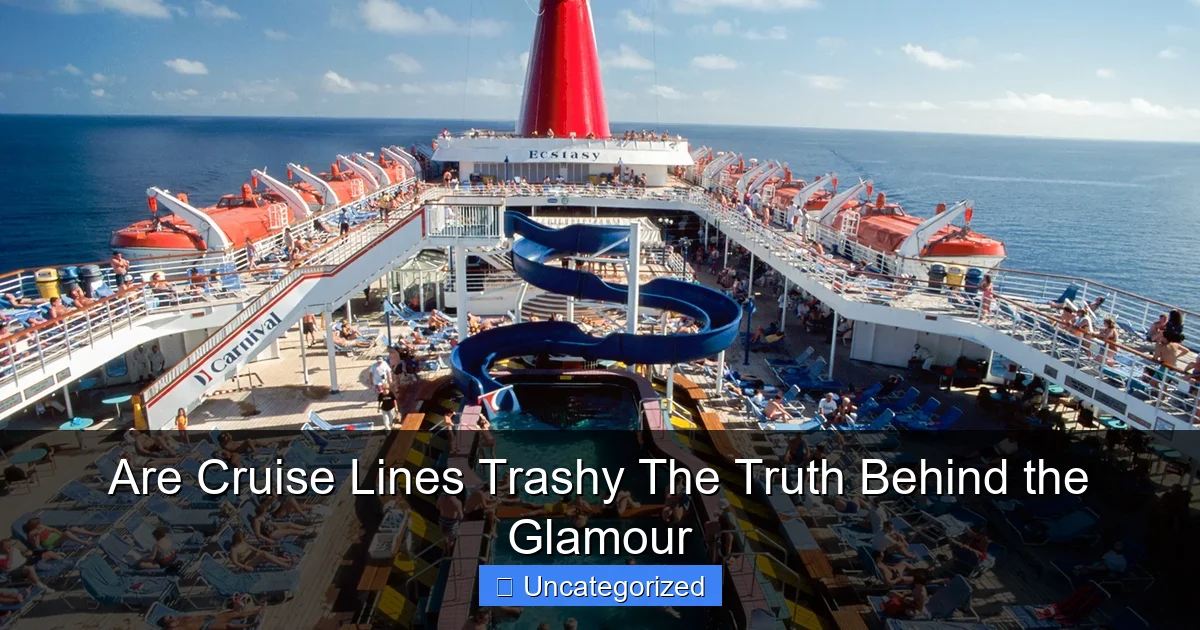
Modern cruise ships are designed with a tiered experience. Passengers in luxury suites enjoy exclusive lounges, private dining, and priority boarding, while standard cabin guests face crowded public areas and limited access. For example:
- Royal Caribbean’s Royal Suite Class: Suite guests get access to The Suite Lounge, a private sun deck, and concierge service.
- Celebrity Cruises’ The Retreat: A private enclave with butler service and a dedicated restaurant.
This stratification can create a “them vs. us” dynamic. A 2022 survey by Cruise Critic found that 34% of standard cabin passengers felt “excluded” from premium amenities.
Entertainment and Activities: Fun or Frivolous?
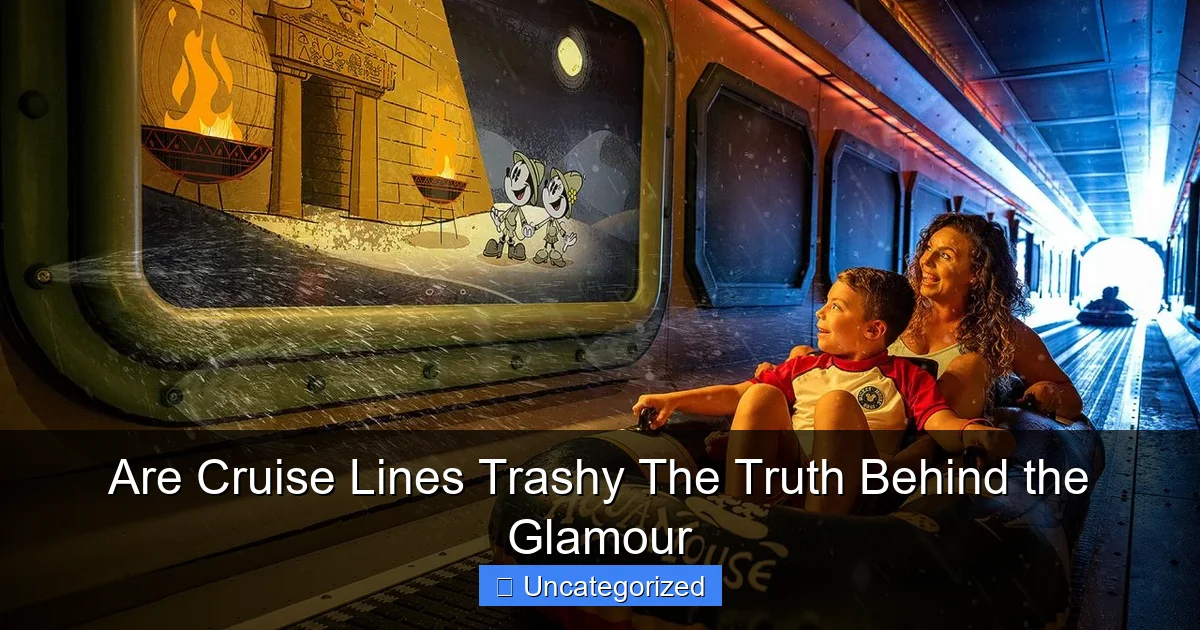
Cruise entertainment runs the gamut from high-quality productions to cheesy game shows. While lines like Disney and Norwegian invest in Broadway-caliber shows (e.g., Hamilton on Disney Magic), others rely on karaoke nights and bingo tournaments. The key is authenticity. Lines like Oceania Cruises focus on enrichment—cooking classes, art auctions, and guest lectures—appealing to travelers seeking substance over spectacle.
Staff and Service: The Human Factor
Over 1,000 crew members work on a typical ship, many from developing countries. While service standards are high, concerns about working conditions persist. The International Transport Workers’ Federation (ITF) reports that some crew face long hours (10-12 per day) and limited privacy. However, leading lines like Virgin Voyages and Regent Seven Seas have introduced crew welfare programs, including mental health support and fair wages.
How to Navigate Onboard Culture
- Choose lines with a focus on enrichment (e.g., Holland America, Silversea).
- Book during off-peak seasons to avoid crowds and enjoy a more relaxed atmosphere.
- Engage with crew—many are eager to share stories and cultural insights.
- Participate in community-focused activities like volunteer shore excursions.
Destination Ethics: Do Cruise Lines Exploit Local Communities?
Ports of call are a major draw for cruisers, but the influx of thousands of tourists in a single day can strain local infrastructure and economies. Are cruise lines respectful of the places they visit, or do they prioritize profit over preservation?
Overtourism and Port Congestion
Popular destinations like Venice, Santorini, and Dubrovnik have implemented cruise passenger caps due to overtourism. In 2021, Venice banned ships over 25,000 tons from its historic center. Similarly, Key West, Florida, limited daily cruise arrivals to 1,500 passengers after residents protested overcrowding.
Economic Impact: Who Benefits?
While cruise tourism generates revenue, much of it stays with the cruise line. A 2020 study by the University of Miami found that only 30-40% of passenger spending benefits local businesses. The rest goes to onboard purchases, excursions sold by the cruise line, or taxes paid to governments.
However, some lines are improving. Carnival’s Local Impact Program partners with small businesses in ports like Cozumel and Roatán, offering training and marketing support.
Cultural Sensitivity and Authenticity
All-inclusive excursions can feel “staged” or inauthentic. For example, a “local market tour” might visit a shop owned by the cruise line, not a genuine artisan. To avoid this:
- Book independent excursions through local guides (check port regulations first).
- Spend time exploring on your own—walking tours often reveal more than bus trips.
- Support community-based tourism projects (e.g., cooking classes with local families).
Data: Cruise Tourism vs. Local Impact
| Destination | Daily Cruise Passengers (Peak Season) | % of Spending Retained Locally | Local Concerns |
|---|---|---|---|
| Barcelona, Spain | 20,000+ | 35% | Overtourism, housing shortages |
| Juneau, Alaska | 12,000 | 50% | Environmental impact, cultural disruption |
| Hvar, Croatia | 8,000 | 25% | Port congestion, noise pollution |
| St. Lucia | 5,000 | 60% | Positive: community partnerships |
The Evolution of Luxury: From “Trashy” to Transformative
The cruise industry has evolved dramatically since the 1970s, when ships like The Love Boat glamorized a hedonistic lifestyle. Today, luxury cruising is redefined—not by opulence alone, but by authenticity, sustainability, and personalization.
Redefining Luxury: Beyond Buffets and Bingo
Modern luxury lines focus on:
- Intimate ships: Regent Seven Seas’ Seven Seas Splendor (750 passengers) offers all-suite accommodations and butler service.
- Culinary excellence: Oceania Cruises features 10+ gourmet restaurants, including partnerships with chefs like Jacques Pépin.
- Wellness and mindfulness: Seabourn’s Spa & Wellness with Dr. Andrew Weil offers yoga, meditation, and plant-based menus.
Technology and Innovation
Smart cabins with AI assistants, virtual reality shore excursions, and contactless check-ins are now standard. Royal Caribbean’s WOWband (a wearable device) lets guests unlock cabins, pay for drinks, and reserve shows with a tap.
Personalization and Exclusivity
Lines like Crystal Cruises use data analytics to tailor experiences. For example, if a guest orders a specific wine at dinner, it might be waiting in their cabin the next day. Virgin Voyages’ Scarlet Lady uses a “Voyage Planner” app to curate activities based on preferences.
Tips for a Luxurious, Meaningful Cruise
- Choose smaller ships (under 2,000 passengers) for a more intimate experience.
- Look for all-inclusive packages that cover tips, drinks, and excursions.
- Book themed cruises (e.g., music, wellness, or culinary) for deeper engagement.
- Prioritize destination-focused itineraries over sea days.
The Verdict: Are Cruise Lines Trashy?
After examining the evidence, the answer isn’t black and white. Cruise lines have undeniably faced criticism for environmental harm, social stratification, and cultural commodification. Yet, the industry is undergoing a transformation—driven by consumer demand, regulatory pressure, and technological innovation.
Where the Industry Falls Short
- Environmental accountability: While progress is made, many ships still use dirty fuels and inadequate waste systems.
- Social equity: The gap between luxury and standard experiences can feel jarring.
- Destination ethics: Overtourism and economic leakage remain challenges.
Where the Industry Excels
- Innovation: LNG ships, smart cabins, and AI-driven personalization set new standards.
- Enrichment: Educational programs, cultural immersion, and wellness offerings attract mindful travelers.
- Community engagement: Lines like Carnival and Royal Caribbean are investing in local partnerships.
How to Avoid a “Trashy” Cruise
- Research thoroughly: Check sustainability ratings (e.g., Green Fins, Blue Star) and read recent passenger reviews.
- Choose the right line: For luxury, consider Regent or Silversea; for eco-friendliness, try Hurtigruten or Lindblad Expeditions.
- Travel responsibly: Support local businesses, minimize waste, and respect cultural norms.
- Advocate for change: Share feedback with cruise lines about sustainability and inclusivity.
In conclusion, are cruise lines trashy? Some aspects of the industry still lean toward excess and superficiality, but the narrative is shifting. Today’s cruise lines are not monolithic—they range from budget-focused giants to eco-conscious luxury pioneers. The key lies in informed choices. By selecting lines that prioritize sustainability, authenticity, and community, travelers can enjoy the glamour of cruising without the guilt. The future of cruising isn’t about hiding behind glitter—it’s about building a more responsible, enriching, and truly luxurious experience for all.
Frequently Asked Questions
Are cruise lines trashy, or is that just a stereotype?
The idea that cruise lines are “trashy” is often a misconception fueled by outdated stereotypes. Modern cruise ships offer luxurious amenities, fine dining, and cultural experiences, catering to diverse tastes and budgets.
Do cruise lines have a trashy party atmosphere?
While some cruises—like spring break or themed party voyages—lean into lively nightlife, most mainstream cruise lines emphasize family-friendly or sophisticated entertainment. It ultimately depends on the cruise line and itinerary you choose.
Is the food on cruise lines low-quality or trashy?
Many cruise lines now partner with celebrity chefs and prioritize high-quality, sustainably sourced ingredients. From buffet spreads to gourmet dining, the culinary standards have significantly improved in recent years.
Are cruise lines trashy because of environmental concerns?
Historically, cruise lines faced criticism for pollution, but most major companies now invest in cleaner fuels, waste reduction, and eco-friendly technologies. Research a line’s sustainability efforts to avoid outdated “trashy” practices.
Do cruise lines attract a trashy or unrefined crowd?
Passenger demographics vary widely by cruise line, destination, and pricing. Upscale lines like Regent or Seabourn attract refined travelers, while budget-friendly options offer fun, casual atmospheres—far from universally “trashy.”
Why do some people call cruise lines trashy despite the glamour?
The “trashy” label often stems from over-the-top decor, all-you-can-eat buffets, or loud poolside events on certain ships. However, many cruise lines now balance fun with elegance, offering something for every traveler’s taste.