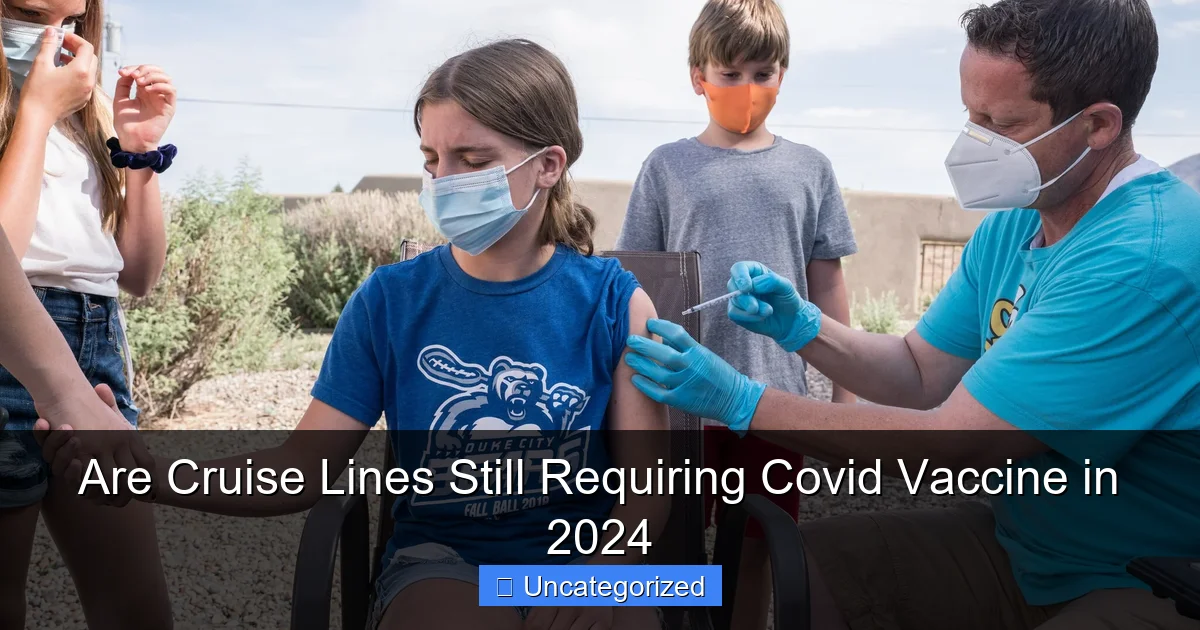
Featured image for are cruise lines still requiring covid vaccine
Image source: static01.nyt.com
Most major cruise lines no longer require COVID-19 vaccination for passengers in 2024, as health policies have relaxed following global pandemic recovery. However, some niche or international operators may still enforce vaccine mandates, so checking individual line requirements before booking remains essential.
Key Takeaways
- Vaccine mandates vary: Check each cruise line’s policy before booking.
- Proof may be required: Carry digital or physical vaccination records onboard.
- Unvaccinated options exist: Some lines allow testing instead of vaccines.
- Rules change frequently: Verify requirements within 30 days of sailing.
- Shore excursions differ: Ports may enforce stricter rules than the ship.
📑 Table of Contents
- The Cruise Comeback: Navigating Vaccine Policies in 2024
- Current State of Cruise Line Vaccine Mandates
- Destination-Specific Requirements: Beyond the Cruise Line
- Testing Protocols and Health Screening: What to Expect
- Special Considerations: Families, Seniors, and High-Risk Passengers
- Data Table: Cruise Line Vaccine and Testing Requirements (2024)
- Looking Ahead: The Future of Cruise Health Policies
The Cruise Comeback: Navigating Vaccine Policies in 2024
The cruise industry, once brought to a near-standstill by the global pandemic, has made a remarkable recovery in recent years. As of 2024, cruise lines are operating at full capacity, welcoming back millions of passengers eager to explore exotic destinations, indulge in luxury amenities, and reconnect with loved ones on the open seas. However, one lingering question continues to surface for travelers planning their next voyage: Are cruise lines still requiring the COVID vaccine in 2024?
For many, the answer isn’t as simple as a yes or no. Cruise lines, like airlines and other international travel providers, have had to adapt their health and safety protocols in response to evolving public health guidelines, regional regulations, and fluctuating pandemic conditions. While some lines have fully lifted vaccine mandates, others maintain conditional requirements based on itinerary, destination, or passenger demographics. Whether you’re a seasoned cruiser or planning your first trip, understanding the current vaccine landscape is essential to avoid surprises at check-in and ensure a smooth embarkation process.
Current State of Cruise Line Vaccine Mandates
As of 2024, the majority of major cruise lines have significantly relaxed or entirely eliminated mandatory COVID-19 vaccination requirements. This shift reflects both the widespread availability of vaccines, the high global vaccination rates, and the reduced severity of recent variants. However, the policy landscape remains dynamic, with differences based on company, itinerary, and destination regulations.
Visual guide about are cruise lines still requiring covid vaccine
Image source: yalibnan.com
Major Cruise Lines and Their 2024 Policies
- Carnival Cruise Line: As of early 2024, Carnival no longer requires proof of vaccination for most sailings. However, unvaccinated passengers must present a negative PCR or antigen test taken within 48 hours prior to embarkation. This policy applies to all U.S.-based departures, including Caribbean and Alaska cruises.
- Royal Caribbean International: While vaccination is no longer mandatory, Royal Caribbean strongly encourages all guests aged 5 and older to be vaccinated. Unvaccinated passengers must complete a health declaration and may be subject to additional testing or quarantine protocols, especially on longer voyages or those visiting high-risk regions.
- NCL (Norwegian Cruise Line): NCL lifted its vaccine mandate in late 2022 and has not reinstated it. All guests, regardless of vaccination status, are welcome to sail. However, they must complete a pre-cruise health screening and may be required to test if symptoms arise during the voyage.
- Princess Cruises: Princess maintains a “vaccination recommended” policy. No proof of vaccination is required, but unvaccinated guests must test within 48 hours before boarding. On select international itineraries (e.g., transatlantic or European river cruises), additional documentation may be required due to port regulations.
- Disney Cruise Line: Disney continues to require all guests aged 5 and older to be fully vaccinated, including a booster if eligible. This policy applies to all sailings, including those departing from the U.S., Europe, and Australia. Exemptions are granted only for medical reasons with proper documentation.
Why Policies Vary Between Lines
The variation in policies stems from several factors:
- Corporate Risk Tolerance: Some cruise lines, like Disney, prioritize family safety and brand reputation, leading to stricter health protocols. Others, aiming to maximize passenger volume, adopt more relaxed rules.
- Itinerary and Destination: Cruises visiting countries with strict entry requirements (e.g., Australia, New Zealand, or parts of Asia) may need to enforce vaccine mandates to comply with local laws.
- Ship Capacity and Medical Infrastructure: Larger vessels with advanced medical facilities may feel more confident relaxing restrictions, while smaller ships may maintain stricter rules due to limited onboard healthcare.
- Insurance and Liability Concerns: Some lines maintain vaccination recommendations to reduce the risk of outbreaks, which could lead to costly quarantines, itinerary changes, or passenger lawsuits.
Destination-Specific Requirements: Beyond the Cruise Line
Even if your cruise line doesn’t require a vaccine, your destination might. This is one of the most overlooked aspects of post-pandemic cruising. Many ports of call have their own entry regulations, and failure to comply can result in denied boarding, quarantine, or even deportation.
Visual guide about are cruise lines still requiring covid vaccine
Image source: a57.foxnews.com
Examples of Destination-Based Rules
- Australia and New Zealand: As of 2024, both countries require all international travelers (including cruise passengers) to be fully vaccinated and show proof of a negative test within 72 hours of arrival. Some ports may also require a pre-departure health declaration.
- Japan: Japan has reopened to international tourism but maintains a “vaccination encouraged” policy. Unvaccinated travelers must present a negative PCR test taken within 72 hours and may be subject to random testing upon arrival.
- Canada: Canada no longer requires vaccination or testing for entry, but cruise lines calling on Canadian ports (e.g., Vancouver, Quebec City) may still ask for health declarations, especially during flu season.
- European Union: The EU’s Digital COVID Certificate is no longer mandatory for entry, but individual countries like Greece, Italy, and Croatia may still request proof of vaccination or testing during peak travel seasons.
- Caribbean Islands: Most Caribbean nations (e.g., Jamaica, Bahamas, Aruba) have lifted all pandemic-related restrictions. However, cruise lines may still collect health data for contact tracing in case of an outbreak.
How to Check Port Requirements
To avoid surprises, follow these steps:
- Review the Cruise Line’s Pre-Cruise Email: Most lines send a detailed “Know Before You Go” email 30–60 days before departure, outlining all destination-specific requirements.
- Visit the Official Government Websites: Use official sources like the U.S. Department of State or the IATA Travel Centre for up-to-date entry rules.
- Contact Your Travel Agent or Cruise Line Directly: If in doubt, call the cruise line’s customer service or your agent. Ask: “Do I need a vaccine or test to enter [specific port]?”
- Download the Cruise Line’s App: Apps like Royal Caribbean’s “Royal Caribbean App” or Carnival’s “HUB” often include real-time updates on health protocols and port requirements.
Pro Tip: Print out your vaccination card and test results, even if not required. Having physical copies can speed up check-in and avoid delays if a port official requests documentation.
Testing Protocols and Health Screening: What to Expect
While vaccine mandates have largely disappeared, testing and health screening remain key components of cruise line safety protocols in 2024. Most lines have adopted a “layered approach” to health security, combining testing, symptom monitoring, and enhanced sanitation.
Pre-Embarkation Testing Requirements
As of 2024, many cruise lines require pre-cruise testing for unvaccinated passengers or all guests on select itineraries. Here’s what you need to know:
- Timing: Tests must typically be taken within 24–48 hours before embarkation. For example, Carnival requires a test within 48 hours, while Disney requires a test within 24 hours for unvaccinated guests.
- Type of Test: Most lines accept PCR, antigen (rapid), or NAAT tests. At-home tests are allowed only if they include a telehealth verification (e.g., Ellume, BinaxNOW with video observation).
- Documentation: You must present a printed or digital copy of the test result. The document must include your name, test date, result, and the testing facility’s information.
Onboard Health Screening
Even if you’re vaccinated, you may encounter:
- Temperature Checks: Some lines use infrared scanners at embarkation or during re-boarding in ports.
- Health Questionnaires: You may need to complete a digital or paper form asking about symptoms, recent exposure, and travel history.
- Random Testing: On longer voyages (e.g., 10+ days), cruise lines may conduct random testing to monitor for outbreaks.
- Symptom Monitoring: Crew members are trained to identify and isolate passengers with symptoms. If you develop a fever, cough, or loss of taste/smell, report to the medical center immediately.
What Happens If You Test Positive?
If you test positive before or during a cruise:
- Pre-Cruise: You’ll likely be denied boarding and may receive a refund or credit, depending on the line’s policy.
- Onboard: You’ll be isolated in a designated cabin, provided with medical care, and may need to quarantine for 5–10 days. The cruise line will arrange for your return home at their expense in most cases.
- Travel Insurance: A comprehensive travel insurance policy that covers pandemic-related cancellations and medical evacuation is highly recommended.
Special Considerations: Families, Seniors, and High-Risk Passengers
Not all cruisers face the same health risks or policy requirements. Families with young children, seniors, and immunocompromised travelers may encounter unique challenges in 2024.
Children and Vaccination Policies
Most cruise lines have age-specific rules:
- Under 5: No vaccination required on most lines, but may need a negative test.
- Ages 5–11: Vaccination is often recommended but not mandatory (except on Disney, which requires it).
- Teens 12+: Treated as adults; policies vary by line.
Example: A family with a 7-year-old and a 15-year-old sailing on Royal Caribbean would not need to vaccinate the younger child, but the teen must be vaccinated or test before boarding.
Seniors and High-Risk Travelers
For passengers over 65 or with chronic conditions:
- Consult Your Doctor: Discuss the risks of cruising, especially if you have heart disease, diabetes, or respiratory issues.
- Choose Vaccine-Required Cruises: Lines like Disney or Viking Ocean Cruises (which maintain strict health protocols) may offer a safer environment.
- Pack a Medical Kit: Include masks, rapid tests, hand sanitizer, and a thermometer. Consider a portable pulse oximeter.
- Book a Cabin Near the Medical Center: Some cruise lines offer “proximity cabins” for high-risk passengers.
Accessibility and Accommodations
Most lines offer medical accommodations for passengers with disabilities or health conditions. Contact the cruise line at least 45 days before departure to request:
- Wheelchair-accessible cabins
- Oxygen delivery
- Medication storage
- Special dietary needs
Data Table: Cruise Line Vaccine and Testing Requirements (2024)
| Cruise Line | Vaccine Required? | Testing Required? | Notes |
|---|---|---|---|
| Carnival Cruise Line | No (recommended) | Yes, for unvaccinated (48-hour test) | All U.S. departures; no exemptions for medical/religious reasons |
| Royal Caribbean | No (strongly recommended) | Yes, for unvaccinated (24-hour test) | Booster recommended for guests 18+; exemptions with documentation |
| NCL | No | No (unless symptomatic) | No pre-cruise testing; enhanced sanitation and air filtration |
| Princess Cruises | No (recommended) | Yes, for unvaccinated (48-hour test) | Additional requirements for European and Australian itineraries |
| Disney Cruise Line | Yes (all guests 5+) | Yes, for all (24-hour test) | Booster required if eligible; medical exemptions with documentation |
| MSC Cruises | No (recommended) | Yes, for unvaccinated (48-hour test) | Strict protocols on European sailings; contact tracing app required |
Looking Ahead: The Future of Cruise Health Policies
As 2024 progresses, the cruise industry is moving toward a “new normal” where pandemic-era restrictions are replaced by flexible, data-driven protocols. Here’s what to expect:
- Permanent Testing Infrastructure: Cruise lines are investing in onboard rapid testing labs to identify and contain outbreaks within hours.
- Digital Health Passports: Apps like IATA Travel Pass or the cruise line’s own platform may become standard for storing vaccination records and test results.
- Seasonal Adjustments: Policies may tighten during winter (flu season) or in response to new variants, similar to airline mask mandates.
- Personal Responsibility: Passengers are increasingly expected to self-monitor and report symptoms, reducing the burden on medical staff.
Ultimately, the decision to cruise in 2024—and whether to vaccinate—comes down to personal comfort, risk tolerance, and destination requirements. While most lines no longer mandate vaccines, staying up-to-date on boosters is still the best way to protect yourself and others. The cruise industry has learned from the pandemic, and its commitment to safety, transparency, and passenger well-being remains stronger than ever.
Whether you’re sailing to the Caribbean, Alaska, or the Mediterranean, the key to a stress-free cruise is preparation. Check your line’s policy, verify port requirements, pack your test kits, and—most importantly—relax and enjoy the journey. The open seas are calling, and 2024 is the perfect year to answer.
Frequently Asked Questions
Are cruise lines still requiring the COVID vaccine in 2024?
As of 2024, most major cruise lines have dropped mandatory COVID-19 vaccination requirements for passengers, though some may still recommend it. Policies can vary by destination, ship, and itinerary, so always check the cruise line’s official website before booking.
Do I need a booster shot to cruise in 2024?
Booster requirements are rare, but a few cruise lines or destinations may request proof of an updated booster for high-risk travelers. Confirm with your cruise line directly to see if this applies to your trip.
Can unvaccinated passengers take a cruise in 2024?
Yes, most cruise lines now allow unvaccinated passengers, but some may require pre-travel testing or additional documentation. This is especially common on sailings to regions with stricter health regulations, like Alaska or Europe.
Are cruise lines still requiring COVID vaccine for international voyages?
International cruises may have different rules depending on the ports visited. While the cruise line itself might not require vaccines, certain countries (e.g., Canada, Australia) could enforce entry restrictions based on vaccination status.
What happens if I test positive before my cruise in 2024?
If you test positive, most cruise lines offer flexible rebooking or future cruise credits, but refunds vary. Some lines still recommend testing 1-2 days before departure, even if vaccination isn’t required.
Do kids need the COVID vaccine to go on a cruise?
Children are rarely required to be vaccinated, but testing may be mandatory for unvaccinated minors on select sailings. Always verify age-specific policies with the cruise line, as they differ by company and itinerary.