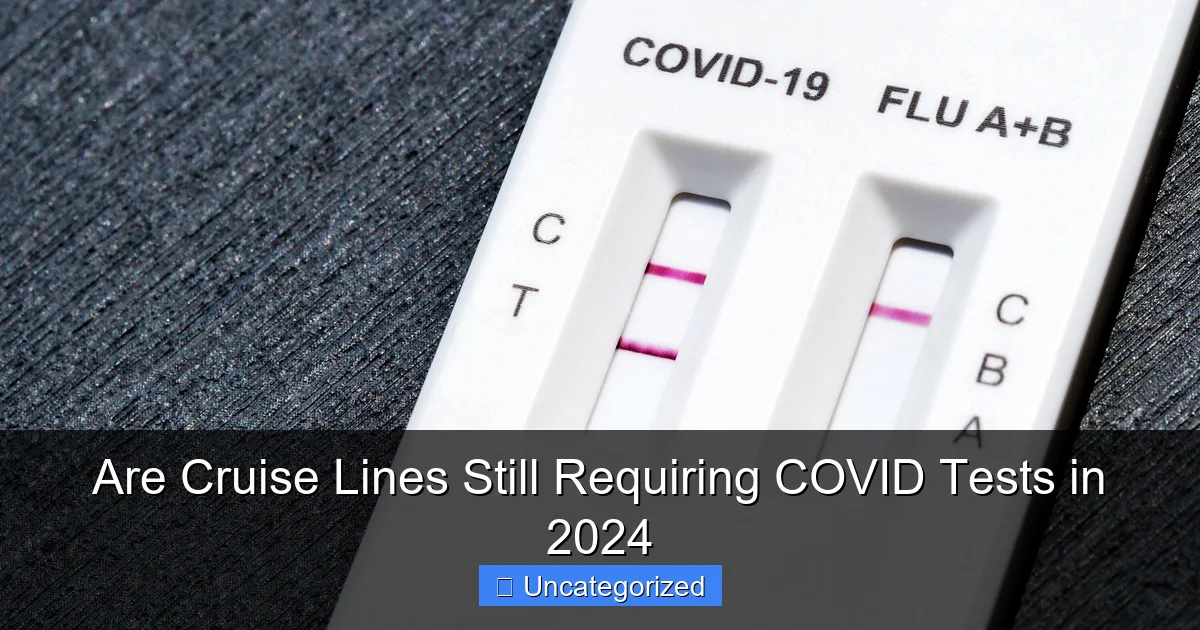
Featured image for are cruise lines still requiring covid tests
Image source: static01.nyt.com
Most major cruise lines no longer require pre-travel COVID-19 tests for vaccinated passengers in 2024, marking a significant shift from previous pandemic protocols. However, unvaccinated travelers or those on select high-risk itineraries may still need testing, so checking your cruise line’s latest policy before departure remains essential.
Key Takeaways
- Check policies early: Verify testing rules directly with your cruise line before booking.
- Most lines dropped tests: Major cruise lines no longer require pre-travel COVID-19 testing.
- Exceptions apply: Some destinations or sailings may still enforce testing—confirm itinerary specifics.
- Unvaccinated travelers: A few lines may require tests for those without proof of vaccination.
- Prepare for changes: Rules can shift—monitor updates until departure date.
- Pack rapid tests: Have self-tests onboard in case symptoms arise during the cruise.
📑 Table of Contents
- The New Normal at Sea: Navigating Cruise Line COVID-19 Policies in 2024
- Current State of COVID-19 Testing Requirements by Major Cruise Lines
- Factors Influencing Testing Policies: What Determines the Rules?
- How to Prepare for a Cruise in 2024: Practical Tips and Best Practices
- Data Snapshot: 2024 Cruise Line Testing Policies (Summary Table)
- What the Future Holds: The Long-Term Outlook for Cruise Health Protocols
- Conclusion: Navigating the Seas with Confidence in 2024
The New Normal at Sea: Navigating Cruise Line COVID-19 Policies in 2024
As global travel continues its steady recovery from the disruptions of the past few years, cruise vacations have made a triumphant return to the itineraries of millions. The allure of ocean breezes, luxury accommodations, and exotic destinations has drawn travelers back to the high seas with renewed enthusiasm. Yet, one lingering question remains on the minds of many potential cruisers: Are cruise lines still requiring COVID tests in 2024? The answer isn’t a simple yes or no—it’s a nuanced landscape shaped by evolving public health guidelines, regional regulations, and individual cruise line policies.
The pandemic fundamentally altered how the cruise industry operates. In 2020 and 2021, cruise ships were among the first to face widespread outbreaks, leading to port closures, canceled voyages, and a complete industry shutdown. In response, cruise lines implemented rigorous health and safety protocols, including mandatory pre-travel testing, onboard medical facilities, and contact tracing systems. While many of these measures have since been relaxed, the legacy of the pandemic continues to influence how cruise lines approach passenger safety. Today, in 2024, the focus has shifted from mandatory restrictions to risk-based flexibility, allowing travelers to make informed decisions based on their comfort levels and destination requirements. This article explores the current state of COVID-19 testing policies across major cruise lines, what travelers can expect before boarding, and how to prepare for a smooth and safe cruise experience.
Current State of COVID-19 Testing Requirements by Major Cruise Lines
Royal Caribbean International: Flexible and Risk-Based Approach
Royal Caribbean, one of the world’s largest cruise operators, has adopted a risk-based policy that varies depending on the destination, duration of the cruise, and passenger demographics. As of early 2024, the line no longer requires a pre-cruise COVID-19 test for most sailings originating in North America, Europe, and Australia—provided all guests are fully vaccinated. However, unvaccinated travelers (including children under 5, where vaccination is not approved) must present a negative test result taken within 72 hours prior to embarkation.

Visual guide about are cruise lines still requiring covid tests
Image source: a57.foxnews.com
For example, a 7-night Caribbean cruise from Miami for vaccinated adults requires no pre-departure test. But if the same cruise includes stops in a country like Bermuda or the Cayman Islands, which maintain stricter entry rules, passengers may need to show proof of a negative test upon arrival at those ports—even if Royal Caribbean doesn’t require it at check-in. This means travelers must stay informed about destination-specific regulations, not just cruise line policies.
Additionally, Royal Caribbean reserves the right to conduct random testing at embarkation if there are signs of community transmission or if a destination port mandates it. In rare cases, onboard testing may be required if a passenger shows symptoms or if a cluster of cases emerges during the voyage.
Carnival Cruise Line: Simplified Rules with Regional Exceptions
Carnival has taken a more streamlined approach, aligning its policies with the U.S. Centers for Disease Control and Prevention (CDC) and international health authorities. For most sailings from the U.S., Carnival no longer mandates pre-cruise testing for vaccinated guests. However, unvaccinated passengers must provide a negative antigen or PCR test taken within 72 hours before departure.
One notable exception is Carnival’s Alaska cruises. Due to remote port locations and limited medical infrastructure in the region, the line still requires all passengers to be vaccinated and to present a negative test result—regardless of vaccination status. This policy is designed to protect vulnerable populations in remote communities and ensure medical preparedness in case of an outbreak.
Carnival also emphasizes transparency: their website includes a “Health & Safety Hub” where travelers can view up-to-date requirements for each itinerary. They recommend checking this page 72 hours before departure, as policies can change with short notice due to local outbreaks or government mandates.
Norwegian Cruise Line (NCL): Vaccination-Centric with Testing Backups
NCL continues to prioritize vaccination but has built in testing as a safety net. All adult passengers must be fully vaccinated with an FDA- or WHO-approved vaccine. Children under 12 are exempt from vaccination but must test negative within 72 hours of embarkation.
Unlike some competitors, NCL does not currently require routine pre-departure testing for vaccinated adults on most itineraries. However, they maintain a “Test-to-Sail” program for high-risk voyages, such as transatlantic crossings or cruises with extended stays in high-transmission areas. In these cases, a negative test is required before boarding.
NCL also offers onboard rapid testing for a fee ($40–$60 per test), which can be useful if a passenger needs to meet entry requirements for a specific port or return home. This flexibility has been particularly appreciated by travelers from countries like the UK or Canada, where proof of a negative test may still be needed for re-entry.
Princess Cruises: Destination-Driven Testing Policies
Princess Cruises operates a vast network of global itineraries, from the Mediterranean to the South Pacific, and their testing policy reflects this diversity. While the line does not universally require pre-cruise testing for vaccinated passengers, they strongly recommend it—especially for longer voyages or those visiting regions with active health advisories.
For instance, a 14-night Mediterranean cruise with stops in Italy, Greece, and Turkey may not require a test at embarkation, but Greece may require a negative test upon arrival. Princess works closely with local authorities and provides passengers with a “Port Health Guide” before departure, detailing entry requirements for each destination. This guide is updated weekly and includes links to official government health portals.
Princess also offers complimentary testing at embarkation for passengers who need it for international re-entry. This service is available at select homeports, including Los Angeles, Seattle, and Southampton.
Smaller and Luxury Lines: Higher Standards for Premium Experiences
Luxury and expedition cruise lines, such as Regent Seven Seas Cruises, Seabourn, and Silversea, often maintain stricter health protocols to appeal to health-conscious, high-spending clientele. These lines typically require all passengers to be vaccinated and may still mandate pre-departure testing—even for vaccinated travelers—on select voyages.
For example, Silversea’s 2024 Antarctic expedition cruises require a negative PCR test taken within 96 hours of embarkation, plus a second rapid antigen test at the port. This is due to the remote nature of the destination and the limited medical facilities available in polar regions.
These lines also invest heavily in onboard medical infrastructure, including quarantine cabins, advanced air filtration systems, and partnerships with telemedicine providers. The added cost is justified by the promise of a “worry-free” experience in high-risk or remote destinations.
Factors Influencing Testing Policies: What Determines the Rules?
Destination Port Regulations
One of the most significant drivers of cruise line testing policies is the entry requirements of destination countries. Even if a cruise line has relaxed its own rules, it must comply with the laws of the ports it visits. For example:
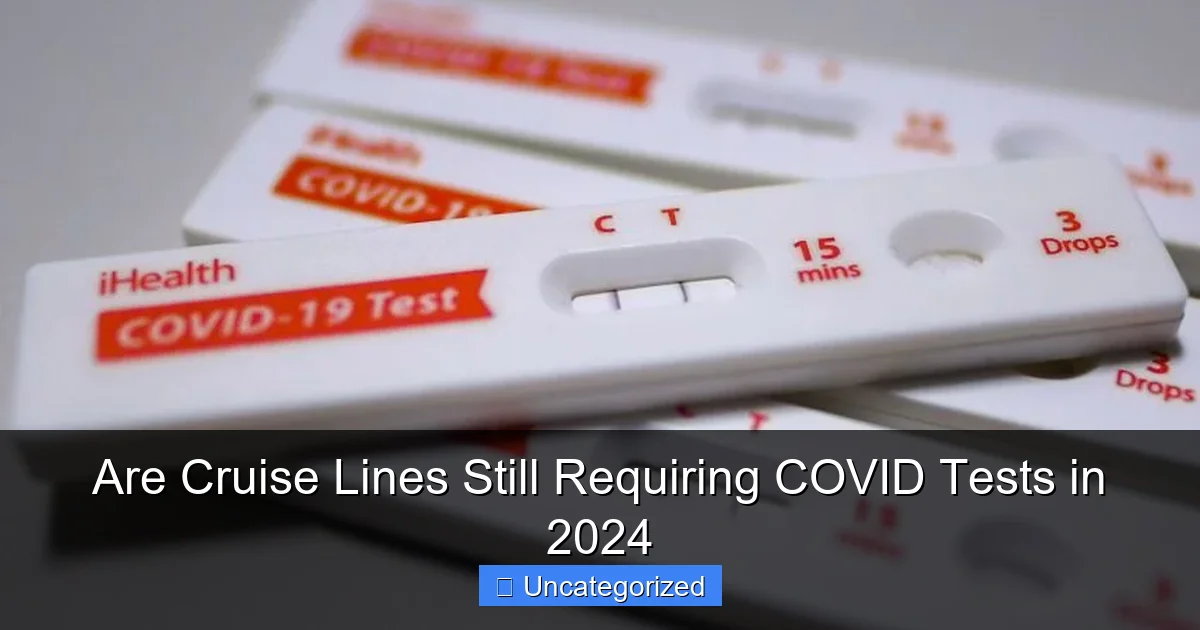
Visual guide about are cruise lines still requiring covid tests
Image source: media.cnn.com
- Canada: As of early 2024, Canada does not require pre-arrival testing for most travelers, but cruise lines may still require it if a passenger plans to disembark and explore independently.
- Australia and New Zealand: Both countries lifted most pandemic-era restrictions in 2023, but cruise lines may still recommend testing for long-haul voyages due to the risk of introducing new variants.
- Caribbean Nations: Islands like the British Virgin Islands, St. Maarten, and Aruba have varying rules. Some require no test for vaccinated travelers, while others may require one for unvaccinated or high-risk passengers.
Travelers should always check the official government websites of each destination, as cruise line summaries may not capture last-minute changes.
CDC and International Health Guidelines
The U.S. CDC no longer requires cruise lines to follow its “Conditional Sailing Order,” which once mandated extensive testing, quarantine, and contact tracing. However, the CDC still publishes a “Cruise Ship Travel Health Notice” that classifies ships based on reported cases. As of 2024, most major cruise ships are at Level 1 (low risk) or Level 2 (moderate risk), meaning no special precautions are required for most travelers.
Internationally, the World Health Organization (WHO) and the European Centre for Disease Prevention and Control (ECDC) also provide guidance, but enforcement is left to individual countries. Cruise lines use these guidelines to assess risk and adjust their protocols accordingly. For example, a surge in cases in a specific region may trigger temporary testing requirements for cruises visiting that area.
Onboard Outbreaks and Public Health Response
If a cruise experiences a cluster of COVID-19 cases, the line may reinstate testing and other mitigation measures. This happened in early 2023 when a Norwegian Cruise Line ship reported multiple infections during a Caribbean voyage. In response, the line implemented mandatory masking in indoor areas, increased testing frequency, and offered refunds or rebooking options.
Modern cruise ships are equipped with advanced ventilation systems, UV-C air purification, and rapid testing kits to manage outbreaks quickly. However, early detection remains key. Passengers are encouraged to report symptoms promptly, and cruise lines often conduct daily health screenings via onboard apps or crew checks.
Passenger Demographics and Risk Profiles
Some cruise lines consider the age and health status of their passengers when setting policies. For example, senior-focused lines like Oceania Cruises or Viking Ocean Cruises may maintain stricter testing rules to protect older travelers, who are at higher risk for severe illness.
Similarly, families with young children may face different rules. While most lines don’t require testing for vaccinated adults, unvaccinated children under 5 often do—reflecting the lack of approved vaccines for that age group in many countries.
How to Prepare for a Cruise in 2024: Practical Tips and Best Practices
Check Your Cruise Line’s Official Website
Never rely on third-party summaries or outdated blog posts. Always visit the official cruise line website and look for sections like “Health & Safety,” “Travel Requirements,” or “Cruise with Confidence.” These pages are updated regularly and include:
- Current vaccination and testing policies
- Embarkation checklists
- Contact information for the line’s medical team
- Links to destination health portals
For example, Carnival’s website allows you to enter your cruise date and itinerary to generate a personalized checklist of required documents and tests.
Verify Destination Entry Requirements
Even if your cruise line doesn’t require a test, a country you’re visiting might. Use official government sources like:
- U.S. Department of State Travel Advisories
- UK Foreign, Commonwealth & Development Office
- Government of Canada Travel Advice
- Local health department websites for specific ports
Tip: Subscribe to email alerts from these agencies so you’re notified of any changes within 72 hours of your departure.
Pack Testing Supplies and Documentation
Bring at least one FDA-approved rapid antigen test with you. These are useful if:
- You need to test for re-entry into your home country
- A port requires proof of a negative test
- You develop symptoms during the cruise
Also, carry digital and printed copies of:
- Vaccination records (with QR codes if available)
- Test results (if required)
- Travel insurance documents
Many cruise lines now accept digital health passes via apps like CommonPass or VeriFLY, which streamline check-in and reduce paper handling.
Consider Travel Insurance with Pandemic Coverage
Standard travel insurance may not cover COVID-related cancellations or medical expenses. Look for policies that explicitly include:
- Trip cancellation due to positive test
- Medical evacuation from the ship
- Quarantine accommodations and expenses
Companies like Allianz, AXA, and Seven Corners offer pandemic-specific add-ons. Some cruise lines, like Princess and Holland America, partner with insurers to offer bundled coverage.
Stay Informed During the Cruise
Download your cruise line’s mobile app before departure. These apps often include:
- Daily health check-ins
- Notifications about policy changes
- Access to onboard medical services
- Emergency contact numbers
Attend the safety briefing and listen for updates from the cruise director or medical staff. If a policy changes mid-voyage, the crew will communicate it promptly.
Data Snapshot: 2024 Cruise Line Testing Policies (Summary Table)
| Cruise Line | Vaccinated Passengers: Pre-Departure Test? | Unvaccinated Passengers: Pre-Departure Test? | Onboard Testing Available? | Notes |
|---|---|---|---|---|
| Royal Caribbean | No (most itineraries) | Yes (72-hour test) | Yes (random & symptomatic) | Destination-dependent; check port rules |
| Carnival | No | Yes (72-hour test) | Yes (for a fee) | Mandatory for Alaska cruises (all passengers) |
| NCL | No (except high-risk voyages) | Yes (children under 12) | Yes (rapid antigen, $40–60) | “Test-to-Sail” for transatlantic & remote cruises |
| Princess | No (strongly recommended) | Yes (children under 5) | Yes (complimentary at select ports) | Provides “Port Health Guide” pre-departure |
| Silversea | Yes (PCR, 96 hours) | Yes (PCR + rapid test) | Yes (onboard medical team) | Stricter for expedition cruises (Antarctic, Galapagos) |
| Holland America | No | Yes (72-hour test) | Yes (for a fee) | Offers bundled travel insurance with pandemic coverage |
What the Future Holds: The Long-Term Outlook for Cruise Health Protocols
From Mandates to Personal Responsibility
The trend across the cruise industry is clear: mandatory testing is fading, but health preparedness is becoming a shared responsibility. Cruise lines are shifting from top-down enforcement to empowering passengers to make informed choices. This means fewer blanket policies and more personalized risk assessments based on destination, passenger profile, and current global health data.
For example, in 2024, Royal Caribbean introduced a “Health Risk Dashboard” on its app, which shows the current transmission levels in each port and recommends whether to test or not. This tool helps travelers decide—without being forced—to take extra precautions.
Integration with Global Health Passports
The future may see broader adoption of digital health passports that integrate vaccination records, test results, and travel history. The International Air Transport Association (IATA) has already piloted its Travel Pass, and cruise lines are exploring similar systems. Imagine boarding a cruise with a single QR code that verifies your health status, itinerary, and insurance—all in one scan.
Such systems would streamline the embarkation process, reduce fraud, and allow for real-time updates during the cruise. While privacy concerns remain, the benefits for public health and operational efficiency are significant.
Lessons Learned and Industry Resilience
The pandemic forced the cruise industry to innovate. New technologies—like UV-C air disinfection, AI-powered symptom screening, and contactless check-in—are now standard. These investments have not only improved safety but also enhanced the overall passenger experience.
Moreover, cruise lines now have robust contingency plans for future outbreaks. These include onboard quarantine zones, partnerships with local hospitals, and rapid response teams. The goal is not to eliminate risk entirely (which is impossible) but to manage it effectively when it arises.
The Role of Travelers in Shaping the Future
Ultimately, the evolution of cruise health policies depends on passenger behavior and expectations. If travelers continue to prioritize safety and transparency, cruise lines will maintain high standards. If demand shifts toward “back-to-normal” experiences, some lines may relax protocols further.
But one thing is certain: the era of “set it and forget it” travel is over. In 2024 and beyond, informed, prepared, and flexible travelers will have the smoothest and most enjoyable cruise experiences.
Conclusion: Navigating the Seas with Confidence in 2024
So, are cruise lines still requiring COVID tests in 2024? The short answer is: it depends. While most major lines have eliminated mandatory testing for vaccinated passengers on standard itineraries, the rules vary widely based on destination, passenger status, and current health conditions. Unvaccinated travelers, families with young children, and those cruising to remote or high-risk regions are more likely to face testing requirements.
The key to a stress-free cruise is proactive planning. Check your cruise line’s official policy, verify destination entry rules, pack testing supplies, and consider pandemic-inclusive travel insurance. Stay informed during your trip, and don’t hesitate to ask crew members for clarification if policies change.
The cruise industry has emerged from the pandemic stronger, more resilient, and more committed to passenger safety than ever before. By combining cutting-edge technology, flexible policies, and clear communication, cruise lines are offering travelers the freedom to explore the world—while still prioritizing health and peace of mind.
Whether you’re planning a Caribbean getaway, an Alaskan adventure, or a transatlantic voyage, the seas are open. With the right preparation, you can set sail with confidence, knowing that the industry has your back—even in uncertain times. Bon voyage!
Frequently Asked Questions
Are cruise lines still requiring COVID tests in 2024?
Most major cruise lines have dropped mandatory pre-travel COVID-19 testing for vaccinated passengers in 2024, but requirements may vary by destination. Always check your specific cruise line and itinerary, as some countries or regions may still enforce testing rules.
Do I need a COVID test to board a cruise ship this year?
For most vaccinated travelers, a pre-cruise COVID test is no longer required by major cruise lines. However, unvaccinated passengers or high-risk itineraries (e.g., Alaska, Europe) might still need tests—verify with your cruise line’s latest health protocols.
Which cruise lines still require COVID tests in 2024?
A few smaller or luxury lines (e.g., Viking, Regent Seven Seas) may still require pre-cruise testing for select voyages. The keyword “COVID test” is often listed in their health policies, so review your line’s official website before booking.
Can I cruise without a COVID test if I’m vaccinated?
Yes, most cruise lines now allow vaccinated passengers to sail without a pre-trip COVID test. Some may require proof of vaccination or a health questionnaire instead—confirm with your cruise line’s current policy.
Are cruise lines still requiring COVID tests for shore excursions?
Shore excursion rules depend on the port’s local regulations, not the cruise line. Some destinations may require a negative test or vaccination proof, so pack a rapid test kit just in case.
What happens if I test positive before my cruise?
If you test positive pre-cruise, most lines allow free cancellations or rescheduling under their pandemic policies. Check your cruise line’s “COVID-19 coverage” terms for details on refunds or credits.